How to choose a watch band that stays visually proportional to your wrist
Visual Balance: When Watch Bands Appear Too Wide or Too Narrow on the Wrist
Sometimes, a watch band may seem to overpower the wrist, making the whole watch look bulky and out of place. In other cases, it can appear too slim, causing the watch to feel insubstantial or awkwardly perched. These visual imbalances are often the result of a mismatch between the width of the watch band, the watch case, and the wearer’s wrist size. Knowing how to choose a band that stays visually proportional helps the watch complement rather than distract from your appearance.
How Band Width Relates to Wrist and Watch Size
The width of a watch band is typically measured in millimeters, taken at the point where it attaches to the watch case (between the lugs). Most watches are designed so that the band’s width is proportional to the diameter of the watch case, but this proportion can look quite different depending on wrist size.
For a visually balanced look:
- Wider bands tend to suit larger wrists and larger watch cases.
- Narrower bands generally look best on smaller wrists and with smaller watch cases.
When a band is too wide for the wrist, it can look clunky and restrict movement. If it’s too narrow, the watch may appear top-heavy or unstable. A useful approach is to relate the band width to the visible width of the wrist—usually, a band that covers about half to two-thirds of the flat, top portion of your wrist creates a harmonious effect. For example, if the flat part of your wrist is about 50mm wide, a band between 20mm and 32mm is likely to look proportional, but this can vary based on watch case size and personal style.
Table: Common Band Widths and Wrist Size Pairings
| Wrist Circumference | Suggested Band Width | Watch Case Diameter |
|---|---|---|
| 5.5″ – 6.0″ (140–152mm) | 16–18mm | 28–34mm |
| 6.0″ – 6.75″ (152–171mm) | 18–20mm | 34–40mm |
| 6.75″ – 7.5″ (171–190mm) | 20–22mm | 40–44mm |
| 7.5″ – 8.0″ (190–203mm) | 22–24mm | 44mm and above |
These suggestions provide a starting point, but wrist shape and personal preference also play a role.
Considering Band Thickness and Taper
Band width isn’t the only factor that affects proportion. The thickness of the band can also impact visual balance. Thick bands add visual weight and can make a watch seem larger, while thin bands may make even a large watch case appear lighter on the wrist.
Another aspect is taper—where the band narrows as it moves away from the watch case toward the clasp or buckle. Bands that taper gently can soften the look of a wide case or help a larger watch appear less bulky. For instance, a 22mm band that tapers to 18mm at the buckle can help a larger watch look more refined on a medium wrist. Conversely, bands that maintain a constant width all the way around can emphasize size and solidity, which might be desirable for a bold or sporty look but less so for a dress watch.
Material and Visual Proportion
Material choice also affects how proportional a band appears. Each material reflects light and texture differently, contributing to the overall impression of size and weight.
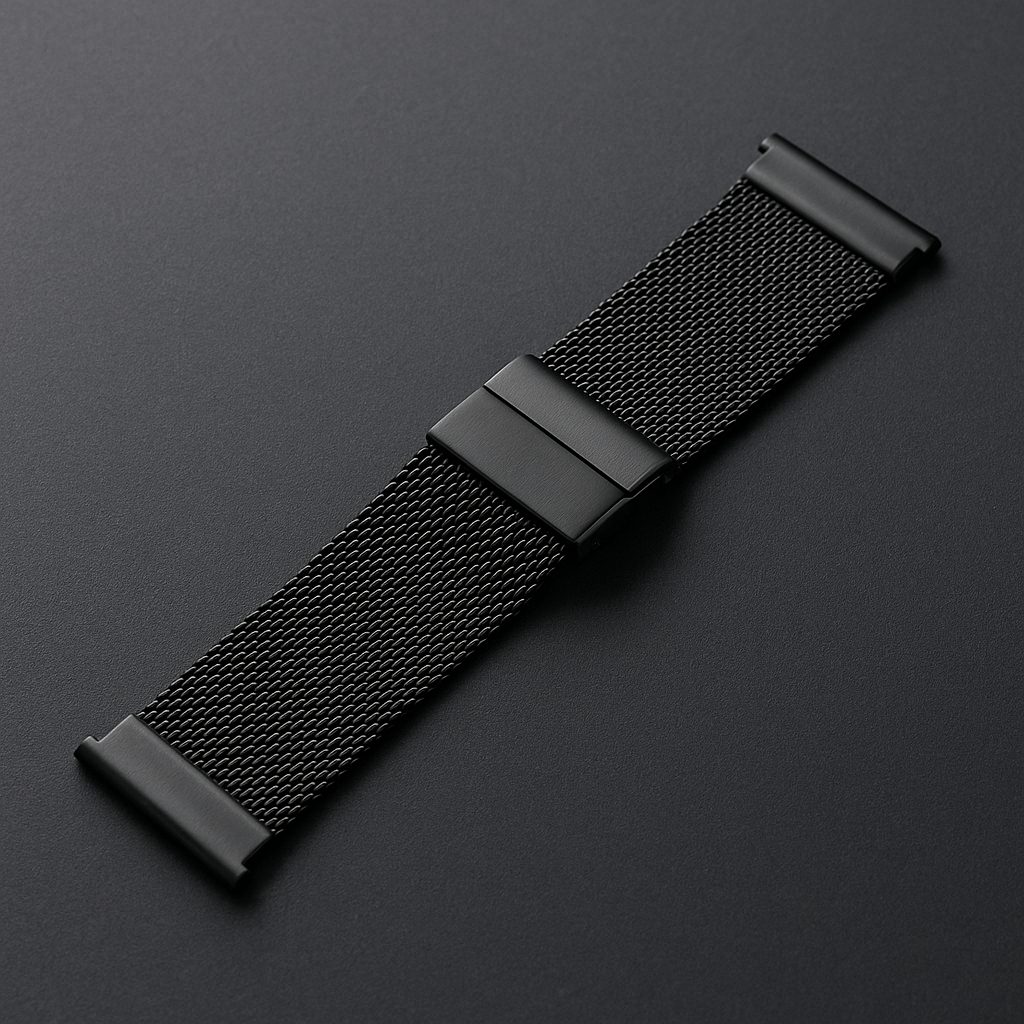
- Metal bands, most often made from stainless steel for durability and corrosion resistance, appear more substantial than their width suggests due to their solid construction and reflective surfaces. A metal bracelet may look wider than a leather strap of the same width, so opting for a slightly narrower metal band can help maintain balance on a smaller wrist.
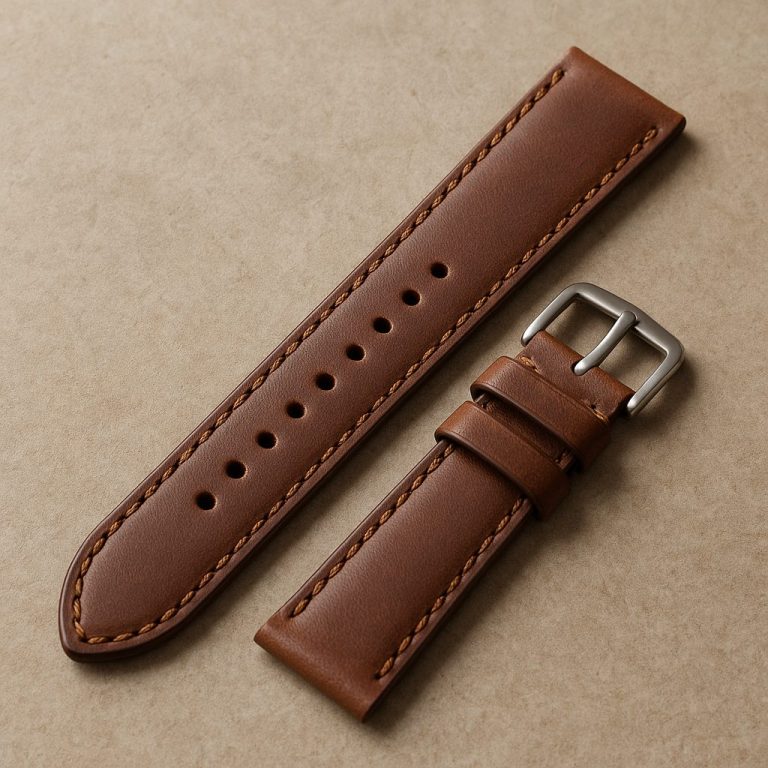
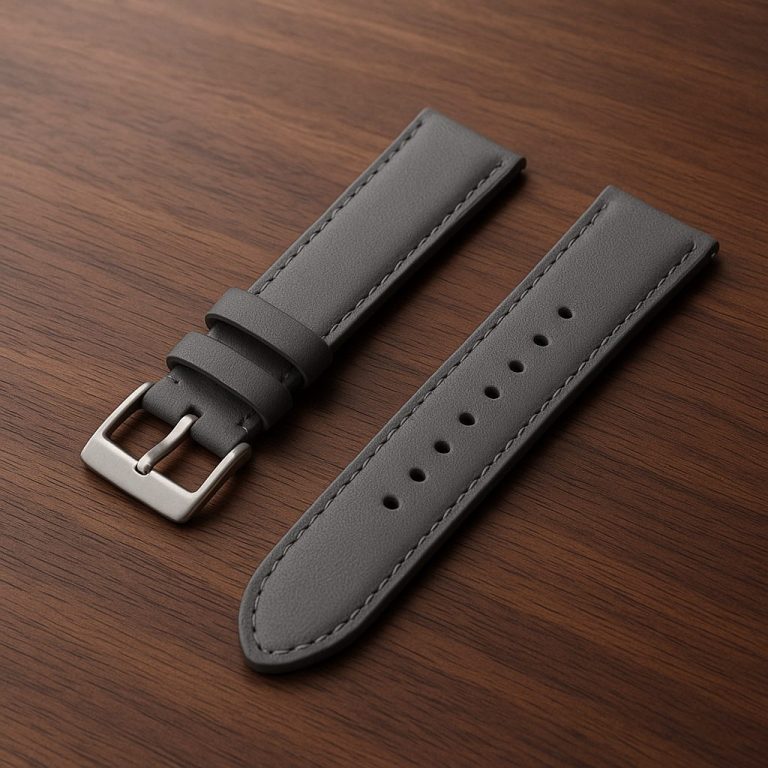
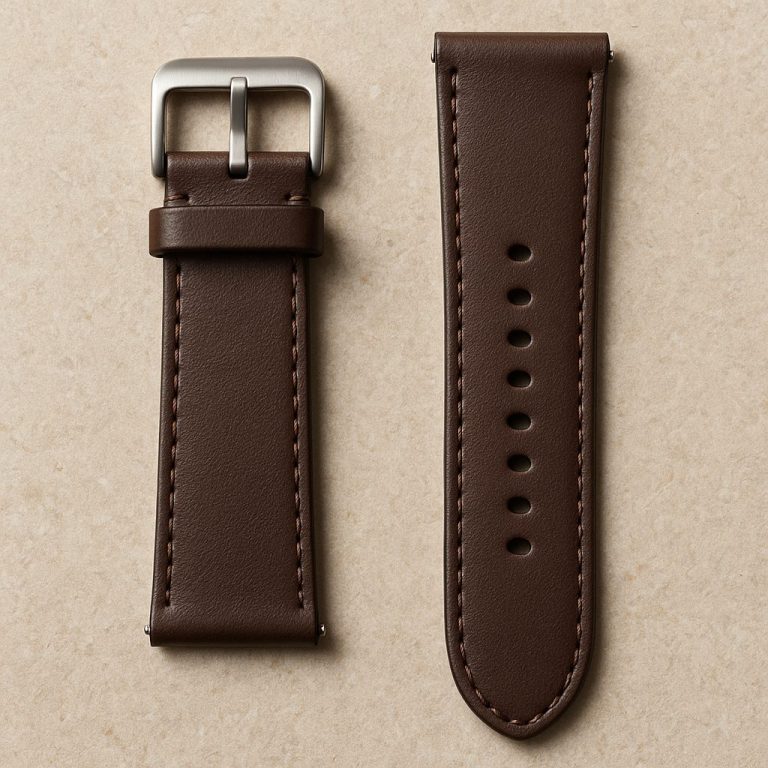
- Leather bands are generally slimmer and more flexible. They often taper more than metal bands, which can make a larger watch feel less imposing and add elegance to the overall appearance. Thicker or padded leather straps can add visual weight if needed.
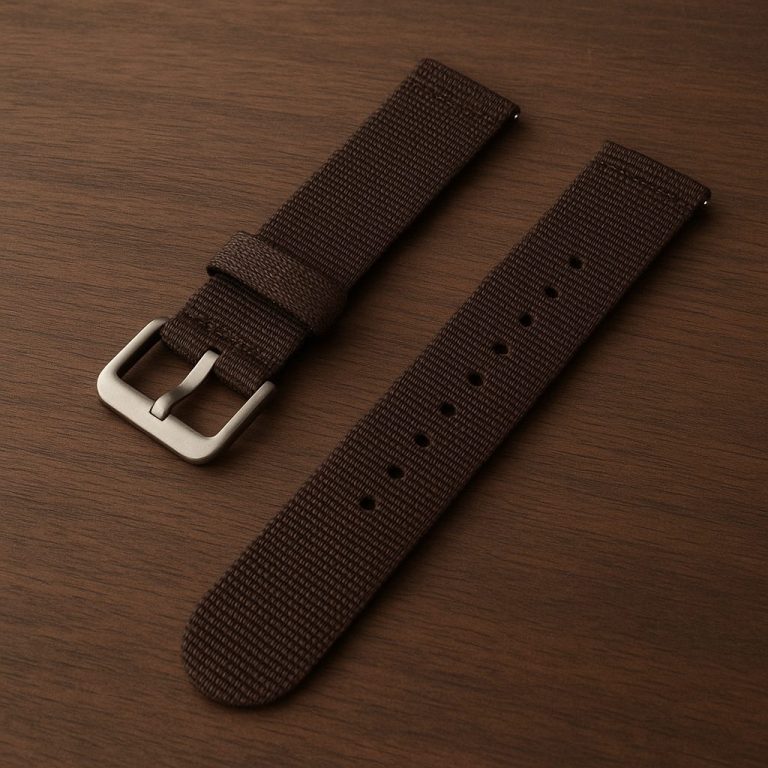
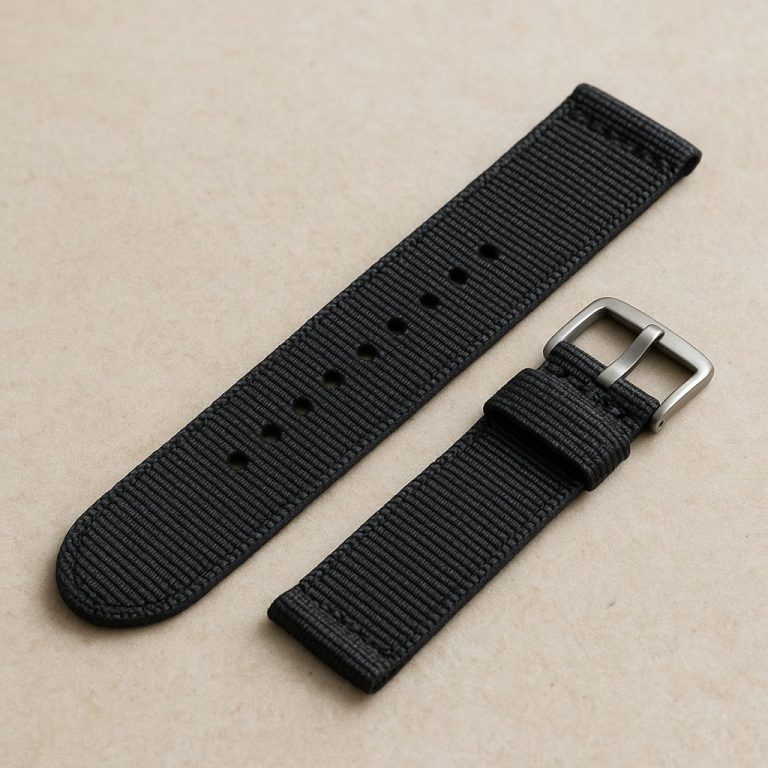
- Fabric bands—typically made from nylon or nylon blends—vary widely in thickness, weave density, elasticity, and texture. A densely woven, thick nylon strap can add visual heft, while a flat, thin, or more elastic weave can help a larger watch appear lighter and more casual. The choice of weave and thickness should match the case size and the desired visual impact on your wrist.
- Silicone bands are flexible and can be made in various thicknesses. Because they tend to be smooth and uniform, a wider silicone band can look more prominent than a similarly sized leather or fabric strap. Opt for a silicone band that doesn’t significantly exceed the width of your watch case lugs for a balanced look, especially on slimmer wrists.
When swapping bands, keep in mind that a change in material can subtly alter how wide or narrow the watch appears overall.
Watch Case Shape and Lugs: Their Influence on Proportion
The shape of the watch case and the style of the lugs—the protruding parts of the case where the band attaches—also influence how proportional a band looks. A watch with long, straight lugs can make a band seem wider, while short or downward-curved lugs can visually tighten the band’s width against the wrist. Large, angular cases or those with a lot of visual detail may need a slightly wider band for balance, while rounded or compact cases can accommodate narrower or more tapered bands without looking out of place.
Pay attention to the attachment width specified by the lugs, as this sets the maximum band width at the case. The band is usually attached using spring bars or quick-release pins, which do not affect the visual width but do determine compatibility with different bands.
Matching Band Proportion to Wrist Shape and Style
Wrist size is not the only consideration—wrist shape matters, too. Flat wrists can make a wide band look more harmonious, while rounder wrists may be better suited to bands that taper or are slightly narrower. Personal style and context also influence what looks proportional. For a formal setting, a narrower, tapered leather band may look best with a slim watch case, while for casual or sport use, a wider silicone or nylon band can look appropriate and balanced.
When trying a new band, check the proportions by viewing the watch on your wrist from a few feet away in a mirror. If the band appears to dominate or disappear, try adjusting the width or material until the watch looks like a unified part of your overall style, rather than a separate or mismatched accessory.
Key Takeaway: Proportion Is Personal and Visual
Choosing a watch band that stays visually proportional to your wrist involves more than matching measurements. Consider how band width, thickness, material, and case shape combine to create the overall look. Use the suggested width ranges as a guide, but let your own wrist size, shape, and style preferences lead your final choice. A band that looks balanced will make both the watch and your wrist appear more harmonious—and help your watch feel like a natural extension of your personal style.