What causes a watch to feel uneven on the wrist
Why a Watch May Not Sit Evenly on the Wrist
After securing a watch, some people notice that the case feels tilted, slides to one side, or shifts with wrist movement. This uneven sensation can be distracting, especially when typing, using tools, or wearing the watch for long periods. Several factors contribute to a watch feeling off-balance on the wrist, ranging from how the band fits to the shape and weight distribution of the watch itself.
Factors That Affect How a Watch Feels on the Wrist
The sensation of a watch sitting unevenly is rarely caused by a single issue. The following elements often work together to create discomfort or imbalance.
Case Weight and Shape
The design and construction of the watch case play a significant role in how the watch sits. A large or heavy case can pull the watch off-center, especially if the band is loose or flexible. Watches with thick cases, asymmetrical designs, or added features (such as crowns or pushers on one side) may naturally tilt toward the heavier side. Rectangular or tonneau-shaped cases can also feel different compared to round ones due to their larger surface area making less uniform contact with the wrist.
Band Type and Material
The material and construction of the band affect stability:
- Metal bands (commonly made from stainless steel) often provide a more even weight distribution, but if they’re not properly sized, the watch can slide or rotate on the wrist. Large metal links or a clasp that sits off-center may also contribute to imbalance.
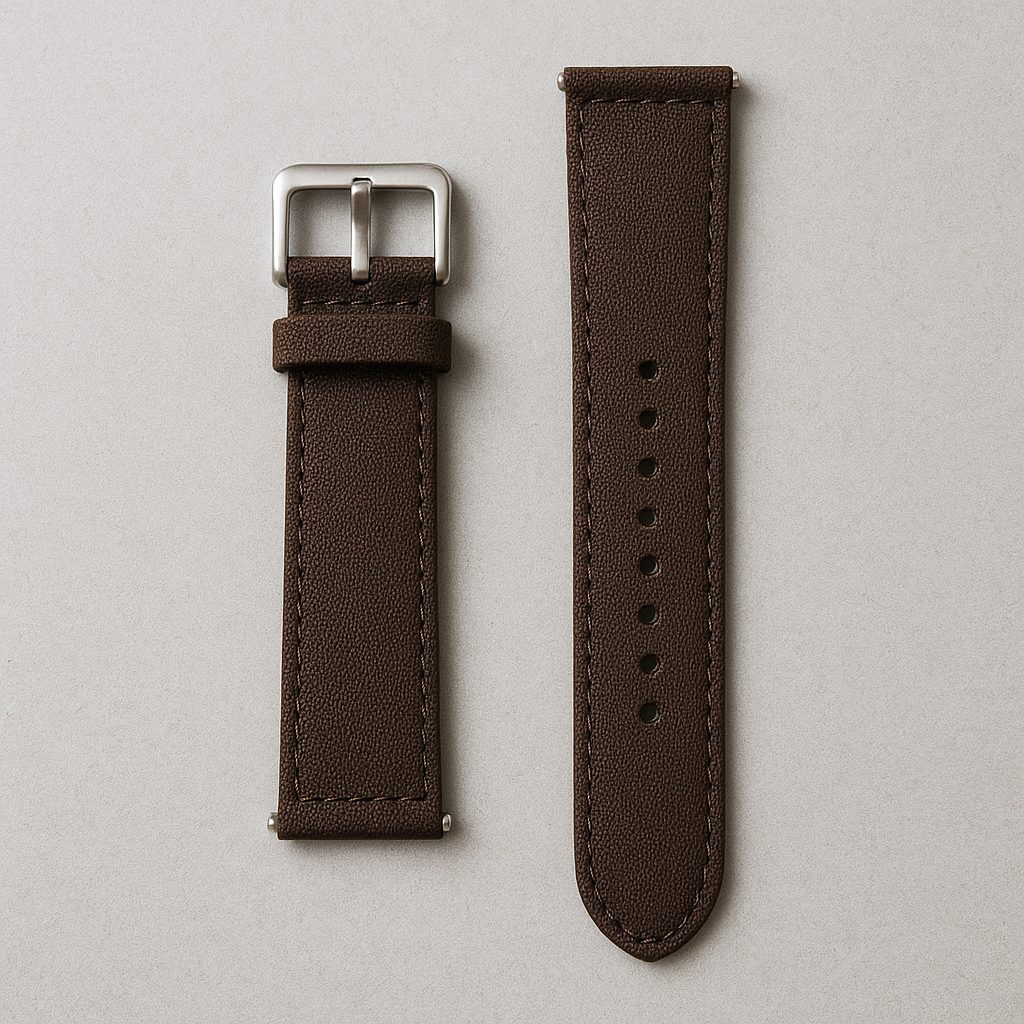
- Leather bands conform to the wrist over time, but a new, stiff leather band may not sit flat, causing the watch to tilt. If holes do not allow for a precise fit, the band may be too tight or too loose, allowing movement.
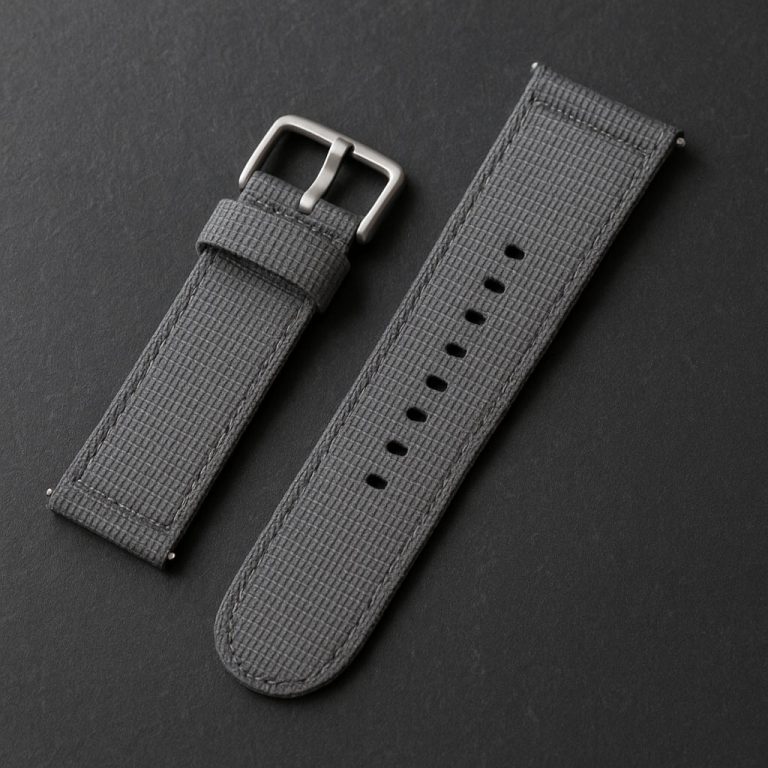
- Fabric bands, usually made from nylon or nylon blends, can vary in thickness, weave, and elasticity. A thin or loosely woven fabric band may stretch or slip, while a thicker or denser weave can provide more structure. Some fabric bands are more rigid, while others have a soft, flexible feel that can shift with wrist movement.
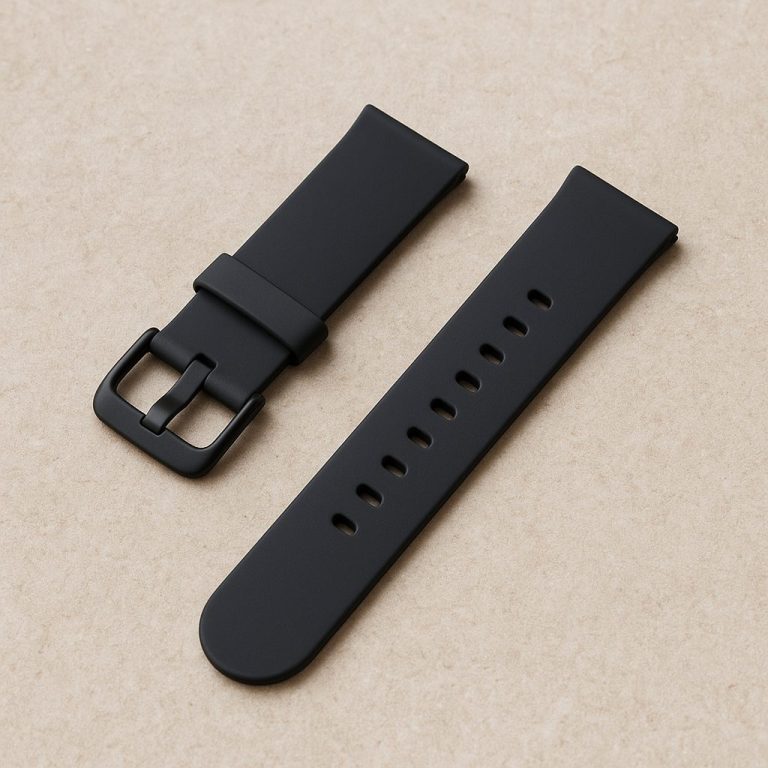
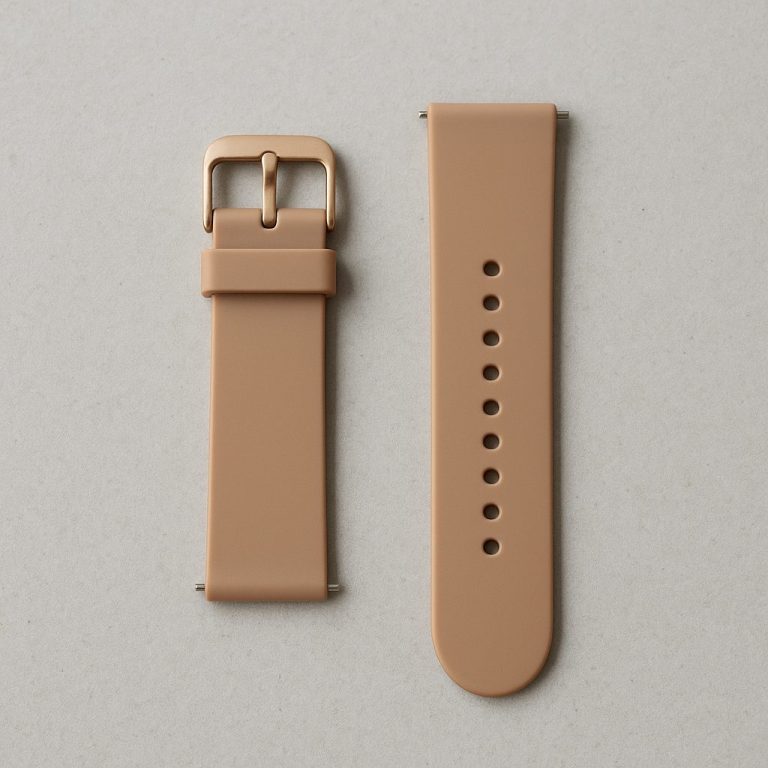
- Silicone bands are soft and flexible, often offering good grip against the skin. However, if the band is too loose or the texture is very smooth, the watch can still move or tilt, particularly with heavier cases.
Band Width and Taper
If the band is significantly narrower than the watch case, it may not provide enough support to keep the case centered. Bands that taper quickly from the lugs toward the clasp can also reduce stability, especially with larger cases.
Band Attachment and Watch Case Lugs
The way a band connects to the watch case impacts how securely it holds the watch in place. Most watches use lugs—extensions on the case—with a spring bar or quick-release pin to attach the band. If the spring bar is poorly aligned or the lugs are spaced unusually, the band may not sit flush against the case, causing the watch to shift. Some cases have curved lugs or integrate the band into the case, creating a better fit, while others use straight lugs that may leave gaps.
Wrist Shape and Size
The shape of the wrist can influence how a watch sits. Flat wrists generally provide more surface area for the case to rest on, while rounder or more tapered wrists may cause the watch to roll or tilt. People with smaller wrists might find that large or heavy watches feel especially unstable.
Band Fit and Adjustment Holes
An imprecise fit is a frequent cause of unevenness. If the band’s adjustment holes or clasp system do not allow for a snug, comfortable fit, the watch will move more than desired. Some bands, such as those with traditional buckles, offer limited fine adjustment, while others, like hook-and-loop or sliding clasp designs, allow for exact sizing.
Clasp or Buckle Placement
The position and size of the clasp or buckle can also affect balance. A large clasp that sits on the underside of the wrist may shift the watch off-center, especially on lighter watches. If the clasp is not centered, it can pull the band unevenly.
Common Combinations and Their Effects
| Watch Case Type | Band Material | Potential Imbalance Causes |
|---|---|---|
| Heavy, thick case | Loose leather band | Case rotates or tilts due to insufficient support |
| Large, rectangular case | Thin nylon band | Band stretches or slips, case sits unevenly |
| Medium round case | Unadjusted metal band | Watch slides due to excess link length |
| Light, small case | Silicone band | May stay centered if snug, but can move if too loose |
Practical Considerations
If a watch feels uneven, first check the fit of the band. Adjusting a metal bracelet by adding or removing links, or selecting a different hole on a leather or fabric band, can often resolve imbalance. For cases with unusual shapes or weight, consider bands that offer more structure, such as thicker fabric weaves or a non-tapered metal bracelet. When using a silicone band, ensure it is snug but not overly tight; the material’s flexibility helps grip the wrist but may allow movement if too loose.
Wrist shape is another key factor. Those with smaller or rounder wrists might need to experiment with case sizes and band types to find a combination that sits flat. Trying on different band materials—such as moving from a soft, thin nylon to a denser weave or a more structured leather—can reduce shifting. If the watch has prominent lugs or a mismatched band width, swapping to a band with a better fit to the case’s lug width can sometimes improve stability.
Key Outcome
A watch that feels uneven on the wrist is usually the result of a mix of case shape, weight, band material, attachment design, and wrist anatomy. Attention to the fit and compatibility between the watch and its band is the most effective way to ensure a stable, comfortable wear throughout the day.