How the weight distribution of a watch head affects band performance
When a Watch Feels Unbalanced on the Wrist
A watch that constantly shifts to the side, flips around when you move your arm, or causes noticeable discomfort during daily activities often points to an issue with weight distribution between the watch head and its band. This mismatch can make even a well-made watch feel awkward, especially during tasks that involve wrist movement, such as typing, lifting, or reaching. Recognizing how the weight of the watch head interacts with the band is key to understanding why some watches stay securely in place and feel comfortable, while others seem to fight gravity throughout the day.
What Is Watch Head Weight Distribution?
The watch head, sometimes called the case, contains the movement, dial, and other functional components. Its weight varies depending on the size, material, and design—some are slim and light, while others are large, thick, or made of dense metals. The way this weight is distributed affects how the watch sits on your wrist and how the band must perform.
A heavier or top-heavy watch head puts more strain on the band and its attachment points. If the weight is unevenly distributed (such as with oversized crowns, thick crystals, or added complications), the watch may tilt or rotate, especially if the band does not counterbalance it effectively.
Band Performance: Secure Fit and Long-Term Wear
Band performance refers to how well a watch band holds the watch head in place, maintains comfort, and withstands repeated use. The following factors directly influence band performance in relation to watch head weight:
- Grip and tension: A band must hold the watch head securely against the wrist, preventing excessive movement or slipping.
- Durability: Bands and attachment mechanisms must endure the forces generated by a heavy watch head, including sudden movements or impacts.
- Flexibility: The ability of the band to conform to the wrist and adjust under load affects both comfort and stability.
Major Watch Band Materials and Their Response to Weight Distribution
The material and construction of a watch band play a significant role in how well it manages the forces created by a heavy or unevenly distributed watch head. Here’s how the most common band types interact with different weight scenarios:
| Band Material | Typical Characteristics | Response to Heavy/Unbalanced Watch Head |
|---|---|---|
| Metal (mostly stainless steel) | Rigid, high tensile strength, limited stretch | Good support for heavy cases; weight adds balance but may cause extra bulk; secure with solid links and strong clasps |
| Leather | Flexible, moderate strength, molds to wrist over time | Comfortable but may stretch or deform under a heavy head; reinforced stitching or thicker cuts help stability |
| Fabric (nylon or blends) | Lightweight, variable weave and elasticity | Denser, thicker weaves offer better support; thin or stretchy bands may twist or slip with heavy cases |
| Silicone | Soft, flexible, non-absorbent, slightly elastic | Comfortable but can stretch under load; heavy heads may cause the band to pull or shift, especially if the band is narrow |
Metal Bands
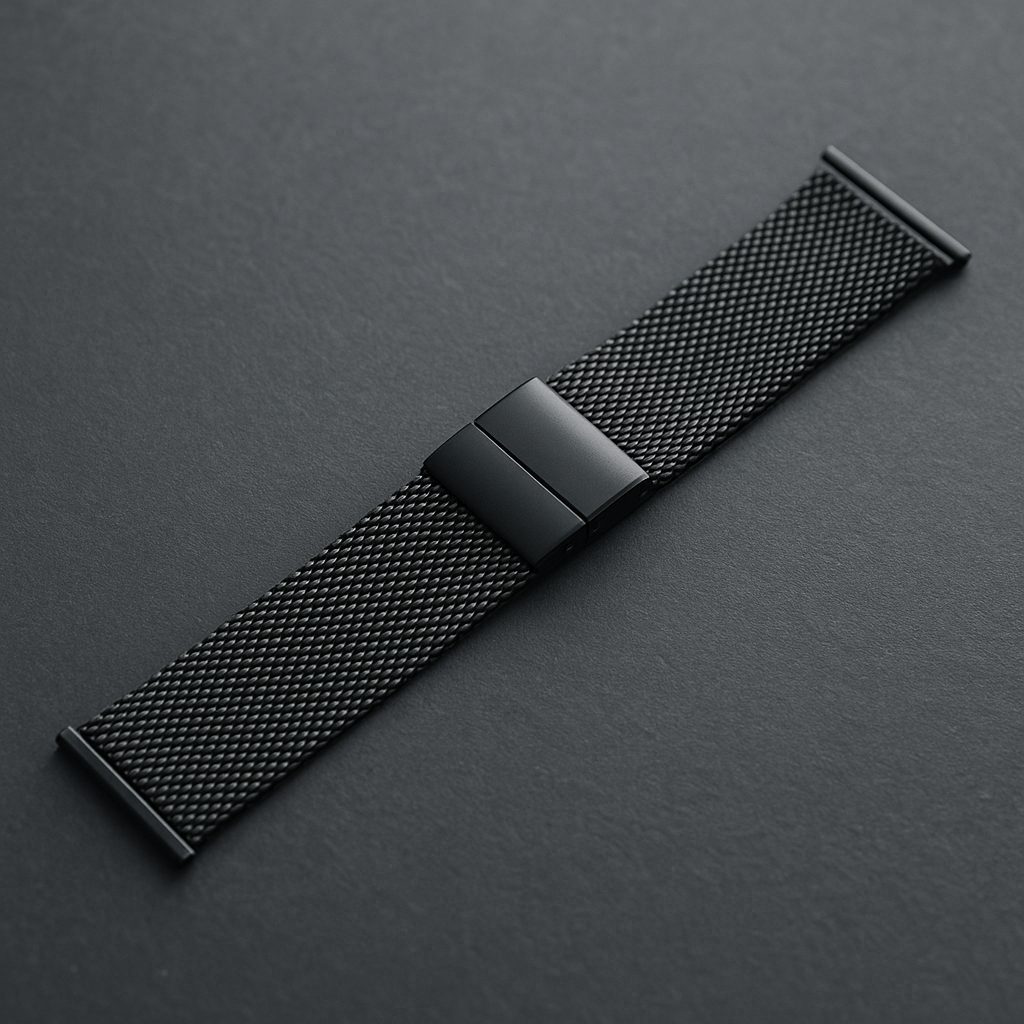
Most metal bands are made from stainless steel, chosen for its durability and resistance to corrosion. The rigidity and weight of metal bands provide stability for large or heavy watch heads, reducing the chance of the watch rotating or pulling away from the wrist. However, if the total weight (case plus band) becomes excessive, it might cause fatigue or discomfort after prolonged wear. Metal bands with solid links and robust clasps generally offer the best support for heavy watches, while folded or hollow links may introduce weakness over time.
Leather Bands
Leather bands offer flexibility and comfort but may not always provide sufficient support for a top-heavy watch head. Over time, repeated stress can cause the leather to stretch, especially near the holes or at the lugs. Thicker leather or bands with reinforcement (such as double-layer construction or added lining) can improve stability. For those who notice their watch sliding around with a leather band, switching to a wider or more robust cut of leather may help.
Fabric Bands
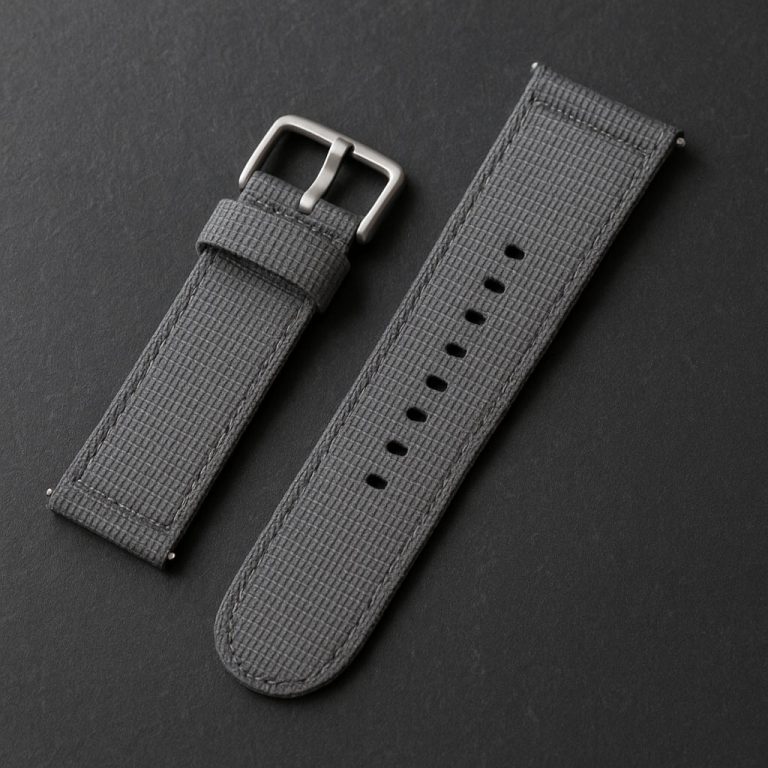
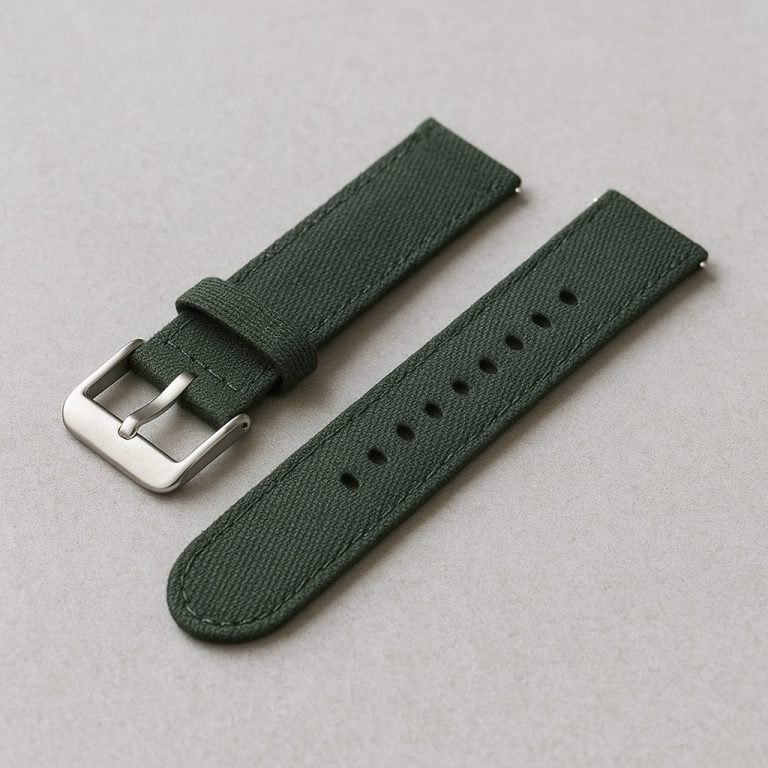
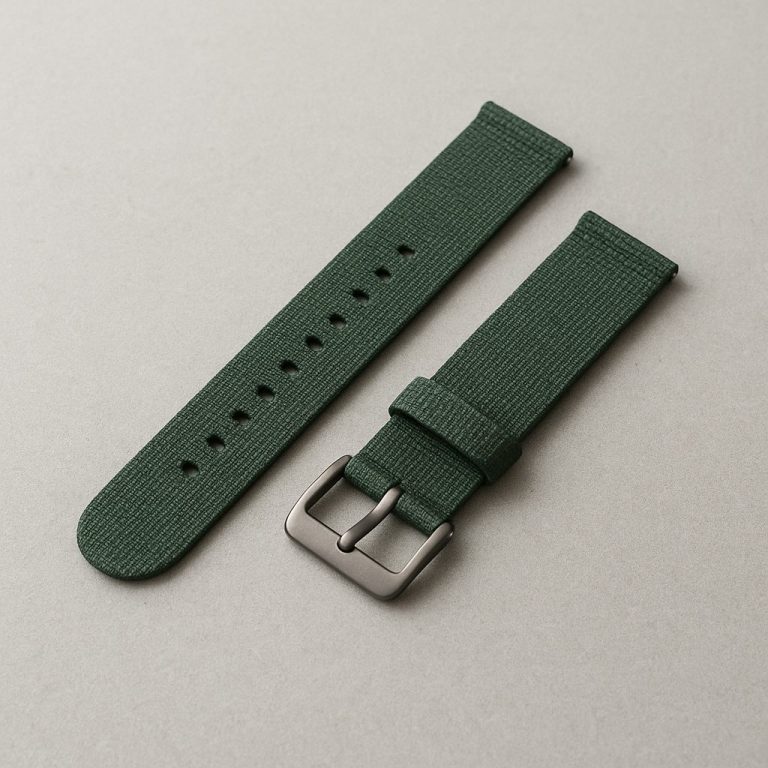
Most fabric watch bands use nylon or nylon blends, which vary in thickness, weave density, and elasticity. Tight, dense weaves deliver strong support and hold shape under load, making them suitable for heavier watch heads. Looser or more elastic weaves, while comfortable, can stretch and allow the case to shift during movement. A thick, tightly woven nylon strap generally performs better at stabilizing a heavy watch head than a thin or soft fabric band.
Silicone Bands
Silicone bands are prized for their soft, non-absorbent surface and flexibility. While this makes them comfortable, the material’s stretch can sometimes work against stability. Heavy or top-heavy watch heads may cause the silicone to deform slightly, resulting in the case shifting or tilting. Bands that are wider or thicker across the lugs provide better support compared to narrow or thin silicone bands. For those using silicone bands with a larger watch, ensuring a snug fit helps minimize unwanted movement.
Attachment Mechanisms and Watch Case Components
The way a band attaches to the watch head also influences performance under load. Most watches use lugs—protruding extensions from the case—paired with spring bars or quick-release pins to connect the band. The strength and alignment of these attachment points are critical, especially with heavier heads.
- Spring bars: Small, spring-loaded rods that secure the band to the lugs. Thicker, higher-quality spring bars withstand more force and reduce the risk of accidental release.
- Quick-release pins: Designed for easy removal, but must be well-made to handle repeated load from a heavy watch head.
If the lugs are set too close to the case or angled sharply, they can put stress on the band, potentially leading to premature wear or failure. For heavy watches, using reinforced or double spring bars can reduce the risk of accidental detachment.
Practical Considerations for Matching Band and Head Weight
When choosing or adjusting a watch band, consider where the weight of the watch head sits and how the band material responds. For example, pairing a thick, heavy watch head with a slim, flexible band often leads to the case shifting during activity. Conversely, a wide, rigid metal or reinforced nylon band can help keep a substantial watch securely anchored. Even the position of the clasp or buckle matters—a clasp that sits directly opposite the case helps balance the total weight around the wrist.
One practical tip: if you notice your watch tilting or sliding more on one side, try adjusting the band for a snugger fit. If that doesn’t resolve the issue, the band material or width may not be a good match for the watch head’s weight. Swapping to a more robust style or using a band with additional reinforcement can often solve these balance problems.
Balancing Comfort and Security with Weight Distribution
The relationship between the watch head’s weight and the band’s properties is crucial for both comfort and reliability. A well-matched combination ensures the watch stays in place, feels comfortable, and avoids premature wear on the band or attachment points. Understanding how different band materials and designs respond to varying watch head weights makes it easier to select or adjust a band that performs well in real-world situations—whether for daily wear, sports, or professional settings.