How to Prevent Metal Watch Bands from Getting Scratched and Dull
Why Metal Watch Bands Lose Their Shine and Get Scratched
Wearing a metal watch band every day often leads to visible scratches and a loss of shine over time. Even with careful use, small scuffs and general dullness can appear after weeks or months. Stainless steel is the most common material for these bands because of its strength and resistance to corrosion, but even it isn’t immune to minor abrasion from regular contact with surfaces, clothing, or other jewelry.
Common Causes of Scratches and Dullness
Metal watch bands are prone to scratches for several reasons. Understanding these causes can help you take steps to prevent them:
- Contact with hard surfaces: Accidentally brushing your wrist against door frames, tables, or countertops can scratch the band.
- Friction from clothing: Cuffs made from rough materials or tight-fitting sleeves can create fine scratches over time.
- Accumulation of dirt and dust: Small particles caught between bracelet links can act like sandpaper, especially if not cleaned regularly.
- Exposure to chemicals: Sweat, lotions, perfumes, and cleaning agents can dull the finish and, in some cases, cause discoloration.
- Storage with other items: Placing your watch in a bag, drawer, or jewelry box with coins, keys, or other metal objects increases the risk of scratches.
Practical Steps to Prevent Damage
While it’s impossible to fully eliminate wear and tear, there are several ways to minimize scratches and keep metal bands looking their best.
Remove the Watch During Risky Activities
Taking off your watch before doing activities that involve contact with hard surfaces, such as working at a desk, exercising with weights, or doing household chores, can prevent accidental scratches. If removing the watch isn’t practical, consider wearing it on your non-dominant wrist, which is often less exposed to impact.
Store the Watch Separately
When you’re not wearing your watch, store it by itself in a soft pouch, dedicated watch case, or a compartment lined with fabric. This prevents it from rubbing against keys, coins, or other jewelry. Avoid placing it face down on hard surfaces, as the bracelet and clasp can easily pick up marks this way.
Clean the Band Regularly
Regular cleaning helps prevent dullness caused by the buildup of sweat, dirt, and dust between the links. Use a soft, lint-free cloth to wipe the band after wearing. For a deeper clean, use a small, soft-bristled brush and lukewarm water with a mild soap. Rinse thoroughly and dry well with a microfiber towel. Make sure to avoid harsh chemicals or abrasive pads, as these can damage the finish.
Avoid Harsh Chemicals and Lotions
Chemicals found in perfumes, colognes, lotions, and household cleaners can react with the metal and dull its shine. Allow lotions or sprays to dry completely before putting on your watch, and wipe the band if you think it may have come into contact with any chemicals.
Be Mindful of Clothing Choices
Long sleeves made from coarse fabrics or tight cuffs can create friction against the band. Wearing looser or smoother materials, particularly around the wrists, reduces the chance of fine scratches forming from repeated contact throughout the day.
Protect the Band with a Temporary Cover
If you know you’ll be in a situation where your watch is at higher risk for scratches—such as moving furniture, gardening, or working with tools—a temporary wrap of soft cloth or a removable sleeve can provide an extra layer of protection. Be sure any cover used is clean, as trapped dirt can itself cause scratches.
Recognizing When a Metal Band Needs Attention
Regular inspection of your watch band can help catch issues before they worsen. Signs that maintenance is needed include visible scratches, a dull or uneven surface, or a rough feeling when running your finger across the links. If the band feels gritty or makes a squeaking noise, dirt or grit may be trapped inside.
Handling Different Metal Band Finishes
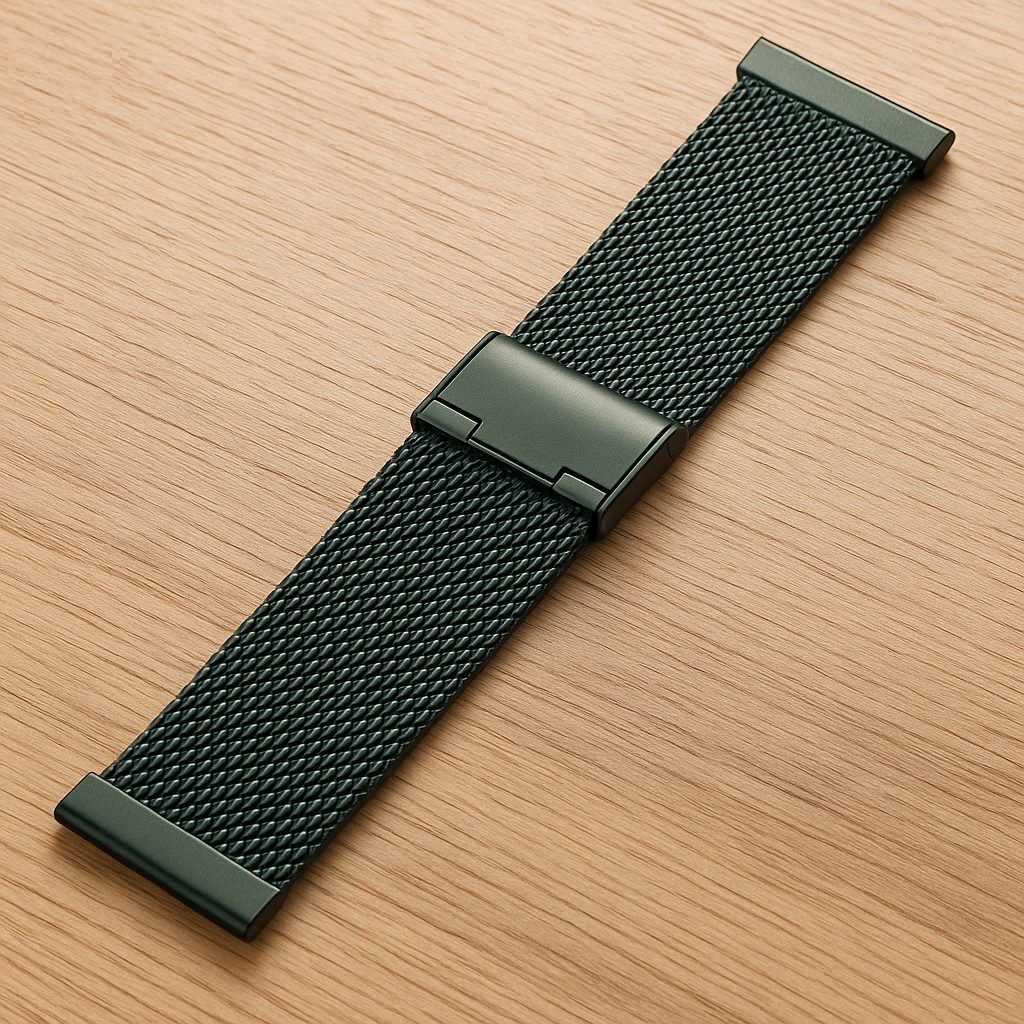
Metal watch bands can have various finishes, such as polished, brushed, or matte. Each type requires slightly different care:
| Finish Type | Care Consideration |
|---|---|
| Polished | Shows scratches more easily; clean with a soft, non-abrasive cloth to maintain shine. |
| Brushed | Fine scratches are less noticeable; avoid rubbing against the grain of the finish. |
| Matte | Can become shiny over time if polished by clothing; gentle cleaning preserves the intended look. |
Always follow the direction of the finish when wiping or cleaning to avoid creating noticeable marks.
When to Consider Professional Maintenance
If your metal watch band develops deep scratches or has lost much of its original luster, professional refinishing or polishing may be necessary. Attempting to polish a metal band at home can sometimes make scratches worse, especially if the band has a special finish. Many watch repair shops have the right tools and experience to restore the appearance without altering the original design.
Simple Habits Make a Difference
Preventing scratches and dullness on a metal watch band is mostly about daily habits. Being mindful of how and where you wear your watch, keeping it clean, and storing it properly can greatly extend the life of its finish. Stainless steel, while tough, still benefits from regular care. Adopting these practices helps keep your watch looking presentable and ensures that fine details, like polished or brushed finishes, remain visible.