How to Maintain and Store Vintage Watch Bands to Preserve Their Quality
Why Proper Watch Band Care Matters for Vintage Timepieces
Imagine inheriting a vintage watch from a family member, only to notice that the leather strap is cracking, or the metal bracelet looks dull and stiff. Watch bands are exposed to sweat, oils, and environmental factors that can accelerate aging—especially on pieces that have seen decades of use. Maintaining and storing vintage watch bands correctly is essential to preserving both their appearance and their structural integrity, allowing the watch to be worn and enjoyed for years to come.
Recognizing the Material: The First Step in Preservation
Vintage watch bands are made from a range of materials, each with its own care requirements. The most common categories are metal, leather, fabric (such as nylon or blends), and silicone. Identifying the material helps determine the best approach to cleaning and storage.
| Material | Common Issues | Basic Maintenance |
|---|---|---|
| Metal (often stainless steel) | Tarnish, stiffness, scratches, corrosion | Gentle cleaning, regular inspection, dry storage |
| Leather | Cracking, discoloration, odor, brittleness | Avoid moisture, condition occasionally, store away from light |
| Fabric (nylon or blends) | Fraying, staining, loss of elasticity | Spot clean, dry thoroughly, avoid prolonged sunlight |
| Silicone | Dust accumulation, stickiness, discoloration | Rinse with mild soap, dry fully, store in cool place |
Cleaning Vintage Watch Bands by Material
Metal Bands
Most vintage metal watch bands are made of stainless steel, valued for its durability and resistance to corrosion. However, decades of wear can leave them grimy or tarnished. Remove the band from the watch case if possible, especially if the timepiece is not water resistant. Use a soft brush (such as a toothbrush) and a solution of mild soap and lukewarm water to gently scrub away dirt, taking care to avoid soaking any non-metal components.
After cleaning, dry the band thoroughly with a soft cloth. To reduce the appearance of light scratches, a microfiber cloth can be used to gently buff the surface. Avoid abrasive cleaners or polishes, as these can remove plating on some vintage bracelets. Store metal bands in a dry, non-humid environment to prevent corrosion, especially if the watch will not be worn for extended periods.
Leather Bands
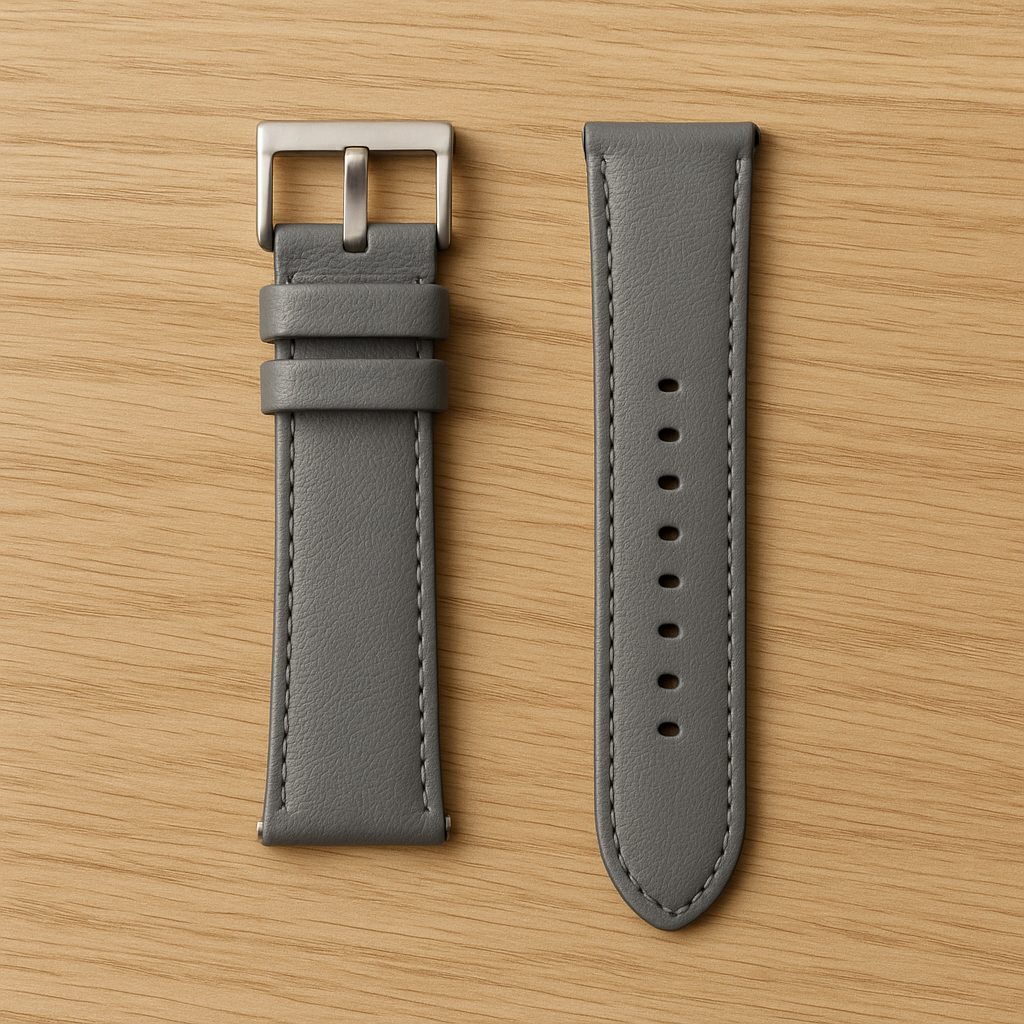
Vintage leather bands require special care because leather is sensitive to moisture, heat, and sunlight. Regularly wipe the surface with a dry, soft cloth to remove oils and dust. If the band becomes dirty, a slightly damp cloth can be used, but avoid soaking the leather. For deeper cleaning, a leather-specific cleaner may be used sparingly, followed by a leather conditioner to keep the material supple and prevent cracking. Always test any products on an inconspicuous area first, as older leather can react unpredictably.
Exposure to sweat and humidity accelerates deterioration in leather. If possible, rotate between different bands to allow each one to air out between wears. When storing, keep the leather band away from direct sunlight and sources of heat, as these will dry out the material and cause discoloration.
Fabric Bands
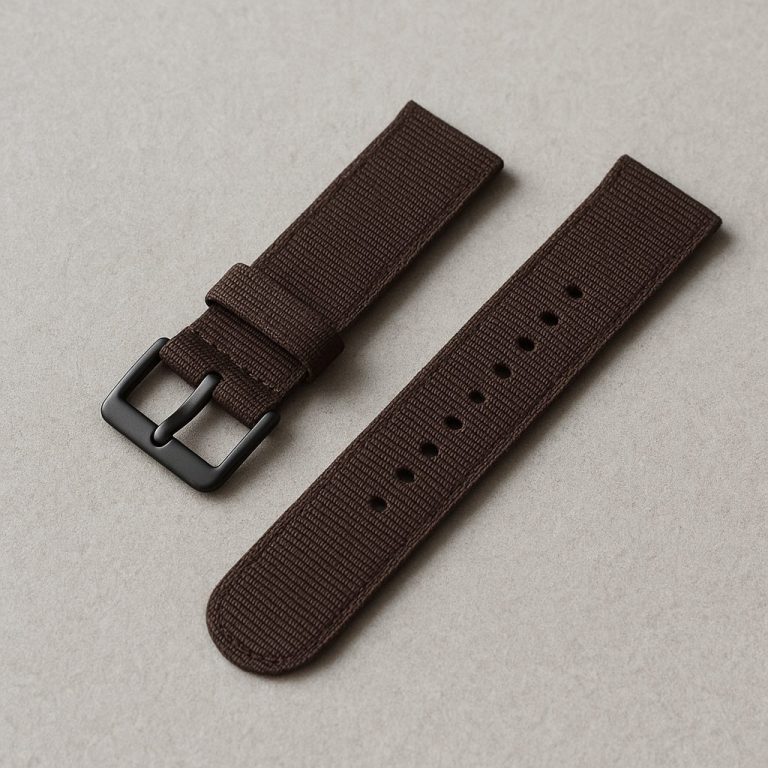
Many vintage fabric bands are made from nylon or nylon blends, offering durability and comfort. These can vary in weave density, thickness, and elasticity, which affects both appearance and how they hold up over time. To clean, detach the band from the watch case using the spring bars or quick-release pins. Hand-wash the band in cold water with a small amount of gentle soap, then rinse thoroughly. Pat dry with a towel and allow it to air dry completely; avoid using a hair dryer or placing it in direct sunlight, as this can cause fading or loss of elasticity.
If the band shows fraying along the edges or has lost its shape, consider limiting its use to preserve it as a collector’s item. Repeated washing can sometimes cause fabric bands to lose texture or become stiff, so clean only when necessary.
Silicone Bands
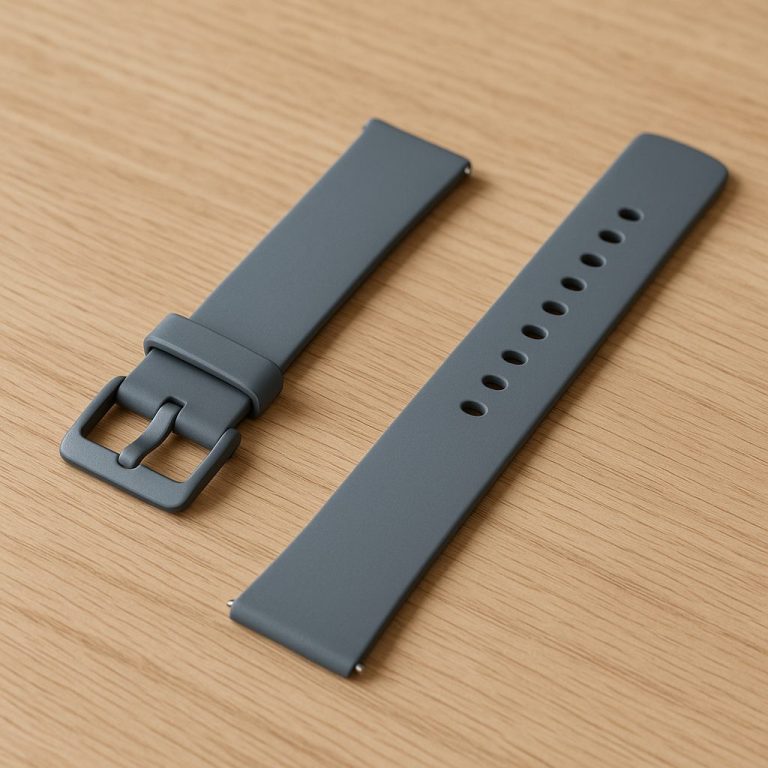
Some vintage watches, especially those designed for sports or diving, may have silicone or rubber bands. Over time, these can become sticky or attract dust. Clean with mild soap and water, then dry thoroughly. Avoid storing silicone bands in hot or brightly lit places, as extreme temperatures and UV exposure can accelerate discoloration and loss of flexibility.
Proper Storage of Vintage Watch Bands
Storing vintage watch bands properly is just as important as regular cleaning. Environmental factors like humidity, temperature, and light exposure all play a role in the aging process. Here are key pointers for each material:
- Leather: Store in a cool, dry place away from direct sunlight. Place the band in a breathable pouch or wrap it in acid-free tissue to prevent dust accumulation. Avoid plastic bags, which can trap moisture and promote mold growth.
- Metal: Store in a dry environment. Using a soft pouch or a compartmentalized watch box prevents scratches and keeps moisture at bay. If humidity is a concern, a silica gel packet can be added to absorb excess moisture.
- Fabric: Keep fabric bands in a clean, dry area. Avoid folding or creasing them, as this can cause permanent marks or weaken the fibers. Rolling the band loosely or laying it flat helps maintain its shape.
- Silicone: Store away from heat sources and direct sunlight. To prevent sticking, ensure the band is completely dry before storage.
Inspecting Bands and Attachment Mechanisms
Regular inspection helps identify problems before they worsen. Examine both the band and the attachment points connecting it to the watch case, such as lugs and spring bars or quick-release pins. Over time, spring bars can weaken or become bent, risking accidental detachment. If a band feels loose or shows excessive play, check these components and replace as needed with parts that fit the original design.
For fabric and leather bands, look for stitching that is coming undone or holes that have stretched. Metal bands should be checked for broken or missing links and secure clasps. Noticing these issues early can prevent damage to both the band and the watch itself.
Rotating and Limiting Wear
Vintage watch bands—especially those made from leather or older fabric—benefit from being rotated with other bands to reduce constant stress and exposure. For example, wearing a vintage leather band only on special occasions helps minimize wear and extends its lifetime. If a particular band is fragile or has significant collector value, consider removing it entirely and storing it safely, fitting the watch with a modern replacement for everyday use.
What to Avoid When Caring for Vintage Watch Bands
Certain cleaning methods and storage practices can do more harm than good. Avoid the following:
- Submerging leather bands in water or using household cleaners on them
- Using ultrasonic cleaners on older metal bands, especially if they have glued-in parts or fragile construction
- Storing bands in direct sunlight or near heat sources
- Leaving fabric or silicone bands damp after cleaning
- Using abrasive pads or polishes that can scratch metal finishes
Preserving Vintage Watch Bands for the Long Term
By understanding the specific needs of each material, cleaning gently, inspecting regularly, and storing carefully, vintage watch bands can be kept in excellent condition. This approach not only maintains their appearance but also ensures that these distinctive elements of vintage timepieces remain wearable and enjoyable for future generations.