Straight-End vs Curved-End Watch Bands: How They Affect Fit Against the Watch Case
How the Shape of Watch Band Ends Changes Case Fit
A watch band that doesn’t sit flush against the case can leave an awkward gap, cause the watch to shift on your wrist, or even pinch your skin. This often happens when the shape of the band’s end doesn’t match the contours of the watch’s lugs—the protruding parts of the case where the band attaches. Choosing between straight-end and curved-end watch bands has a direct impact on how seamlessly the band integrates with the case, affecting both aesthetics and comfort.
Straight-End Bands: Universal Fit and Visible Gaps
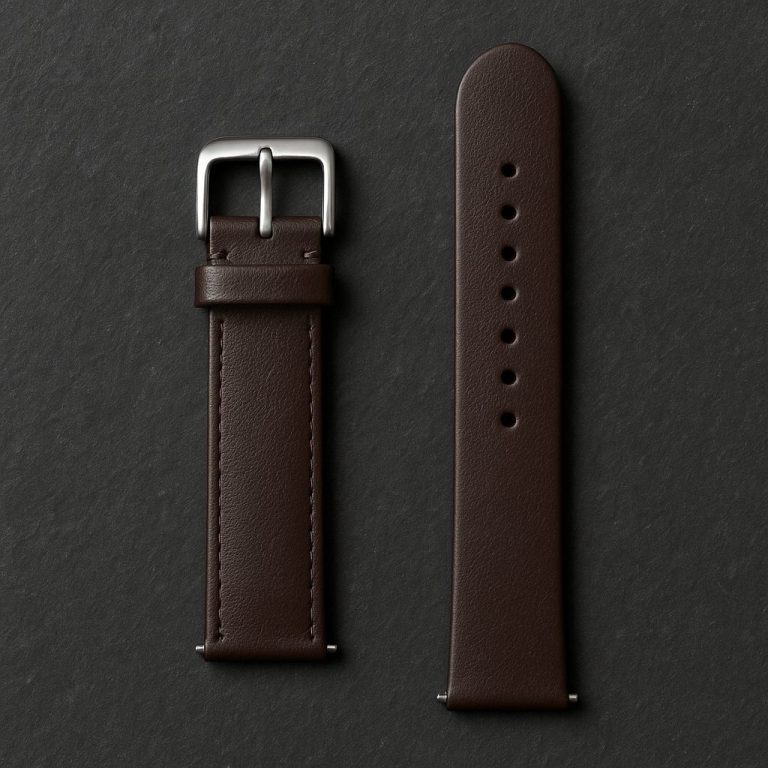
Straight-end watch bands have flat ends where they meet the watch case. This design allows them to fit a wide range of watches, since the band’s end doesn’t need to match the specific curvature of any particular case. The band attaches to the case using mechanisms like spring bars or quick-release pins that fit between the lugs.
While straight-end bands are versatile and easy to swap, they rarely sit flush against the curved surfaces of most watch cases. This often leaves a visible gap between the band and the case. On a practical level, this gap makes it easier to clean around the lugs and change straps, but it can also give the watch a less integrated appearance. For some, the gap is purely an aesthetic issue, while others may notice the band shifting or feeling less secure, especially if the lugs are unusually curved or the case is thin.
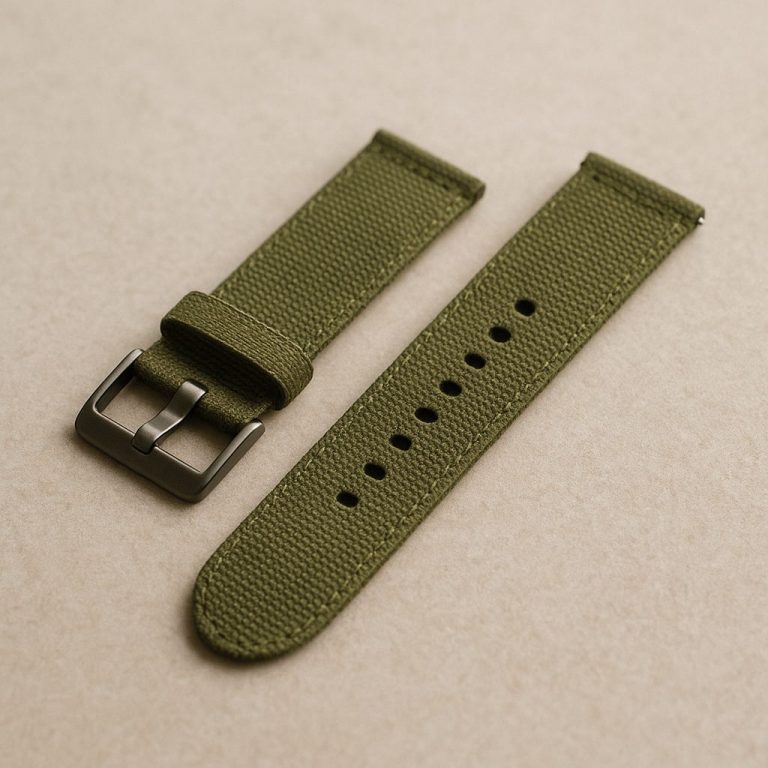
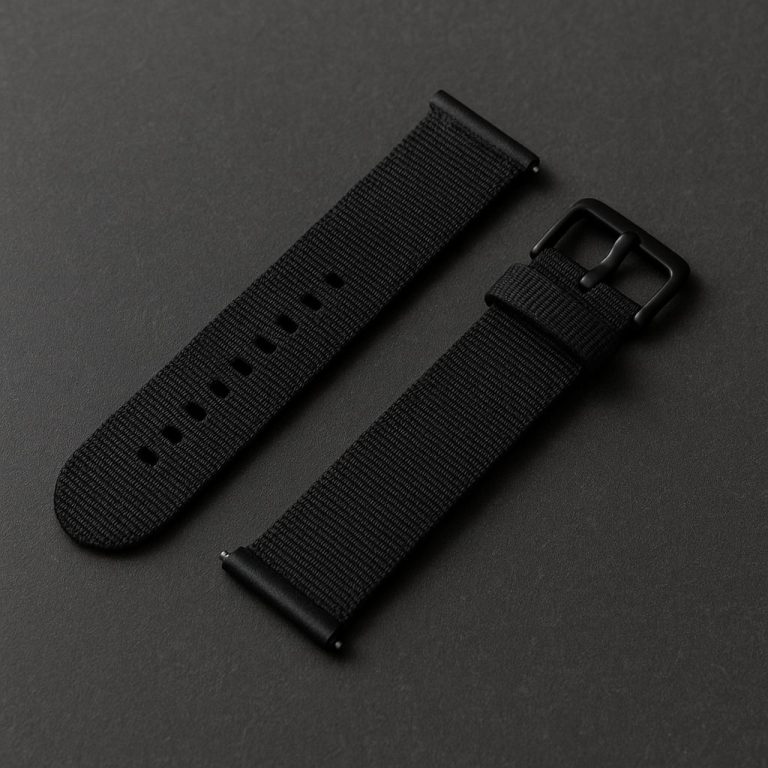
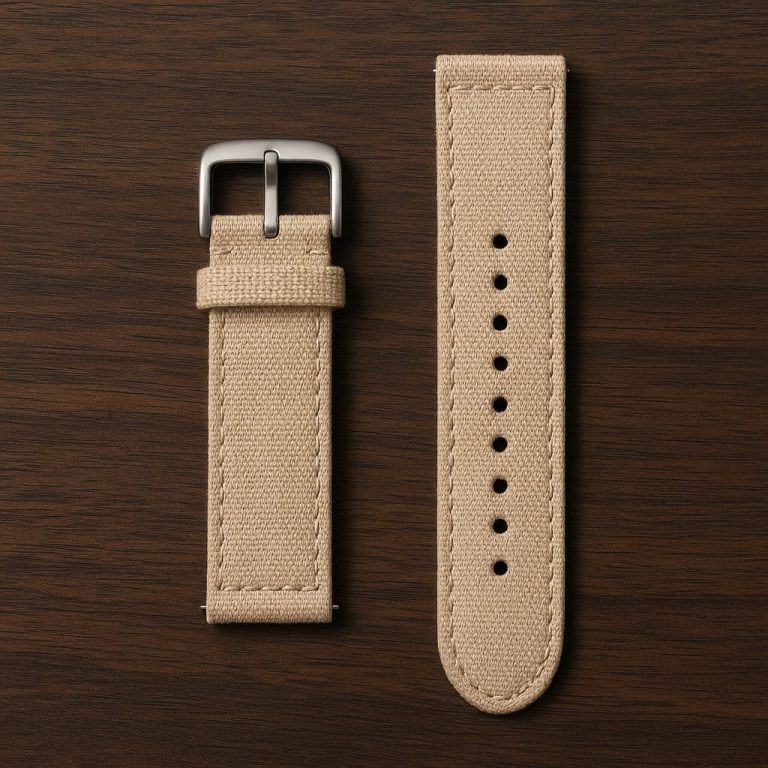
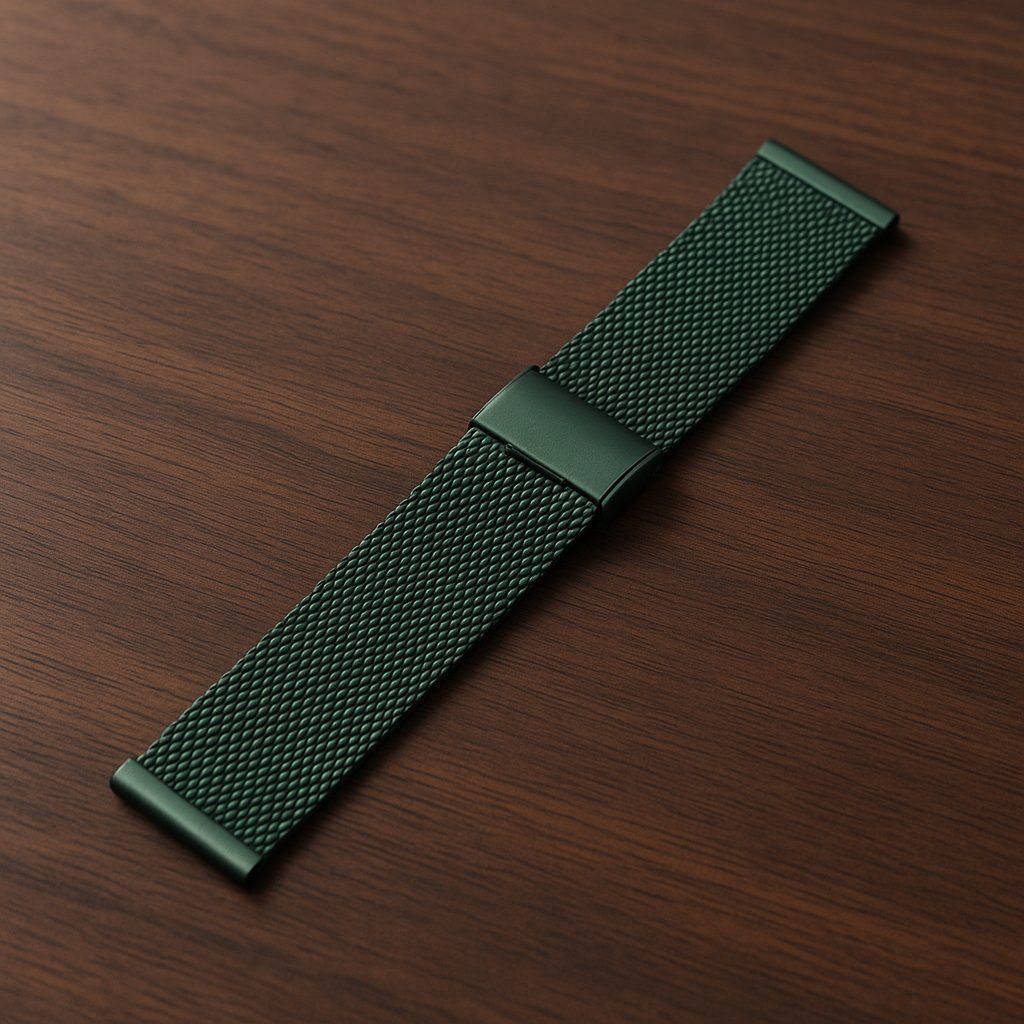
Straight-end bands are commonly found in metal bracelets (usually stainless steel), leather straps, silicone bands, and many fabric bands. In the case of fabric bands, which are often made from nylon or nylon blends, the straight-end design provides flexibility to accommodate different case shapes, with some variation in thickness or weave for durability or comfort.
Curved-End Bands: Customized Fit and Integrated Look
Curved-end watch bands are designed with a rounded or shaped end to follow the arc of the watch case between the lugs. This precise contour minimizes the gap, allowing the band to sit almost flush against the case. The result is a more unified and custom-fitted appearance, which can make the watch look purpose-built and refined.
Curved-end bands often require a closer match to the unique shape and lug spacing of the watch. This can make replacement or swapping less flexible, as a band with the wrong curvature may not fit securely or may press awkwardly against the case. The attachment still relies on spring bars or quick-release pins, but the band’s end must align precisely with the case’s contours.
Curved-end bands are frequently seen in metal bracelets (typically stainless steel for its durability and resistance to wear), as well as in premium leather and some silicone bands. They are less common in fabric bands, since the flexible nature of most nylon weaves is better suited to straight-end construction. However, some thicker or structured fabric straps may be shaped for a closer fit.
Fit, Security, and Wearability Differences
The primary differences between straight-end and curved-end bands are how they contact the case and how that affects wearing experience. Here’s a comparison to clarify:
| Feature | Straight-End Bands | Curved-End Bands |
|---|---|---|
| Case Contact | Flat against lugs; leaves a gap on curved cases | Contours match case; minimal or no gap |
| Appearance | Visible gap; less integrated look | Sleek, unified look |
| Band Swapping | Fits most watches with same lug width | Requires matching case curvature |
| Security & Movement | May shift or wiggle if gap is large | More secure, less movement |
| Material Choices | Common in metal, leather, fabric, silicone | Common in metal, leather, some silicone |
Material Considerations for End Shape
The choice between straight-end and curved-end construction is influenced by the material of the watch band. Metal bracelets, especially those made from stainless steel, are often manufactured in both styles. Stainless steel’s durability allows precise shaping for curved ends, but also supports the widespread use of straight-end links for universal compatibility.
Leather bands can be crafted with either end style. Curved ends are usually found on higher-end or custom leather straps, while most off-the-shelf leather bands use straight ends for easier fit. Leather’s flexibility helps minimize discomfort even if a slight gap is present.
Fabric bands, mainly produced from nylon or nylon blends, typically use straight ends. The pliable nature and varied weaves—from tight and smooth to more open or textured—allow them to conform to a range of cases. Thicker or more structured fabric bands may sometimes be shaped for a closer fit, though this is less common.
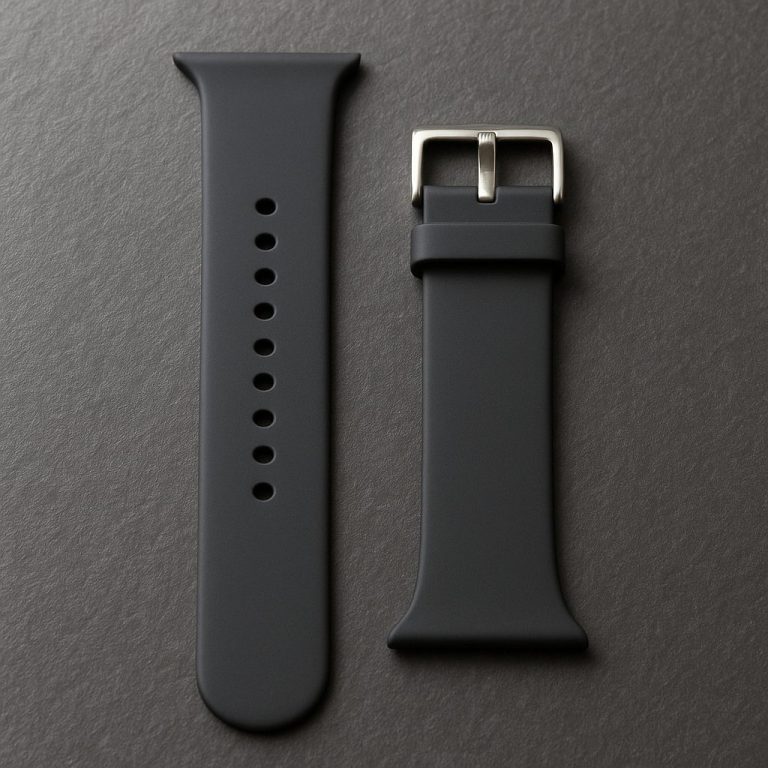
Silicone bands are available in both straight and curved-end designs. Straight ends maximize compatibility, while curved ends can give silicone bands a more tailored fit against specific cases. Due to the softness and flexibility of silicone, even straight-end versions can contour somewhat to the case with wear.
Attachment Points and Compatibility
Regardless of end shape, a watch band attaches to the case at the lugs via a mechanism such as a spring bar or quick-release pin. The lugs are the protrusions on the case that define the space and curvature for the band. Straight-end bands simply need the correct lug width to fit, while curved-end bands also require the curvature or shaping to match the case profile exactly.
If a curved-end band is paired with a mismatched case, it may not seat properly—leading to awkward gaps or even interference with the spring bar or pin. Conversely, a straight-end band will almost always attach as long as the width matches the lugs, but may not look or feel as integrated.
Practical Outcomes: Matching Band End to Watch Case
Choosing between straight-end and curved-end watch bands is primarily about balancing compatibility, appearance, and comfort. For those who regularly swap bands or prefer a universal solution, straight-end bands offer ease and flexibility, even if a slight gap remains. Those who want a more seamless, integrated look—and don’t mind the need for a more precise fit—may prefer curved-end designs. In certain situations, such as a thin watch case with prominent lugs, a curved-end band can reduce shifting and provide a more secure feel throughout the day. Understanding the difference helps ensure the band complements both the case design and your practical needs.