How daily household tasks affect watch band comfort
Everyday Chores and Their Unexpected Impact on Watch Band Comfort
Vacuuming a carpeted living room, scrubbing dishes, or folding a basket of laundry—routine household activities like these often cause a watch to shift, pinch, or even trap moisture against the skin. For anyone who wears a watch daily, the comfort of the band can change noticeably depending on the type of task and the material of the band.
How Movement and Repetition Affect Watch Band Fit
Household chores typically involve a lot of wrist movement, bending, and sometimes moisture or exposure to cleaning products. Activities like washing dishes or wiping surfaces require frequent twisting of the wrist, which can cause the band to rub or move around more than it would during periods of inactivity. Repetitive motions, especially those involving pressure on the wrist, may lead to discomfort if the band is too tight or if the material doesn’t breathe well.
For example, when scrubbing a bathtub, the wrist may flex repeatedly, causing a stiff metal bracelet to dig into the skin. Alternatively, vacuuming may lead to sweat buildup under a silicone band, which can feel sticky or slippery over time.
Material Matters: Comfort Differences During Chores
The material of a watch band plays a significant role in how comfortable it feels during household activities. Each material interacts differently with skin, moisture, and movement.
| Band Material | Common Experience During Household Tasks | Potential Issues |
|---|---|---|
| Metal (stainless steel most common) | Stays cool, can feel heavy, doesn’t absorb moisture | Pinching, hair pulling, discomfort if banged against objects |
| Leather | Soft feel, conforms to wrist, absorbs sweat and moisture | Stiffness or odor if wet, risk of staining from cleaning agents |
| Fabric (nylon or blends, various weave densities) | Lightweight, breathable, varies in stretch and texture | May trap moisture, edges can chafe with repetitive motion |
| Silicone | Flexible, water-resistant, easy to clean | Can feel sticky or cause sweating on hot days |
Metal Bands: Pinching and Impact Issues
Metal bracelets, especially those made from stainless steel, are valued for their durability and resistance to corrosion, making them resilient during most chores. However, their rigidity means that when the wrist bends or presses against hard surfaces, the edges or links may dig into the skin. This can lead to temporary red marks or mild discomfort, particularly if the bracelet is loose enough to move around or tight enough to leave little room for movement. Some bracelets with gaps between links may also catch arm hair or pinch skin during repetitive motions.
If a metal band feels uncomfortable during chores, slightly adjusting the fit to allow a bit of movement—without letting the watch slide too much—can sometimes reduce pinching. Setting the clasp to a looser position is a common adjustment that helps during active work at home.
Leather Bands: Moisture Concerns and Flexibility
Leather bands offer a soft, classic feel and generally conform to the shape of the wrist over time. However, leather readily absorbs moisture, including sweat and water from chores like dishwashing or cleaning counters. Prolonged dampness can cause leather to stiffen, develop an odor, or show stains—especially if exposed to cleaning products. For tasks involving water, it is practical to remove a watch with a leather band or ensure sleeves cover the area to reduce direct contact.
Some people notice that after a day of chores, a leather band feels stiffer or less comfortable until it dries. Storing the watch in a dry area helps restore flexibility, and occasionally wiping the band with a dry cloth after exposure to moisture can help maintain comfort.
Fabric Bands: Breathability, Absorption, and Friction
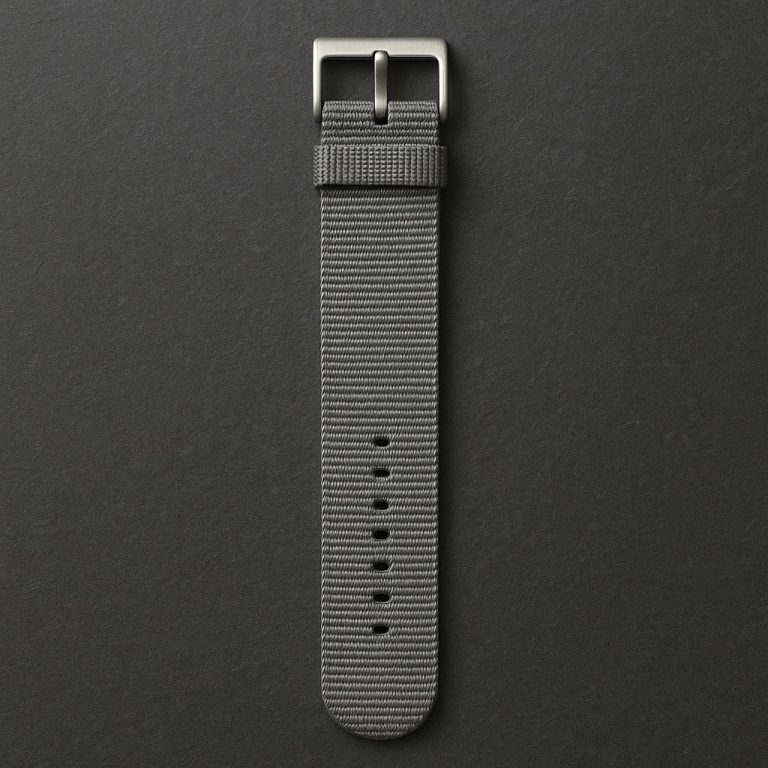
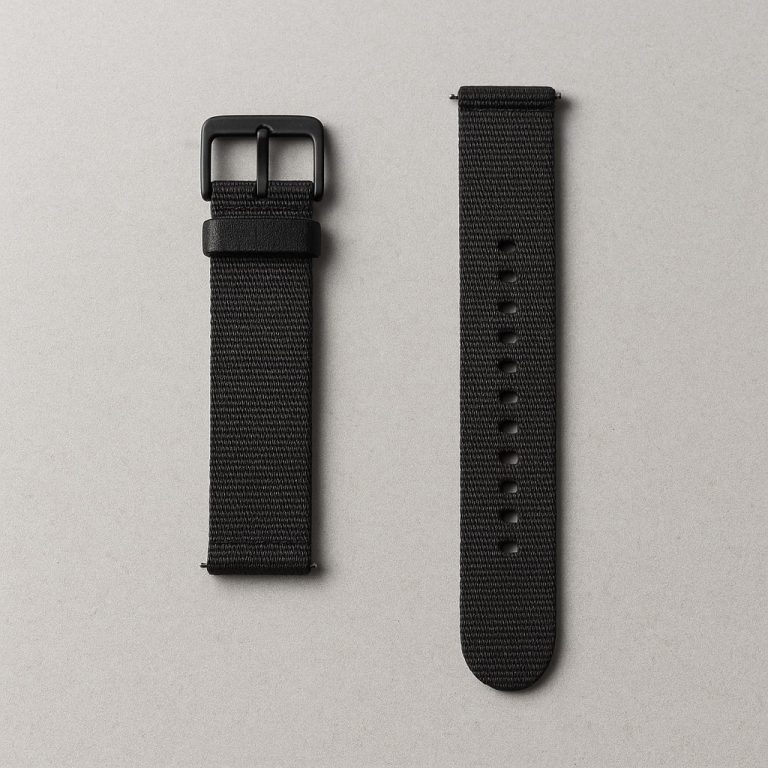
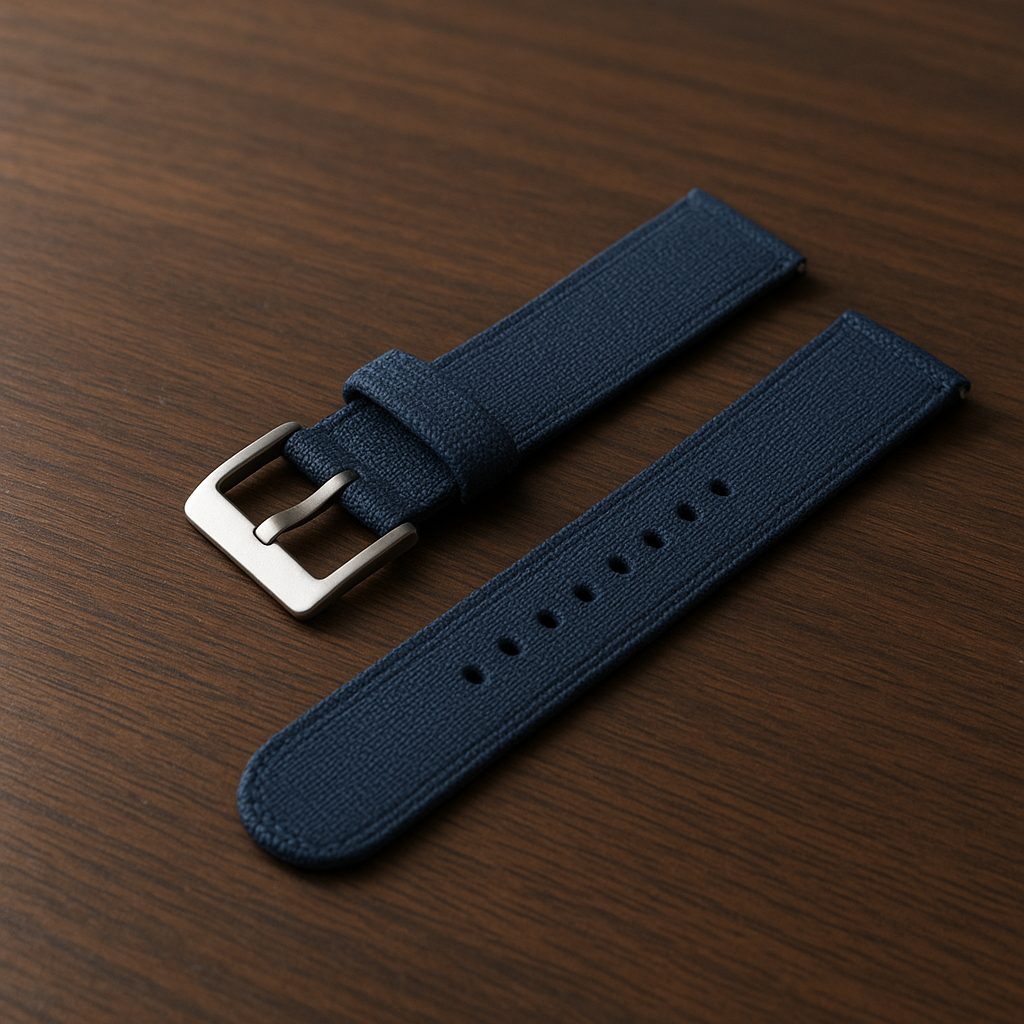
Most fabric bands are made from nylon or nylon blend materials, with variations in thickness, weave density, and stretchiness. A tightly woven nylon strap may feel smoother, while loosely woven or elastic bands offer more give. During household chores, the breathability of fabric bands is often a benefit—especially during sweaty activities. However, moisture from washing or cleaning can be absorbed into the band, leading to dampness that lingers against the skin. Over time, this may cause mild irritation, particularly if the band is thick or not fully dried between uses.
Edges of some fabric bands can also cause chafing if repetitive wrist movements press them into the skin. Choosing a band with smooth, rounded edges and moderate elasticity helps reduce this effect. For example, a lightweight, finely woven nylon strap usually dries faster and feels less abrasive than a thick, coarse one.
Silicone Bands: Water Resistance Versus Sweat and Stickiness
Silicone bands are popular for their flexibility, ease of cleaning, and water resistance. They perform well in situations where water exposure is likely, such as washing dishes or cleaning bathrooms, since they do not absorb moisture and can be wiped dry quickly. However, silicone’s water resistance also means it can trap sweat between the band and the skin, especially during long tasks or in warm environments. This can lead to a sticky or slick feeling under the band, which may be uncomfortable after extended chores.
To minimize discomfort, periodically loosening the band or briefly removing the watch allows skin to dry and air to circulate. After sweaty chores, rinsing the silicone band under water and drying it with a towel helps maintain comfort and cleanliness.
How Chores Affect Watch Band Condition and Longevity
Beyond immediate comfort, routine household tasks can affect the lifespan and appearance of a watch band. Exposure to water, sweat, cleaning agents, and friction can cause different types of wear:
- Metal bands may develop scratches or lose polish if repeatedly banged against hard surfaces.
- Leather bands can stiffen, discolor, or crack when exposed to moisture or chemicals.
- Fabric bands may develop stains, fray at the edges, or retain odors if not thoroughly dried.
- Silicone bands may accumulate residue from soaps or cleaners, requiring regular rinsing.
Regularly cleaning the band according to its material helps prevent discomfort and premature wear. For instance, wiping sweat and residue from a silicone or metal band, or air drying a fabric band after washing, can keep it feeling comfortable day-to-day.
Choosing the Right Band for Your Daily Routine
The ideal watch band for regular household tasks depends on the mix of activities and personal comfort preferences. Someone who spends much of the day cleaning or in contact with water might prioritize silicone or finely woven nylon bands for their quick-drying and easy-care qualities. Those who value classic style and comfort during low-moisture chores may prefer leather, provided moisture exposure is minimal. Metal bracelets offer durability and are suitable for tasks with less repetitive wrist bending, but may feel less comfortable for activities involving frequent impacts or pressure.
Adjusting the fit before starting chores, removing the watch for activities involving harsh chemicals, and cleaning or drying the band after heavy use are simple steps that can reduce discomfort and prolong the life of the band.
Practical Observations: Watch Band Comfort During Typical Chores
Small adjustments can make a noticeable difference in comfort during daily household work. Switching from a leather band to a breathable nylon one before cleaning, or loosening a metal bracelet when folding laundry, can prevent irritation and allow for more flexibility. Paying attention to how your wrist feels during and after chores helps identify if a particular band material or fit is causing discomfort. Over time, choosing bands that match the demands of typical at-home activities makes wearing a watch more pleasant, no matter how busy the day gets.