How changing seasons can affect watch band comfort
Noticing Discomfort: Seasonal Shifts and Watch Band Fit
After walking outside on a muggy summer afternoon, a watch band that felt snug in the morning might suddenly feel tight and sticky. In colder months, the same band could feel loose or even stiff against the skin. These seasonal changes are more than just minor annoyances—they reflect how temperature, humidity, and material properties interact to affect watch band comfort throughout the year.
How Temperature and Humidity Affect Watch Band Comfort
Changes in weather can influence both the wearer’s body and the materials used in watch bands. Skin tends to swell slightly in hot, humid conditions and contracts in the cold. At the same time, watch band materials react differently based on their composition:
- Heat and humidity can cause sweating, making bands feel sticky or slippery.
- Cold temperatures can stiffen some materials or make bands feel looser as wrists shrink.
- Moisture from rain, snow, or sweat can be absorbed or repelled, depending on the band material.
These factors combine to create noticeable changes in comfort, depending on both the season and the specific watch band in use.
Band Material Response to Seasonal Changes
The material of a watch band plays the largest role in how it responds to environmental conditions. The table below summarizes how common watch band materials are affected by seasonal changes:
| Band Material | Warm, Humid Weather | Cold, Dry Weather |
|---|---|---|
| Metal (usually stainless steel) | Can feel hot; less breathable; may cause sweat buildup | Feels cold on skin; can contract slightly, feeling tighter |
| Leather | Absorbs sweat; may become sticky or develop odors | Can stiffen or crack if not conditioned |
| Fabric (mostly nylon blends) | More breathable; may absorb sweat or moisture | Can feel rough if dry; elasticity may decrease |
| Silicone | Repels water; may trap sweat against skin | Remains flexible; usually unaffected by cold |
Metal Watch Bands
Metal watch bands, especially those made from stainless steel, are valued for their durability and corrosion resistance. In the summer, metal can heat up quickly in direct sunlight and feel uncomfortable or even burn the skin. Metal also lacks breathability, so sweat can accumulate under the links. In winter, metal bands can feel cold to the touch, and the band may tighten slightly as both the metal and the wrist contract in lower temperatures.
Leather Watch Bands
Leather bands are popular for their classic look and comfort, but they are sensitive to moisture. In hot, humid weather, leather absorbs sweat, which can lead to discomfort, odor, or even staining over time. Some people notice their leather band feeling sticky after just a few hours outside in the summer. In winter, leather can dry out and stiffen, especially if exposed to sudden temperature changes or dry indoor heating. Conditioning leather more frequently during dry months can help maintain its flexibility.
Fabric Watch Bands
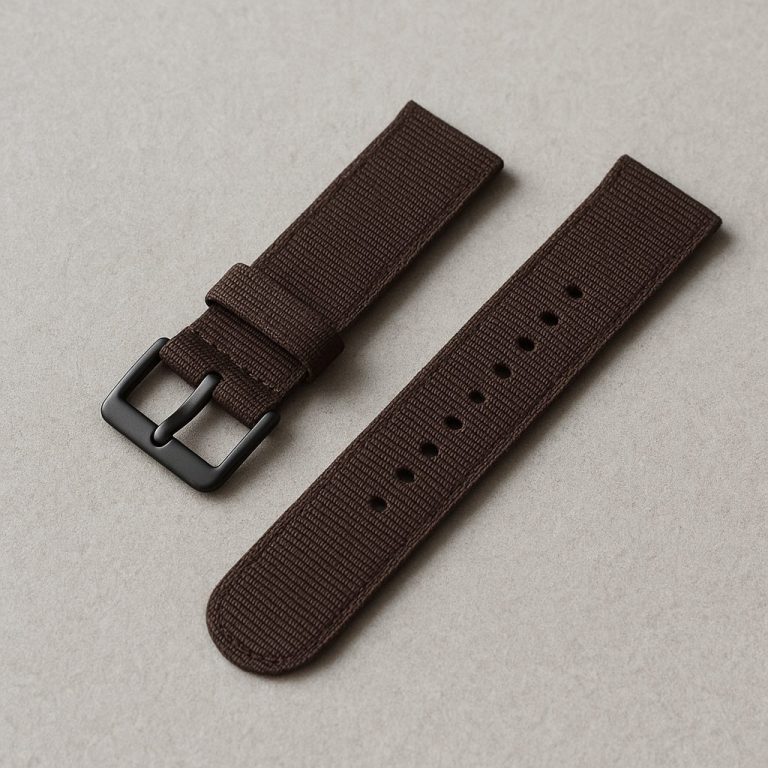
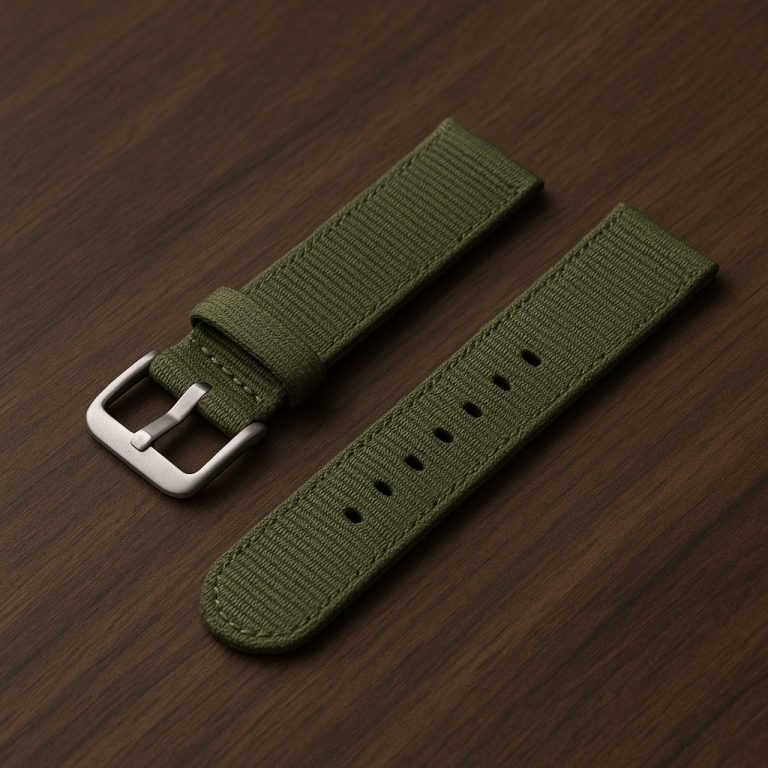
Most fabric watch bands are made from nylon or nylon blends, which offer a range of textures and thicknesses. Some use a tightly woven, smooth surface, while others are thicker or more elastic. In warm seasons, these bands are generally more breathable than leather or metal, helping to reduce sweat buildup. However, they can still absorb moisture, which may lead to a damp feeling after heavy activity or exposure to rain. In cold weather, certain tightly woven or stiff nylon bands may feel rougher against the skin, and their elasticity can decrease slightly, making them less forgiving during wrist movement.
Silicone Bands
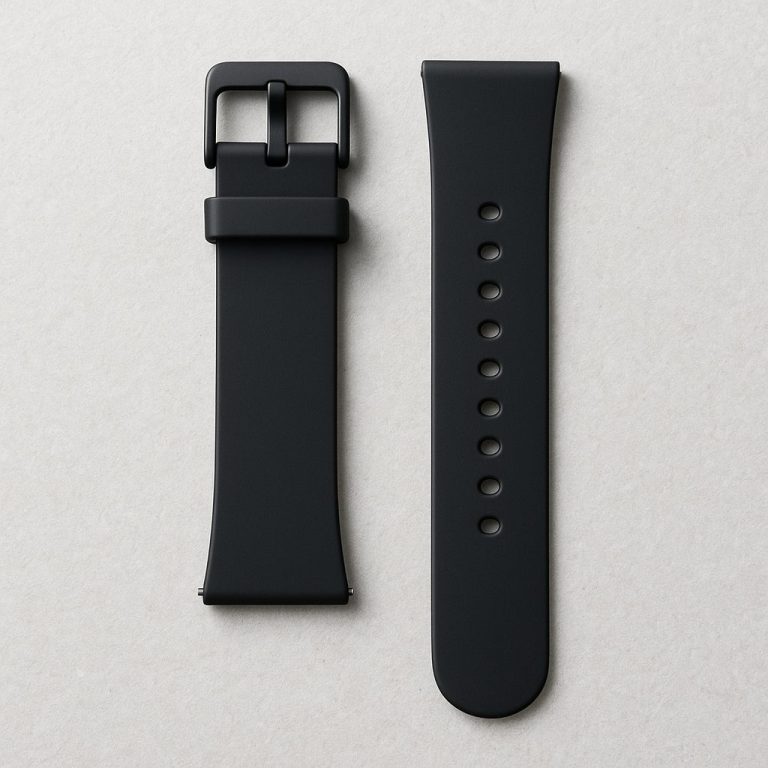
Silicone bands are popular for their water resistance and flexibility. In hot weather, silicone itself does not absorb sweat, but it can trap moisture against the skin, leading to a slippery or sticky feeling if worn tightly. Some people notice minor skin irritation or imprints from the band during humid months. In cold conditions, silicone bands generally maintain their softness and flexibility, which can make them more comfortable than some other materials when temperatures drop.
How Watch Bands Change Fit with the Seasons
Seasonal changes can cause wrists to swell or shrink, which affects how a watch band fits even if the band itself does not change size. In summer, increased blood flow and heat can make the wrist expand slightly, causing a previously loose band to feel tight. During winter, the opposite occurs, and the band may feel looser as the wrist contracts.
Some watch band designs, such as those with multiple micro-adjustment holes or quick-adjust clasps, allow for easier adaptation to these changes. Bands with stretch or elasticity, commonly found in certain fabric or silicone styles, can also help maintain comfort as wrist size fluctuates. However, fixed-length bands, especially metal bracelets without easy adjustment, may require special attention during extreme temperature shifts to avoid discomfort or circulation issues.
Practical Considerations for Year-Round Comfort
Understanding how each material responds to seasonal changes can help prevent discomfort and maintain both the watch and the band in good condition throughout the year. For example, rotating between different bands as seasons change can keep the wearing experience comfortable. In humid months, opting for breathable fabric or easily washable silicone may reduce sweat and odors. In colder months, conditioning leather bands and loosening metal bracelets slightly can prevent stiffness and tightness.
If switching bands is not practical, periodic cleaning—especially in summer—removes sweat and debris that can cause skin irritation. Simple steps, such as loosening the band by one notch during the hottest part of the day or drying a fabric band after exposure to water, can make a noticeable difference in comfort.
Seasonal Awareness for Everyday Watch Wearers
Seasonal changes can have a direct and sometimes surprising impact on the comfort of a watch band. Noticing when discomfort occurs and understanding how both your skin and the band material are reacting to current conditions can help guide small adjustments for lasting comfort. By staying aware of these subtle shifts, it’s easier to enjoy wearing your watch year-round, regardless of the weather.