How humidity affects watch band comfort during daily wear
Watch Band Discomfort in High Humidity: Everyday Effects
After a long walk outdoors on a humid afternoon, a watch band can start to feel sticky, slippery, or even irritate the skin beneath it. For those wearing a watch all day, especially during warm or damp weather, the impact of humidity on comfort becomes noticeable: sweat collects under the band, the material may chafe or hold moisture, and some bands leave marks or odors on the skin. Understanding how humidity interacts with different watch band materials helps in making daily wear more comfortable and maintaining skin health.
What Humidity Does to Watch Bands and Skin
Humidity refers to the amount of water vapor present in the air. High humidity slows down the evaporation of sweat from the skin, making it more likely for moisture to accumulate under a watch band. This combination of trapped perspiration and reduced air flow can cause several comfort issues and may even affect the longevity of both the watch band and the skin beneath.
The extent of these effects depends largely on the material of the watch band, how it interacts with moisture, and its physical construction.
Material Response to Humidity: A Closer Look
Each major category of watch band—metal, leather, fabric (usually nylon or nylon blends), and silicone—reacts differently when exposed to humid conditions. The table below outlines common comfort concerns associated with each type during daily wear in humid environments.
| Band Material | Typical Effect in Humidity | Comfort Considerations |
|---|---|---|
| Metal (mostly stainless steel) | Cool to the touch but can trap sweat against skin | May cause pinching, slipping, or marks from moisture buildup |
| Leather | Absorbs moisture; slow to dry | Feels sticky, may develop odor, prone to discomfort or skin irritation |
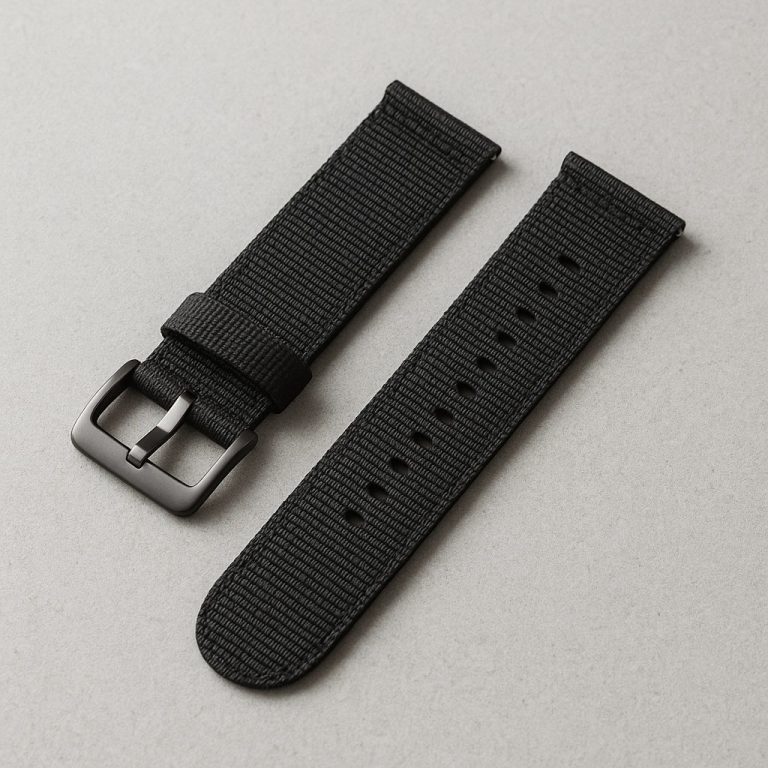
| Fabric (nylon/nylon blends) | Absorbs sweat; varies by weave and thickness | Can feel soggy or itchy, but dries faster than leather |
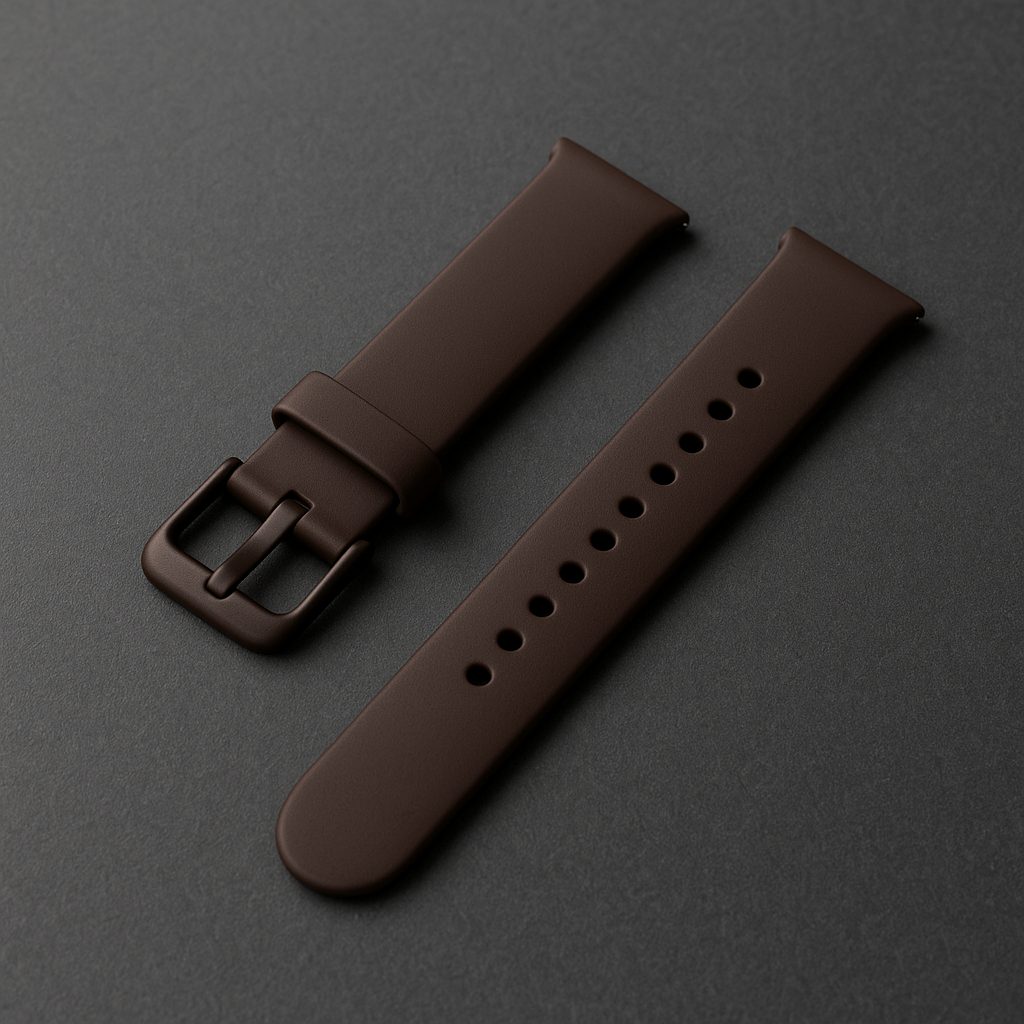
| Silicone | Non-absorbent; traps sweat against skin | Can feel slippery or cause skin to macerate if worn tightly |
Metal Bands: Stainless Steel and Moisture Trapping
Most metal watch bands are made from stainless steel, chosen for its durability and resistance to corrosion. In humid weather, the links of a metal bracelet do not absorb moisture, but they can trap sweat against the skin, especially if the fit is snug. As sweat accumulates, it may lead to a slippery feeling, skin indentations, or, in some cases, minor pinching where hair or skin gets caught between links. Regular movement during activities like typing or walking intensifies this effect as the bracelet shifts, causing friction and discomfort. Wiping the wrist and underside of the band during the day can reduce moisture buildup.
Leather Bands: Absorption and Prolonged Dampness
Leather is naturally absorbent. In humid conditions, it soaks up both atmospheric moisture and sweat from the skin. While leather initially feels soft, prolonged dampness can make it feel clammy or sticky, and it dries slowly. The absorbed moisture can cause the band to develop odor or even stiffness over time. In some cases, continued contact with damp leather may lead to skin irritation or rashes, especially if the band is worn tight or not allowed to dry thoroughly overnight.
Fabric Bands: Nylon Varieties and Sweat Management
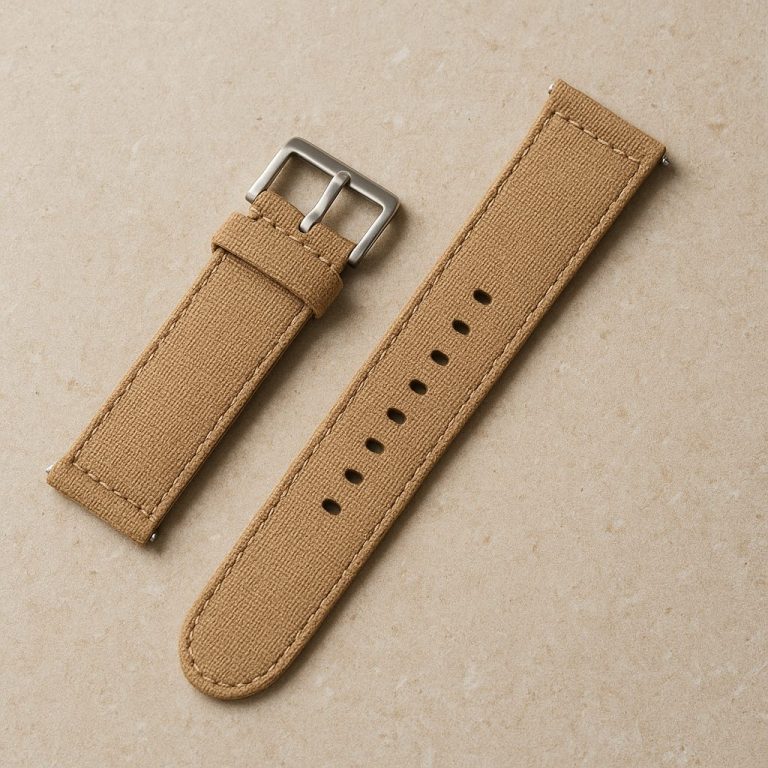
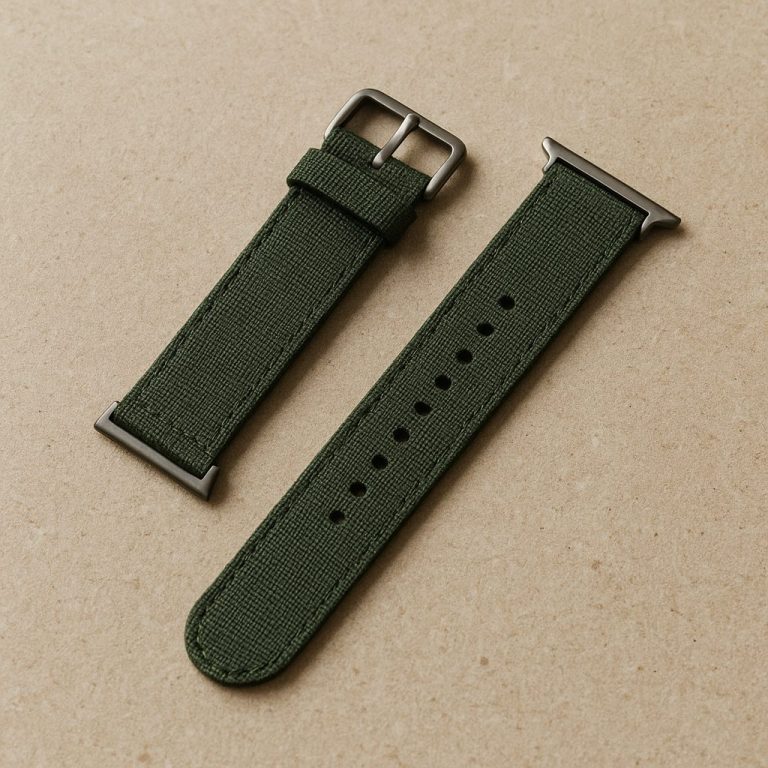
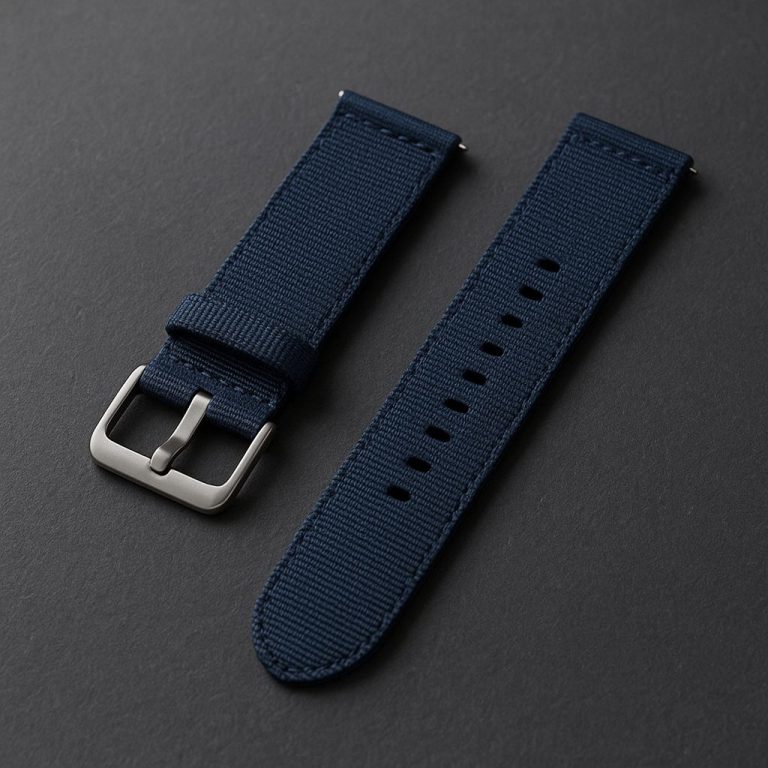
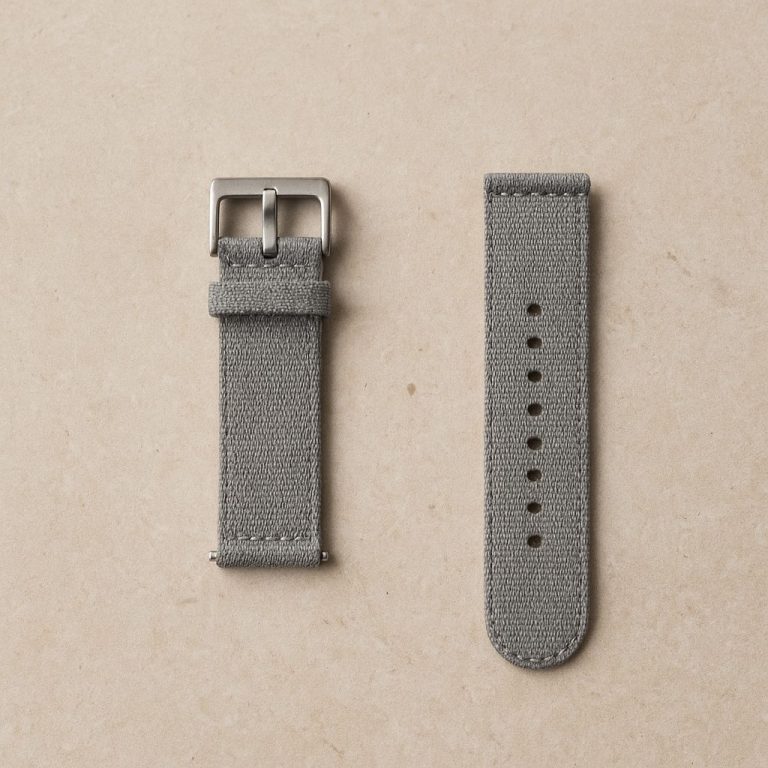
Fabric bands, mostly made from nylon or nylon blends, respond to humidity based on their weave density, thickness, and texture. A densely woven, thick nylon strap holds onto more moisture and feels heavier when wet, while a lighter weave may dry more quickly but can feel scratchy on damp skin. Elasticity and flexibility also play a role; a tightly fitted fabric band may retain more sweat beneath it. In general, fabric bands are quicker to dry than leather but can become uncomfortable if saturated, especially during intense activity or in very humid environments. Loosening the band slightly, when possible, can allow for better airflow and a drier feel.
Silicone Bands: Non-Absorbent but Not Always Breathable
Silicone bands do not absorb moisture, so sweat and humidity stay on the skin’s surface or form a thin film beneath the band. This can make the band feel slippery or cause the skin underneath to become soft and wrinkled, a condition known as maceration, if worn tightly for extended periods. The flexibility and softness of silicone provide some comfort, but the lack of breathability can be a drawback in humid conditions. Choosing a silicone band with perforations or a textured underside can help reduce this effect by allowing some air circulation.
Other Factors That Influence Comfort in Humid Conditions
In addition to material, the physical construction and fit of a watch band play a role in managing humidity-related discomfort. Bands that sit flat and tight against the skin—regardless of material—are more likely to trap sweat and reduce evaporation. Wider bands cover more skin surface, increasing the potential for irritation, while bands with vented or open designs allow better air flow.
Managing Daily Wear: Practical Approaches
Anyone who wears a watch for long stretches during humid weather can reduce discomfort by paying attention to fit, material, and daily care:
- Wipe the wrist and underside of the band periodically to remove sweat and moisture.
- Loosen the band slightly to allow more air flow, especially if skin irritation develops.
- If possible, rotate between different band materials depending on daily activity and weather conditions.
- Allow bands that absorb moisture, such as leather or fabric, to dry completely before the next wear.
For those with sensitive skin or a tendency toward irritation, choosing a band material and construction that allows for some ventilation—such as a nylon strap with a looser weave, or a perforated silicone band—can make a noticeable difference in comfort.
Staying Comfortable with Watch Bands in Humid Weather
Humidity can impact the comfort of a watch band in several ways, primarily by increasing the amount of moisture trapped between the band and the skin. Each material brings its own challenges: metal bands tend to trap sweat, leather absorbs and holds onto moisture, fabric bands vary depending on their construction, and silicone bands keep sweat on the skin’s surface. By understanding these effects and adjusting band fit and care routines, it’s possible to reduce discomfort and maintain a better wearing experience, even on the most humid days.