Why changing a watch band can solve one problem while creating another
Changing the Watch Band: Comfort and Style vs. New Challenges
A person swaps out a stiff metal bracelet for a supple leather strap, hoping to reduce wrist irritation after long hours at a desk. The result is immediate—softer, lighter, and more comfortable. Yet, within days, a new problem emerges: the leather band doesn’t fit the watch’s lugs as snugly as the original, causing the watch to shift or even rattle during movement. This scenario highlights how changing a watch band can improve one aspect, only to introduce fresh issues related to compatibility or the watch’s long-term durability.
Why Change a Watch Band in the First Place?
Swapping watch bands is often motivated by discomfort, skin sensitivity, or a desire to match the watch to a particular look or activity. Metal bands—most commonly made from stainless steel for their strength and resistance to corrosion—may feel heavy or cold, while leather, fabric, or silicone bands offer different textures and levels of flexibility. Sometimes, a watch band is changed simply because the original has worn out. Each material can solve one problem, but the swap isn’t always seamless.
New Band, New Problems: Compatibility and Fit
The most immediate challenge after a band change is compatibility. Watch cases are designed with specific attachment points, such as lugs, which require a band of a certain width and sometimes a specific thickness. Even a slight mismatch can lead to the following:
- Poor Fit: Bands that are too narrow or too thick for the lugs may slide, twist, or fail to sit flush with the case.
- Attachment Issues: Some replacement bands rely on different attachment mechanisms, such as quick-release pins or traditional spring bars. If the band’s mechanism is incompatible with the watch’s lugs, the band might not secure properly, putting the watch at risk of falling off.
- Wear and Tear: Forcing a band that’s too thick or rigid into narrow lugs can stress both the band and the watch case, increasing the likelihood of premature wear or even damage to the attachment points.
Example: Switching from Metal to Silicone
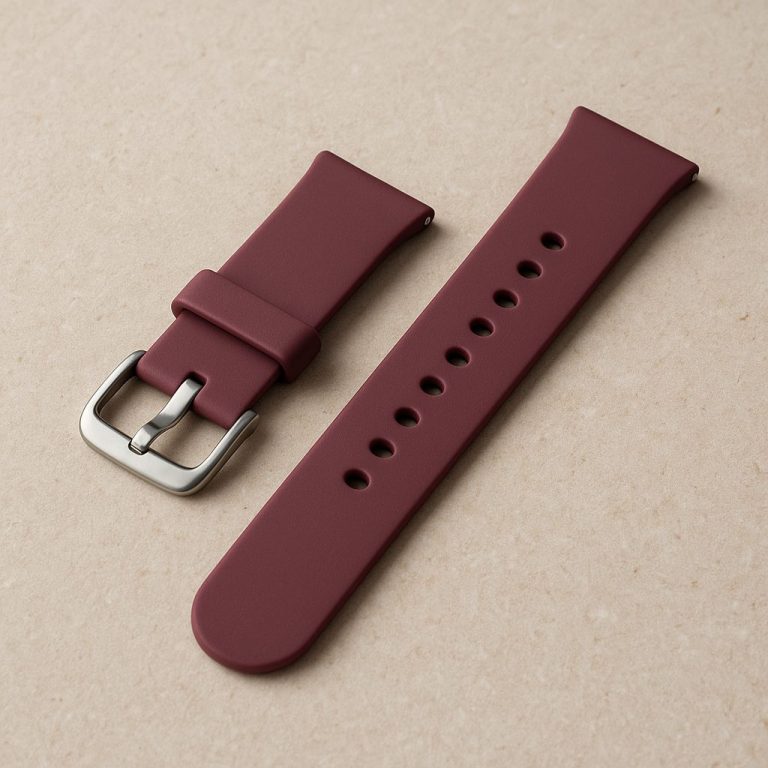
Consider replacing a stainless steel bracelet with a silicone band to make a watch more suitable for sports. Silicone bands are flexible and water-resistant, making them popular for athletic use. However, silicone is often thicker and less structured than metal or leather, potentially leading to a looser connection with the case. If the silicone band is not precisely sized, the watch may wobble, or the spring bars might experience added strain, risking failure over time.
Style Upgrades Can Affect Durability
Changing a watch band for aesthetic reasons can also have unintended consequences for the watch’s durability. For example:
- Leather Bands: While soft and stylish, leather is sensitive to moisture and can degrade quickly if exposed to sweat or water. Swapping a metal bracelet for leather may make the watch less suitable for everyday wear, especially in humid conditions.
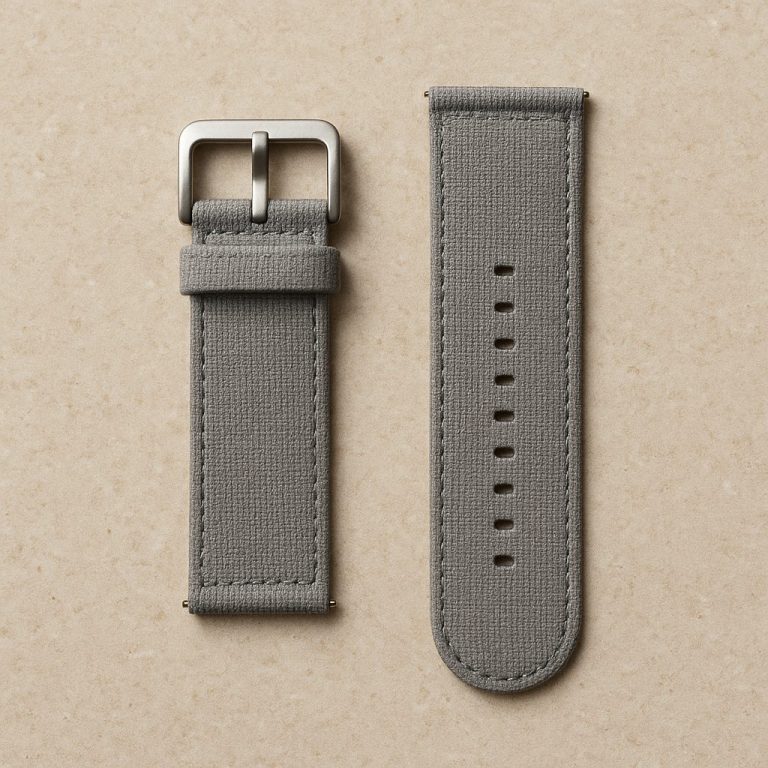
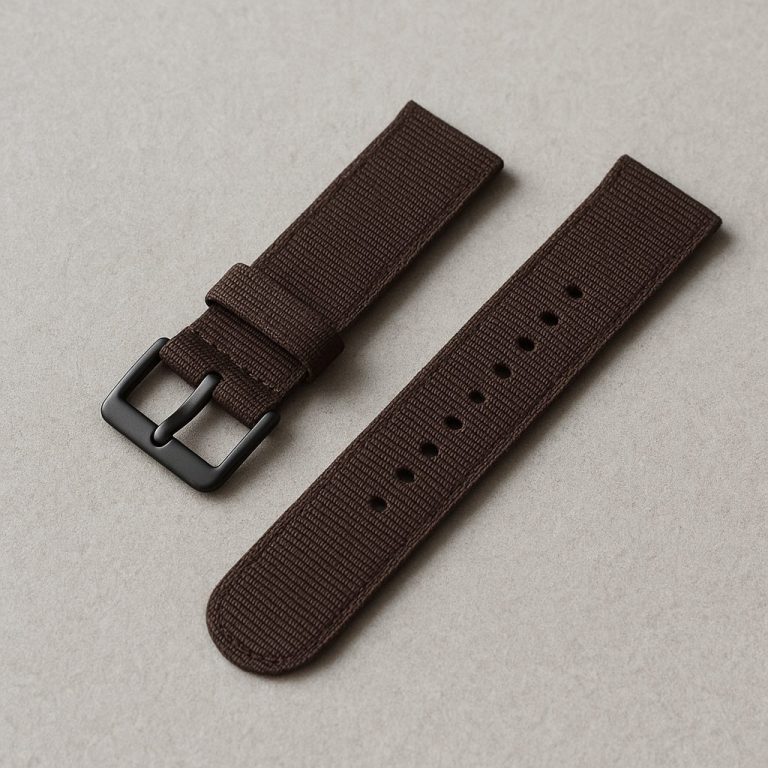
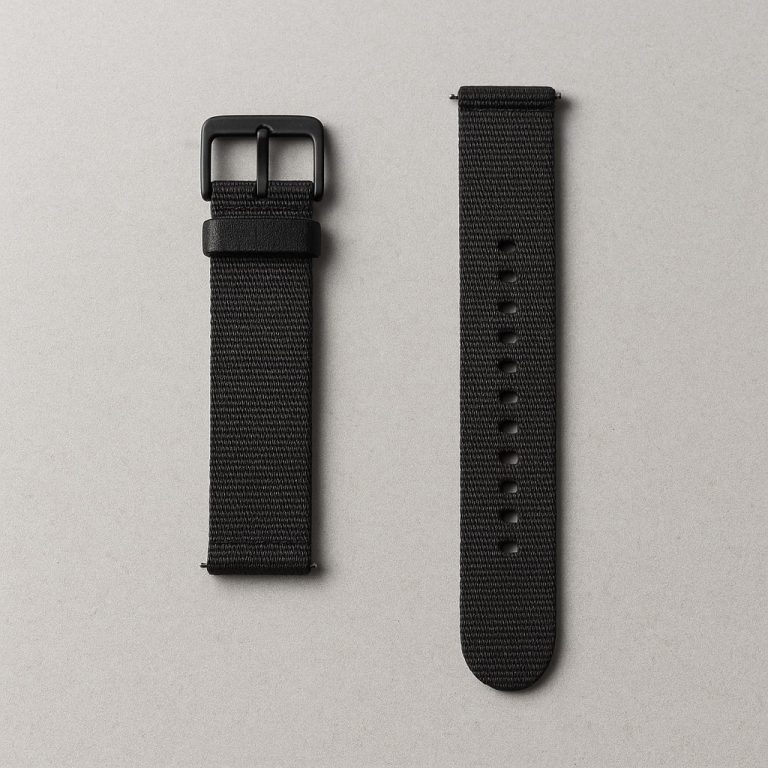
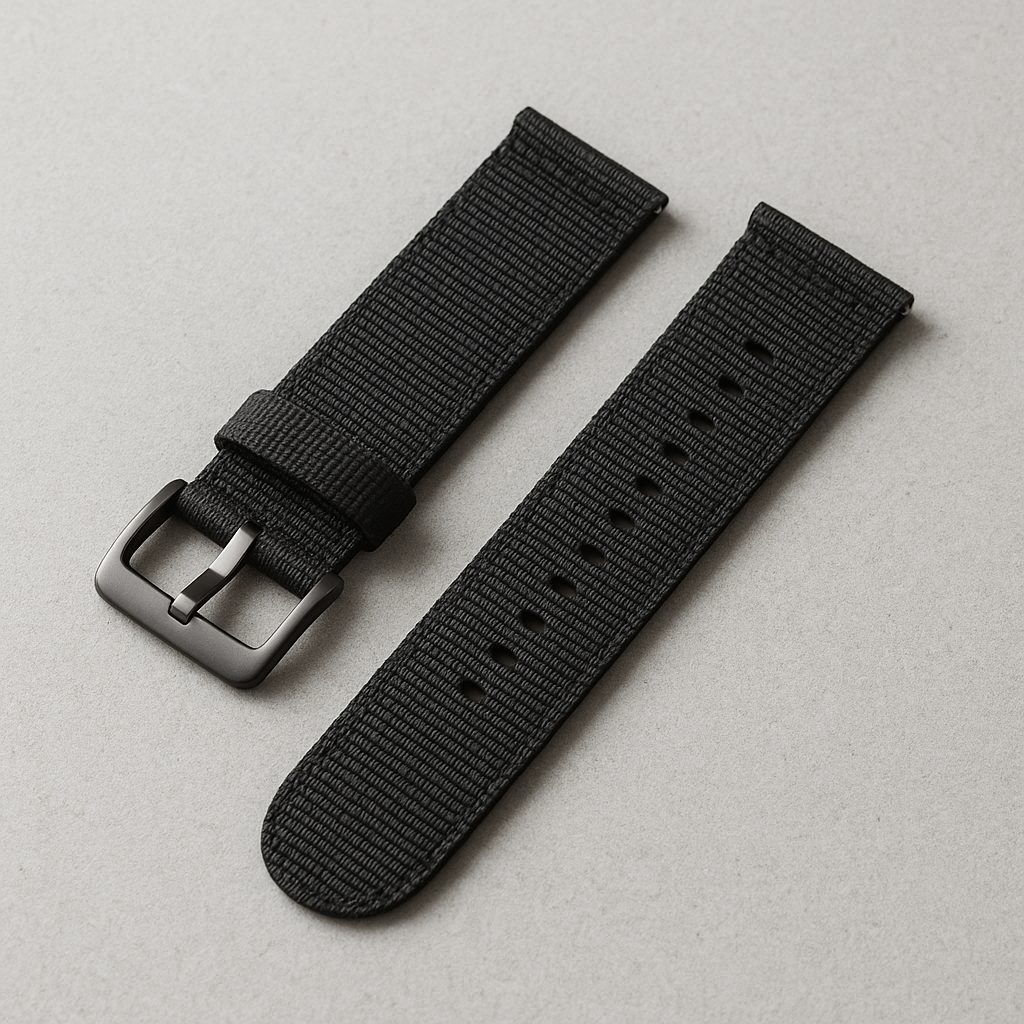
- Fabric Bands: Most fabric bands are made from nylon or nylon blends, offering a range of textures, thicknesses, and weave densities. A densely woven, thick band can appear sturdy but may trap moisture, affecting both comfort and the condition of the watch case over time.
- Metal Bands: Stainless steel bracelets are known for durability, but switching to metal from a lighter material can add weight, causing discomfort or making the watch more likely to slide around on the wrist if not fitted correctly.
- Silicone Bands: These bands are flexible and resistant to sweat, but if the attachment is not secure or the band is of low quality, it can tear at the lugs, especially if frequently removed or adjusted.
How a Simple Swap Affects the Watch’s Lifespan
Altering a watch band may inadvertently reduce the lifespan of the watch or its components. For example, repeatedly changing bands—especially if using tools that are not specifically designed for watch maintenance—can scratch the lugs or damage the spring bars. Over time, this weakens the structural integrity of the attachment points, leading to potential failure and even loss of the watch.
Additionally, bands made from softer materials like certain fabrics or low-grade leather may compress or deform where they connect to the watch, especially if they’re not reinforced. This can result in a looser fit, making the band more likely to detach unexpectedly.
Quick Table: Common Band Changes and Potential Issues
| Band Change | Problem Solved | Potential New Issue |
|---|---|---|
| Metal to Leather | Increased comfort, lighter weight | Reduced water resistance, less secure fit |
| Leather to Silicone | Better sweat resistance | Possible loose fit, strain on attachment |
| Fabric (nylon) to Metal | More durable, classic look | Heavier, can cause slipping |
| Silicone to Fabric (nylon blend) | Softer feel, breathable | Absorbs sweat, wears faster |
What to Watch Out for Before Changing Bands
Before switching bands, it’s important to check the width and thickness of both the replacement band and the watch lugs. If possible, inspect the attachment mechanism—such as spring bars or quick-release pins—to ensure compatibility. For those sensitive to moisture, consider how a new band’s material will handle sweat or water. When selecting a fabric band, note that nylon and nylon blends can vary in weave density and texture, affecting both comfort and how securely the band stays attached to the case.
Using appropriate tools and gentle technique during installation can help avoid damage. Even then, it’s essential to periodically inspect the connection points for signs of wear, especially after changing bands multiple times.
Balancing Comfort and Risk When Swapping Watch Bands
Changing a watch band can dramatically improve comfort and style, but it’s rarely a risk-free adjustment. A more comfortable or more attractive band may not fit as securely, or it might reduce the watch’s resilience to daily wear and tear. Checking for compatibility, understanding how different materials interact with the watch case, and monitoring for signs of strain or damage can help avoid trading one problem for another. The best outcome comes from considering both the benefits and the potential drawbacks before making the change.