Why first impressions of a watch band can change with daily use
When a Watch Band Feels Different After Weeks of Wear
Slipping on a new watch band for the first time can feel like a revelation or, sometimes, a disappointment. The strap might seem stiff, uncomfortable, or out of sync with your daily routine. Yet after several days or weeks of regular use, the band may feel entirely different—softer, more comfortable, or even less impressive than it did at first. This shift in perception isn’t just imagination; it often reflects how materials interact with the skin and respond to real-life use.
How Initial Impressions Form
The first time a watch band is worn, it presents itself in its factory condition. Materials have not yet adapted to the contours of the wrist, and the strap’s texture, flexibility, and fit are at their most “new.” Early impressions are shaped by several factors:
- Material Stiffness: Some materials, especially leather and certain metal bracelets, are initially rigid.
- Surface Texture: Factory finishes can feel slick, rough, or even sticky depending on the material.
- Fit and Adjustment: Holes, clasps, or links may not perfectly match the wrist right away, leading to tightness or looseness.
- Skin Sensitivity: First contact with a new material can trigger reactions, from minor irritation to mild warmth or coolness.
These early reactions can strongly influence whether a band seems like a good match. Yet as the band is worn, subtle changes begin to shape a new experience.
Material Transformations With Daily Wear
Each type of watch band material undergoes its own transformation as it is worn day after day. Understanding these changes helps explain why first impressions may not last.
Leather Bands: Breaking In and Patina
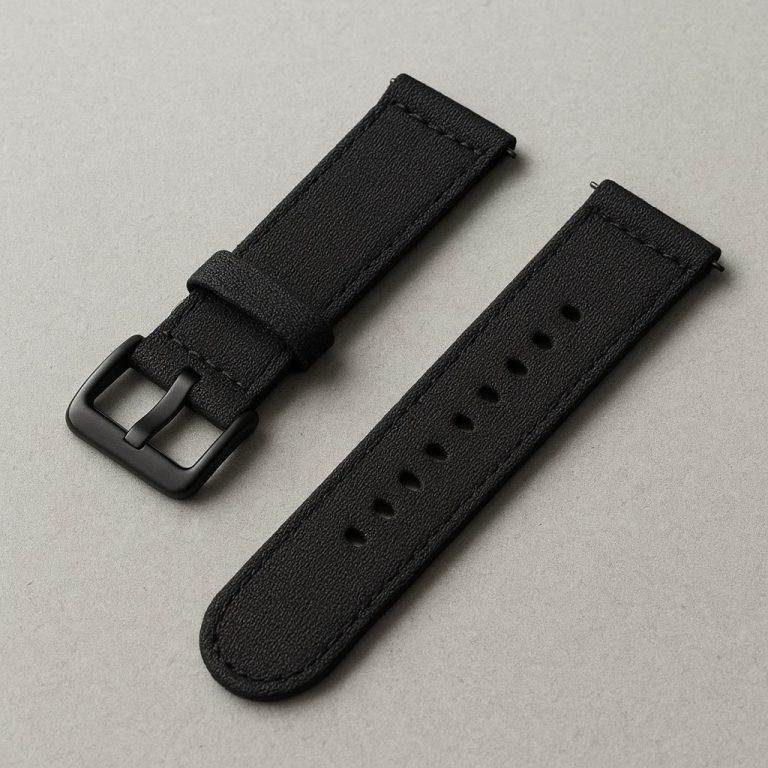
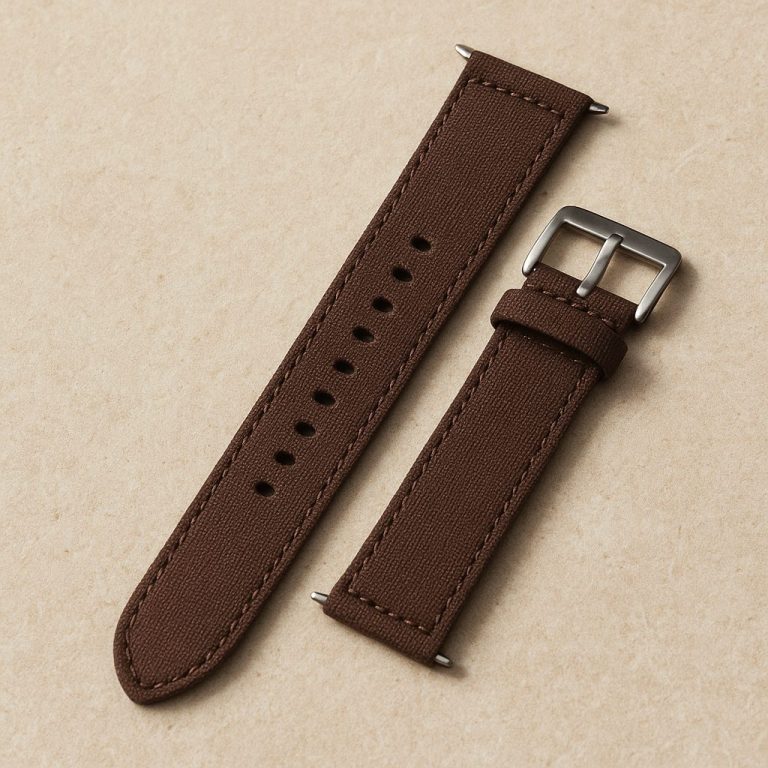
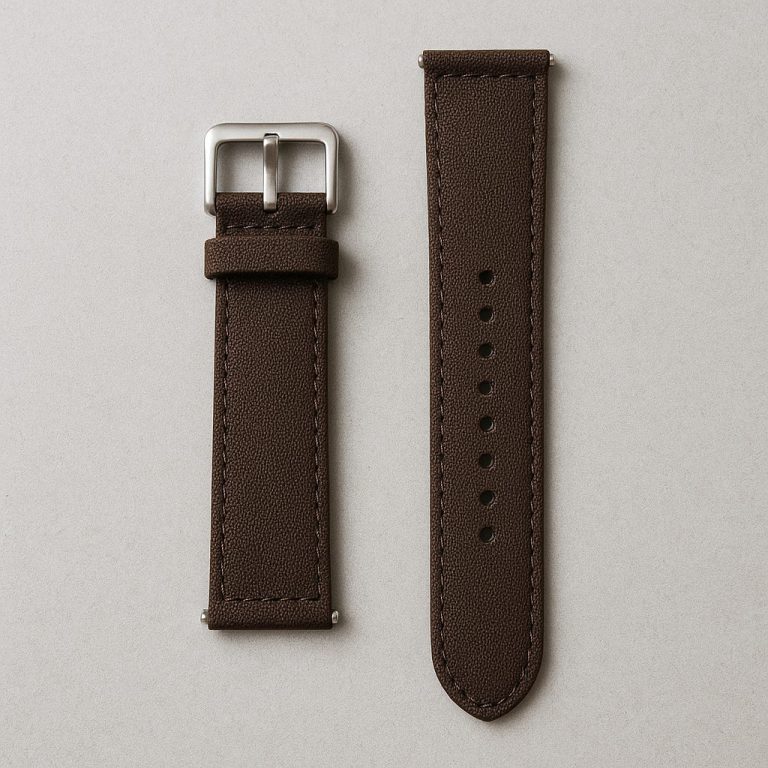
Leather bands are especially known for evolving with regular use. Initially, a leather strap can feel stiff, even restrictive. With time and exposure to body heat, moisture, and movement, the leather softens and molds to the wrist. This process, often called “breaking in,” can make the band feel significantly more comfortable after just a week or two.
Another change is the development of a patina. Oils from the skin and environmental exposure give leather a darker, richer appearance. While some appreciate this character, others might dislike the visible marks or color changes that develop. Early impressions of a pristine, smooth leather band may shift as the strap takes on a more lived-in look and feel.
Metal Bands: Adapting to Movement and Skin
Stainless steel is the most common material for metal watch bands, valued for its durability and resistance to corrosion. Out of the box, a metal bracelet might feel cold, heavy, or awkward, especially if the links are not yet sized correctly. As the links are adjusted to fit the wrist and the band spends more time in contact with skin, several things happen:
- The metal warms up, reducing the initial cold feeling against the skin.
- Micro-movements between links become smoother, lessening the chance of hair pulling or pinching.
- The bracelet may loosen slightly as pins and links settle, changing the feel of the fit.
The initial impression of bulk or discomfort often gives way to a sense of the band “disappearing” on the wrist after it has been worn for days or weeks.
Fabric Bands: Flexibility and Texture Changes
Most fabric watch bands are made from nylon or nylon blends. The feel of a new fabric band can vary widely depending on weave density, thickness, and elasticity. A densely woven nylon strap may seem stiff or abrasive at first, while a stretchier, looser weave might feel soft but less secure. Over time, fabric bands generally become more pliable as the fibers relax from repeated bending and exposure to sweat or washing.
The texture can also change. A strap that initially feels smooth might develop a fuzzier surface, while some bands may stretch slightly, affecting the snugness of the fit. This can make a strap that felt too tight or rough at first become much more comfortable—or, in some cases, feel less supportive than it did when new.
Silicone Bands: Surface and Odor Evolution
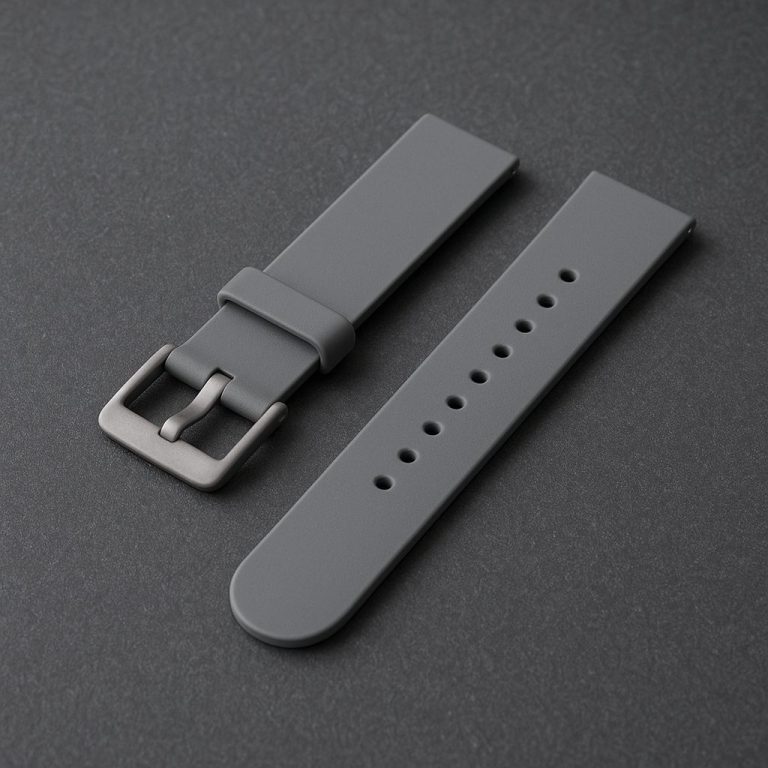
Silicone bands offer flexibility and water resistance, making them popular for active use. The first experience with a silicone strap is often defined by its soft, grippy texture and the way it conforms to the wrist. However, initial impressions can be mixed: some find the band sticky or notice a faint chemical smell from manufacturing.
As the band is worn, the surface may become smoother and less tacky as it picks up traces of skin oils and is exposed to washing. The initial scent typically fades. On the downside, frequent wear—especially during exercise—can lead to a build-up of sweat or soap residue, which requires regular cleaning to maintain comfort. A silicone band that seemed perfect at first may start to feel clammy or develop surface marks with time.
Environmental and Practical Influences
The context in which a watch is worn also affects how the band feels over time:
- Temperature and Humidity: Leather can stiffen in cold, dry weather and soften in humid conditions. Metal bands feel colder in winter. Silicone and fabric are less affected by temperature but can feel sticky or damp in hot weather.
- Physical Activity: Exercise can accelerate wear, especially for fabric and silicone bands, which may absorb sweat or develop odors more quickly.
- Exposure to Water: Frequent hand washing or swimming affects leather far more than metal, fabric, or silicone. Leather can deteriorate if kept wet, while nylon and silicone are more tolerant but may develop odors or stains.
- Skin Chemistry: Individual differences in skin oils, pH, and sweat can change how bands wear. For example, some people find metal bands discolor or cause minor irritation after extended wear, while others experience no issues.
Even the way a band is fastened or adjusted can affect perception. A strap that is too tight may feel uncomfortable at first but become more tolerable as the material stretches or softens. Conversely, a band that seemed perfectly snug when new may loosen over time, requiring periodic adjustment.
How Material Changes Affect Daily Experience
Some of the most noticeable changes in opinion arise from how comfort, appearance, and practicality shift over time. The table below summarizes how initial impressions can differ from the reality of daily use for major band materials:
| Material | Initial Impression | After Daily Use |
|---|---|---|
| Leather | Stiff, formal, smooth | Softer, shaped to wrist, develops patina |
| Stainless Steel | Cold, heavy, rigid | Warmer, smoother, more comfortable |
| Fabric (nylon blends) | Rough or stiff, secure fit | Pliable, softer, sometimes looser |
| Silicone | Soft, grippy, sometimes sticky | Smoother, less sticky, may retain sweat |
If a watch band feels uncomfortable, too stiff, or simply “off” during the first day or two, giving it a week of regular use can sometimes transform the experience. Conversely, a band that seems perfect out of the box might need adjustment or extra care down the line.
Practical Considerations for Real-World Use
Understanding that watch bands change with use helps set realistic expectations. Instead of judging a band solely by its first wearing, it’s helpful to:
- Wear the band for several days in different conditions before making a final judgment.
- Clean fabric and silicone bands regularly, especially after exercise or exposure to moisture.
- Adjust metal bracelets if they loosen or pinch as links settle with wear.
- Condition leather bands periodically to maintain flexibility and appearance.
If a fabric strap feels too stiff or abrasive at first, wearing it over a thin sleeve for a day or two can help ease the break-in period. Similarly, if a silicone band feels sticky, a quick wash with mild soap and water can help eliminate residue from manufacturing.
Why Patience Pays Off With Watch Bands
First impressions of a watch band often change as the material adapts to daily life. Whether the shift is for better or worse depends on the combination of material, environment, and personal habits. Taking time to break in a new band, monitoring how it changes, and making small adjustments can lead to a more satisfying and comfortable experience. Watching these changes unfold reveals how even small details—like the feel of a strap—are shaped by the rhythm of daily use.