Why certain watch and band combinations feel complete while others don’t
When a Watch and Band Pair Just Feels Right
Slipping a new band onto a favorite watch can sometimes create a sense of instant harmony, while other combinations seem awkward—even if every part fits perfectly. This reaction isn’t just about personal taste. Certain watch and band pairings feel naturally balanced because of how their visual and practical elements work together. Understanding what contributes to this sense of completeness can help you choose combinations that look and feel intentional, rather than mismatched or improvised.
How Proportion Influences the Overall Look
One of the most immediate factors is proportion. The width and thickness of a band in relation to the watch case can make a significant difference. For example, a thin leather strap on a large, chunky watch case can seem insubstantial, making the watch look even bulkier by contrast. On the other hand, a wide metal bracelet on a small, delicate watch may overpower the case, drawing attention away from the dial.
Matching the band width to the lug width is only part of the equation. The thickness and profile of the band should also relate to the height and visual weight of the watch case. A balanced pairing feels unified, as if the watch and band were designed as a single piece rather than two separate parts.
Visual Balance: Color, Texture, and Finish
Color is another crucial element. A stark contrast between a watch dial and its band can feel intentional and striking, but too much difference without a connecting element can make the combination feel disjointed. For example, a bright silicone band on a formal, minimal watch case might look playful or out of place, while a deep brown leather strap can warm up a silver or gold-tone case and make the pairing feel more cohesive.
Texture and finish also play roles. Most fabric bands, often made from nylon or nylon blends, vary in weave density, thickness, and surface feel. A tight, smooth weave can look more refined, while a thicker, textured fabric band gives a sportier impression. Matching the finish of the band to key features of the watch—such as a brushed metal bracelet complementing a matte-finish case—strengthens the visual relationship between the two. Stainless steel is the most common material for metal bands, valued for its durability and resistance to corrosion, and its finish (polished, brushed, or matte) should ideally echo or complement the watch case.
Style and Intended Use
The perceived completeness of a watch and band pairing often stems from an alignment between the watch’s design and the band’s intended use. A dress watch with a slim, understated profile typically pairs best with a similarly refined leather strap. In contrast, a chronograph or diver’s watch tends to look more balanced with a robust metal bracelet, a sturdy silicone band, or a dense-weave fabric strap.
Consider a scenario where an everyday timepiece is matched with a band made for athletic use, such as a silicone band with a highly ventilated design. Even though both parts are functional, the pairing may seem incomplete if the watch case is designed for formal wear. Conversely, pairing a sports watch with a delicate, glossy leather strap can create a mismatch between the watch’s rugged purpose and the band’s formality.
Comfort and Practical Harmony
While aesthetics matter, practical harmony also affects how complete a pairing feels. The comfort of a band—its flexibility, weight, and how well it holds the watch in place—impacts the perception of fit between the watch and the band. A heavy metal bracelet may suit a substantial watch case by counterbalancing its weight, preventing the case from sliding around the wrist. A thick, elastic fabric band can stabilize a lightweight sports watch, while a stiff or overly thick band might make a slim watch feel awkward or unbalanced.
Sometimes, a pairing works not just because of how it looks, but because it aligns with the way the watch is used. For instance, choosing a soft, breathable nylon band with a water-resistant case for outdoor activities can make the combination feel thoughtfully chosen and complete.
Why Materials Matter in the Overall Impression
Each band material brings its own character, and the way it interacts with the watch case affects the sense of unity:
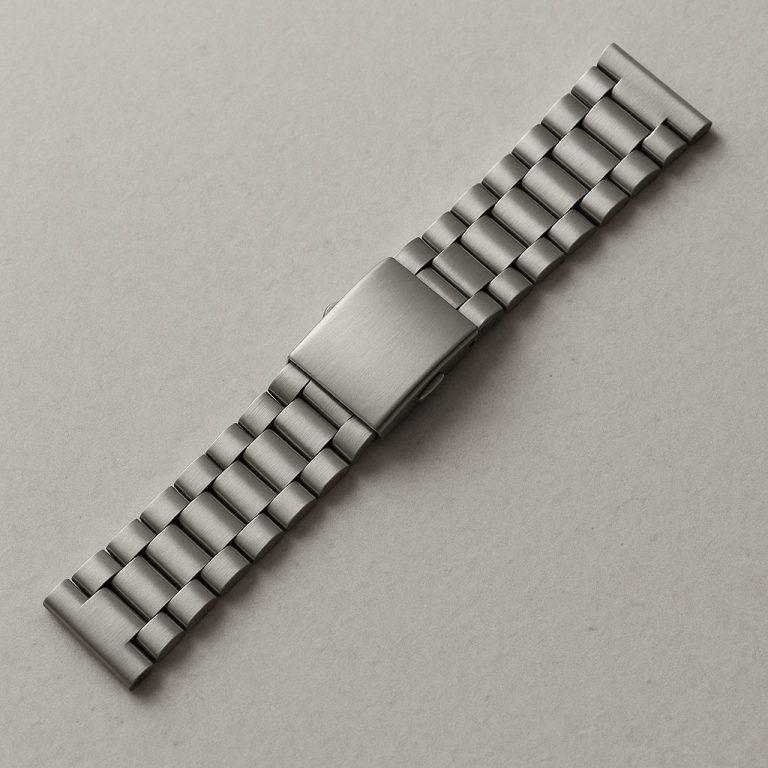
- Metal bands: Typically made from stainless steel, they lend a sense of solidity and permanence. Their weight and sheen often match larger or more technical watch cases, reinforcing the watch’s strength.
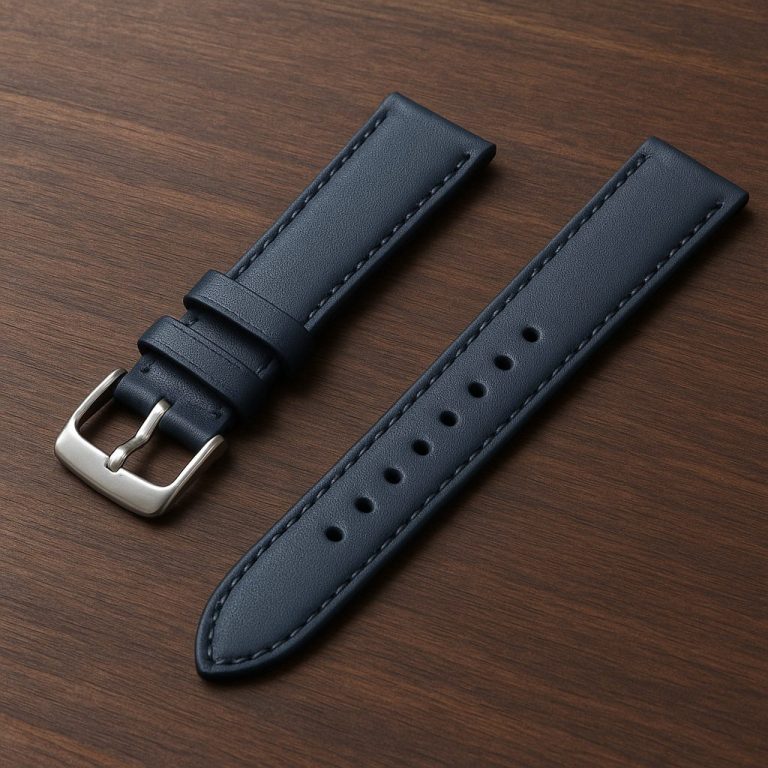
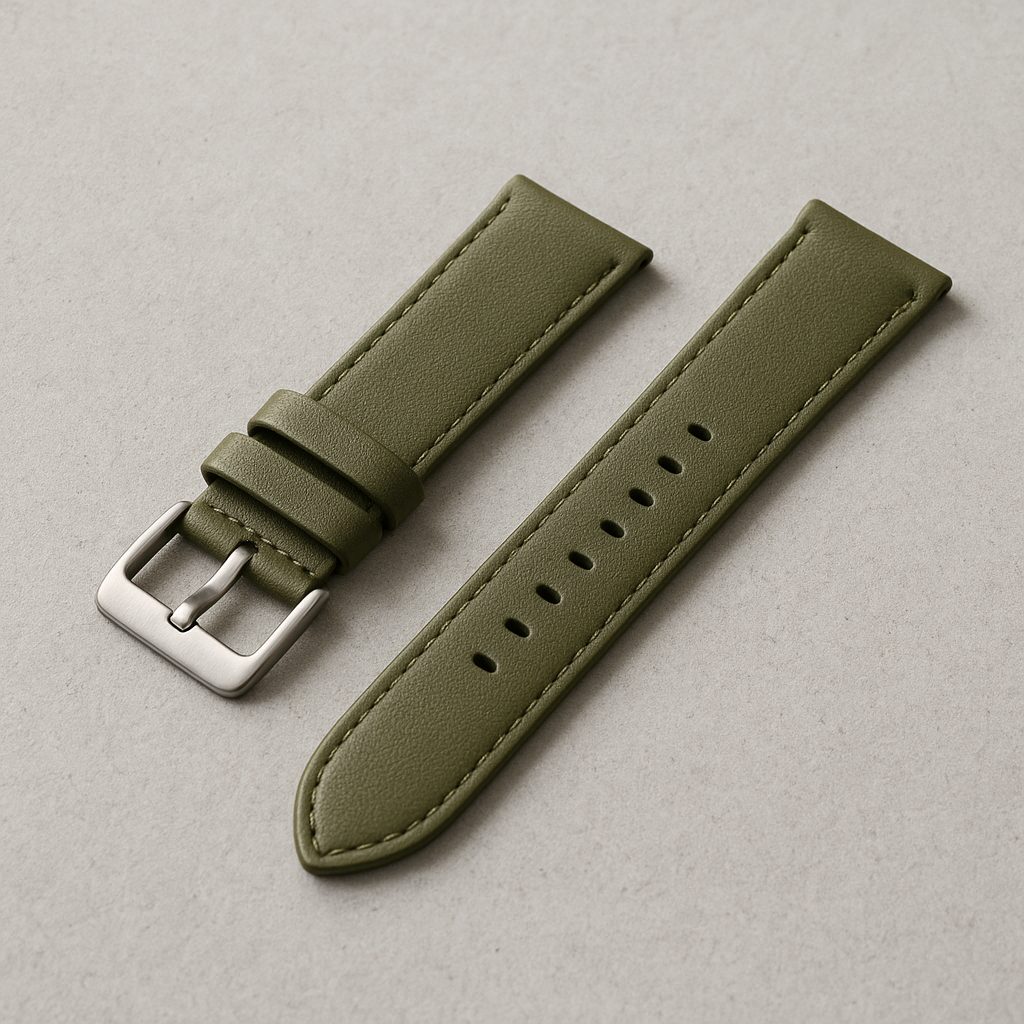
- Leather bands: Offer warmth and flexibility. Smooth leather can make a watch look more formal, while textured or stitched leather adds casual appeal.
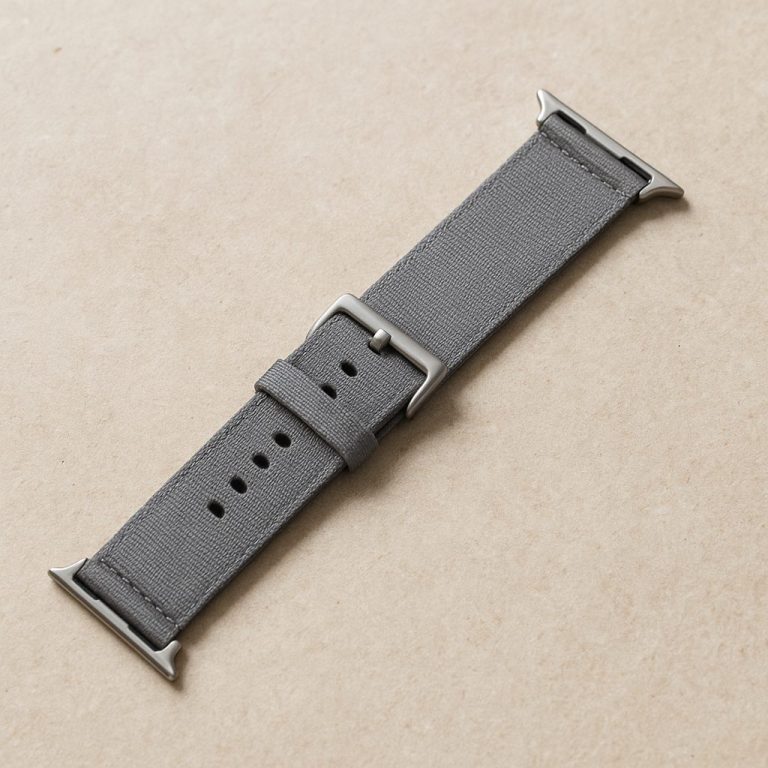
- Fabric bands: Most often crafted from nylon or nylon blends, these bands vary in thickness, weave, and elasticity. A tight, refined weave can suit dressier watches, while a thick, rugged weave complements field or outdoor watches.
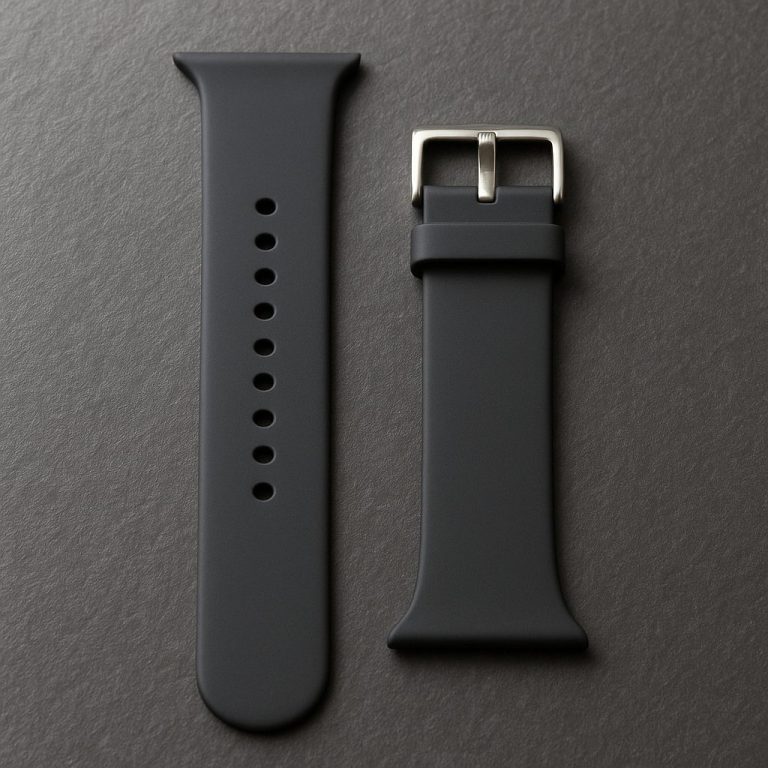
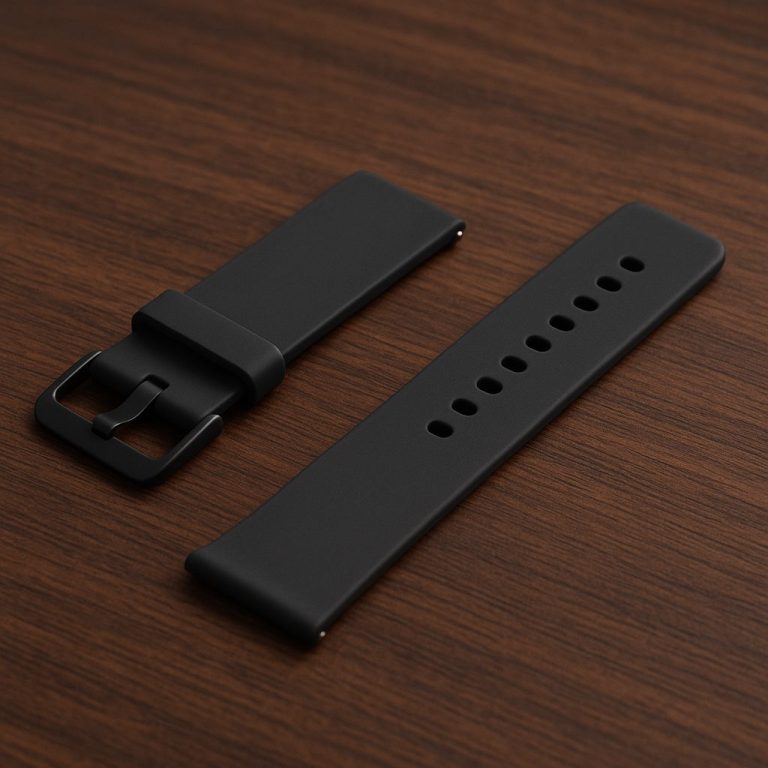
- Silicone bands: Provide softness and water resistance, which is ideal for sports or casual watches. Their vibrant colors and flexible feel can make a watch seem more playful or utilitarian, depending on the context.
Quick Reference: How Elements Combine for a Complete Look
| Element | Complete Pairing | Common Mismatch |
|---|---|---|
| Proportion | Band width and thickness match the case size | Thin band on large case, or thick band on small case |
| Color & Finish | Band echoes or complements dial/case tones or textures | Clashing colors or finishes with no connecting feature |
| Material | Band material suits watch purpose and style | Casual band on formal watch, or vice versa |
| Comfort & Use | Band supports intended activity and feels balanced | Heavy band on light case, stiff band on slim watch |
Practical Ways to Find the Right Pairing
When evaluating a watch and band combination, consider how each element—size, color, texture, and material—relates to the overall impression you want to create. If the pairing feels off, small adjustments such as switching to a band with a closer color match, a different weave or finish, or a more suitable material can transform the watch’s look and feel. For watches worn daily, aligning the band’s comfort and durability with your typical activities helps the combination feel complete in both appearance and function.
Achieving a Balanced Watch and Band Combination
The feeling of completeness in a watch and band pairing comes from thoughtful alignment of proportion, color, material, and comfort. When these elements work together—whether through subtle matching or intentional contrast—the result is a watch that feels unified and satisfying to wear. Paying attention to these details makes it easier to assemble combinations that look intentional and feel right for any occasion.