How often should you replace a watch band for daily wear
Signs of Wear: Noticing When Your Watch Band Needs Replacement
After several months of wearing the same watch every day, small cracks start forming near the holes of a leather strap, or a silicone band picks up stubborn discoloration. Metal bracelets can develop loosened links, while fabric straps begin to fray at the edges or lose their shape. These visible changes are just a few of the clues that a watch band might need to be replaced. For anyone relying on a watch as a daily companion, recognizing when a strap has worn out is essential not just for appearance, but also for comfort and safety.
How Long Does a Watch Band Last in Daily Use?
The frequency with which a watch band should be replaced depends on the material, wear habits, and environment. Daily exposure to sweat, moisture, sunlight, and friction all contribute to gradual wear. While some bands last for years, others may require more frequent attention. The following sections break down typical replacement intervals for the main types of watch bands worn daily.
Leather Bands
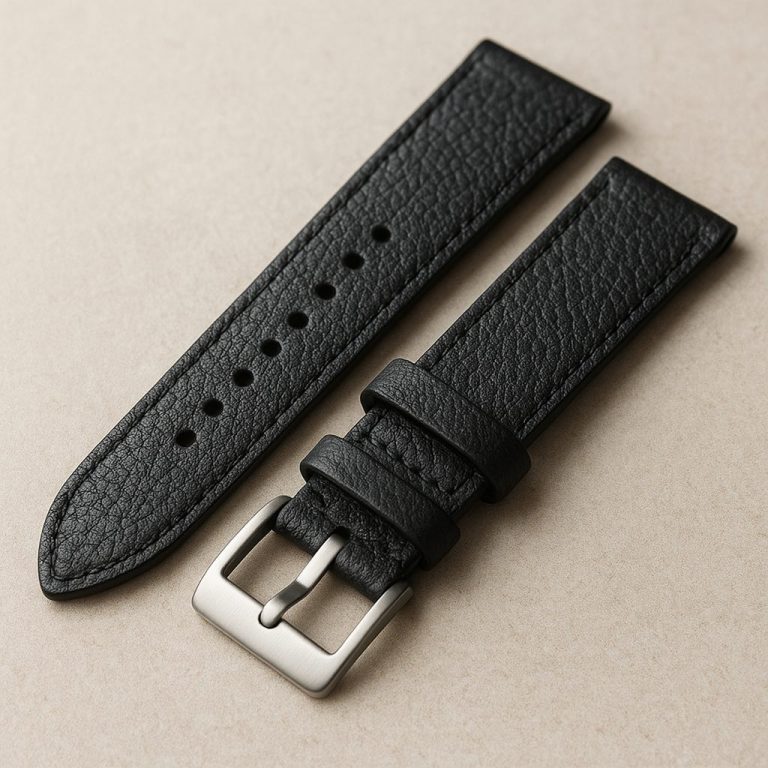
Leather watch bands are popular for their classic appearance, but they are more sensitive to moisture, sweat, and repeated flexing. During daily use, the leather can become discolored, stiff, or cracked, especially on the inside where it contacts the skin. If the band is exposed to water or worn during exercise, the lifespan tends to shorten.
Most leather bands used every day will need replacement every 6 to 18 months. Watch for signs such as:
- Cracking along holes or edges
- Persistent odors that do not fade with cleaning
- Loss of shape or excessive stretching
- Discoloration or surface peeling
To extend the life of a leather band, avoid getting it wet and let it air out after extended wear, but expect that daily use will eventually cause deterioration.
Metal Bracelets
Metal bands, most often made from stainless steel due to its durability and resistance to corrosion, are better suited to daily wear in terms of toughness. However, over time, even stainless steel bracelets can develop issues such as:
- Worn or loose links
- Clasp malfunction or difficulty staying closed
- Noticeable gaps between links from stretching
- Loss of surface finish or deep scratches
With normal daily use, a metal bracelet can last anywhere from 3 to 10 years, sometimes longer if properly cared for. However, if links become too loose or the clasp no longer secures reliably, replacement is recommended to prevent accidental loss of the watch.
Silicone Bands
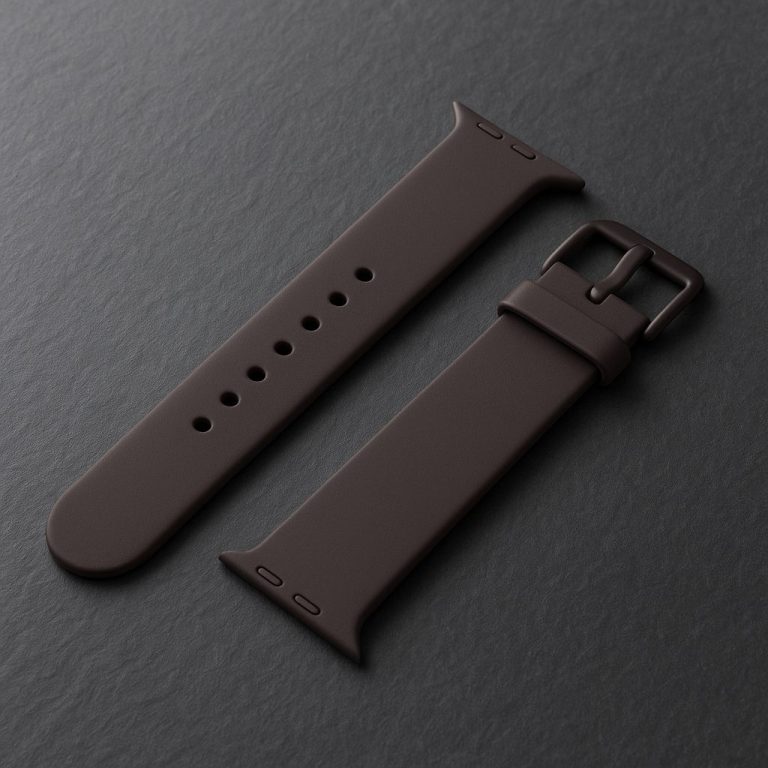
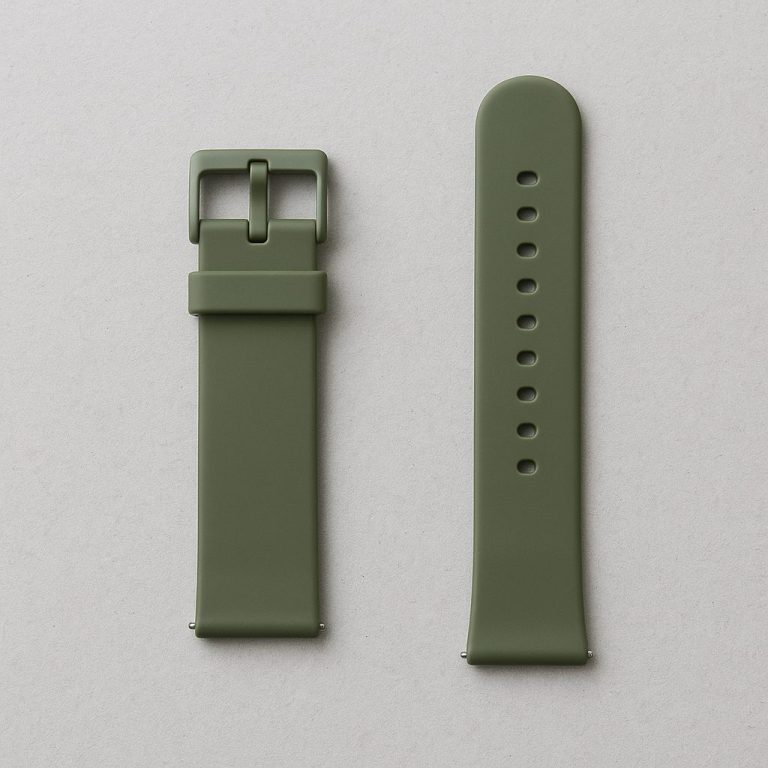
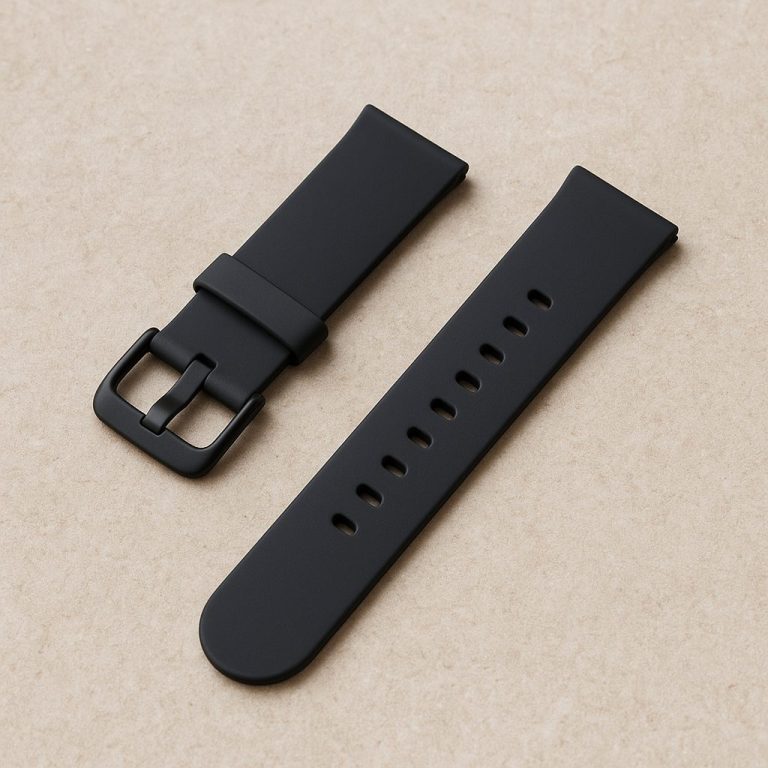
Silicone bands are favored for their flexibility and resistance to water, making them common for daily wear, especially during physical activities. Despite their resilience, silicone can degrade from constant exposure to sweat, skin oils, and UV light. Over time, users may notice:
- Fading or uneven discoloration
- Small tears, especially near adjustment holes
- Loss of elasticity
- Surface tackiness that does not wash off
For daily wear, silicone bands often last between 1 and 2 years. Bands worn during sports or in hot climates may require replacement sooner if they show visible damage or become uncomfortable.
Fabric Bands
Fabric watch bands are typically made from nylon or a nylon blend, offering a lightweight and breathable option for daily use. The durability of these bands depends on the weave density, thickness, and how tightly the fibers are constructed. For example, some tightly woven nylon straps resist fraying for longer, while bands with a looser or stretchier weave may show wear more quickly.
Common signs that a fabric band needs replacing include:
- Fraying along the edges or holes
- Noticeable fading or loss of color
- Permanent staining that cleaning cannot remove
- Stretched or misshapen areas that affect fit
With everyday use, most fabric bands last 12 to 24 months. If the strap becomes hard to clean or loses its original structure, it’s time to consider a replacement.
Typical Replacement Intervals by Material
| Band Material | Average Replacement Interval (Daily Wear) | Key Signs for Replacement |
|---|---|---|
| Leather | 6 to 18 months | Cracking, odor, discoloration |
| Metal (Stainless Steel) | 3 to 10 years | Loose links, faulty clasp, excessive stretching |
| Silicone | 1 to 2 years | Tears, fading, tackiness |
| Fabric (Nylon/Nylon Blend) | 12 to 24 months | Fraying, staining, stretching |
What Else Affects Replacement Timing?
Certain factors can shorten or extend the useful life of a watch band. For example, wearing the watch during exercise, swimming, or in hot weather will expose the band to sweat, salt, and moisture, which accelerates wear, especially for leather and fabric bands. In contrast, wearing the watch loosely or rotating between different straps can help prolong each band’s lifespan. Regular cleaning—such as rinsing a silicone band with water or brushing a nylon strap—can also prevent buildup that causes damage over time. However, even with careful care, everyday exposure will eventually break down materials, making periodic replacement necessary.
Recognizing When to Replace Your Watch Band
Instead of waiting for a band to break, paying attention to visible signs of wear ensures the watch remains comfortable and secure on the wrist. Small cracks, persistent stains, or a clasp that no longer closes properly are all indicators that replacement should be considered. For daily wearers, taking a close look at the strap every few months can prevent unexpected failures and keep the watch looking its best. Ultimately, the right replacement interval depends on both the material and how the watch is used each day.