How to check if a watch band clasp is becoming unreliable
Recognizing Subtle Changes in Clasp Performance
A watch that unexpectedly pops open while you are walking, or one that begins to feel less secure on your wrist, can indicate an issue with the clasp. Even subtle changes—such as a clasp that feels looser than it did a few months ago or one that requires extra effort to close—are early signs that the clasp may be becoming unreliable. Spotting these signs early can help you avoid losing or damaging your watch due to a malfunctioning closure.
Common Types of Clasps and Their Wear Patterns
Watch band clasps come in various designs, and each has its own vulnerabilities. The reliability of a clasp is affected by its mechanism, the material of the band, and the way it is used day to day. Here is a brief overview of common clasp types:
- Folding (Deployant) Clasps: Often found on metal bracelets and some leather bands, these clasps use hinges and a locking mechanism to secure the band.
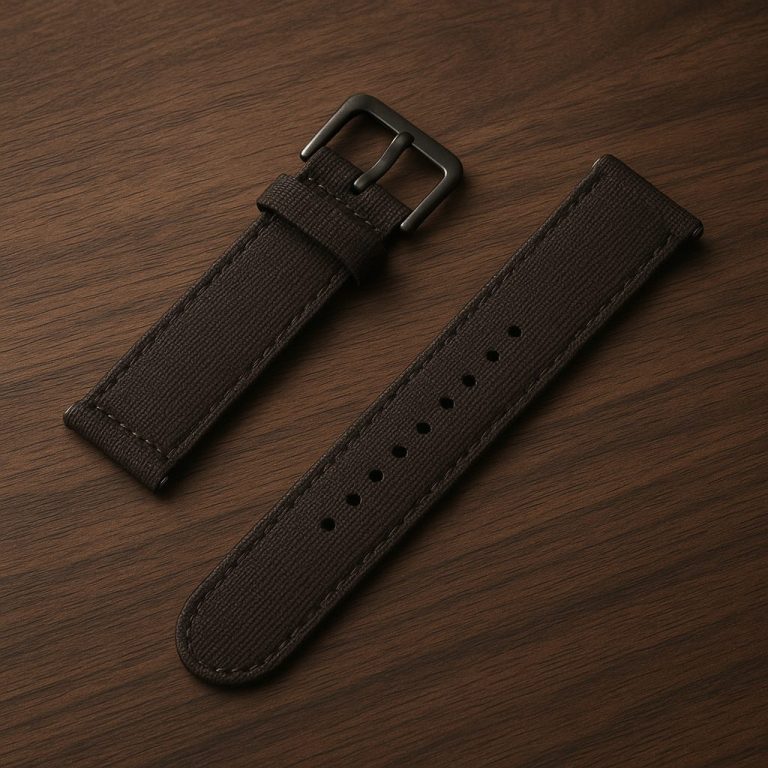
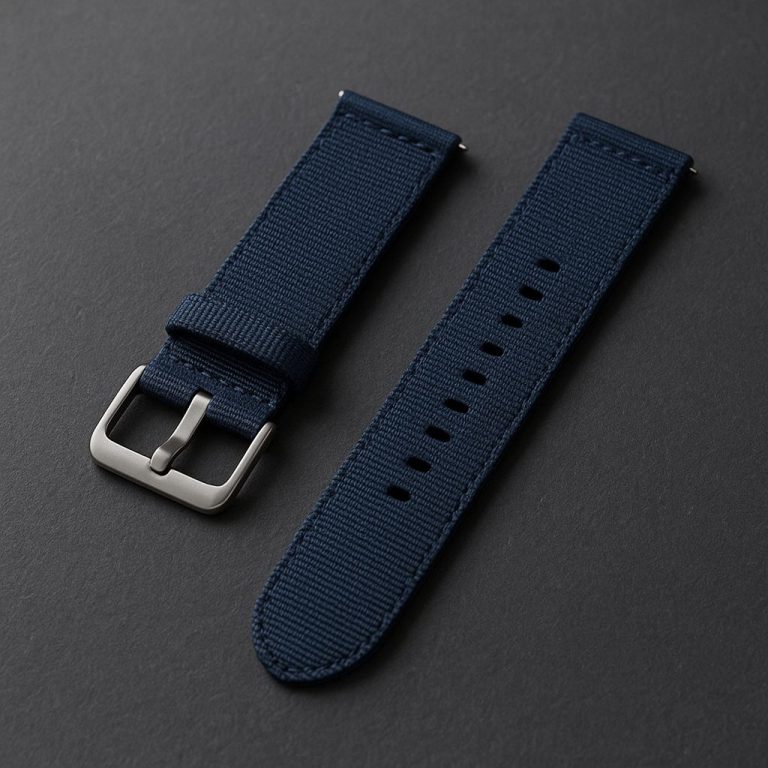
- Buckle Clasps: Typical on leather, fabric, and silicone bands, these use a tang (prong) and holes.
- Hook-and-Loop or Velcro-Style Closures: Usually seen on fabric bands, relying on the sticking surface for security.
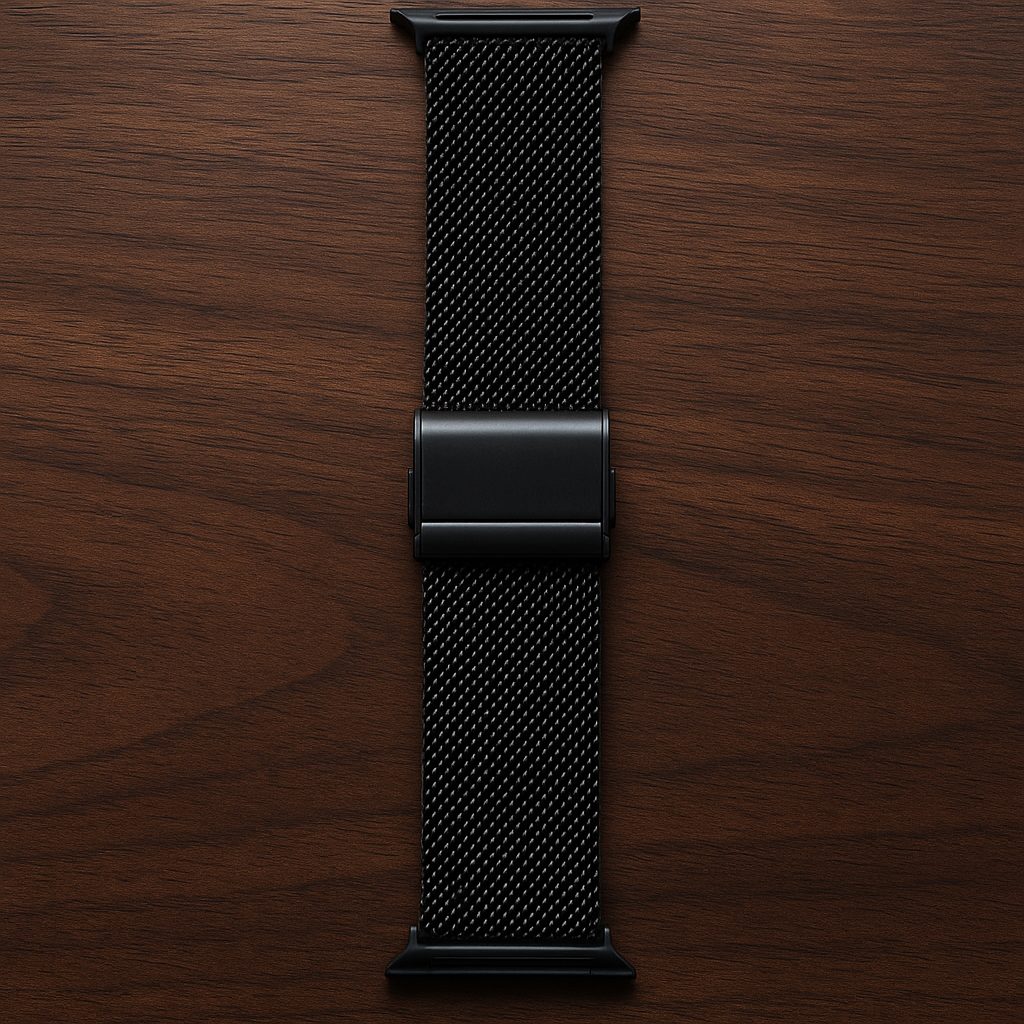
- Magnetic Clasps: Found on some metal mesh or silicone bands, these use magnets for closure.
Each type shows wear in different ways, but all can become unreliable if parts become worn, bent, or lose their original tension.
Signs Your Clasp May Be Failing
Checking your watch clasp regularly can help catch problems before they lead to accidental drops or loss. Here are specific signs to look for based on clasp and band type:
| Clasp Type | Watch Band Material | Possible Signs of Unreliability |
|---|---|---|
| Folding/Deployant | Metal (typically stainless steel), leather |
– Clasp does not ‘snap’ shut firmly – Hinges feel loose or wobbly – The safety lock no longer engages properly – Signs of metal fatigue or visible deformation |
| Buckle | Leather, fabric (mostly nylon blends), silicone |
– Tang (prong) is bent or sits unevenly in the hole – Holes are stretched, torn, or deformed – Buckle frame feels thin or warped |
| Hook-and-Loop | Fabric (nylon variants) |
– Closure loses grip strength – Loops become frayed or matted down – Band slips unexpectedly during wear |
| Magnetic | Metal mesh, silicone |
– Magnet loses holding power – Clasp separates easily with minor movement – Debris or corrosion on the magnet surface |
Inspecting Your Clasp: Step-by-Step Approach
A careful inspection does not require special tools or expertise. Here are practical steps to assess clasp reliability:
- Visual Check: Examine the clasp for any signs of bending, cracks, or deformation. Metal clasps—most commonly made from stainless steel—should not show uneven gaps when closed. For buckles, check that the prong sits securely in the band hole without excessive play.
- Physical Test: Open and close the clasp several times. A reliable folding clasp should click or snap shut firmly and require a deliberate action to open. Buckles should hold tight with no slipping. For hook-and-loop closures, feel for reduced grip or excessive movement.
- Resistance Test: With the watch on your wrist, gently tug the band near the clasp. The closure should not come undone or feel as if it is barely holding. For magnetic clasps, check that the magnet resists separation from casual bumps.
-
Material-Specific Inspection:
- Leather Bands: Look for holes stretching or tearing near the buckle. Check for cracking or softness around the clasp area, which can weaken security.
- Fabric Bands: Most are made from woven or braided nylon. Variations in weave density and thickness affect durability. Look for fraying, especially where the clasp meets the band, and test elasticity to ensure the closure remains tight.
- Silicone Bands: Inspect for tearing or tearing at the holes, especially near the buckle. For magnetic or press-fit clasps, check the material for distortion or hardening that could interfere with closure.
- Metal Bracelets: Stainless steel is favored for its resistance to corrosion, but hinges and pins can still wear out. Look for looseness at the joints or pins that shift under slight pressure.
What Causes Clasp Reliability to Decline?
Several factors can make a clasp less reliable over time:
- Wear and Tear: Frequent opening and closing can cause hinges, springs, or locking mechanisms to wear out. For folding clasps, repeated stress may cause parts to lose their shape.
- Material Fatigue: Metal fatigue can cause stainless steel or other metals to deform, especially at stress points. Leather and silicone may soften, crack, or stretch with age.
- Dirt and Debris: Dust, lint, and skin oils can accumulate inside clasps, especially in intricate folding mechanisms. This buildup can reduce the security of the closure. Magnetic clasps may lose effectiveness if debris builds up on the magnet surfaces.
- Environmental Factors: Moisture, sweat, and chemicals (like perfumes or cleaning agents) can corrode metal parts and weaken adhesives or stitching in fabric and leather bands.
When to Take Action
If you notice any of the warning signs during your inspection, it is wise to stop wearing the watch until the issue is addressed. A clasp that opens accidentally, feels unstable, or shows clear signs of wear can lead to the loss of your watch. In some cases, minor issues—such as a slightly loose folding clasp—can be adjusted, but significant wear, visible cracks, or loss of tension typically require replacement of the clasp or band. Continuing to use a compromised clasp increases the risk of accidental drops or loss, especially during activities that involve wrist movement.
Maintaining Clasp Security: Practical Reminders
Small habits can help extend the lifespan of your watch clasp. Regularly wipe the clasp area with a soft, dry cloth to remove dirt and moisture. Take extra care when fastenings feel less secure, and avoid forcing the clasp closed if it resists. For fabric bands, especially those made from nylon blends, occasional inspection for fraying or loss of elasticity helps catch problems early. If you use your watch for sports or outdoor activities, check the clasp before and after for signs of accidental stress or debris buildup.
Identifying an Unreliable Clasp Before Problems Start
Careful attention to how your watch clasp behaves—how it feels, sounds, and secures—can alert you to reliability issues before they become bigger problems. A clasp that no longer provides a firm, consistent closure, or shows visible signs of wear in its mechanism or the band material, should be addressed promptly to prevent loss or damage. Regular checks and understanding the typical signs of clasp fatigue are the best ways to keep your watch secure on your wrist.