How to choose between leather, silicone, nylon, and metal for daily wear
Choosing the Right Watch Band Material for Everyday Use
Wearing a watch throughout a full workday may reveal issues you didn’t expect: a leather strap becoming damp after a brisk walk, a metal bracelet feeling cold in the morning, or a fabric band looking out of place with formal clothing. Selecting a suitable watch band for daily wear involves more than just appearance—it’s about matching the material to your routine, comfort needs, and the situations you encounter most often.
Material Choices and Daily Wear Considerations
The most common watch band materials for everyday wear are leather, silicone, nylon (as the primary fabric), and metal. Each material has distinct qualities that affect comfort, durability, and suitability for different environments.
Leather Bands
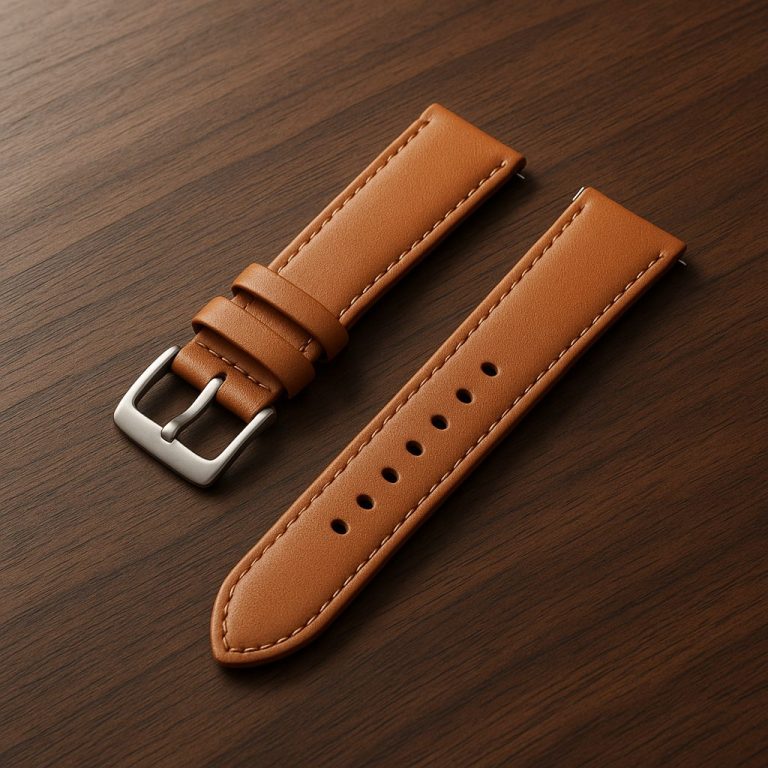
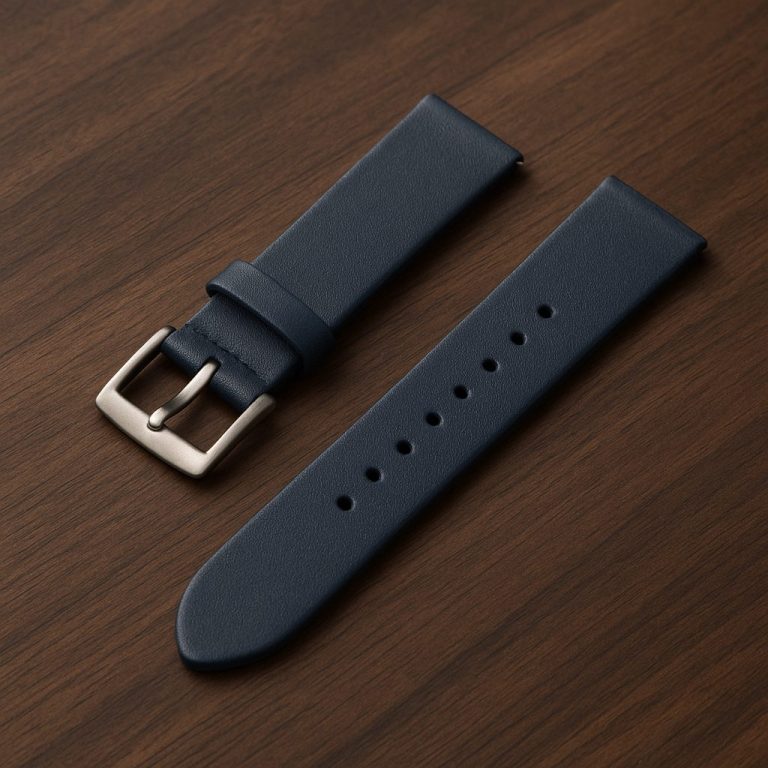
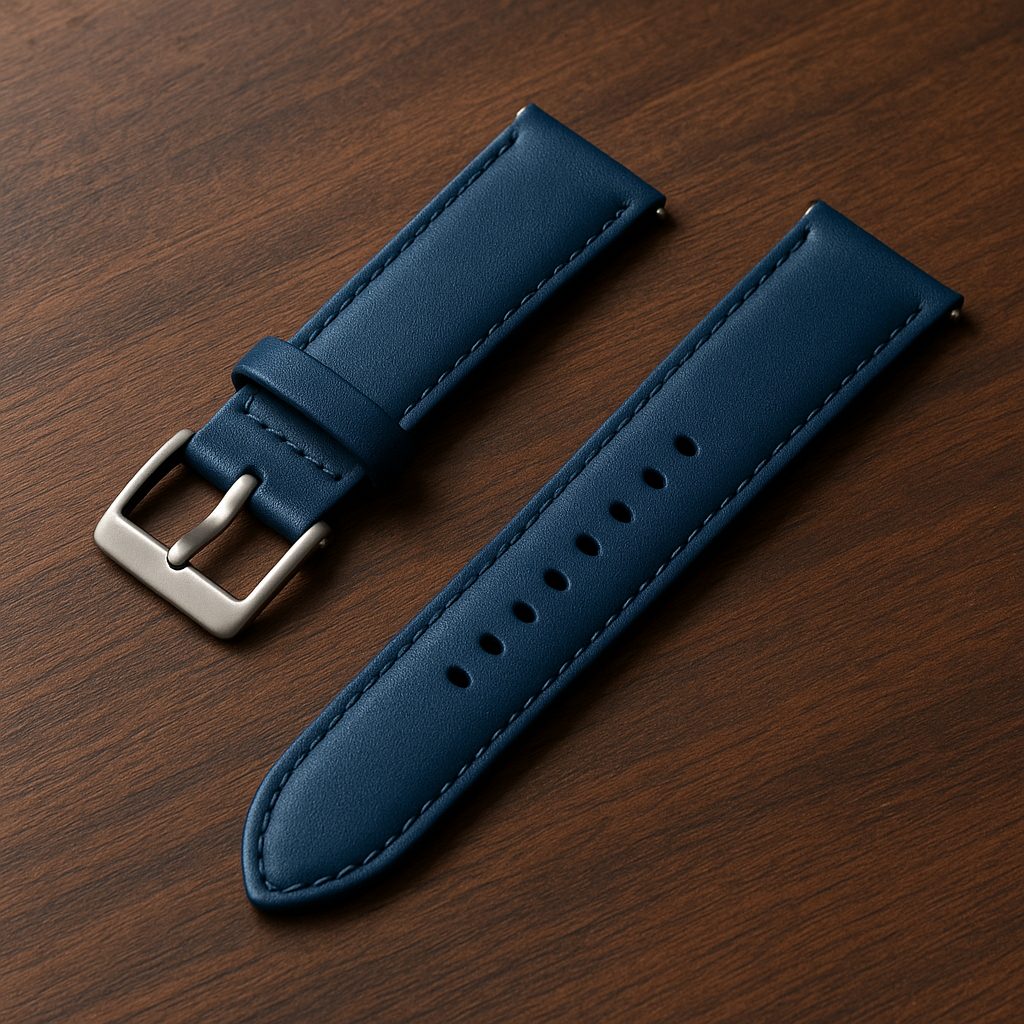
Leather bands are valued for their classic look and soft feel against the skin. They work well in office settings or occasions where a refined style is preferred. However, leather can absorb sweat and moisture, which may cause discomfort or odor during hot weather or physical activity. Extended exposure to water can also damage the material over time, leading to cracking or fading. For a daily routine that involves frequent hand washing, outdoor activity, or humid conditions, leather may require extra care or periodic replacement.
Silicone Bands
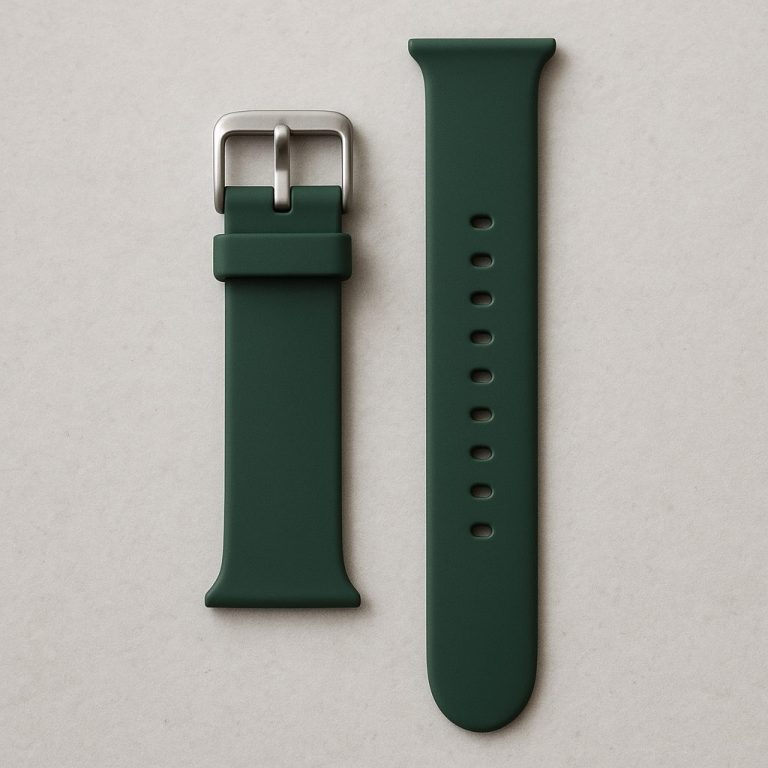
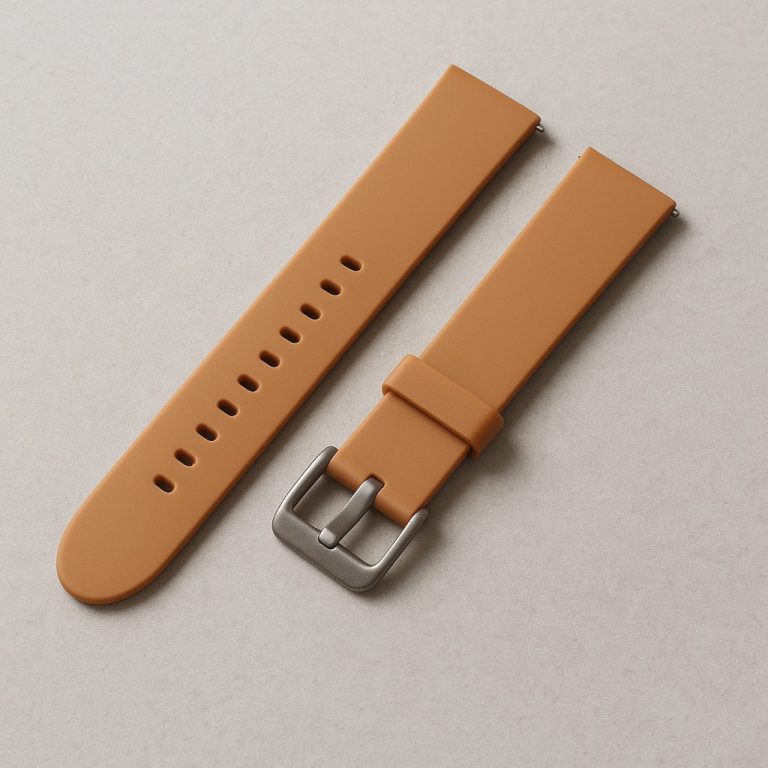
Silicone bands are flexible, lightweight, and resistant to water and sweat. They are often chosen for active lifestyles or situations where the watch is exposed to moisture, such as exercise or outdoor work. Silicone does not absorb sweat, making it easy to clean and less likely to develop odor. However, some people may find that silicone bands can feel sticky on the skin after prolonged wear, especially in hot weather. The appearance of silicone bands is generally more casual, which may not suit formal attire.
Nylon and Other Fabric Bands
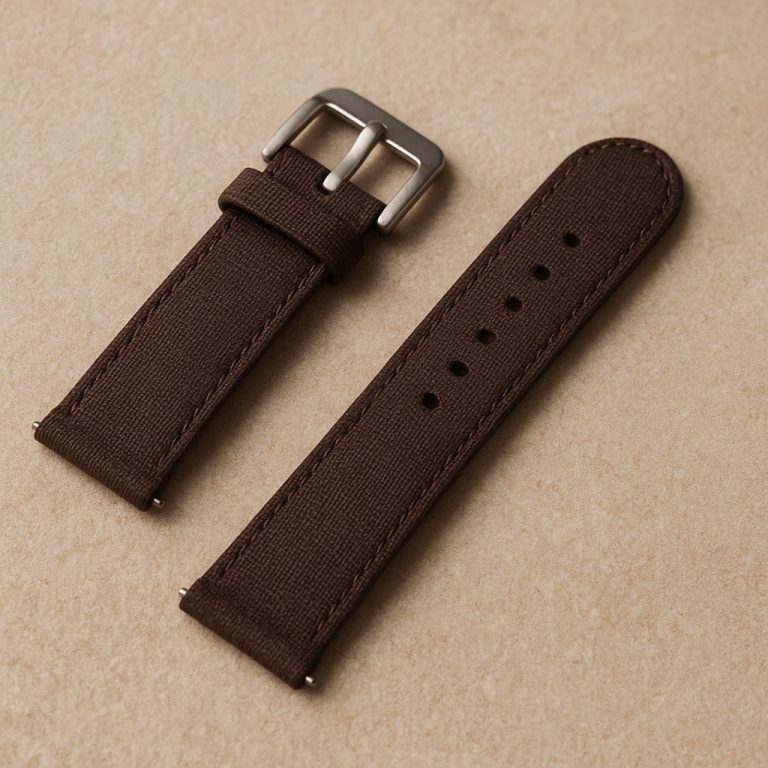
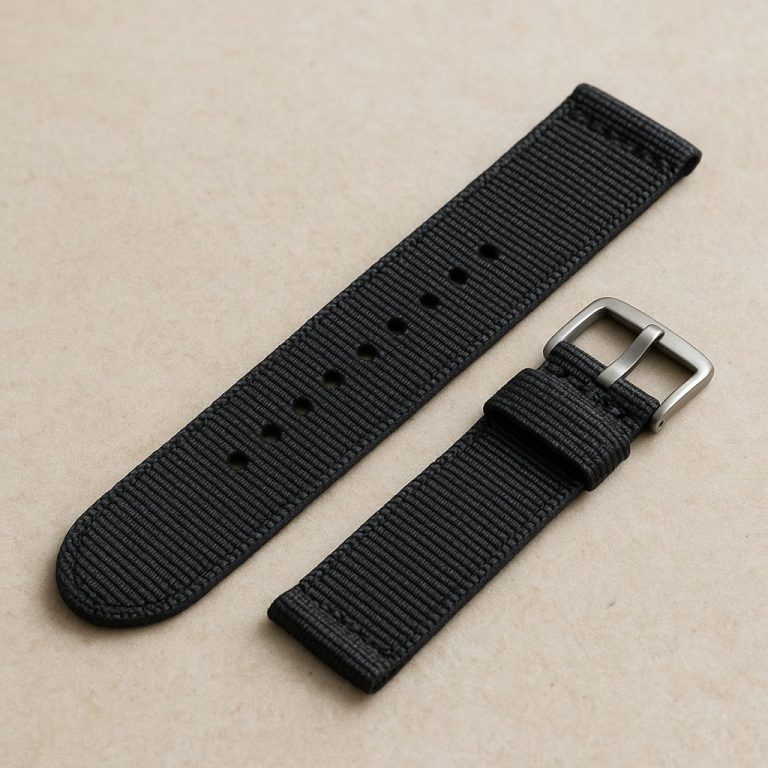
Most fabric bands are made from nylon or nylon blends, offering a balance between comfort and durability. Nylon bands come in a range of weave densities, thicknesses, and finishes, from tightly woven, smooth straps to more textured or elastic styles. This variety allows for different looks and levels of breathability. Nylon is quick-drying and resistant to mildew, making it suitable for daily wear in both dry and humid climates. Fabric bands can show signs of wear, such as fraying, over time, particularly if exposed to rough surfaces or frequent washing. While some nylon bands can appear sporty, others with a tighter weave or subtle pattern may complement business-casual outfits.
Metal Bracelets
Metal watch bands, most commonly made from stainless steel due to its durability and resistance to corrosion, are preferred for their strength and classic appearance. Metal bracelets handle moisture well and do not absorb sweat. They are suitable for both formal and casual settings, depending on their finish and design. However, metal can feel heavy or cold to the touch, especially at the start of the day. Some people may experience pinching or hair pulling from certain bracelet links. Adjusting the fit usually requires removing or adding links, which is not as simple as adjusting a fabric or silicone band on the fly.
Comparing Everyday Band Features
| Material | Comfort Level | Water/Sweat Resistance | Appearance | Care & Maintenance |
|---|---|---|---|---|
| Leather | Soft, flexible | Low | Classic, formal | Requires periodic cleaning; avoid water |
| Silicone | Very lightweight | High | Casual, sporty | Easy to rinse clean |
| Nylon/Fabric | Breathable, varies by weave | Moderate to high | Versatile, from casual to business-casual | Washable; may fray over time |
| Metal | Cool, can be heavy | High | Polished, versatile | Occasional cleaning; adjust links as needed |
Other Practical Factors for Daily Wear
Skin Sensitivity and Allergies
Some people notice skin irritation after wearing certain materials all day. Leather bands may contain tanning agents or dyes that cause reactions in sensitive skin. Metal bands, especially those not made from hypoallergenic stainless steel, can sometimes lead to rashes if worn tightly or in humid conditions. Silicone and nylon bands are often gentler on the skin, but individuals with latex or synthetic sensitivities should check the specific composition of the band.
Adjustability and Fit
Wearing a watch for long hours makes adjustability important. Silicone and fabric bands with multiple holes or hook-and-loop closures offer easy, precise adjustments. Metal bracelets require adding or removing links for major size changes, which is less convenient for those whose wrist size fluctuates during the day. Leather bands offer some adjustability but may stretch slightly with use.
Style Versatility
The appearance of the band can affect how well the watch fits with different outfits. Leather and metal are often suitable for both professional and casual environments. Silicone and most nylon straps are more informal, though certain tightly woven nylon bands can work in business-casual settings. Swapping bands to match different occasions is possible with most watches that use spring bars or quick-release pins, though some cases may require specific attachment mechanisms.
Matching Band Material to Your Routine
Choosing the right watch band for daily wear depends on your environment, activity level, and personal preferences. For someone commuting by bike and working in a casual office, a silicone or nylon band offers sweat resistance and comfort. If the day involves meetings and formal settings, a leather or metal band may fit better with a professional wardrobe. Those whose routine takes them outdoors or involves frequent hand washing may prefer a nylon or silicone band for easy cleaning and quick drying. Checking how your watch band feels at the end of a typical day can help you identify if a different material might improve comfort or appearance.
Adapting Your Watch for Everyday Comfort
Switching between band materials is a practical way to tailor your watch to your daily activities and environment. Paying attention to factors such as moisture exposure, comfort during extended wear, and compatibility with your usual clothing will help you select a band that meets your needs. For most people, having at least one water-resistant option (such as silicone or tightly woven nylon) and one option suitable for formal occasions (such as leather or metal) provides flexibility for daily life.