How watch band stiffness changes after exposure to heat or cold
How Temperature Affects Watch Band Stiffness in Everyday Use
After spending time outside on a winter morning, a watch band can feel unusually rigid or even uncomfortable against the wrist. On the other hand, exposure to a hot car interior in summer may cause a band to feel softer and more flexible than usual. These changes in stiffness can affect how securely a watch sits on the wrist or how easily the band conforms to movement. Understanding how different materials respond to heat and cold helps in anticipating these changes and minimizing any negative effects.
Material-Specific Responses to Temperature
The degree to which a watch band stiffens or softens after exposure to heat or cold depends on its material. Each major category—metal, leather, fabric, and silicone—has its own way of reacting to temperature shifts. These reactions are tied directly to the material’s physical structure and chemical composition.
Metal Watch Bands
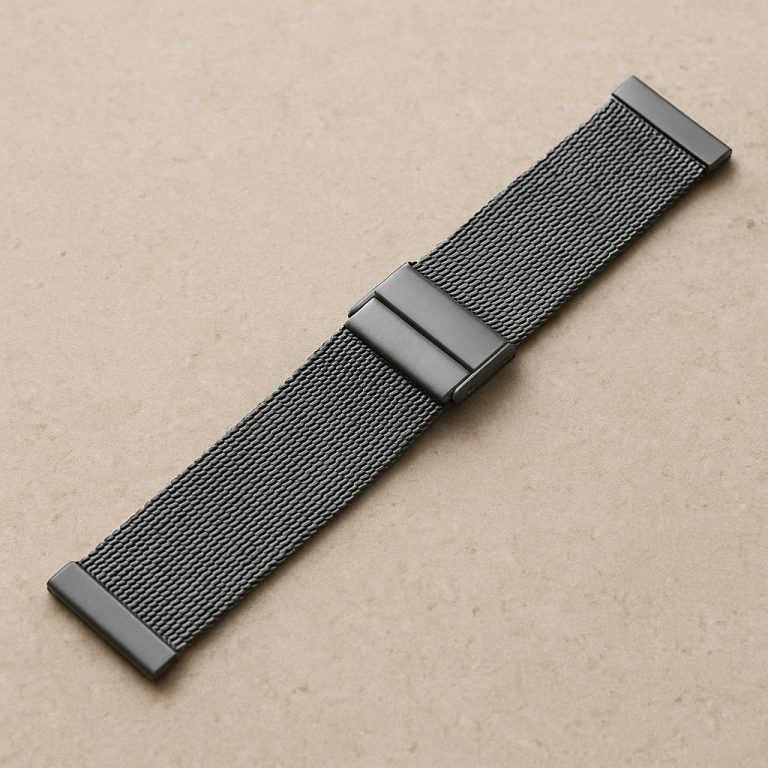
Metal bands, most commonly made from stainless steel due to its durability and resistance to corrosion, do not become significantly stiffer or softer with normal temperature changes. However, metal conducts heat and cold efficiently. When exposed to cold, a metal band may feel much colder against the skin, but its flexibility remains largely unchanged. In high heat, the metal band may become warm to the touch but does not lose its structural rigidity or shape. Extreme temperature differences can cause slight expansion or contraction, but this rarely affects day-to-day stiffness in typical environments.
Leather Watch Bands
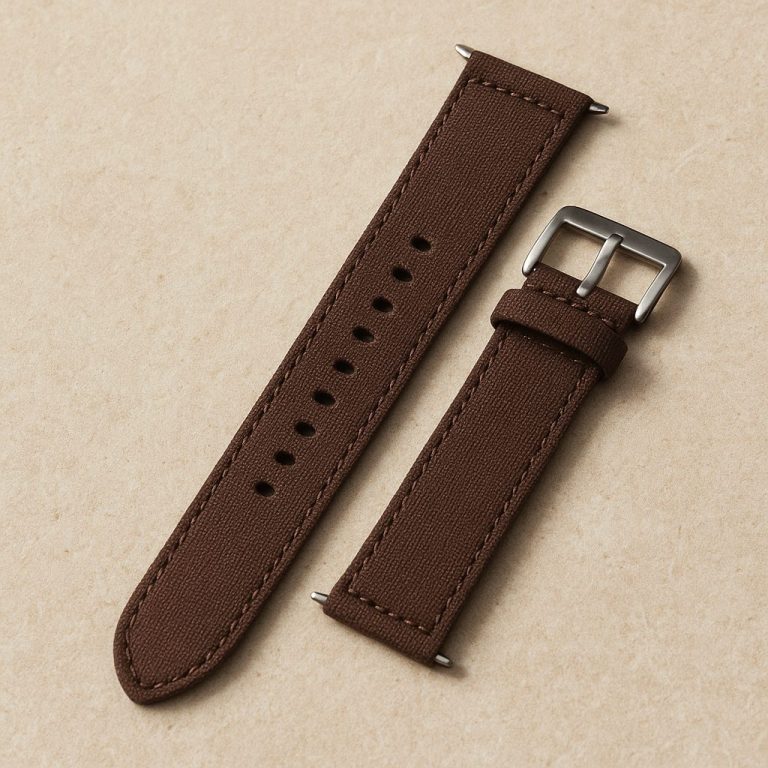
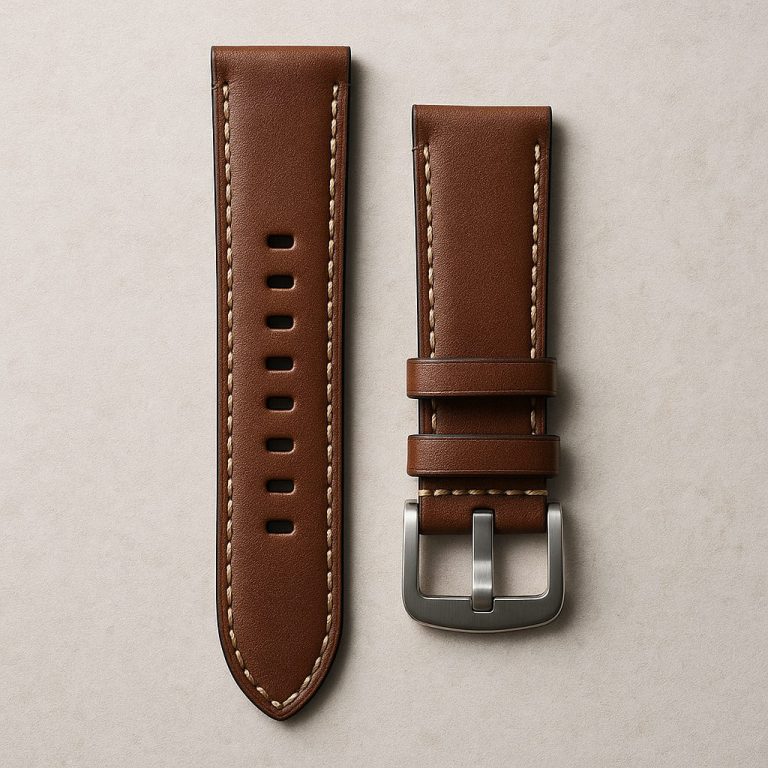
Leather bands show more noticeable changes in stiffness with temperature shifts. In cold conditions, leather can become firmer, less pliable, and may even feel brittle, especially if the leather is dry or untreated. This temporary stiffening can make the band less comfortable until it warms up again from body heat. In contrast, exposure to heat can soften leather, making it more flexible and supple. Prolonged high temperatures, however, may dry out the leather or cause it to lose shape over time, especially if the band is exposed to direct sunlight or dry air. Conditioning leather regularly can help maintain its flexibility and reduce these effects.
Fabric Watch Bands
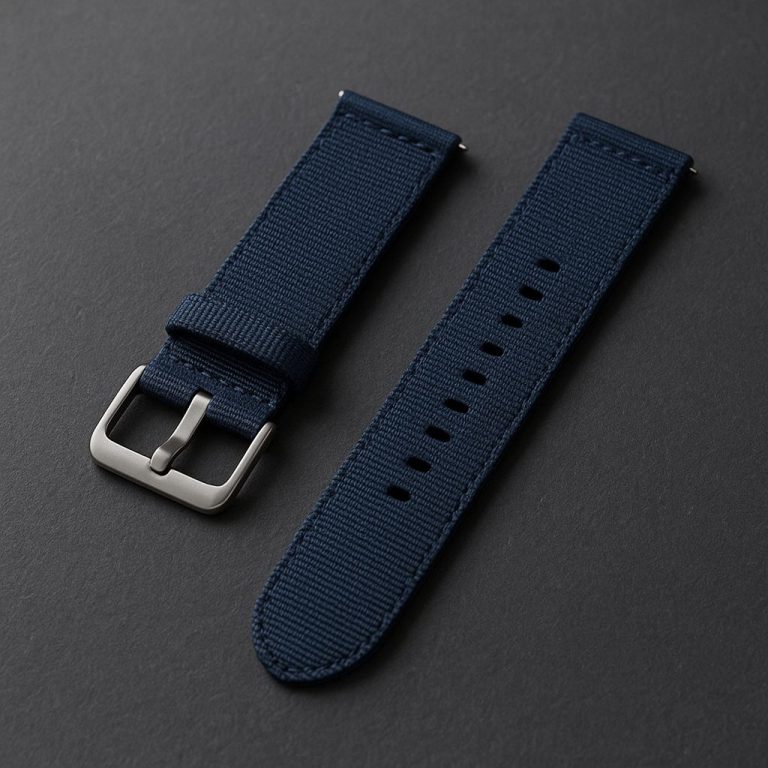
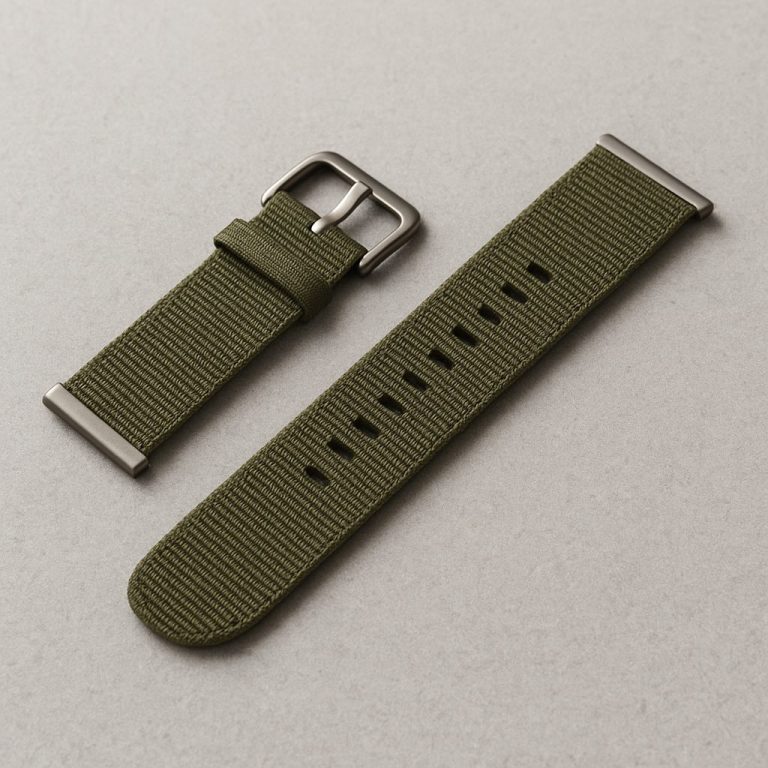
Most fabric bands are crafted from nylon or blends involving nylon, chosen for their strength and resistance to moisture. The response of fabric bands to temperature depends on their weave density, thickness, and elasticity. A tightly woven, thick nylon strap may stiffen noticeably in cold weather, making it less comfortable or more difficult to fasten. In warm conditions, fabric bands generally become slightly more pliable, though the change is often subtle. Some stretchy or blended fabrics can retain flexibility across a broader range of temperatures, while others—especially those with a dense or coarse weave—may stiffen or soften more markedly.
Silicone Bands
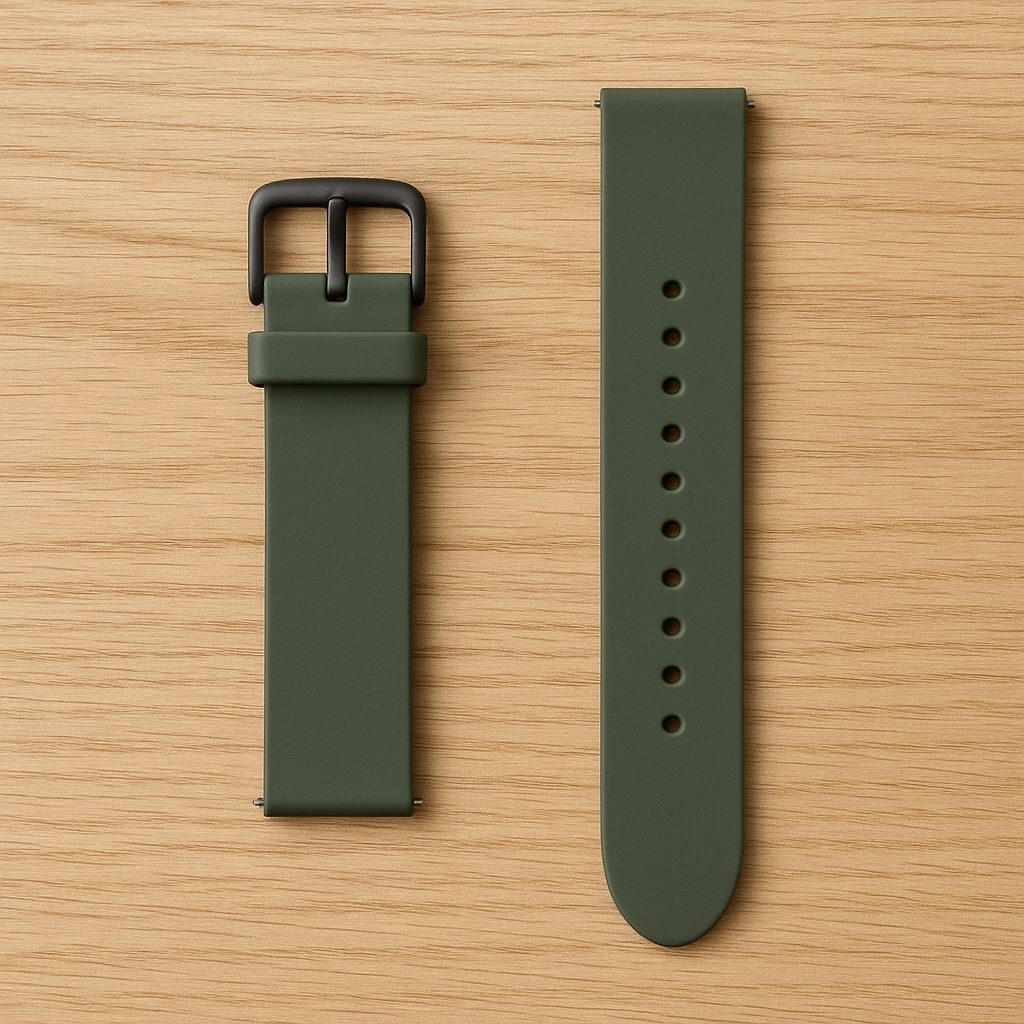
Silicone bands are popular for their elasticity, water resistance, and comfort. Cold temperatures make silicone less flexible and somewhat stiffer, sometimes causing the band to resist bending or feel tight on the wrist. This effect is usually temporary and reverses once the band warms up. Exposure to heat softens silicone, increasing its flexibility and stretch. However, excessive or prolonged high heat can weaken the material, leading to permanent softening or, in some cases, deformation. Quick, moderate temperature changes tend not to cause lasting changes in stiffness, but repeated exposure to extremes may shorten a band’s usable life.
Short-Term and Long-Term Effects
It’s helpful to distinguish between immediate, reversible changes in stiffness and longer-term effects that can alter a band’s performance or lifespan.
- Short-term: Almost all bands return to their original stiffness once they reach room or body temperature. For example, a silicone band that feels stiff after being left in a cold car will generally regain flexibility within minutes of being worn.
- Long-term: Repeated or prolonged exposure to extreme temperatures can cause permanent changes. Leather may dry out and crack, fabric can lose elasticity, and silicone may degrade or become sticky. Metal bands are least affected in the long term, though finishes or coatings can wear with extreme cycling between hot and cold.
Comparing Material Reactions to Heat and Cold
| Material | Response to Cold | Response to Heat |
|---|---|---|
| Metal (stainless steel) | No significant stiffness change; feels colder on skin | No significant stiffness change; may become warm to touch |
| Leather | Stiffens, may feel brittle or less comfortable | Softens, more pliable; risk of drying out with prolonged heat |
| Fabric (nylon blends) | Can stiffen, especially with thick or dense weaves | Slightly more flexible; little change unless very hot |
| Silicone | Becomes stiffer and less flexible | Softens, more elastic; may deform if overheated |
Practical Impact and Real-World Considerations
Awareness of material responses helps in everyday scenarios. For example, if a fabric band feels unusually stiff after being in a cold environment, gently flexing it by hand before wearing can help restore comfort. With leather, avoiding sudden shifts from cold to warm (such as stepping indoors from freezing temperatures) can prevent cracking or rapid drying. Silicone bands should not be left in direct sunlight or on a car dashboard, as repeated overheating may permanently alter their feel and durability.
For those who switch between different bands, matching the material to the expected environment can help maintain comfort and longevity. For instance, a metal or fabric band may be preferable in high-heat settings, while silicone can perform well in humid or wet conditions—just be aware of its temporary stiffness in the cold.
Temperature Shifts and Watch Band Performance
Sudden or extreme temperature changes can temporarily affect how a watch band feels and performs. Knowing how each material reacts makes it easier to anticipate and manage these changes, whether that means allowing a band to warm up before wearing or conditioning leather to prevent long-term stiffening. This understanding can help maintain both comfort and the useful life of a favorite watch band, especially in climates with large temperature fluctuations.