Why does my watch feel uncomfortable when my wrist is cold
How Cold Affects the Feel of Your Watch on the Wrist
Stepping outside on a chilly morning, you fasten your watch as usual, but soon notice that it feels unusually tight, rigid, or uncomfortable against your skin. The sensation might be a sharp coolness from a metal bracelet, stiffness from a leather band, or a general sense of awkwardness that’s not present when your wrist is warm. This discomfort can be surprising, especially if the watch usually feels fine indoors or during warmer months. Understanding why a watch feels uncomfortable when your wrist is cold can help you address the issue and make wearing your watch more pleasant year-round.
Changes in Skin and Blood Flow When Your Wrist Is Cold
When exposed to cold temperatures, your body responds by narrowing blood vessels near the skin’s surface, a process called vasoconstriction. This helps to conserve heat but also reduces blood flow, making the skin and underlying tissues cooler and sometimes less flexible. Your wrist may also become slightly thinner as swelling decreases, and the skin can feel drier or more sensitive.
These changes can have several effects:
- Increased skin sensitivity, making pressure from a watch more noticeable
- Potential for the watch band to feel tighter as tissues contract
- Reduced cushioning from soft tissue, causing the band or case to press more directly on bones or tendons
Material-Specific Reactions: How Watch Bands Behave in the Cold
The discomfort you experience can also depend greatly on the material of your watch band. Different materials react to cold in unique ways, affecting how they feel on your wrist.
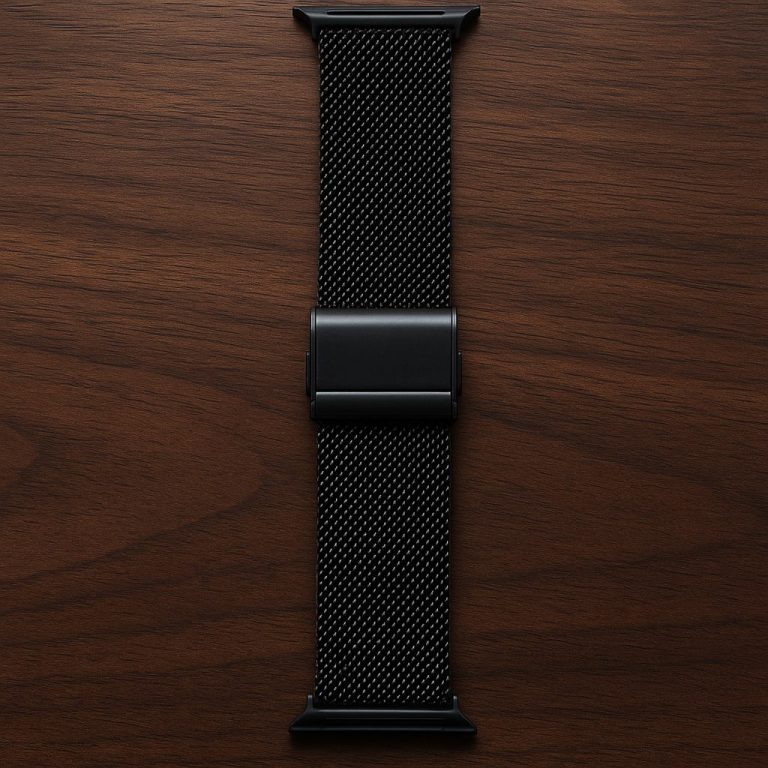
Metal Bracelets
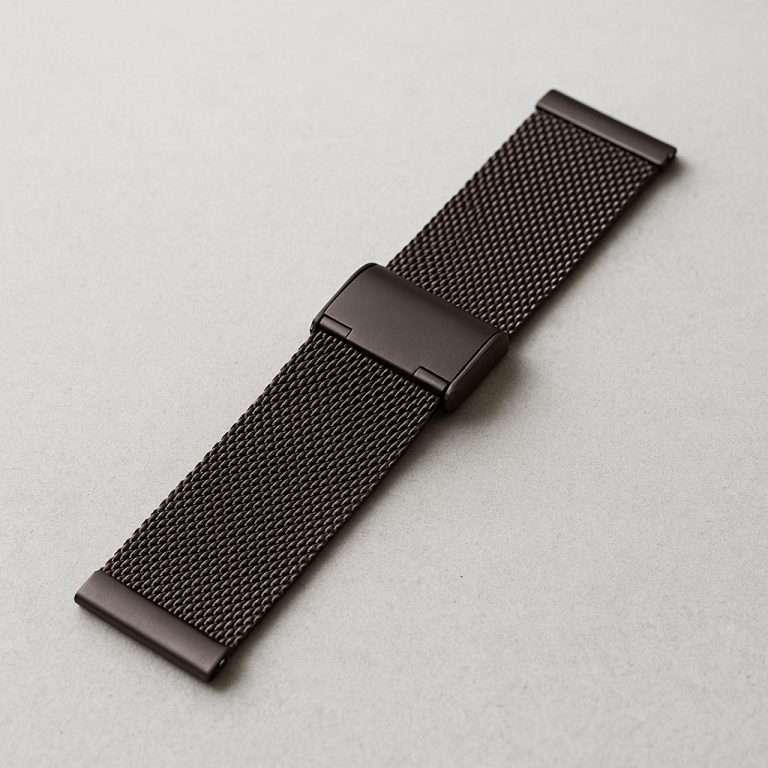
Most metal watch bracelets are made from stainless steel, chosen for its durability and resistance to corrosion. Metal conducts heat rapidly, so when you put on a metal watch in cold weather, it quickly absorbs the temperature of your environment and feels much colder against your skin. This can be especially noticeable if your skin is already cool from exposure.
Cold metal also becomes less flexible and can feel rigid. Any small gaps in the bracelet links may be more noticeable, and the weight of the metal can press uncomfortably on sensitive skin. If your wrist contracts slightly in the cold, the bracelet may not adjust, leading to a looser fit and increased movement of the watch on your wrist.
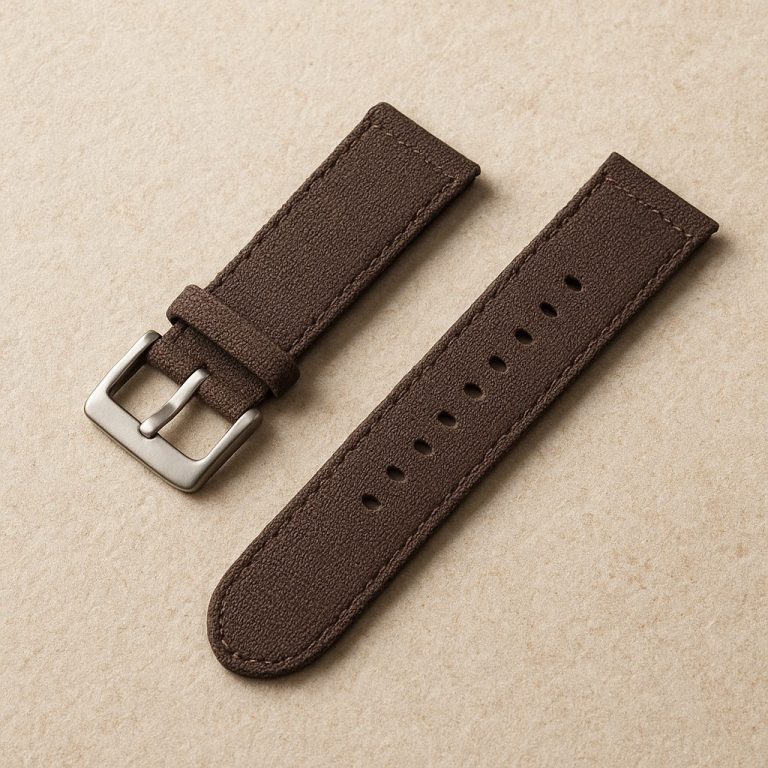
Leather Bands
Leather is less conductive than metal, so it may not feel as cold to the touch, but it does react to temperature changes. In cold conditions, leather can stiffen and lose some of its natural flexibility. This makes the band feel less pliable, and it may dig into the skin or create pressure points, especially if it was already adjusted for a snug fit in warmer weather.
Cold, dry air can also make leather bands more brittle over time, reducing comfort and increasing the likelihood of cracking or creasing. If your skin is dry, friction between the stiff leather and your wrist can add to discomfort.
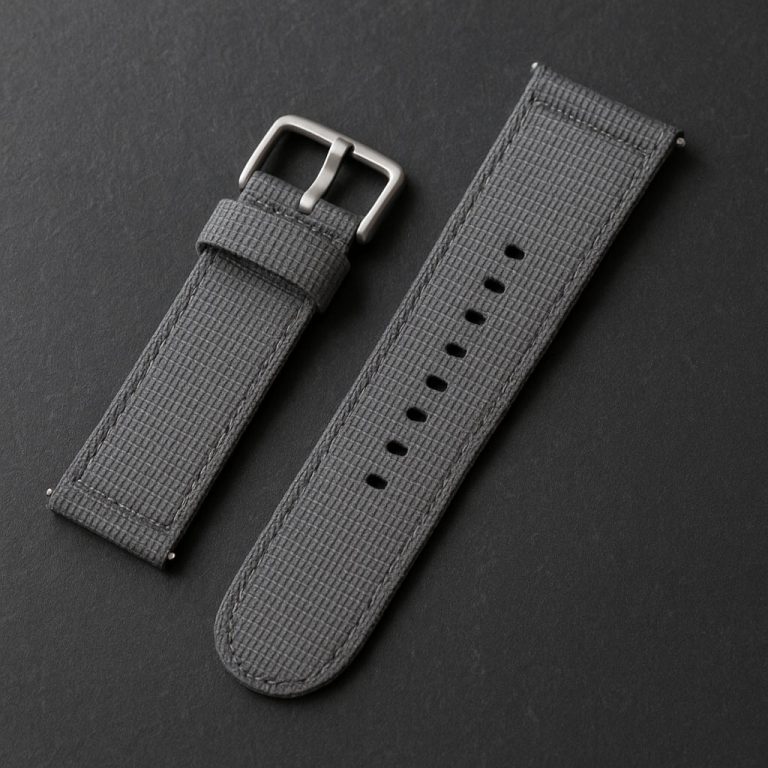
Fabric Bands (Nylon and Blends)
Fabric bands, commonly made from nylon or nylon blends, generally feel less cold than metal or leather. The weave, thickness, and texture of these bands can vary. In cold weather, a dense or tightly woven nylon strap may become stiffer and less elastic. Thinner or loosely woven fabric bands may not provide as much insulation, allowing more of the cold to reach your skin.
Some fabric bands have a slight stretch or softer finish, which can compensate for swelling or contraction of the wrist, but others may feel scratchy or rough when your skin is more sensitive in the cold.
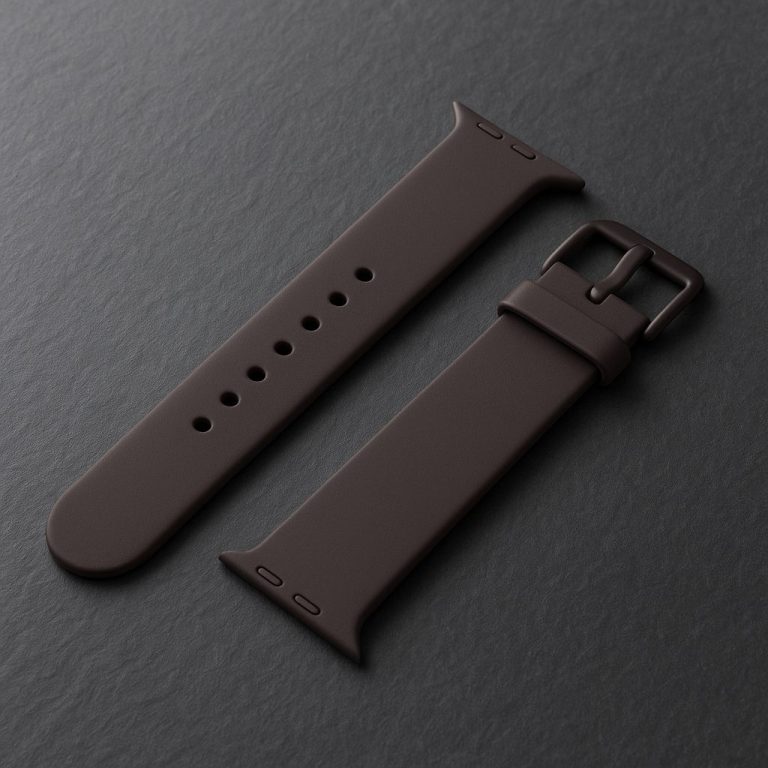
Silicone Bands
Silicone bands are popular for their flexibility and water resistance. In cold weather, silicone can become firmer and less elastic, making the band feel tighter or less comfortable. If your wrist is cold and slightly contracted, a firmer silicone band may pinch or leave marks on the skin. However, silicone does not conduct cold as quickly as metal, so the initial temperature shock is usually less pronounced.
The Role of Watch Case Temperature and Fit
Besides the band, the watch case itself can contribute to discomfort. When the case is made from metal, it conducts cold quickly and can press directly against the skin, intensifying the feeling of chill. Even non-metal cases can feel uncomfortable if the band is tight or if the case edges dig into sensitive, cold skin.
Table: How Watch Band Materials React to Cold
| Material | Initial Cold Sensation | Change in Flexibility | Potential Discomfort |
|---|---|---|---|
| Metal | Very cold to touch | Rigid, little change | Sharp chill, increased pressure on bones |
| Leather | Mild chill | Stiffens, less pliable | Digging, dry friction, pressure points |
| Fabric (Nylon/Nylon Blends) | Less cold | May stiffen or lose stretch | Scratchiness, roughness if skin is sensitive |
| Silicone | Minimal chill | Firmer, less elastic | Tightness, pressure marks |
Why the Fit of Your Watch Changes With Temperature
Body tissues change slightly with temperature. When exposed to cold, your wrist may shrink by a few millimeters as the skin and underlying tissue contract. A watch band that fits perfectly in warm weather may suddenly feel loose, causing the watch to slide or twist more. In contrast, a band already adjusted tightly could become uncomfortable, pressing more directly on the skin and underlying bones.
Some bands—especially those made of fabric with some elasticity—can adapt to minor changes in wrist size. Rigid bands, such as metal bracelets or stiff leather, may not accommodate these fluctuations, making discomfort more likely in cold conditions.
Managing Watch Discomfort in Cold Conditions
Small adjustments can help make your watch more comfortable when your wrist is cold:
- If you know you’ll be in the cold, consider loosening the band slightly before heading out. This can prevent pinching as your wrist contracts.
- Warming your watch (for example, by holding it in your hand or pocket for a minute) before putting it on can reduce the initial temperature shock, especially with metal bracelets or cases.
- If your skin is dry or sensitive in cold weather, a fabric or silicone band may feel gentler than metal or stiff leather, though this depends on personal preference and the specific weave or finish of the material.
- Check for any sharp edges or protruding components around the lugs or attachment points, as these can become more noticeable when your skin is cold and less cushioned.
For those who switch between different bands, trying a few styles in colder conditions can help identify which material and fit feel best for your wrist and activity level.
Adjusting Your Watch Habits for Cold Weather Comfort
The discomfort you feel when wearing a watch on a cold wrist isn’t just in your imagination—it’s a combination of how the body responds to cold and how different watch materials behave at lower temperatures. Paying attention to fit, band material, and temperature can help you avoid discomfort and keep your watch-wearing experience pleasant, even on the coldest days.