Why some watch bands pick up stains more easily than others
Why Some Watch Bands Are More Prone to Staining
A nylon strap that starts to look grimy after a few months, a leather band developing dark patches, or a silicone band picking up marks from a new pair of jeans—these are familiar situations for anyone who wears a watch daily. While some bands seem to shrug off dirt and stains, others quickly show signs of use. The reason lies in the materials and structures that make up different watch bands, as well as how they interact with the environment and the wearer’s daily habits.
Material Matters: How Composition Affects Stain Absorption
The primary factor influencing how easily a watch band picks up stains is its material. Each type—metal, leather, fabric (often nylon or nylon blends), and silicone—offers unique properties that affect stain resistance and cleaning difficulty.
| Material | Stain Resistance | Why It Stains or Resists |
|---|---|---|
| Metal (usually stainless steel) | High | Non-porous surface, resists liquids and most pigments |
| Leather | Low | Porous, absorbs oils, sweat, and dyes easily |
| Fabric (nylon or blends) | Moderate to low | Absorbs liquids and particles; weave density and finish matter |
| Silicone | Moderate | Non-porous but can attract surface stains and dyes |
Metal Bands: Why Stainless Steel Stays Clean
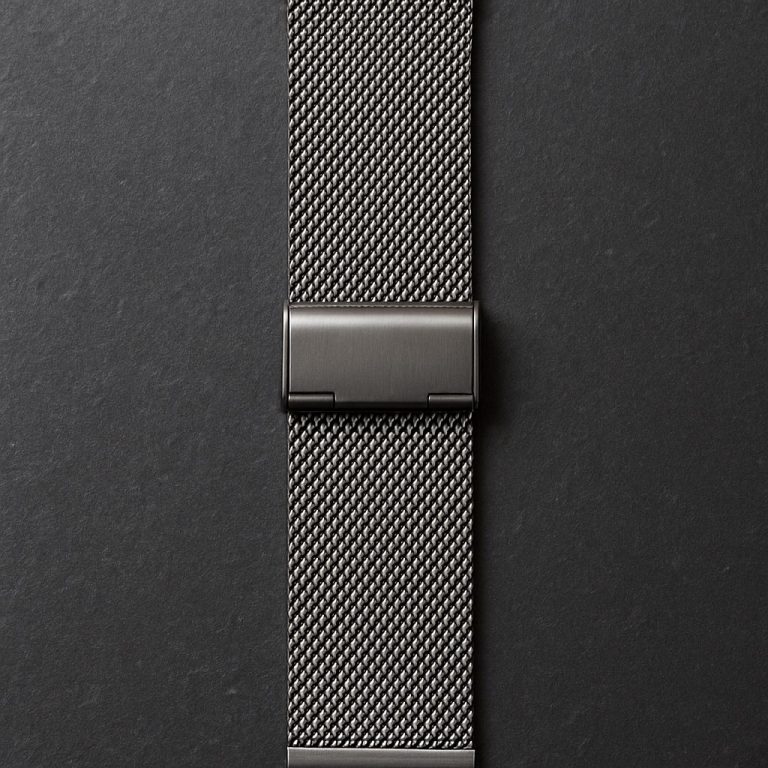
Metal watch bands, most commonly made from stainless steel, tend to resist staining better than other types. Stainless steel’s smooth, non-porous surface prevents most liquids and pigments from penetrating. This makes dirt, food, or ink more likely to sit on the surface, where it can be wiped away before it sets in. However, small gaps between links can collect grime, and exposure to corrosive substances or sweat over long periods can cause discoloration if not cleaned regularly.
Leather Bands: The Challenge of Porosity
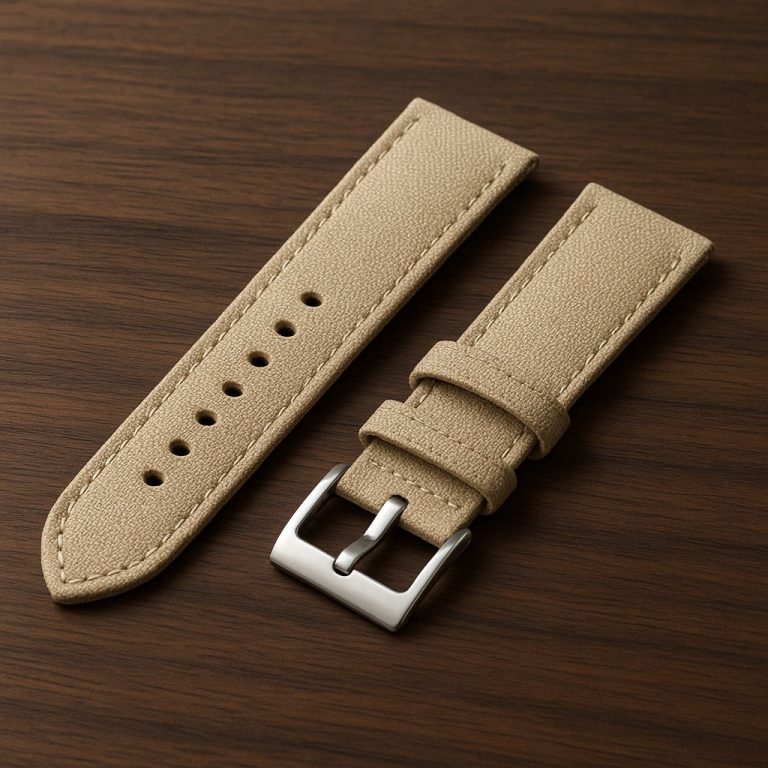
Leather is naturally absorbent. Its structure allows moisture, oils, and dyes to seep below the surface, creating permanent stains. Everyday factors like sweat, skin oils, and even colored clothing can transfer to leather, especially if the band gets damp. Light-colored leather is particularly vulnerable, as any discoloration stands out more. Conditioning and protective sprays can help, but over time, most leather bands will show some darkening or staining, especially around the holes and edges.
Fabric Bands: Weave and Fiber Play a Role
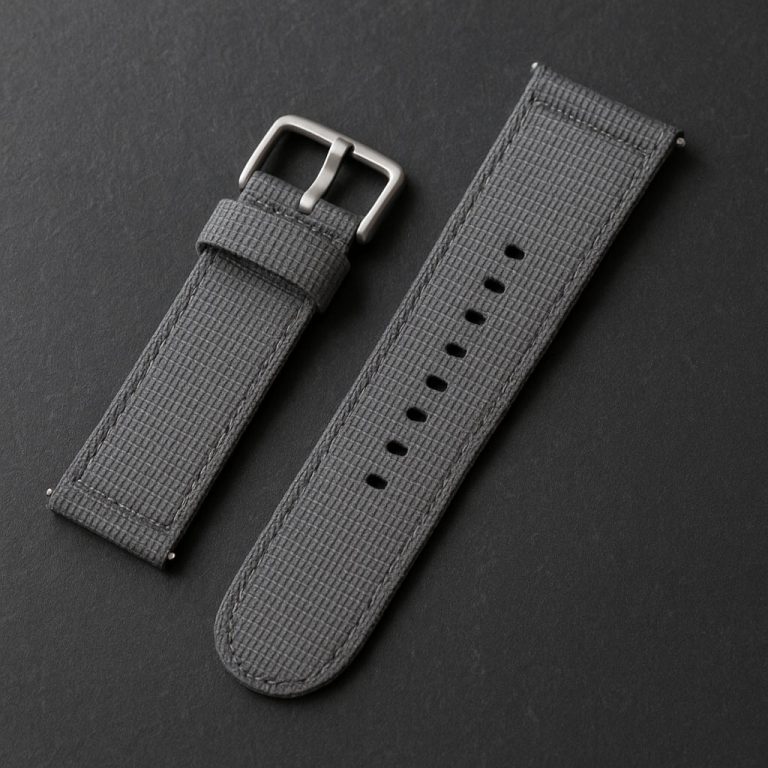
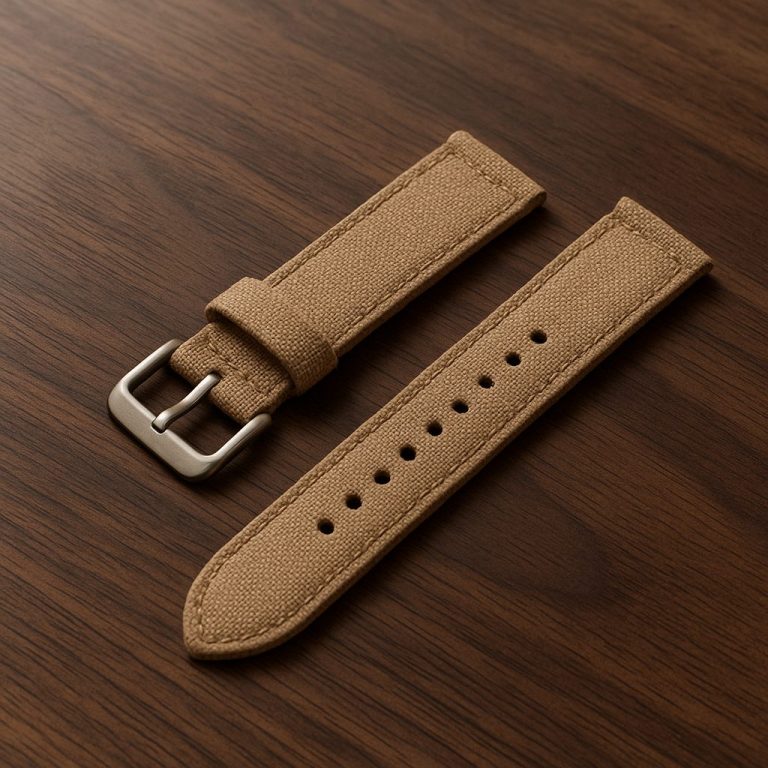
Most fabric watch bands are made from nylon or nylon blends. The way the fabric is woven—tight or loose, thick or thin—affects how much moisture and dirt it can absorb. A densely woven nylon strap with a smooth finish resists stains better than a softer, more textured band. Some fabric bands are treated with water-repellent coatings at the factory, but these can wear off with use and washing. Sweat, mud, and colored liquids can soak in, especially if the band is left damp for long periods.
Silicone Bands: Surface Staining and Dye Transfer
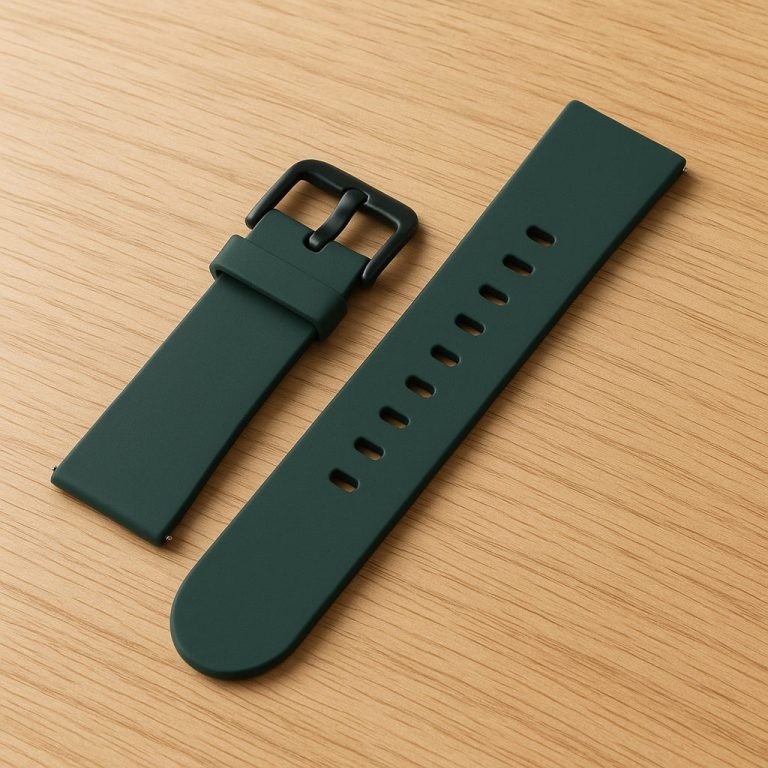
Silicone bands are non-porous, so they don’t absorb liquids like leather or fabric. However, their slightly tacky surface can attract dust, lint, and dyes from new clothing. For example, a white silicone band may pick up blue marks from a pair of jeans, or develop a yellowish tint from prolonged contact with skin oils and sunscreen. Unlike leather, most stains on silicone stay on the surface, but some pigments can be stubborn to remove, especially if the band isn’t cleaned soon after exposure.
How Everyday Habits and Environments Influence Staining
The way a watch is worn and the environments it is exposed to also impact how quickly a band stains. Frequent hand washing, exercise, gardening, or outdoor activities all increase the risk, especially for absorbent materials. Wearing a leather band during workouts, for example, can cause sweat to soak in and leave dark marks. A fabric band worn while swimming may collect minerals or pool chemicals, leading to discoloration if not rinsed afterward.
Even something as simple as resting a wrist on a freshly inked notebook or wearing a light-colored band with new, dark denim can create visible stains. Regular cleaning and rotating between bands for different activities can help minimize permanent marks.
Surface Texture and Color Influence Stain Visibility
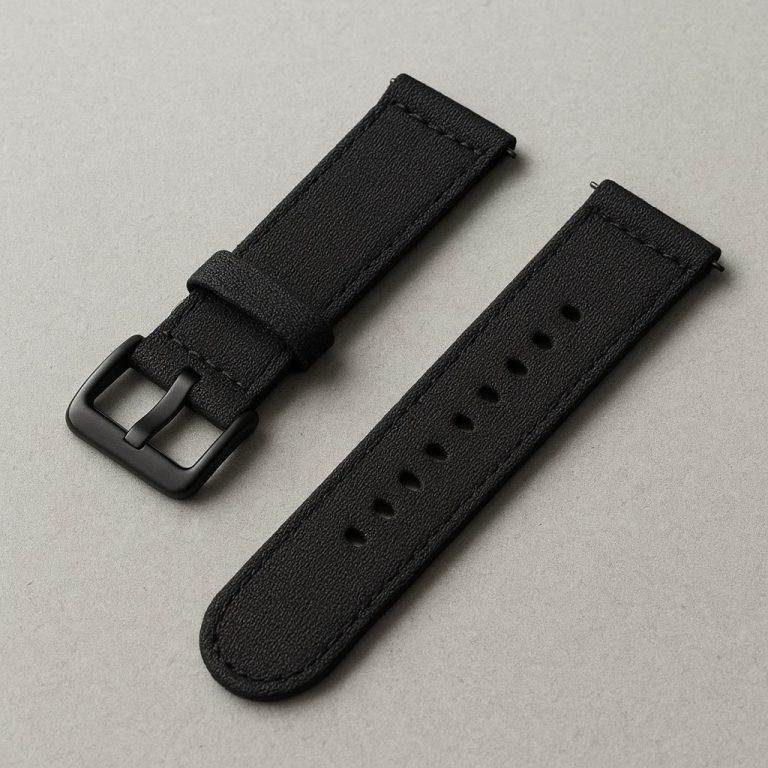
Beyond the base material, the texture and color of a watch band affect both how easily stains stick and how visible they are. Smooth, glossy finishes shed dirt more easily than textured or matte surfaces. Darker colors hide minor discoloration, while lighter colors highlight even faint marks.
For example, a tightly woven, dark nylon band may look clean long after a pale, soft-finished one shows visible grime. On silicone, a matte finish may hold onto smudges more than a highly polished one. The same principle applies to leather, where grainy or suede finishes are more prone to visible staining than polished leathers.
Practical Steps to Prevent and Address Staining
Understanding why some bands stain more easily helps in choosing the right band for particular activities and knowing how to care for them:
- Choose the right band for the activity: For exercise or outdoor work, a silicone or metal band is less likely to stain than leather or fabric.
- Clean regularly: Wipe metal and silicone bands with a damp cloth. Nylon straps can be rinsed with mild soap and water, then air-dried. Leather should be cleaned with a suitable leather cleaner and kept dry.
- Watch for color transfer: Be cautious with new, dark clothing or inked surfaces. If a band comes into contact with potential staining agents, clean it as soon as possible.
- Rotate bands: Switching between bands for different settings can extend their appearance and lifespan.
For example, after a day spent hiking or swimming, a quick rinse of a nylon strap or gentle wipe-down of a silicone band can prevent stains from setting in.
Recognizing Material Limits for Daily Wear
Every watch band material has its strengths and weaknesses when it comes to stains. Metal resists most staining but can collect grime in joints. Leather absorbs what it touches, especially if exposed to moisture. Fabric bands vary widely, with dense nylon holding up better than loose or untreated weaves. Silicone bands repel most liquids but may pick up dye transfer. Choosing a band with these factors in mind—and caring for it appropriately—can help maintain a clean, fresh look for longer, even with regular use.