Why does my watch band keep sliding down my wrist and how can I fix it
Why Your Watch Band Slides Down: A Closer Look at the Problem
After putting on your watch in the morning, you might notice that it doesn’t stay in place. By the middle of the day, the watch has slipped down your wrist, resting on the heel of your hand or spinning loosely. This constant sliding can be distracting, uncomfortable, and even risky if it causes the watch to catch on objects or fall off entirely. Understanding why this happens and what you can do about it can help you enjoy a more secure and comfortable fit.
Common Reasons a Watch Band Slips Down the Wrist
Several factors can cause a watch band to slide down. Identifying the specific cause is the first step toward fixing it. The most common reasons include:
- Improper band fit or adjustment
- Band material characteristics
- Worn-out or stretched bands
- Attachment mechanism issues
Improper Band Fit
If a watch band is too loose, gravity will naturally pull the watch toward the narrowest part of your wrist or even onto your hand. This is especially noticeable if you have a smaller wrist or if the band size does not match your wrist circumference well. Most watch bands are designed with multiple adjustment holes, removable links, or adjustable clasps, but if these are not set correctly, slipping will occur.
Band Material and Its Impact
The material of your watch band influences both its fit and grip. Here’s a quick overview:
| Band Material | Why It Might Slide | Best Fixes |
|---|---|---|
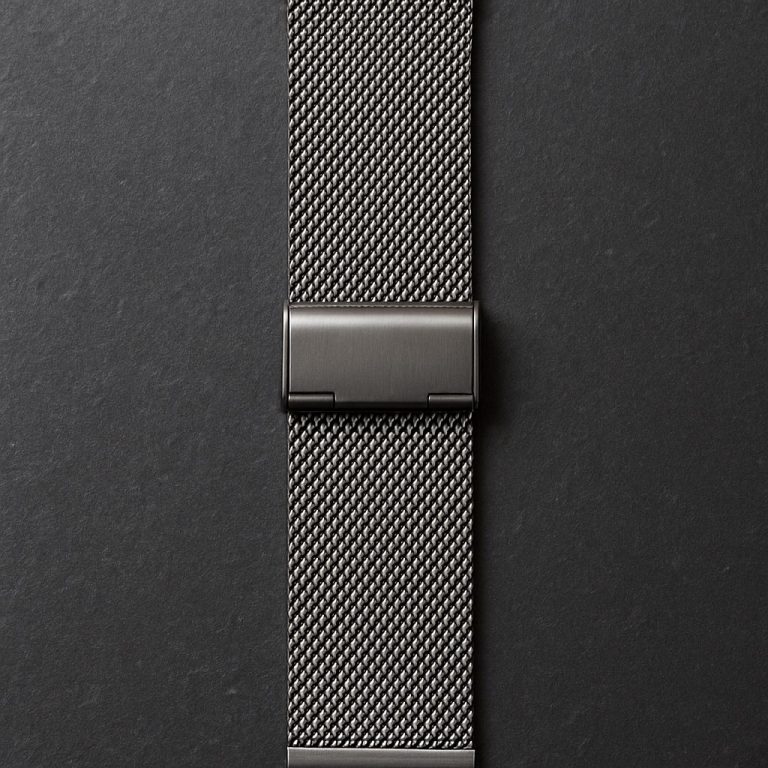
| Metal (usually stainless steel) | Rigid, can be heavy; links may not match wrist size exactly | Remove/add links; use micro-adjustment on clasp |
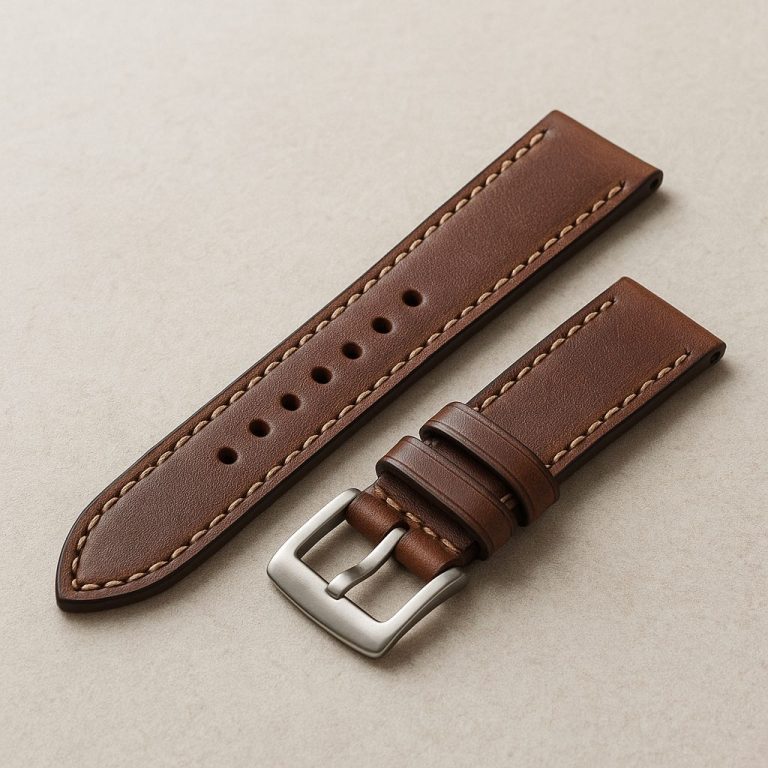
| Leather | Stretches over time; can become slippery with sweat | Punch extra holes; replace if overly stretched |
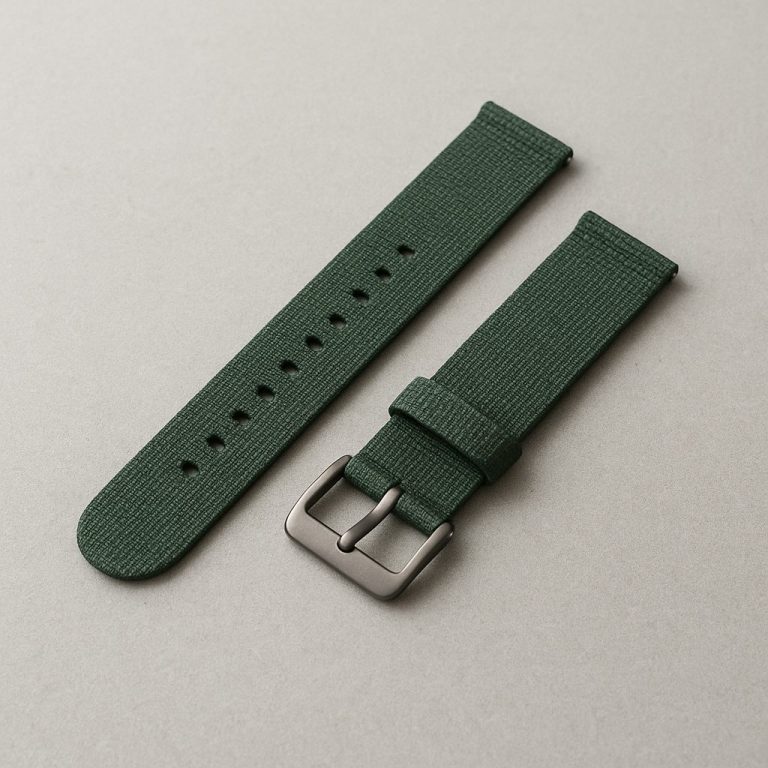
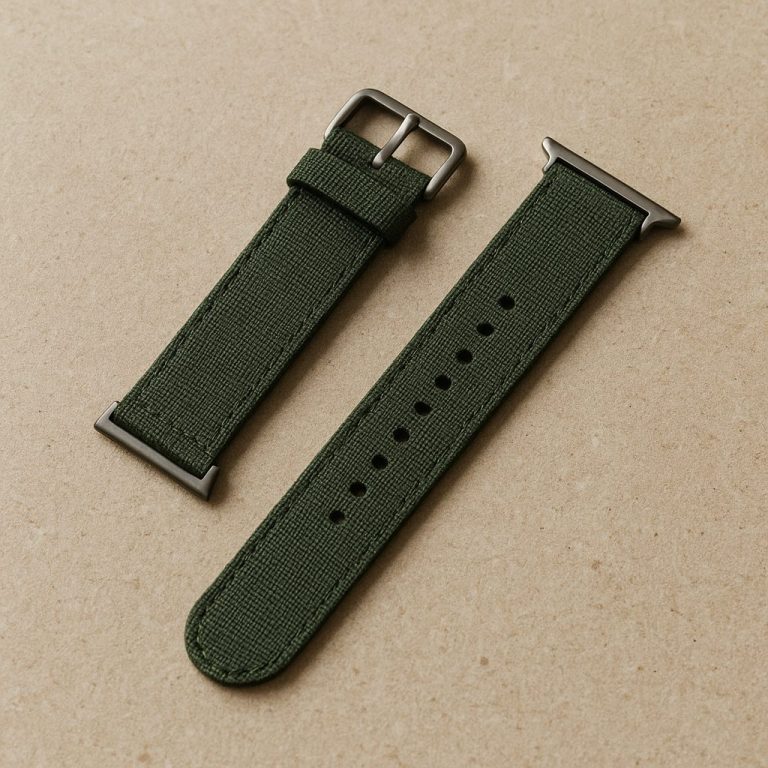
| Fabric (typically nylon blends) | Varies in weave and elasticity; some are slippery or stretch out | Adjust buckle; consider a denser weave for more grip |
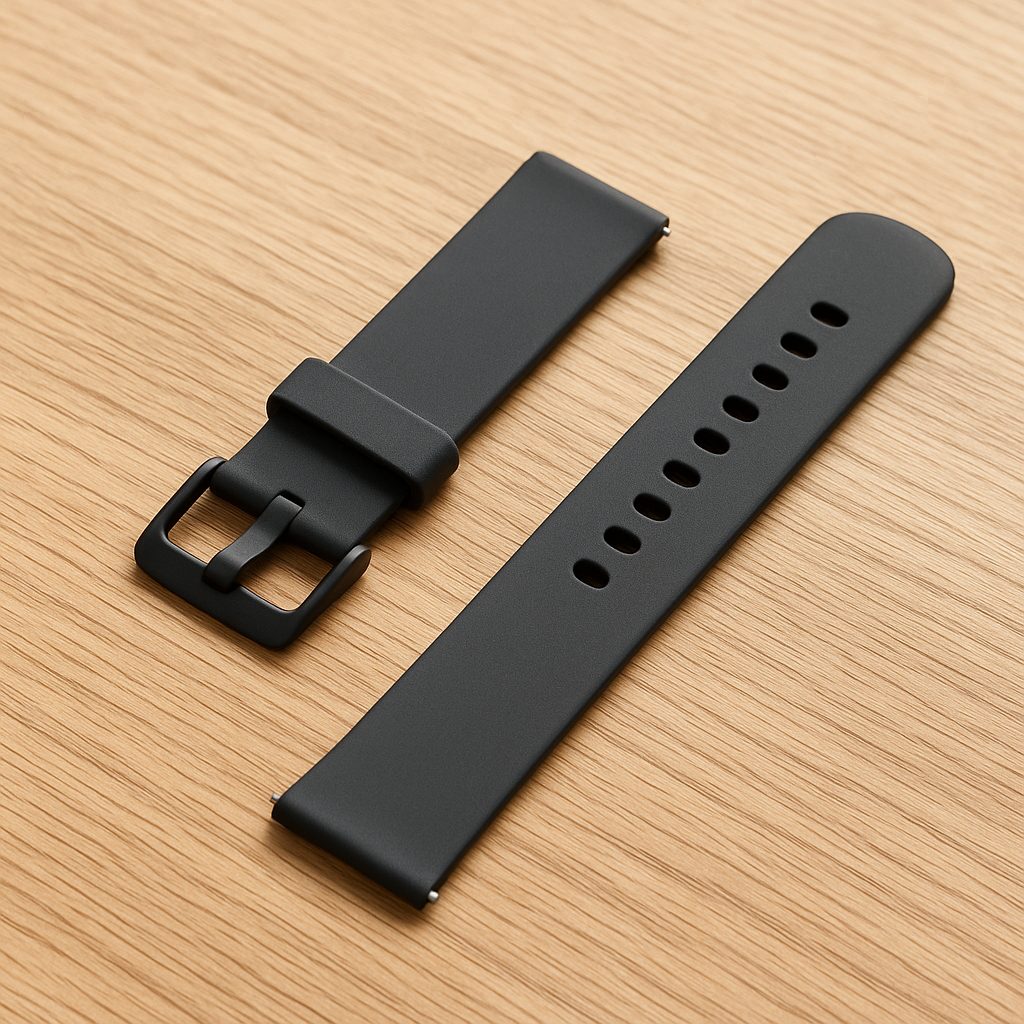
| Silicone | Can become slick with sweat; may stretch over time | Clean band regularly; adjust tightness |
Metal bands, most often made from stainless steel for durability and corrosion resistance, are adjusted by adding or removing links, but sometimes even the closest setting isn’t perfect for every wrist size. Leather bands can stretch and develop a slick surface, especially if exposed to moisture or sweat. Fabric bands, generally made from nylon or nylon blends, may vary: some have tighter weaves or thicker construction for better grip, while others are lighter and can move more easily on the skin. Silicone bands, popular for their flexibility and water resistance, may become slippery if exposed to sweat or lotion, causing them to slide more than expected.
Worn-Out or Stretched Bands
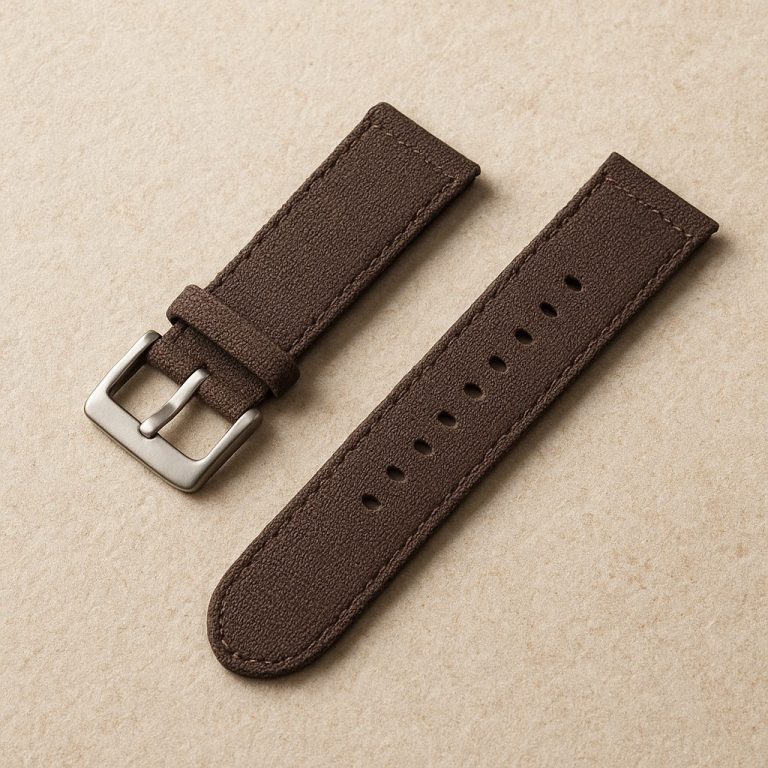
Over time, any watch band can lose its original shape. Leather can soften and stretch, especially if it’s repeatedly exposed to moisture. Fabric bands may become thinner and looser as the weave relaxes. Silicone bands might lose some elasticity with age, and even metal bands can develop loose links or worn clasps. These changes make it harder for the band to maintain a snug fit, increasing the likelihood of slipping.
Attachment Mechanism Issues
The way the band connects to the watch case also matters. Most bands are attached to the lugs of the watch using spring bars or quick-release pins. If these components are not secure, or if the band is not properly seated in the lugs, the band may shift or detach slightly, causing instability. In rare cases, a worn or damaged spring bar can make the band feel looser than it actually is.
How to Stop Your Watch Band from Sliding
Once you identify the cause, you can take concrete steps to keep your watch in place. Here are practical approaches based on the most common causes:
Adjust the Fit
- For metal bands: If the bracelet is too loose, remove a link (or have a professional do it) for a tighter fit. Some clasps offer micro-adjustment holes; moving the spring bar to a different hole can help fine-tune the fit.
- For leather bands: If the smallest hole is still too loose, a leather punch can add a new hole for a more tailored fit. If the band is stretched beyond adjustment, consider replacing it.
- For fabric bands: Adjust the buckle or clasp for a snugger fit. Some denser-weave or thicker nylon blends provide better grip and are less likely to stretch or slip.
- For silicone bands: Tighten the band to the next notch, but avoid making it uncomfortably tight. Cleaning the band of any oils or lotions can also improve grip against skin.
Clean and Maintain the Band
Residue from sweat, lotions, or dust can make a band—especially silicone or leather—slippery. Regularly wipe down your band with a damp cloth and allow it to dry before use. For leather, use a cleaner appropriate for the material and avoid soaking. Silicone and fabric bands can often be rinsed under water, but ensure they dry completely before wearing.
Inspect for Wear and Tear
Look for signs of stretching, fraying, or thinning in fabric and leather bands. Check silicone bands for loss of elasticity or surface slickness. With metal bands, examine for loose or worn links and check the clasp’s security. If a band is too worn out to maintain a secure fit, replacement is the most effective solution.
Check the Attachment Points
Ensure the band is properly installed between the lugs using the correct spring bars or quick-release pins. If you notice any movement at the attachment point or if the band seems unstable, carefully remove and reattach it, making sure the spring bar clicks securely into place. If a spring bar is damaged or seems loose, replacing it can restore the watch’s stability.
When Wrist Size Changes During the Day
It’s normal for wrist size to fluctuate slightly due to changes in temperature, activity level, or hydration. For example, your wrist may be slimmer in the morning and swell slightly by afternoon. Adjustable bands—such as those with sliding buckles or hook-and-loop closures—can accommodate these changes more easily. For rigid metal bracelets, using the clasp’s micro-adjustment feature can help compensate for minor size differences.
Choosing the Right Band for a Secure Fit
Some wrist shapes or activities make slipping more likely. For example, if you have a tapered wrist or do repetitive movements, a more flexible or grippy material may help. Denser or textured fabric bands and silicone bands with added surface texture can provide extra hold. When choosing a replacement or alternative band, consider factors like weave density for fabric bands or the availability of fine adjustment features for metal bracelets.
Preventing Watch Band Sliding in Everyday Use
A watch band that fits securely and matches the size and shape of your wrist should not continually slide down. Check for proper adjustment, keep the band clean, and replace it when wear and tear reduce its ability to maintain a snug fit. Paying attention to small details—like the condition of spring bars or the tightness of a buckle—can make a noticeable difference. With the right adjustments and ongoing care, your watch will stay comfortably in place throughout the day.