What causes a watch band to feel tighter after periods of inactivity
Why a Watch Band May Feel Tighter After Sitting Still
After sitting at a desk for a few hours or waking up from a nap, a watch band that felt comfortable earlier can suddenly feel snug or even uncomfortably tight against the wrist. This sensation isn’t always caused by an adjustment or a change in the band itself, but often relates to how the body and certain materials respond to periods of inactivity. Understanding the reasons behind this can help you manage your watch’s comfort throughout the day.
Physical Changes in the Wrist During Inactivity
The most direct reason a watch band feels tighter after being still for a while is a subtle change in your wrist’s size and shape during periods of inactivity. When you remain seated or keep your arm in the same position for extended periods—such as at a computer, during long meetings, or while sleeping—blood and fluid can accumulate in your extremities. This process, known as “dependent edema,” is more noticeable in the hands and wrists because gravity encourages fluid to settle in the lowest points.
As fluid builds up, the circumference of your wrist can increase slightly. Even a small amount of swelling is enough to make a previously comfortable band—whether metal, leather, fabric, or silicone—feel noticeably snugger.
Common Situations That Cause Wrist Swelling
- Long periods of sitting with your hands resting at or below waist level
- Sleeping with the arm tucked under a pillow or body
- Hot environments, which can dilate blood vessels and encourage fluid retention
- Minor injuries or repetitive motion, which can cause localized swelling
Temperature also plays a role; heat can make swelling more pronounced, while cold temperatures may reduce it.
How Watch Band Materials Respond to Swelling
The type of watch band you wear can influence how noticeable this tightness becomes. Each material responds differently to changes in wrist size and environmental conditions:
| Material | Response to Swelling | Additional Factors |
|---|---|---|
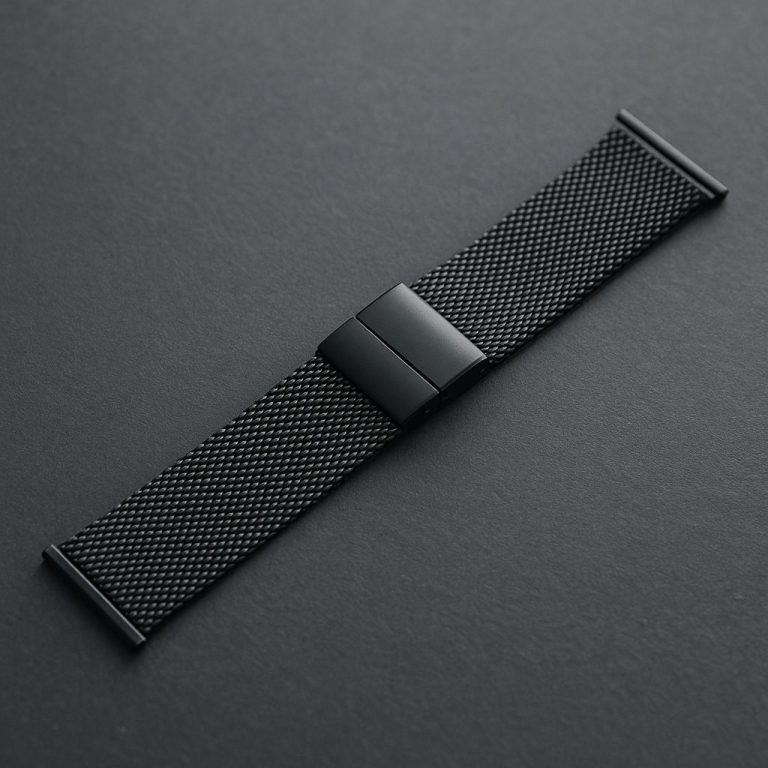
| Metal (usually stainless steel) | Rigid; does not stretch, so swelling leads directly to tightness | Temperature can affect metal, making it feel colder or warmer, but does not change its flexibility |
| Leather | Minimal flexibility; may soften over time but does not stretch significantly in the short term | Can absorb sweat, becoming stiffer or more pliable depending on moisture |
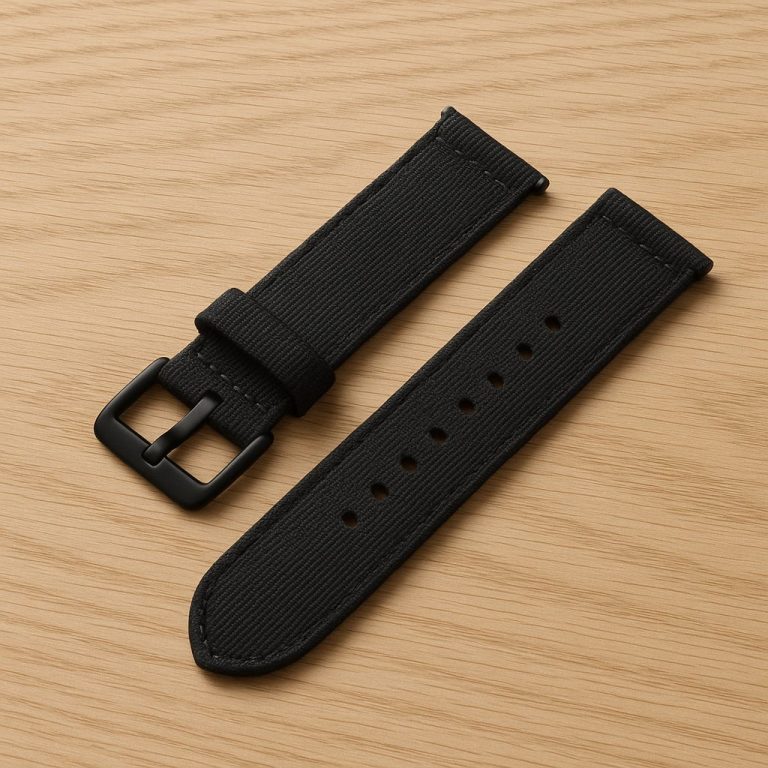
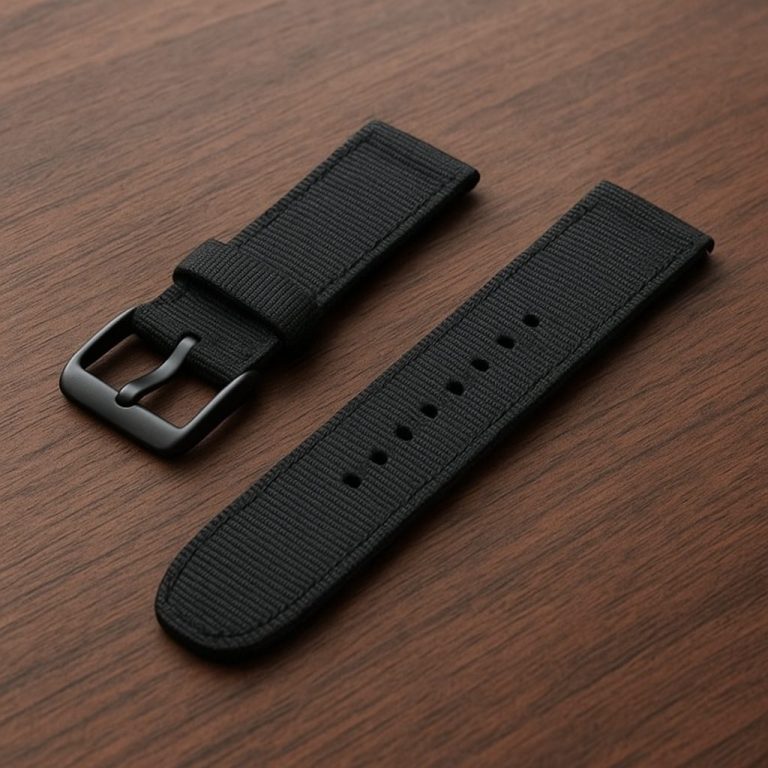
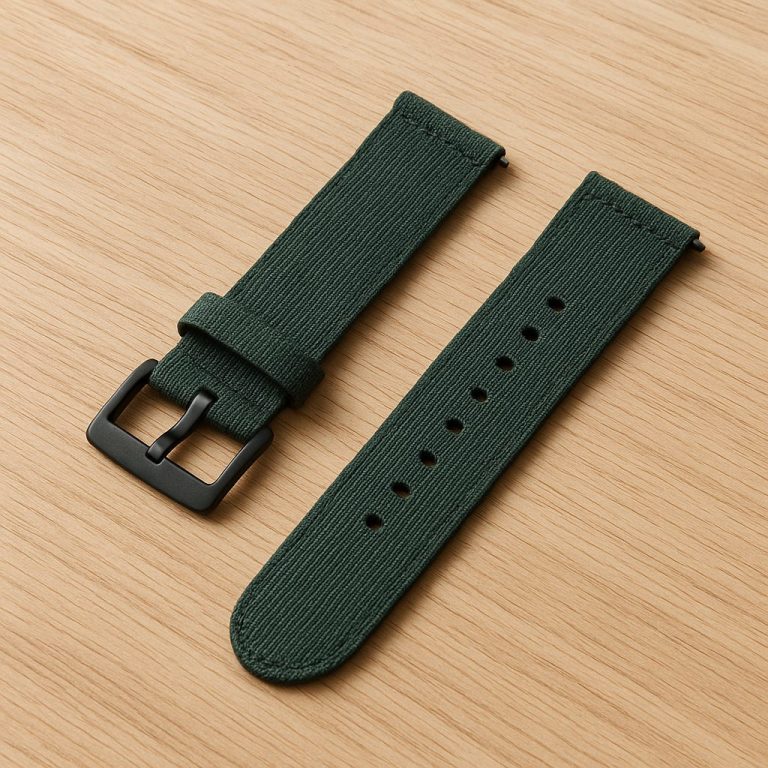
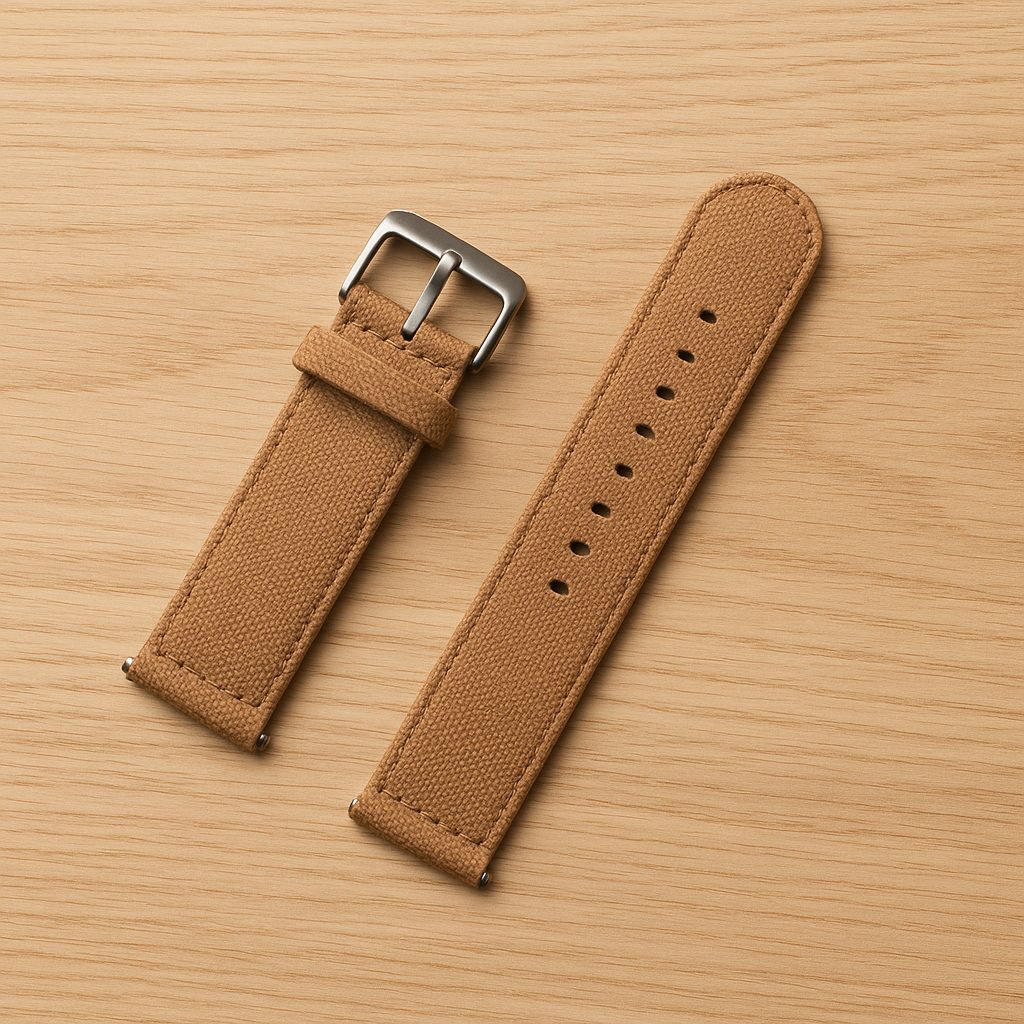
| Fabric (commonly nylon blends) | Some give depending on weave and thickness; high-density weaves less stretchy, looser weaves or elastic blends more forgiving | Moisture can cause some fabrics to expand or contract slightly |
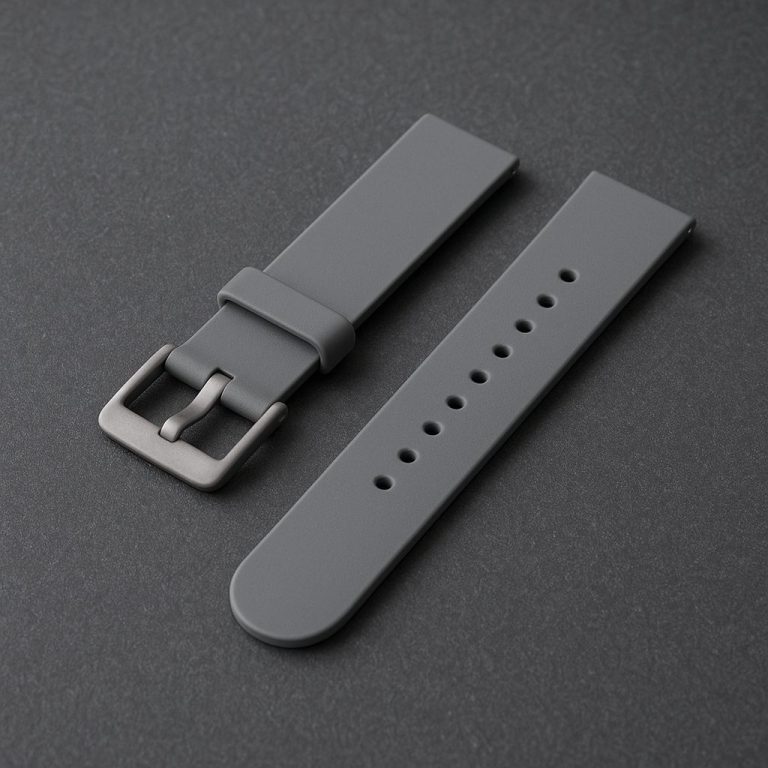
| Silicone | Flexible; can stretch to accommodate slight swelling, but may still feel tight if the fit was already close | May trap moisture under the band, increasing the sensation of tightness |
For rigid materials like stainless steel, which is commonly used for its durability and corrosion resistance, even minor swelling can produce a noticeable increase in pressure. In contrast, certain fabric bands—especially those with a looser weave or a touch of elasticity—may accommodate small wrist changes more comfortably. Leather and silicone bands fall somewhere in between, with silicone providing more stretch than leather but still pressing against the skin if the fit is already snug.
Wrist Position and Band Tension
How a watch sits on your wrist during inactivity also affects perceived tightness. When your hand is relaxed or bent, the muscles and tendons around the wrist can shift, subtly changing the shape of your wrist. A band that was comfortable during movement might press into the skin when the wrist is flexed or at rest for a long time.
Additionally, watch bands that use a clasp or buckle (such as those with holes or micro-adjustments) offer less ability to adapt to these small changes than bands with hook-and-loop or stretch designs. This lack of micro-adjustment can make swelling more noticeable until you move and circulation returns to normal.
Environmental Influences on Band Fit
Changes in temperature and humidity can also affect both your wrist and the band itself. Warm environments tend to increase swelling and may also cause some materials to expand. For example, leather bands may become softer and more pliable in humid conditions, while some types of fabric may absorb moisture and feel bulkier. Silicone bands, while resistant to water, can trap sweat, making the area beneath the band feel tighter or stickier during inactivity.
On colder days, reduced blood flow often leads to less swelling, and a band that felt tight in the afternoon might feel loose in the morning. This variation can be especially evident with rigid metal bracelets, where no flexibility exists to compensate for these changes.
Attachment Mechanisms and Adjustability
The way a watch band attaches to the watch case and how easily it can be adjusted also contribute to comfort after inactivity. Most watch bands connect to the case using lugs and are secured with spring bars or quick-release pins. The band itself may use a variety of closure methods, such as a traditional buckle, deployant clasp, sliding clasp, or hook-and-loop closure.
Bands with more precise adjustment options—such as those with multiple micro-adjustment holes, sliding clasps, or stretch sections—can be loosened or tightened quickly in response to swelling. In contrast, bands with fixed holes or rigid clasps may have fewer adjustment points, forcing the wearer to choose between slightly loose or slightly tight fits.
Practical Example: Desk Work and Watch Band Tightness
Typing at a computer for several hours is a common situation where watch band tightness changes become noticeable. As the hand rests below heart level, mild swelling can occur, especially in warmer offices or after consuming salty foods. A stainless steel bracelet with a deployant clasp provides no stretch, so the band may dig into the wrist by the afternoon. A silicone band may stretch slightly but can trap moisture, increasing discomfort. A nylon blend band with some elasticity might accommodate the swelling more comfortably, but weave density and texture still play a role in perceived tightness.
In these cases, taking short breaks, raising the hands, or loosening the band temporarily can provide relief. Some people choose bands with sliding adjustments or stretch features specifically to handle these daily fluctuations.
When to Take Action
If a watch band consistently feels tight after inactivity, it may be worth considering a different closure style or a material that better adapts to small changes in wrist size. Being aware of how your daily habits, environment, and activities influence swelling can help you manage comfort more effectively. Even small adjustments—such as choosing a band with a more flexible fit or making use of micro-adjustments—can make a significant difference in how your watch feels throughout the day.