Why a watch band you rarely wore can suddenly become a favorite
How Preferences for a Watch Band Can Shift Over Time
You notice a watch band in your collection that has barely been worn, despite being in perfect condition. After months or even years of sitting unused, you decide to attach it to your watch again—only to find it suddenly feels just right. What changed? This shift from neglect to preference with a watch band is a familiar experience, and it often happens for reasons you might not expect.
Personal Circumstances Change
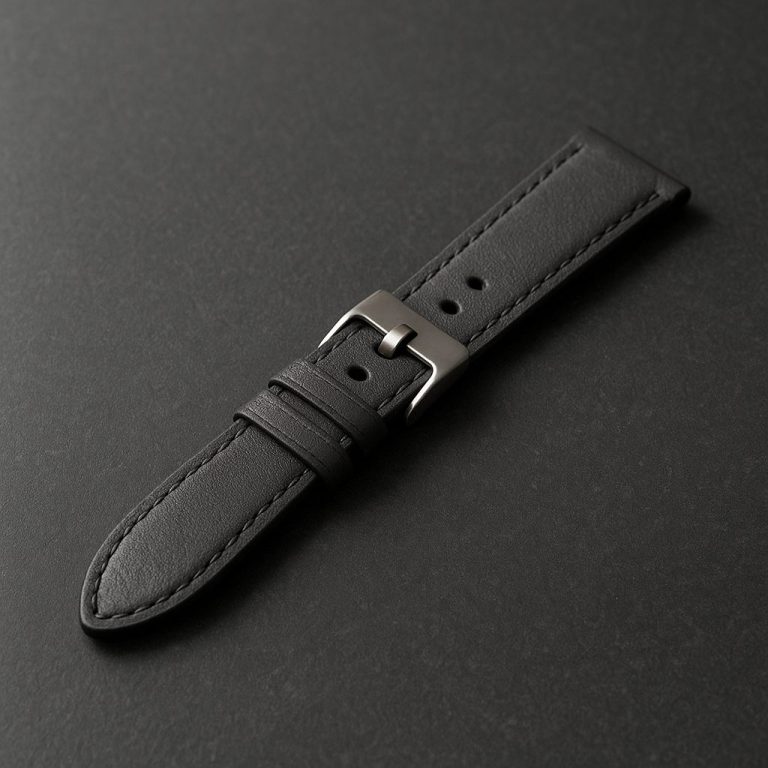
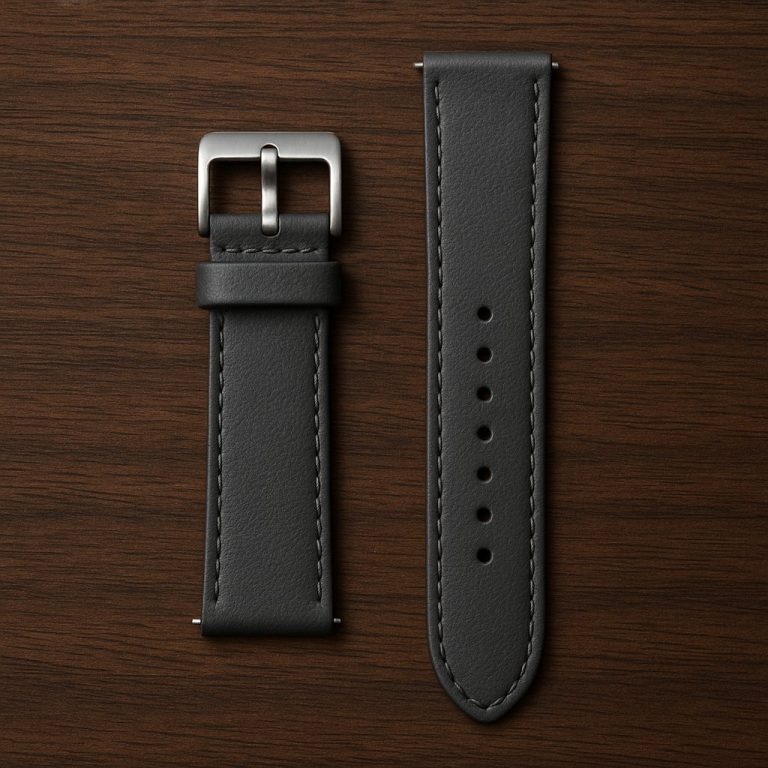
Your daily routine, activities, or even wardrobe can shift over time, affecting how you perceive and use different watch bands. For example, a leather band that felt too formal during a period of mostly casual dress may become a favorite if you start attending more professional events. On the other hand, a silicone band that once felt too sporty might become your go-to for a new exercise routine or outdoor activities.
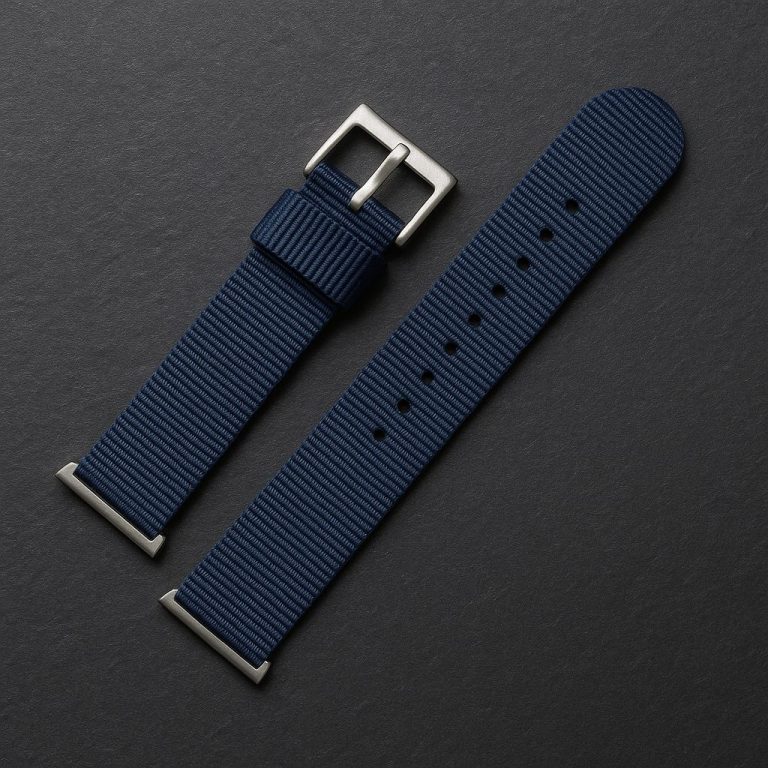
Weather and climate are also factors. Fabric bands, most commonly made from nylon or nylon blends, often feel lighter and more breathable in warmer months. Their weave density, thickness, and elasticity can make certain variations more comfortable at different times of year. A thicker, tightly woven nylon band might have felt too warm in summer, but suddenly becomes appealing in cooler weather.
Table: How Changing Circumstances Can Shift Band Preferences
| Situation | Original Experience | New Preference |
|---|---|---|
| Started a fitness routine | Leather band felt too delicate | Silicone band becomes favorite |
| Change in work attire | Fabric band seemed too casual | Leather or metal band feels more appropriate |
| Seasonal weather shift | Metal band felt cold in winter | Nylon blend fabric band now more comfortable |
| Increased outdoor activity | Metal bracelet felt heavy | Lightweight fabric or silicone band preferred |
Comfort and Fit Evolve
Physical comfort is rarely static. As your wrist size subtly changes with fluctuations in weight, hydration, or temperature, a watch band that once pinched or felt too loose might start to fit perfectly. For example, a metal bracelet—usually made from stainless steel for durability and corrosion resistance—might initially feel stiff or heavy but gradually becomes more comfortable as you get used to its presence. Similarly, a silicone band can become softer and more flexible as it is worn, or as you adapt to its feel over time.
Sometimes, your tolerance for certain textures or materials changes as well. If you develop a sensitivity to one material, you may find yourself reaching for another. Conversely, a band that once irritated your skin might no longer cause issues due to changes in skin condition or climate.
Style Preferences and Trends Shift
Personal taste is influenced by trends, social context, and even your own evolving sense of style. A metal bracelet that seemed too flashy before may feel perfect as your appreciation for bold accessories grows. Conversely, if minimalism becomes appealing, a simple, matte-finish silicone band or a low-profile fabric band with a plain weave might suddenly match your mood and wardrobe better.
As you acquire new clothing, shoes, or other accessories, your sense of coordination may change, making certain bands more attractive. A band that once clashed with your typical outfits might now complement them perfectly.
Practical Needs Come to the Fore
The demands of your daily life can make certain watch bands more practical than before. For example, if you travel more often, the ease of a hook-and-loop fabric band might outweigh your previous preference for a metal bracelet. If you start working with your hands or engaging in water-based activities, a silicone band could become indispensable due to its water resistance and easy cleaning.
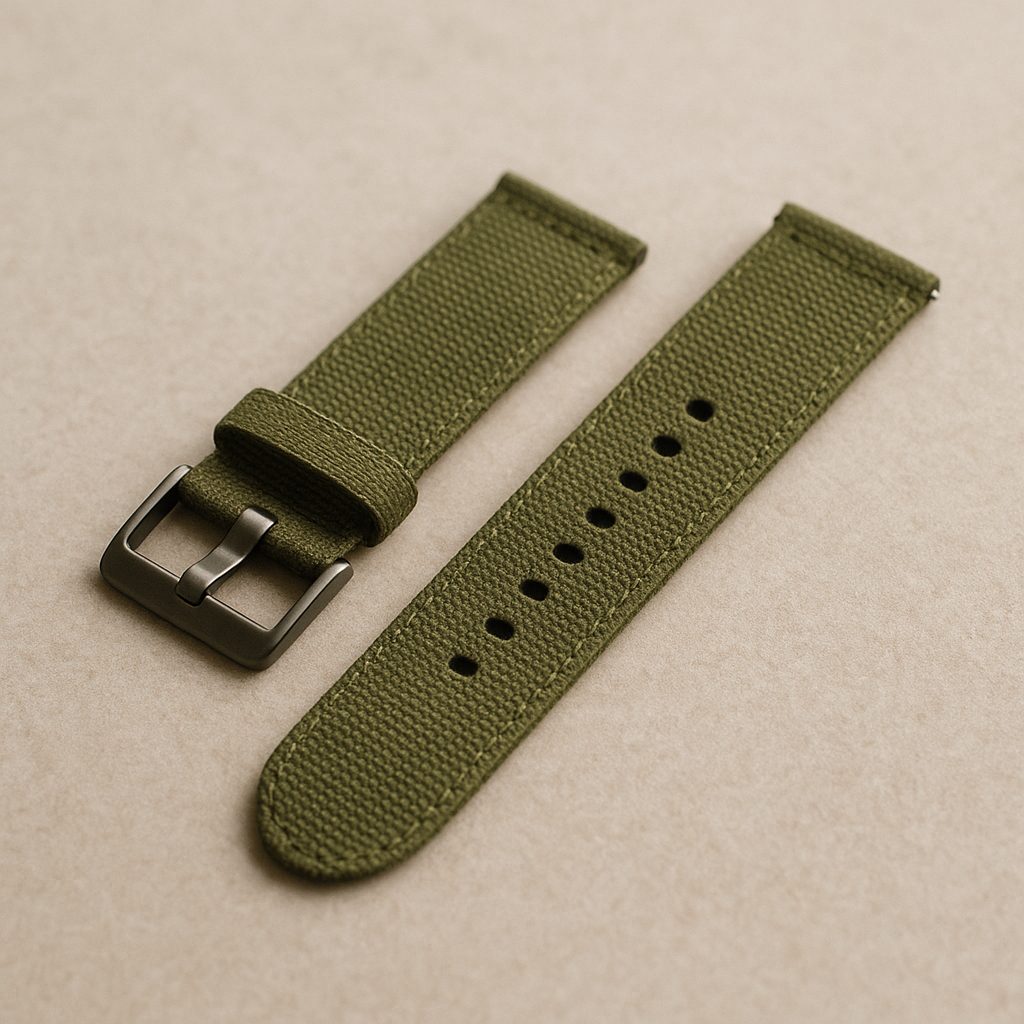
Fabric bands, especially those made from dense, flat-weave nylon, are often chosen for their quick-drying properties and lightweight feel. Depending on the specific type—some are stretchier, while others are more rigid—you may discover that a previously overlooked fabric band is suddenly perfect for your needs.
Maintenance and Perceived Value
Some watch bands require more upkeep than others, and your willingness to maintain them can change. If you previously found cleaning a leather band burdensome, you might later decide the effort is worthwhile for its comfort and appearance, especially if you develop a routine for care. Metal bracelets typically need only occasional cleaning with a soft cloth, which may become more appealing if you have less time for maintenance.
Alternatively, discovering that a silicone band is easy to clean and resistant to sweat might make it your favorite for gym sessions or hot weather, even if you previously ignored it.
Hidden Qualities Discovered Over Time
Sometimes, a feature of a watch band goes unnoticed until circumstances highlight its value. For example, a fabric band’s elasticity might not seem significant until you need a secure but flexible fit for an active day. A metal bracelet’s secure clasp may become more important once you start biking or running, providing peace of mind that the watch won’t slip off.
Even subtle details like the texture of a fabric band—whether smooth or more textured—can suddenly feel appealing when your skin becomes sensitive to other materials. A band’s adjustability, breathability, or the simplicity of its attachment mechanism may also become more important as your needs shift.
Rethinking the Unworn Band
Watch bands often gain new value as your lifestyle and preferences change. If you find yourself drawn to a band you rarely wore before, consider what has shifted in your routine, comfort, or style. Trying out different bands in new contexts can reveal hidden strengths and help you get more enjoyment from your watch collection. The next time an old band catches your eye, a simple change in season, activity, or mindset may be all it takes for it to become your new favorite.