What causes a watch band to stretch or loosen over time
Why Watch Bands Lose Their Snug Fit Over Time
A watch that once fit securely on the wrist may gradually start to slide, twist, or feel less supportive, even without any visible damage. This gradual loosening can be surprising for those who remember a band fitting perfectly when first adjusted. The main causes of this change depend on the material of the band and how it is used.
How Different Materials Respond to Wear
Each type of watch band material—metal, leather, fabric, and silicone—responds differently to daily use. Factors such as moisture exposure, temperature changes, physical stress, and even skin oils can affect how a band stretches or loosens with time.
Metal Bracelets
Most metal watch bands are made from stainless steel due to its durability and resistance to rust. Despite their sturdy appearance, metal bracelets can stretch or loosen over the years. This typically happens at the links and pins that hold the bracelet together. Repeated bending and straightening as the wrist moves causes microscopic wear at the connection points. Over time, the holes in the links can become slightly oval-shaped, and pins may thin out, leading to a “sloppy” feel or visible gaps between links.
Another factor is the buildup of dirt, sweat, or tiny particles between the links. This grime can act as an abrasive, speeding up the wear process. For example, someone who wears a metal bracelet during sports or outdoor activities may notice their band loosening faster compared to someone who only wears it occasionally at a desk.
Leather Straps
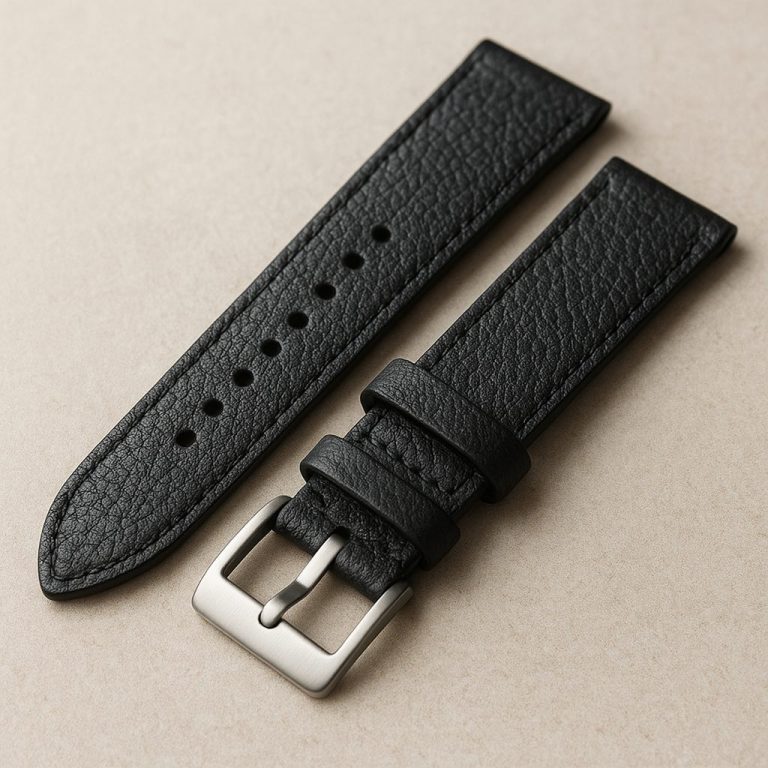
Leather bands gradually lose their original shape and tightness due to repeated flexing and exposure to moisture. When a leather strap bends around the wrist, the fibers inside the leather stretch and break down. Sweat and water can accelerate this process by softening the leather, leading to a looser fit and sometimes visible cracking. The band may also develop permanent creases at the holes used most often, which can make the fit less secure.
If a leather band is worn daily and exposed to frequent hand washing, the combined effects of repeated dampening and drying can cause the band to stretch out of shape more quickly. Rotating between multiple straps or allowing leather bands to dry thoroughly can help slow this process.
Fabric Bands (Nylon and Blends)
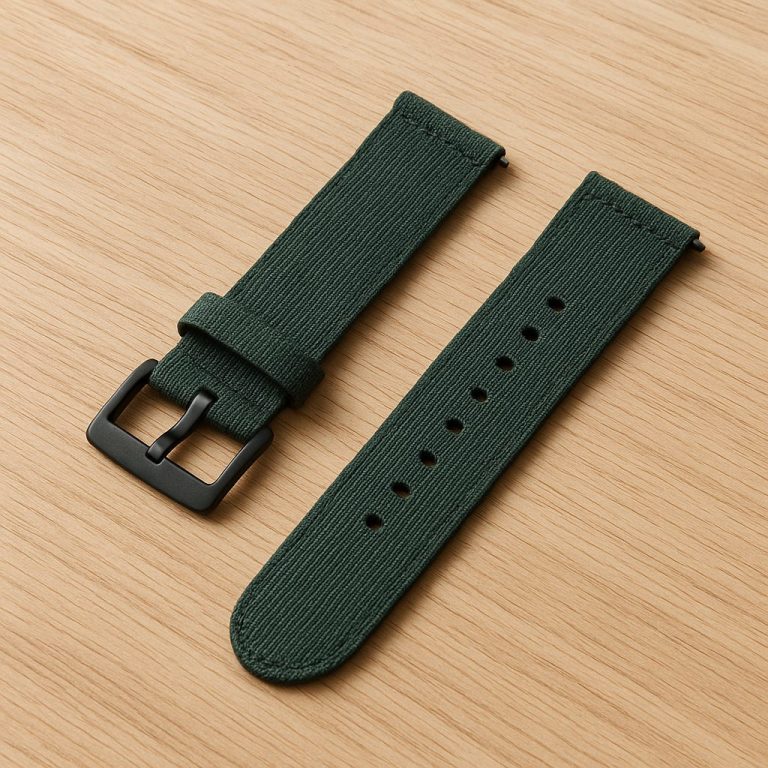
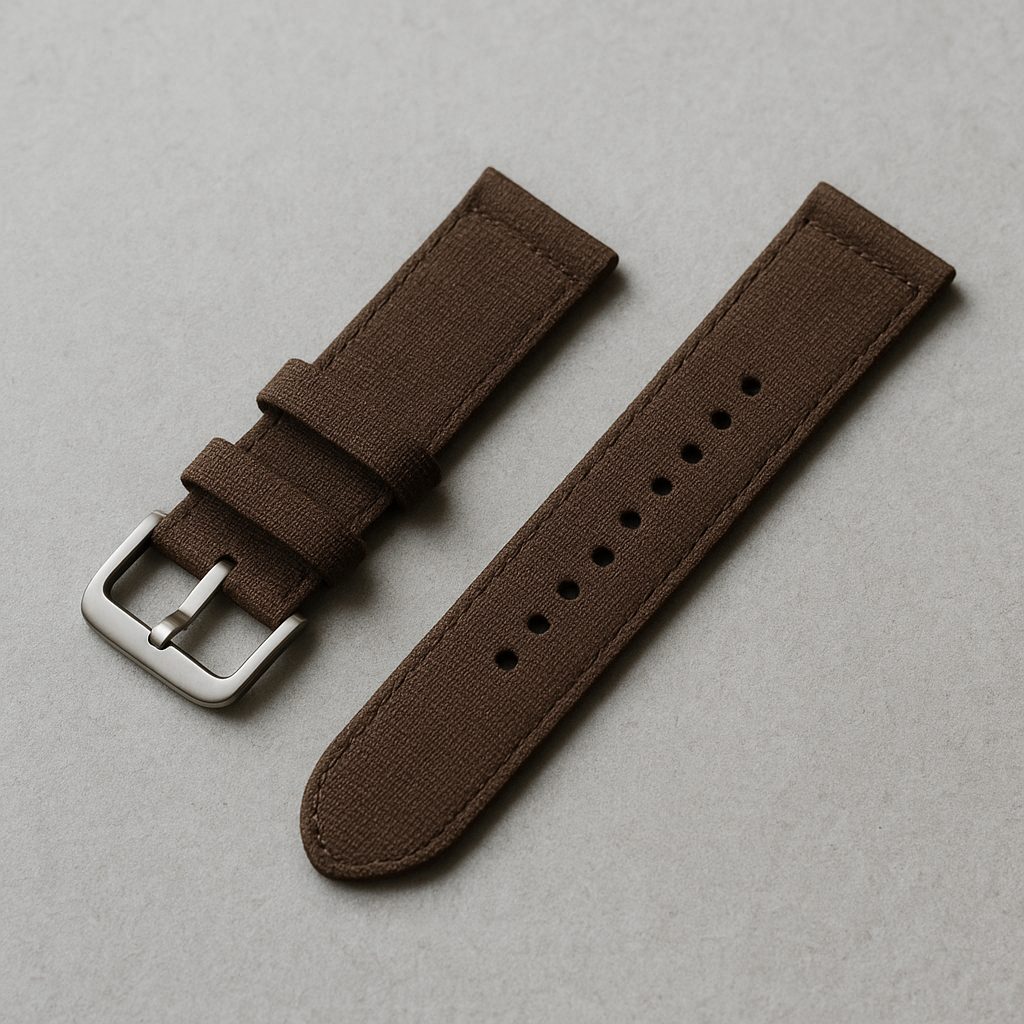
Fabric watch bands, most often made from nylon or nylon blends, are known for their comfort and flexibility. The way these bands are woven affects how much they stretch. Looser, more elastic weaves tend to stretch out faster, while tighter, denser weaves hold their shape longer. Sweat, water, and friction from movement can gradually cause the fibers to lose tension, especially around the holes or buckles where stress is concentrated.
Some fabric bands are designed to have a bit of natural give for comfort. However, over months or years, this elasticity can increase, making the band feel too loose. Thicker or double-layered bands generally resist stretching better than thinner, single-layer options.
Silicone Bands
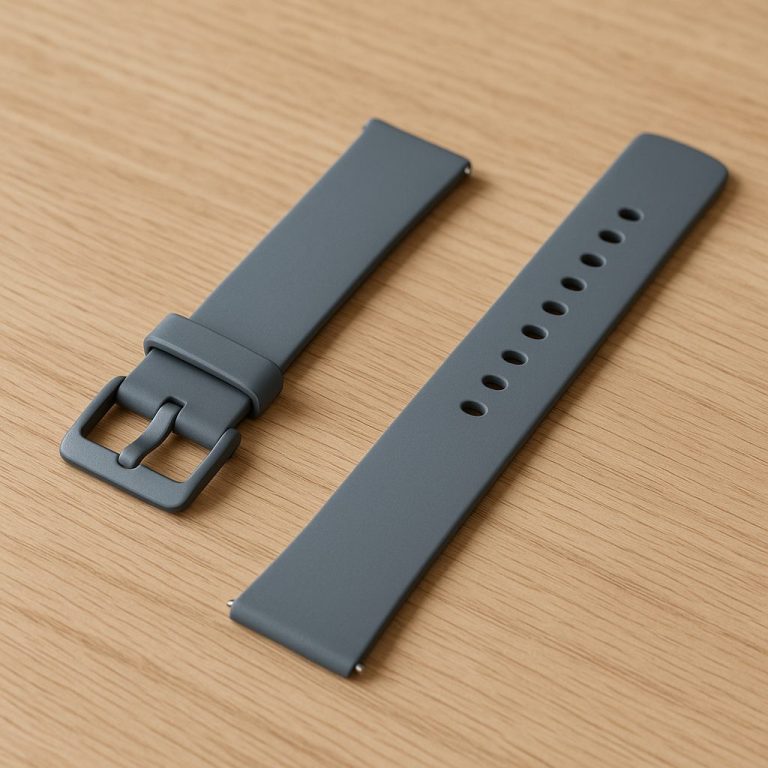
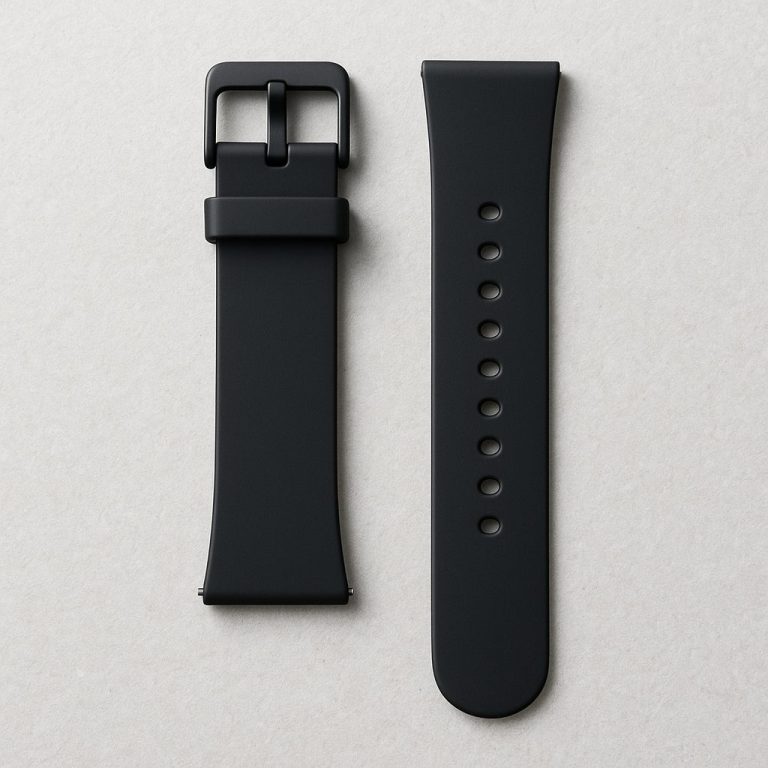
Silicone bands are valued for their flexibility and resistance to water. However, they can stretch or lose their snugness due to repeated pulling, flexing, or exposure to heat. Silicone is a polymer that can slowly deform under constant stress—a process known as “creep.” If a silicone band is regularly pulled tightly or if it is left stretched on a larger wrist, it may not return fully to its original size.
High temperatures, such as leaving a watch in a hot car, can speed up this permanent stretching. Over time, the holes or slots where the buckle pin fits can also widen, making the band feel looser even if the overall length has not changed much.
Other Contributors to Band Loosening
While material properties are the primary factor, several external influences can accelerate stretching or loosening:
- Repeated Wetting and Drying: Particularly affects leather and fabric bands, causing fibers to swell and then contract, which weakens their structure.
- Temperature Fluctuations: Can soften or stiffen materials, making them more susceptible to shape changes, especially in silicone and leather bands.
- Physical Stress: Daily activities like pulling a watch on and off, adjusting for comfort, or catching the band can strain attachment points and fasteners.
- Accumulated Dirt and Sweat: Particularly in metal and fabric bands, debris can cause internal abrasion or make materials break down faster.
Quick Material Comparison Table
| Material | Main Causes of Stretching/Loosening | Typical Signs |
|---|---|---|
| Metal (Stainless Steel) | Wear at links and pins, dirt buildup | Gaps between links, rattling |
| Leather | Fiber breakdown, moisture exposure | Visible creasing, slippage, stretched holes |
| Fabric (Nylon/Blends) | Fiber stretching, repeated wetting | Band feels looser, stretched holes or weave |
| Silicone | Polymer deformation (“creep”), heat exposure | Permanent stretch, enlarged holes |
Spotting and Managing Watch Band Stretch
Regularly checking for changes in fit can prevent surprise slips or even loss of a watch. For metal bracelets, gently wiggling the links can reveal any unusual looseness. Leather and fabric bands should be inspected for stretched holes, thinning, or excessive softness. Silicone bands can be checked by seeing if they spring back to shape after being stretched or if the adjustment holes are widening.
Simple habits, such as cleaning metal and fabric bands to remove built-up grit, or rotating between different straps, can extend the life of a watch band. For those who exercise or work in hot environments, removing the watch during high-sweat activities or allowing bands to dry fully before wearing again can slow down the stretching process.
Recognizing When Replacement Is Necessary
When a watch band becomes noticeably loose, feels insecure, or no longer adjusts to a comfortable fit, it may be time to consider a replacement. Understanding how materials respond to daily use helps in making informed choices about care, maintenance, and when a new band is needed to keep a watch secure on the wrist.