What causes a watch band to feel less stable on smaller wrists
Why Watches Feel Unstable on Smaller Wrists
A watch worn on a smaller wrist can often slide side to side, twist unexpectedly, or leave noticeable gaps between the band and the skin. This instability can be distracting during activities like typing, walking, or even while resting the arm. Several factors, from the physical shape of the wrist to the construction of different watch bands, contribute to this sensation of looseness or wobbling.
How Wrist Size Affects Watch Band Stability
Wrists with a smaller circumference create unique challenges for wearing watches. The curve of a small wrist is tighter, so any watch band or case that isn’t designed to match that curvature may not sit flush against the skin. This mismatch can cause the watch to move more than intended, especially during daily activities.
Additionally, most watch bands are manufactured to fit a wide range of wrist sizes, sometimes sacrificing the precise fit smaller wrists require. If the band cannot be adjusted small enough, or if the adjustment holes or links do not align well with the wrist, the watch will feel less secure.
Band Length and Adjustment Limits
Standard watch bands often come with a fixed range of adjustment. For smaller wrists, the tightest adjustment might still leave the band slightly loose. This extra slack allows the watch to slide or rotate, especially when the hand moves.
On metal bracelets, the removable links may not allow for fine enough adjustments. With leather or fabric straps, the pre-punched holes might not line up with the ideal fit, and making extra holes can sometimes compromise the band’s integrity or appearance.
Material and Construction Differences
The material and build of a watch band significantly influence how stable the watch feels, especially on smaller wrists. Each material responds differently to tension, contour, and wrist movement.
| Band Material | Stability on Small Wrists | Common Issues |
|---|---|---|
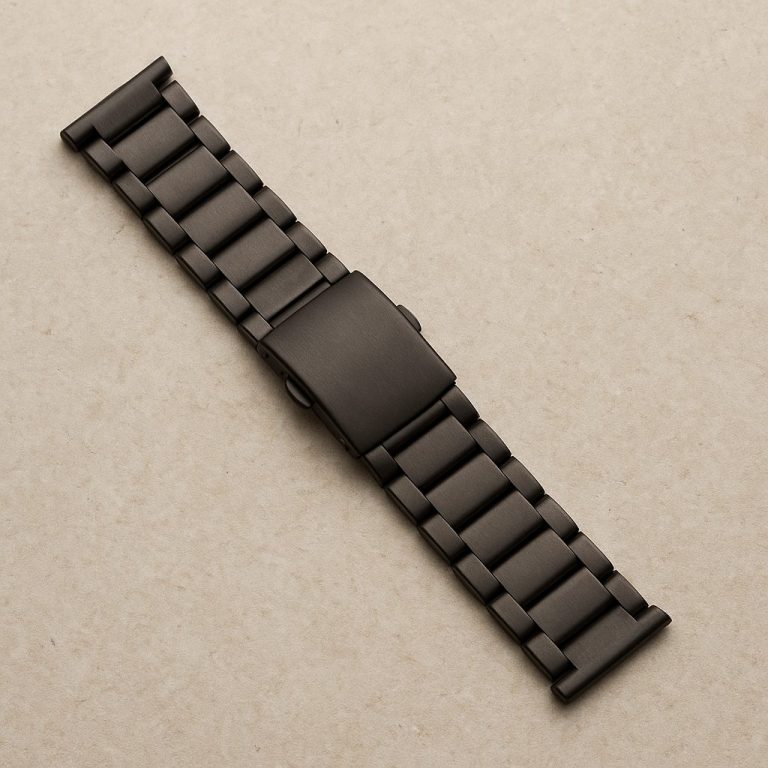
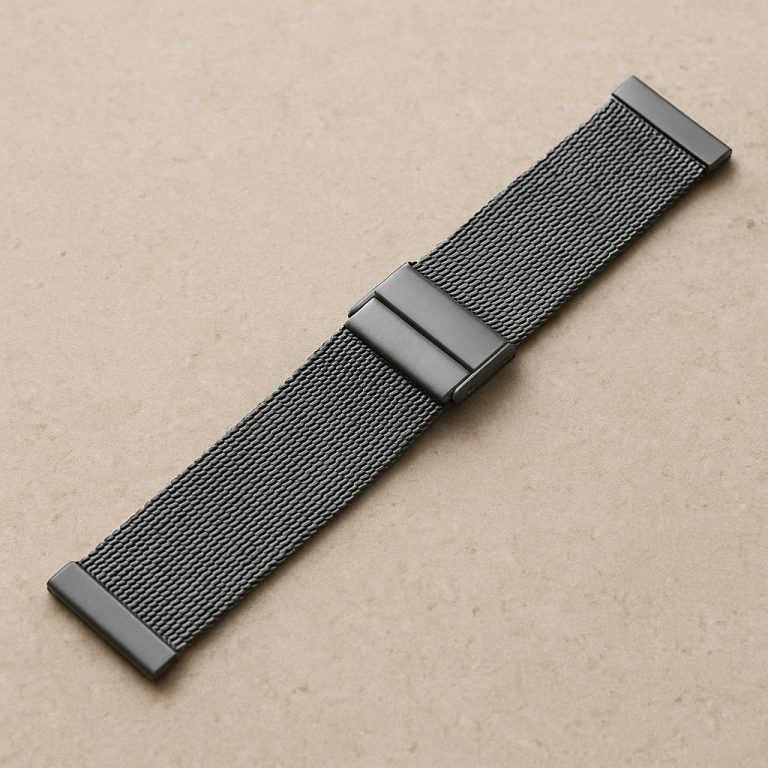
| Metal bracelet (usually stainless steel) | Rigid, less flexible | Gaps at the wrist edge, limited fine adjustment |
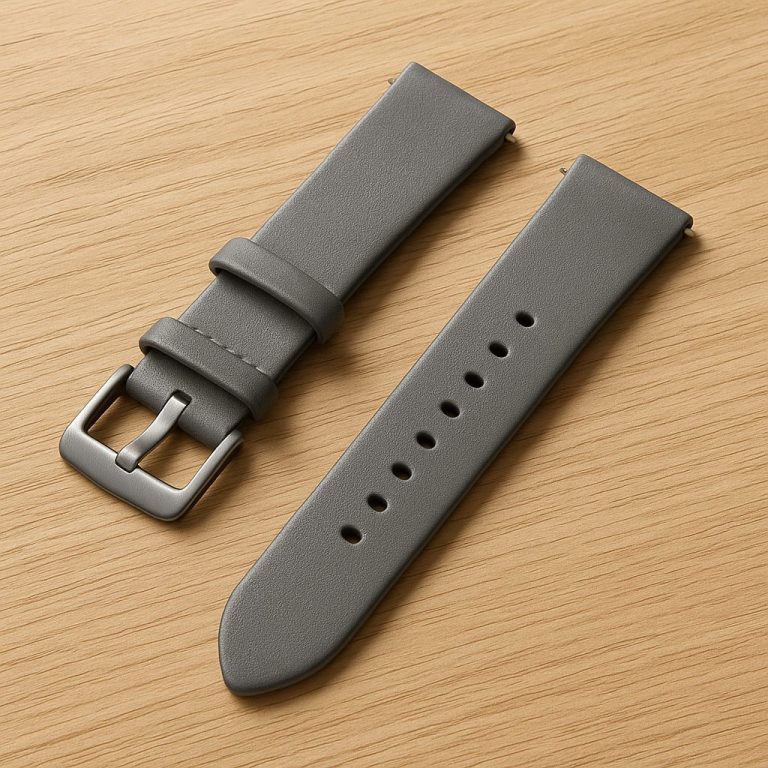
| Leather strap | Some flexibility, molds over time | Stiffness when new, hole spacing may be too wide |
| Fabric band (often nylon blends) | Conforms well, especially thinner or elastic weaves | Extra length can bunch up, bulkier styles may not wrap tightly |
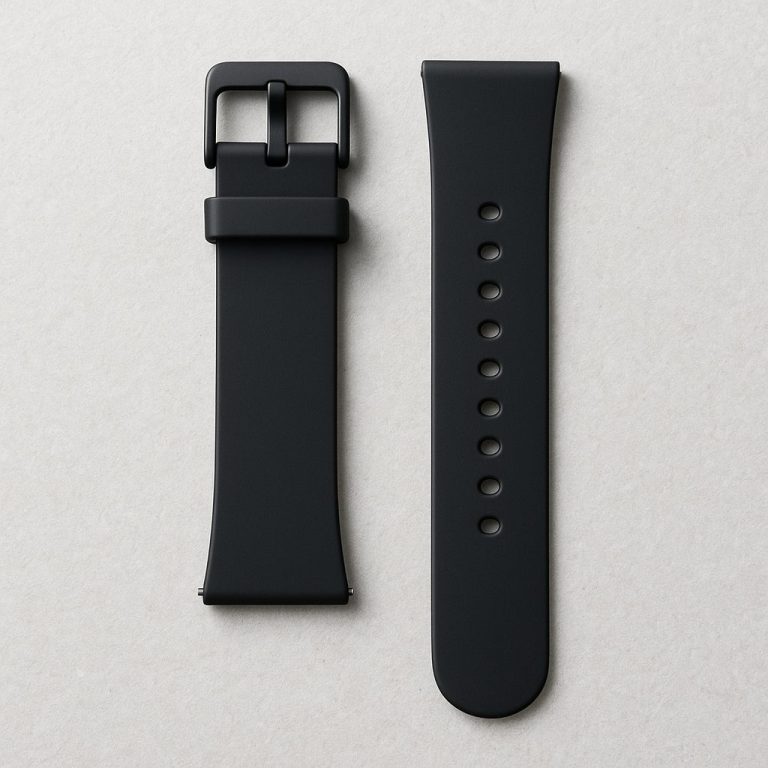
| Silicone band | Highly flexible, wraps closely | Can bunch or stretch, excess tail may stick out |
Metal Bracelets
Most metal bracelets are made from stainless steel due to its durability and resistance to corrosion. The links in these bracelets offer limited flexibility, so they may not follow the tight curve of a smaller wrist. If the bracelet cannot be sized down enough by removing links, it will sit loosely. Even when properly sized, the natural rigidity of metal means the band might not “hug” the wrist, causing the watch to shift or create gaps at the edges. A practical example: if a metal bracelet cannot be adjusted to a perfect fit, the watch may slide to the underside of the wrist during daily movement.
Leather Straps
Leather straps offer more flexibility than metal, and over time, leather can mold to the shape of the wearer’s wrist. However, new leather straps may be stiff, resisting the tight curve of a smaller wrist and creating initial gaps or discomfort. The spacing between holes can also be an issue—if the best fit falls between two holes, the strap will either be too loose or too tight, leading to instability or pressure points. Punching new holes is possible, but this can weaken the strap if not done carefully.
Fabric Bands
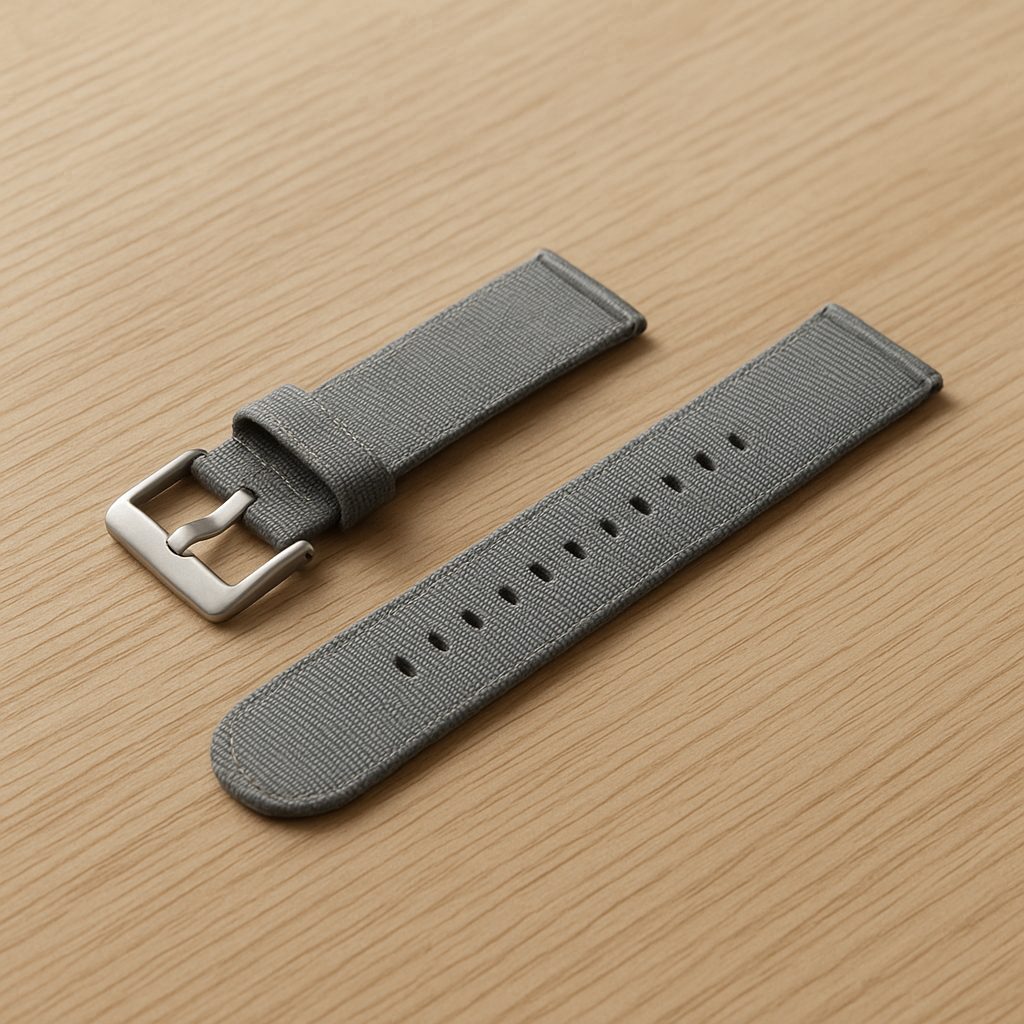
Most fabric watch bands are made from nylon or a nylon blend. The thickness, weave density, and elasticity of these bands vary widely. Thinner or more elastic nylon bands often conform better to smaller wrists, while thicker or less flexible weaves may bunch up or leave gaps. Fabric bands with sliding buckles or hook-and-loop closures can be adjusted more precisely, but excess length may need to be tucked away, which can add bulk and reduce stability.
Silicone Bands
Silicone bands are highly flexible and tend to wrap closely around the wrist. On smaller wrists, this flexibility can help the band sit flush, reducing gaps. However, if the silicone band is too long, the excess tail may stick out or need to be tucked under a keeper loop, which can feel bulky or cause the watch to shift if the tail catches on clothing. Some silicone bands stretch as they age, leading to a looser fit over time.
Watch Case Size and Shape Matter
Beyond the band itself, the size and shape of the watch case play a significant role in stability. Large, flat cases may not match the tighter curve of a smaller wrist, causing the watch to rock or tilt. Thicker cases with protruding lugs (the arms that hold the band) can also push the band away from the wrist at the edges, increasing the feeling of looseness.
Watches with shorter lug-to-lug distances (the length from one attachment point to the other across the case) tend to sit better on small wrists, as the band starts to curve downward immediately. When the lugs extend too far past the wrist, the watch may feel top-heavy or shift more easily.
Band Attachment and Movement
The way a band attaches to the watch case can also influence stability. Bands that flare out or do not pivot freely at the attachment point may resist wrapping tightly around a small wrist. For example, some metal bracelets have end links that are rigid, preventing the first link from dropping straight down to match the wrist’s curve. This can accentuate gaps and wobbling.
In contrast, bands attached with flexible ends, such as certain fabric or silicone straps, can move more freely and conform better to the wrist shape, improving overall stability.
Additional Factors That Impact Stability
- Band Thickness: Thicker bands may not flex enough to follow a smaller wrist’s contour, leading to more movement.
- Surface Texture: Smooth bands (such as polished metal or slick silicone) may slide more easily against the skin, while textured bands may grip slightly better.
- Clasp or Buckle Position: When the clasp or buckle is large or sits directly under the wrist, it may press into the skin or cause the entire watch to shift to one side.
- Personal Movement: Activities that involve frequent wrist motion can make instability more noticeable, especially if the watch is already a loose fit.
Finding a More Secure Fit for Smaller Wrists
Watch stability on smaller wrists is affected by the interplay of wrist shape, band material, adjustment options, and case design. A practical approach is to look for bands that offer finer adjustment increments, such as sliding buckles or holes spaced closely together. For metal bracelets, removing as many links as possible and ensuring the end links are flexible can help reduce gaps. Bands made from softer, more flexible materials—like thinner nylon or certain silicone bands—tend to conform better to smaller wrists and minimize shifting.
Paying attention to the shape and size of the watch case, as well as how the band attaches, can also improve comfort and stability. Ultimately, a well-fitted watch should remain secure during daily activities without excessive movement, regardless of wrist size.