Why a favorite watch band can influence how you judge new ones
How Familiarity with a Watch Band Shapes Your Opinions on New Ones
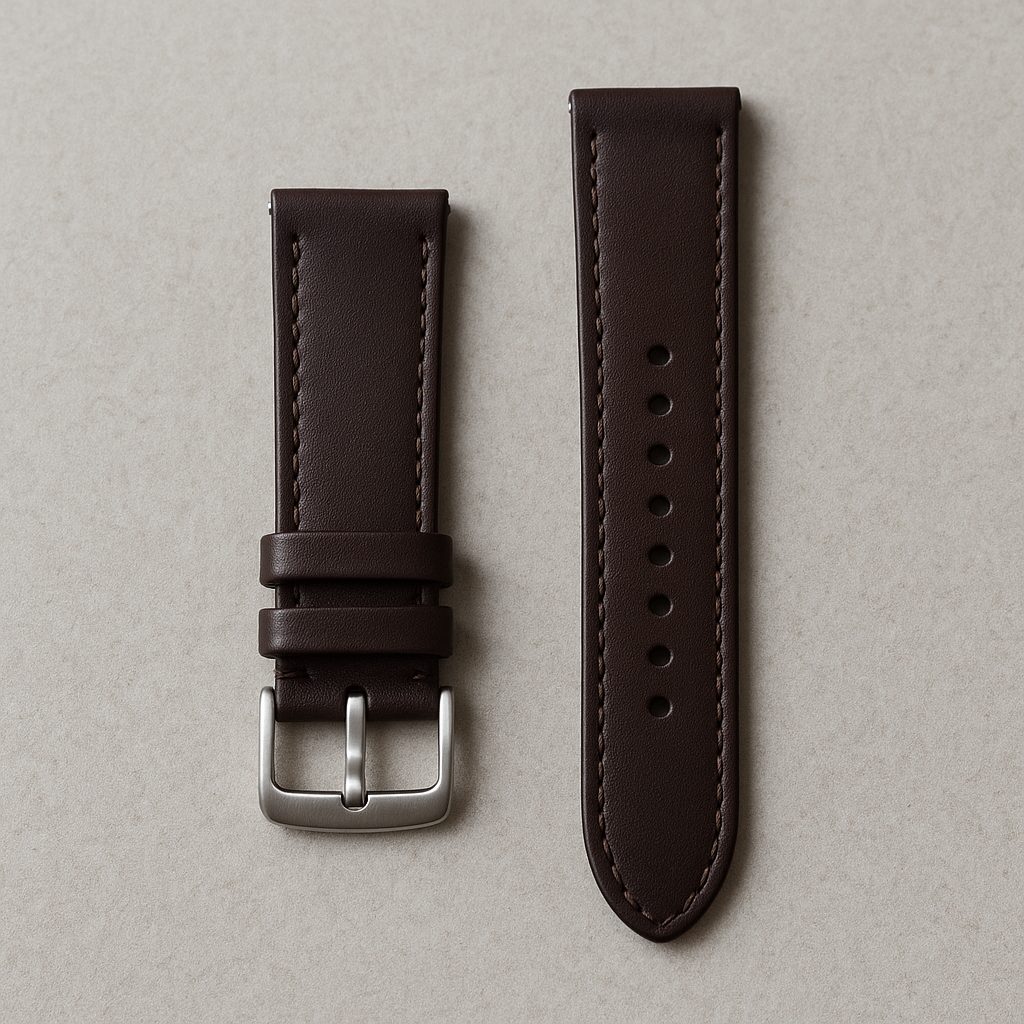
After months of wearing the same leather strap, someone tries out a new metal bracelet and immediately notices it feels colder and heavier than expected. Even if the new band is well-made, the user might find it less comfortable or appealing, not because of any flaw, but because it differs from what they’re used to. This situation is common: a favorite watch band can set a personal standard, influencing how any replacement feels, looks, or functions.
Why Previous Experience Plays a Key Role
Wearing a watch every day creates habits and expectations. The material, weight, flexibility, and attachment method of a favorite band become benchmarks for comparison. When a new band doesn’t match these familiar traits, it can feel “off” even if it performs well objectively. This happens for several reasons:
- Sensory adaptation: The skin, wrist, and even muscle memory adjust to the feel and weight of a preferred band.
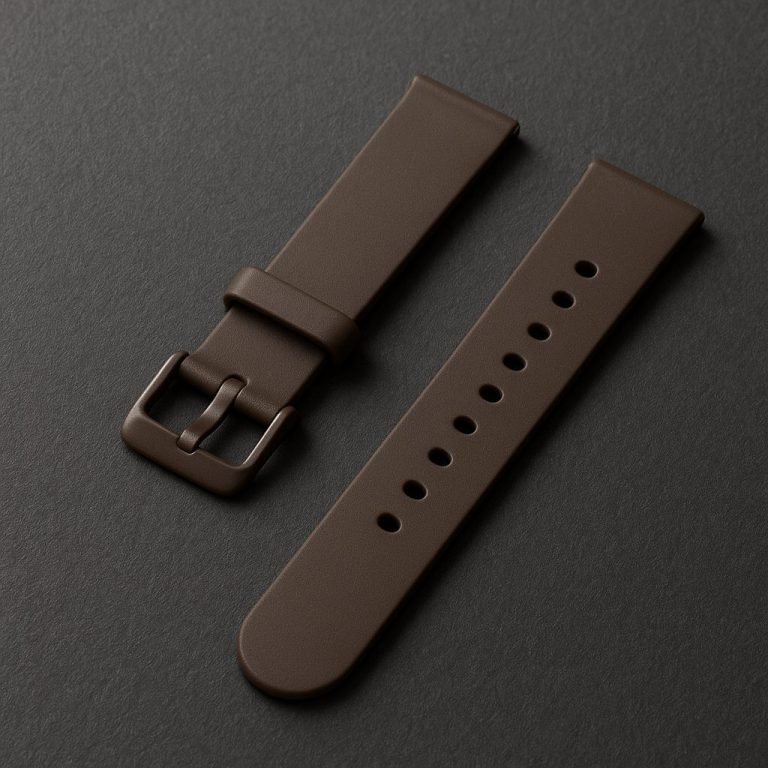
- Comfort expectations: If a leather band breaks in over time, making it soft and flexible, a new silicone band might seem rigid at first, even though it may soften with use.
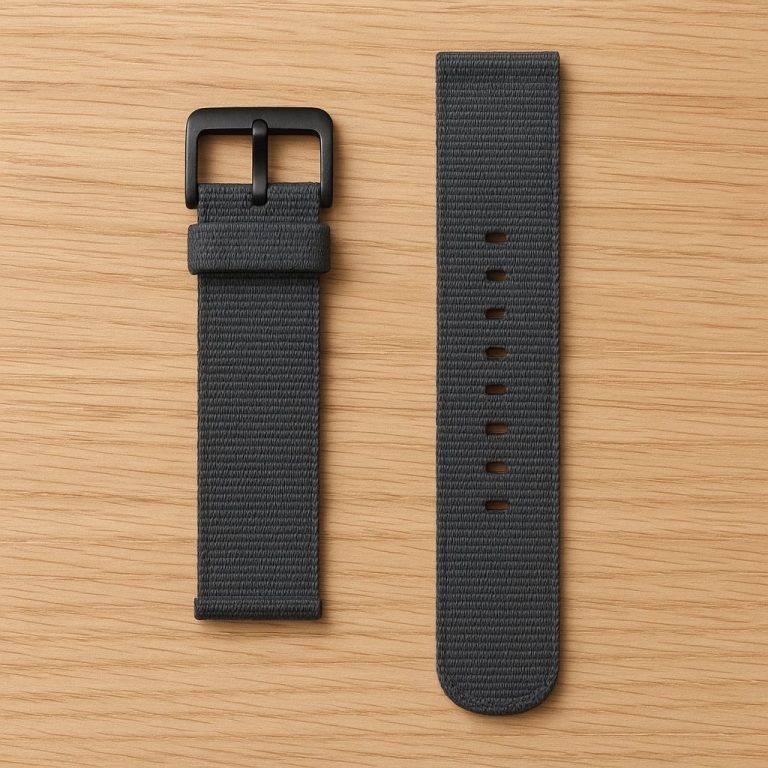
- Aesthetic standards: The appearance of a favorite band (such as a polished metal bracelet or a tightly woven nylon strap) can set a visual standard, making different textures, colors, or finishes seem less attractive at first glance.
Material Differences and Their Impact
Different watch band materials offer distinct experiences, and prior preferences can shape how these differences are perceived. Here’s how the major materials compare when switching from a familiar band:
| Material | Common First Impressions When Switching |
|---|---|
| Metal (mainly stainless steel) | Heavier, cooler against the skin, sometimes less flexible |
| Leather | Softer, molds to the wrist, can feel warm and supple with time |
| Fabric (usually nylon or blends) | Lightweight, variable in texture and weave, often more breathable |
| Silicone | Flexible, smooth, sometimes perceived as sticky or less formal |
For example, someone used to a dense, tight weave nylon strap may find a loosely woven or elastic fabric band unfamiliar, even if both are made from nylon blends. Similarly, a person accustomed to the solid, secure click of a stainless steel bracelet might find the give of a silicone band less reassuring, even if the security is equivalent.
Psychological Anchoring and Bias
The experience with a favorite band can create a psychological anchor. This means that new bands are judged against a mental “reference point”—the familiar sensation, look, or clasp style. This process can lead to several biases:
- Status quo bias: Preferring what is already familiar, even if alternatives offer objective improvements (like better water resistance or easier cleaning).
- Negative reaction to change: Discomfort or disappointment simply because something feels different, not necessarily worse.
- Selective attention: Noticing only the ways the new band falls short of the favorite, while overlooking its benefits.
This anchoring explains why a new band might feel less secure or less attractive at first, even if it performs equally or better over time. For instance, after years of a leather strap, a switch to a silicone band can highlight its flexibility and water resistance, but it may initially feel less luxurious due to the absence of natural texture and scent.
Attachment Mechanisms and Their Role in Perception
Band attachment methods can also influence how new bands are judged. If someone is used to a band secured by traditional spring bars and a buckle, trying out a hook-and-loop strap or a band with quick-release pins might feel less sturdy or unfamiliar. Even if these mechanisms are reliable, the difference in operation and feel can affect the user’s initial assessment.
For example, a quick-release pin allows fast band changes but may not provide the same sense of mechanical security as a screw-in spring bar. This shift can make new bands seem less robust, even if, in practice, both are equally secure when properly attached.
Case Study: Switching from Leather to Metal Bracelet
Consider a scenario where someone has worn a leather strap daily for years. This strap, after breaking in, has become soft and has conformed to the wrist, developing a unique patina. When trying a metal bracelet (commonly made from stainless steel for its durability and corrosion resistance), the wearer might notice:
- The bracelet feels colder and heavier, especially at first wear.
- There is less flexibility compared to the supple leather band.
- The clasp mechanism requires a different motion, which may feel awkward.
- The reflective finish of the metal may catch light differently, changing the overall appearance of the watch on the wrist.
Even if the metal bracelet offers advantages, such as higher durability or water resistance, the initial reaction may be influenced by the long-standing comfort and familiarity of leather.
Adapting to New Bands: Overcoming the Comparison Trap
When judging a new watch band, it helps to recognize the influence of previous experience. Here are a few strategies for adjusting to a new band and giving it a fair assessment:
- Wear the new band consistently for several days. This allows time for adaptation and for the material to adjust to your wrist.
- Focus on the practical aspects that matter most for your daily routine, such as breathability, water resistance, or ease of cleaning, rather than just initial feel.
- Pay attention to whether any initial discomfort fades with use—many bands, including leather and some fabric types, change character over time.
For example, a new fabric strap—often made from nylon blends—might feel scratchy or stiff at first, but the weave can soften after a few wears, especially if washed or flexed gently.
How Personal Experience Shapes Future Choices
The influence of a favorite watch band goes beyond initial impressions. Over time, it can affect the willingness to try new styles or materials. Recognizing this bias can help in making more objective decisions about future bands. Instead of dismissing a new band because it feels different, consider what aspects are truly important: comfort over long periods, resistance to sweat or moisture, ease of adjustment, or compatibility with different outfits.
By being aware of how previous experience shapes perception, it becomes easier to evaluate new watch bands on their own merits rather than through the lens of a single favorite. This perspective can open up new options and lead to a more satisfying watch-wearing experience overall.
Recognizing and Managing Personal Bias in Watch Band Choices
A favorite watch band can strongly influence how new ones are judged, shaping perceptions through comfort, aesthetics, and attachment familiarity. Being aware of this bias makes it possible to approach new options with a more open mind, leading to better-informed choices and a more enjoyable experience with any watch band.