Why the reasons people buy a watch band are not always the reasons they keep it
How Watch Band Choices Shift After Purchase
After wearing a new watch band for several weeks, some people notice their initial excitement fading, replaced by new reasons for either keeping or replacing the band. Perhaps the band that matched perfectly with a favorite outfit now feels too stiff during daily errands, or a functional silicone band gets swapped out for something with a softer touch. The reasons behind holding onto a watch band often diverge from the reasons that sparked the purchase in the first place.
Initial Motivations: What Drives the Purchase?
The moment of purchase is usually influenced by immediate needs or desires. Some seek a watch band that enhances appearance, selecting from materials like stainless steel, leather, or fabric for a specific look. Others focus on features such as water resistance, secure closures, or adjustability, especially when considering silicone bands for sports or outdoor activities. These initial motivations typically fall into a few categories:
- Style: Choosing a band that matches personal fashion or a specific event.
- Functionality: Looking for features like quick-drying material, adjustability, or compatibility with a particular watch.
- Material Curiosity: Trying out metal bracelets for their durability (with stainless steel being the most common), leather for its classic feel, or fabric bands (often nylon or blends) for their lightweight nature.
These motivations tend to be forward-looking but often abstract, based on how the band appears in the store or online rather than how it feels or performs over time.
Unexpected Factors That Influence Keeping a Watch Band
Once the watch band becomes part of daily life, new factors emerge. A once eye-catching band might cause discomfort during long meetings, or a fabric strap might absorb sweat more than expected. The reasons for keeping a band often shift from initial intentions to more practical, emotional, or sensory concerns.
Comfort and Everyday Usability
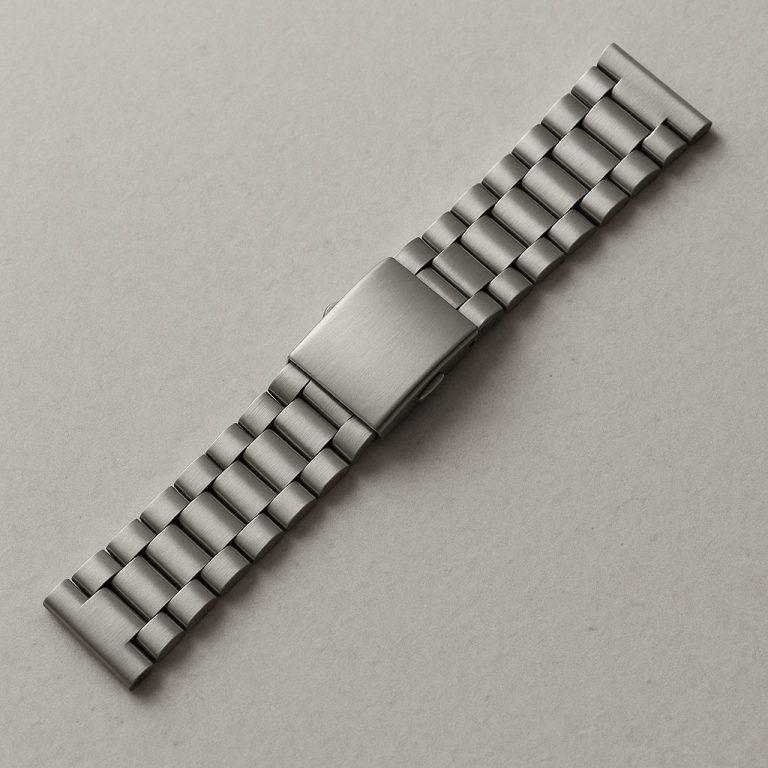
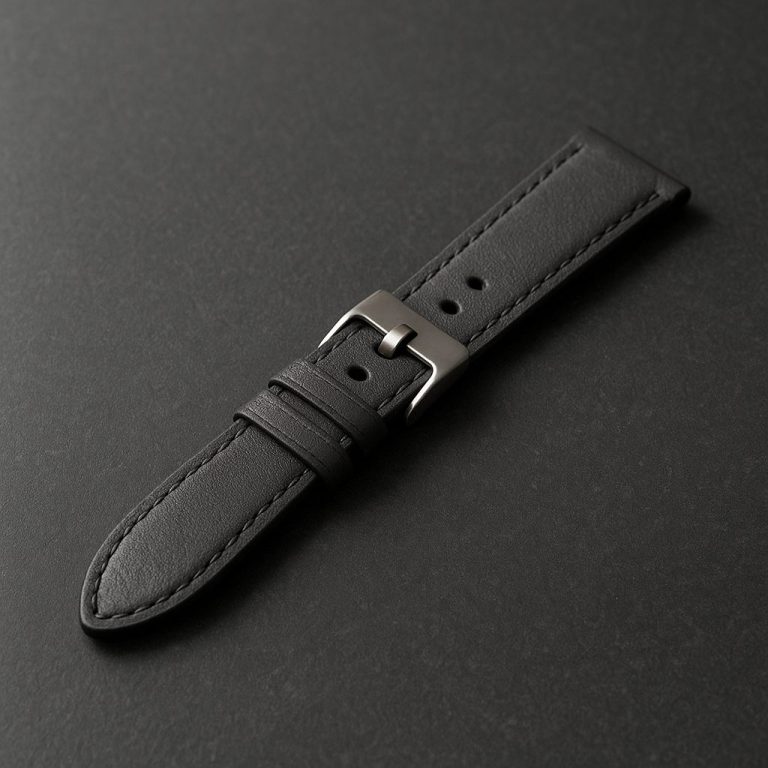
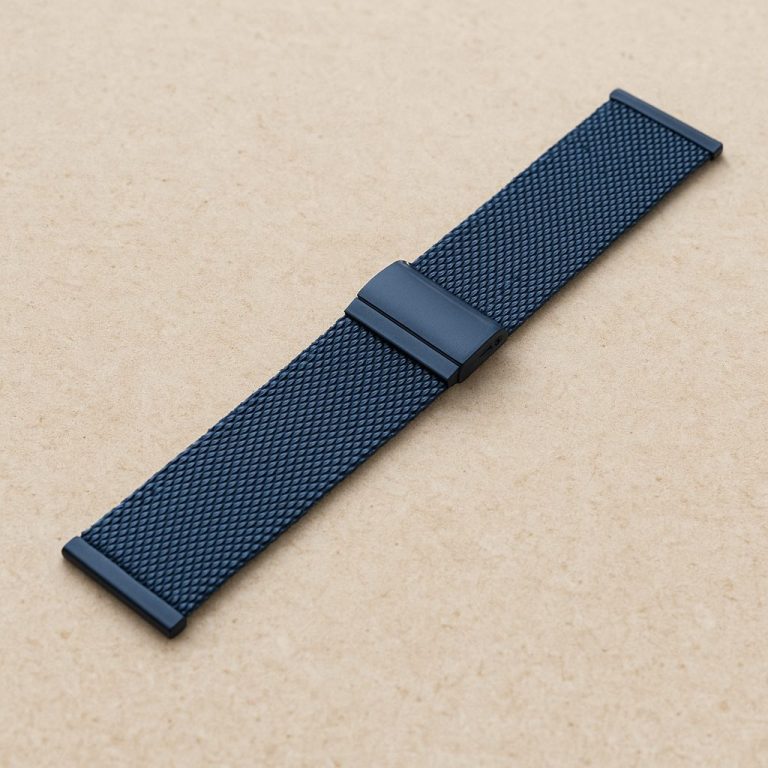
Comfort often becomes the deciding factor after several hours or days of wear. For example, a metal bracelet may initially attract for its sleek look, but the weight or temperature of the metal can start to bother the wearer. Stainless steel bands, while durable and corrosion-resistant, may feel heavy on smaller wrists or during active tasks. Leather bands, though appealing at first, can become stiff or sticky in humid weather, leading to a preference for softer, more breathable options.
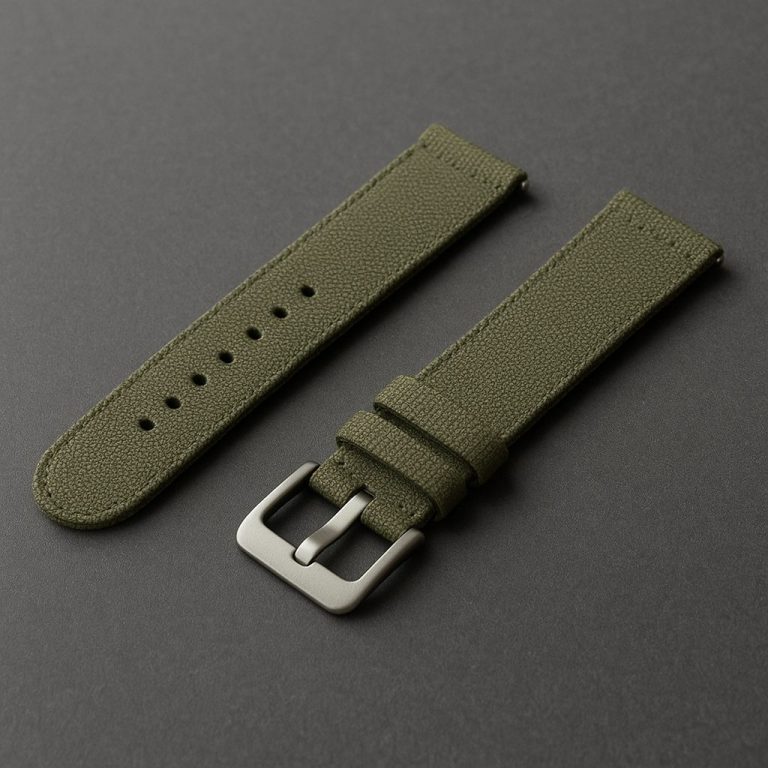
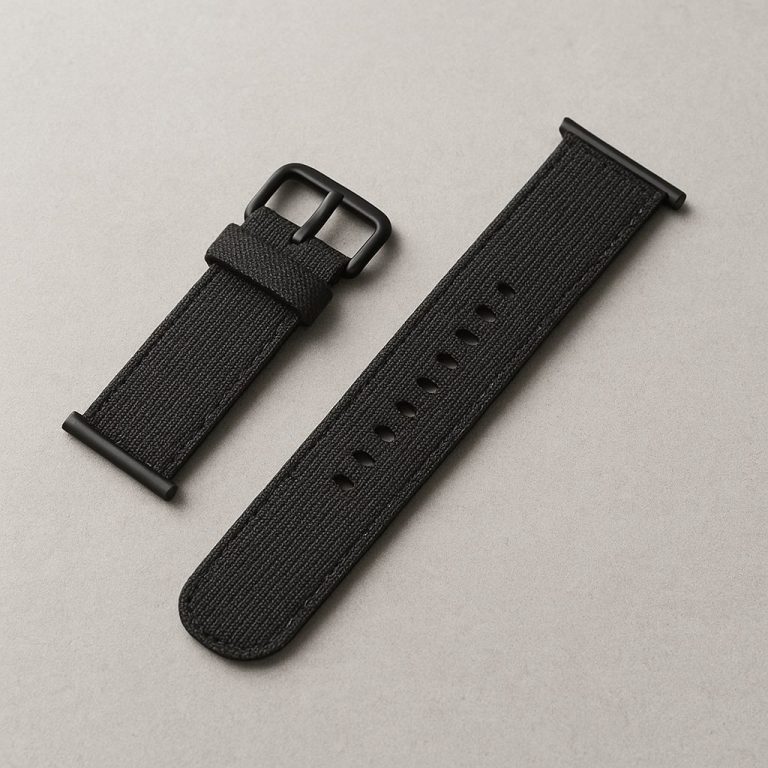
Fabric bands, typically woven from nylon or similar blends, vary in texture and thickness. A densely woven band may feel rough or trap heat, while a lighter, stretchier weave might feel barely noticeable. Over time, the way the fabric interacts with skin, especially during exercise or hot weather, can greatly impact satisfaction.
Silicone bands are often chosen for workouts or water resistance, but their flexibility and softness sometimes turn out to be more important than the original intent, especially for those who develop sensitivity to other materials.
Emotional Attachment and Personalization
Unexpected emotional connections can influence the decision to keep a watch band. A band gifted by a friend or associated with a special occasion may remain in rotation long after its style is out of favor. Some individuals start to appreciate the signs of wear on a leather band or the faded color of a fabric strap, seeing them as reminders of personal milestones or experiences. In these cases, practical considerations fade and emotional value takes precedence.
Adaptation and Habit
After repeated use, familiarity can make a watch band feel indispensable. The way a certain band fastens—a hook-and-loop closure or a stretchable nylon weave—may become second nature, making other bands feel awkward by comparison. Some people keep using a band simply because it fits into their daily routine, even if it wasn’t the most exciting option at first.
Table: Reasons for Buying vs. Reasons for Keeping a Watch Band
| Initial Reason for Purchase | Reason for Keeping |
|---|---|
| Matches formal or casual attire | Feels comfortable throughout the day |
| Water resistance for sports | Easy to clean and maintain |
| Interest in trying a new material | Develops a personal connection or habit |
| Impressed by a unique texture or color | Band adapts to wrist over time |
| Quick-release mechanism for convenience | Attachment feels secure and reliable |
Practical Implications: Applying Experience to Future Choices
Recognizing the difference between what initially attracts someone to a watch band and what makes them keep it can guide future decisions. For instance, if a past purchase was based on style but ended up being uncomfortable, it may be helpful to focus on tactile experience and long-term wear next time. Trying on a band for several minutes, moving the wrist in different positions, or wearing it during varied activities can reveal issues that might not be obvious at first. If a certain material caused irritation or excessive sweating, noting this can prevent repeating the same mistake.
For fabric bands, paying attention to weave density and the way the material feels against the skin can help anticipate whether it will remain comfortable. Similarly, testing the flexibility of silicone bands or the clasp mechanism of a metal bracelet can save frustration down the line.
When Personal Meaning Surpasses Initial Expectations
Sometimes, the most valued watch bands are the ones with unexpected significance. A simple nylon strap may become a favorite because it reminds someone of a memorable trip, or a faded leather band may serve as a record of years of daily use. These shifts in attachment are difficult to predict at the time of purchase, but they highlight how practical use and personal meaning often outweigh first impressions.
Understanding What Matters Most Over Time
The decision to keep a watch band rarely depends solely on the reasons it was bought. Instead, long-term satisfaction comes from a mix of comfort, habit, emotional attachment, and adaptability to real-life routines. Noticing these shifts can help individuals make more informed choices in the future, focusing less on immediate appeal and more on lasting value.