Why some watch bands work better as occasional options than everyday choices
When a Watch Band Is Best Left for Special Occasions
A person swaps out their everyday silicone band for a polished metal bracelet before an event, only to switch back the next day. The reason isn’t just about matching a dress code—certain watch bands truly feel out of place or even uncomfortable when worn day after day, even though they shine in specific situations. The qualities that make a watch band distinctive or enjoyable for special moments can also make it less practical for everyday routines.
Design Elements That Stand Out—But Don’t Always Last
Watch bands come in a range of styles and materials, each designed with different priorities in mind. Some are crafted for durability and comfort over long hours, while others focus on making a bold impression or offering a unique tactile experience. Bands that excel at grabbing attention or fitting a particular theme often incorporate features that aren’t ideal for daily wear. For instance, a highly polished metal bracelet or a richly textured leather strap might be perfect for a formal dinner but feel cumbersome at work or during exercise.
Why Some Bands Aren’t Built for Everyday Use
Several factors can make an otherwise attractive or interesting watch band better suited to occasional wear:
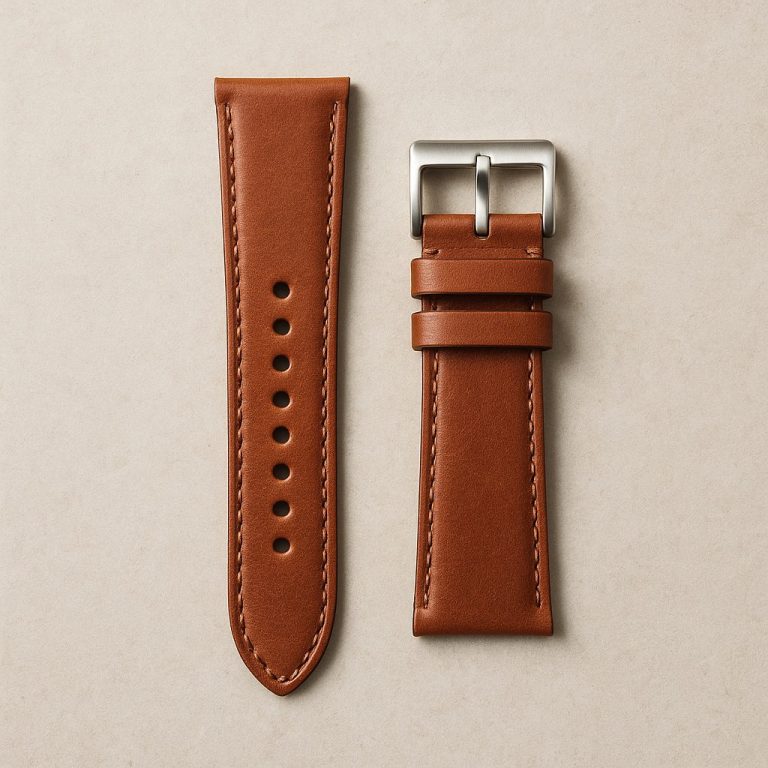
- Material Sensitivity: Leather bands, for example, look refined and can elevate a watch’s appearance, but they are vulnerable to sweat, moisture, and repeated friction. Over time, daily exposure can cause leather to crack, fade, or develop an unpleasant odor.
- Weight and Bulk: Metal bracelets—most commonly made from stainless steel for durability and corrosion resistance—often weigh more and have a thicker profile than fabric or silicone bands. While this adds a sense of luxury, it can feel heavy or restrictive over long periods or during active use.
- Decorative Details: Some bands feature ornate stitching, embellishments, or unconventional closures. These elements can catch on clothing, collect dirt, or simply feel impractical during everyday tasks.
- Limited Versatility: A brightly colored or patterned fabric band, often made from nylon or nylon blends, may coordinate perfectly with a specific outfit or event theme but might not suit a variety of work or casual settings.
Material Qualities and Their Impact on Everyday Comfort
Material choice has a direct effect on how well a watch band performs in daily life. Here’s how different materials contribute to the occasional-versus-everyday debate:
| Material | What Makes It Stand Out | Limits for Daily Wear |
|---|---|---|
| Leather | Classic, stylish look; softens with time | Absorbs sweat; wears down quickly with daily moisture |
| Metal (stainless steel) | Shiny, elegant; durable and corrosion-resistant | Can feel cold, heavy, or pinch skin; less breathable |
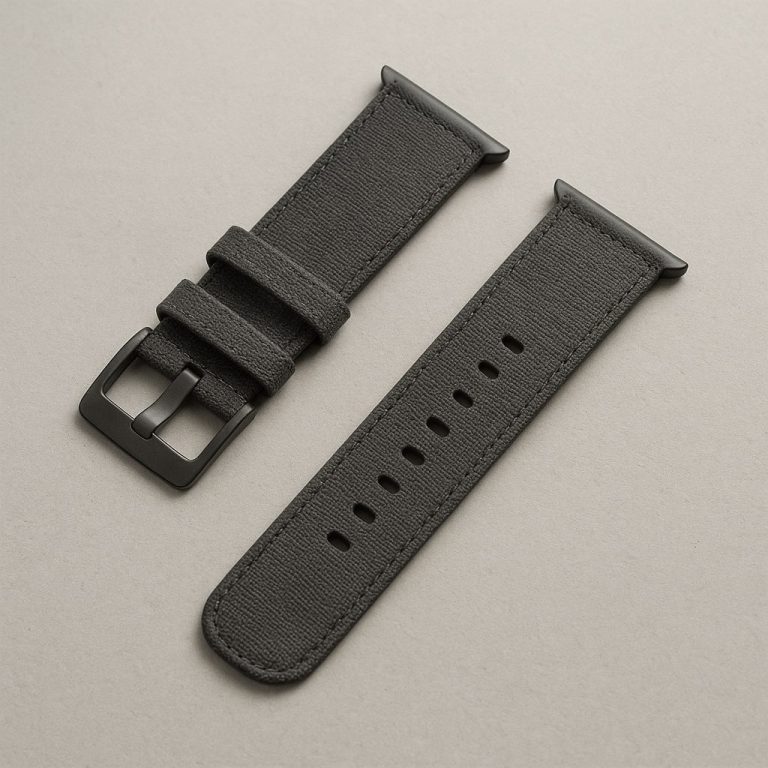
| Fabric (nylon blends) | Lightweight, colorful options; varied textures and weaves | Some weaves trap dirt or fray; vivid colors may clash with some outfits |
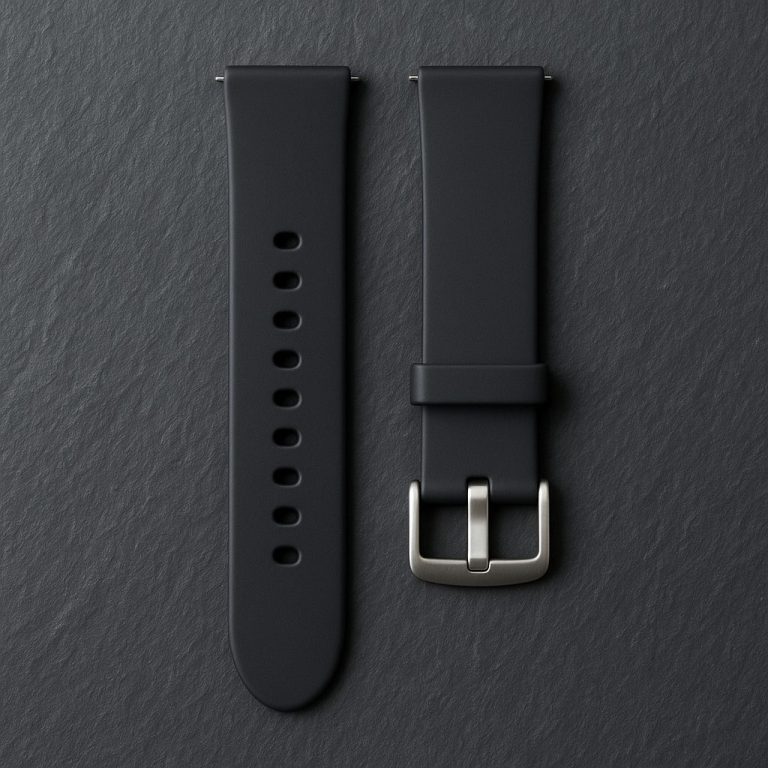
| Silicone | Flexible, water-resistant, comfortable for activity | Sporty look may feel out of place at formal events |
Fabric Bands: Versatile, But Not Always Universal
Most fabric watch bands are made from nylon or blends that offer different thickness, elasticity, and texture. A tightly woven nylon strap can feel smooth and lightweight, while a denser, padded version may be bulkier or less breathable. Some bands stretch for a snug fit, but this can also lead to faster wear or discomfort after many hours. Bold patterns or bright colors, while fun for a specific outing, may not pair well with every setting or outfit. For example, a vivid striped nylon band may be perfect for a summer festival but stand out awkwardly in a conservative office.
Special Closures and Decorative Elements
Unique attachment systems or decorative features often make a watch band appealing for select occasions. For instance, a band with a decorative clasp or ornamental hardware can create a striking impression at a celebration but might be fiddly to adjust on a busy morning. Bulky or intricate details sometimes catch on sleeves or feel uncomfortable during repetitive movements, making them less than ideal for daily routines.
Durability Trade-Offs
Some watch bands are designed to prioritize style over resilience. Soft leather, for instance, looks and feels luxurious but can develop visible creases or stains quickly if worn during physical activity or exposed to water. Similarly, certain fabric bands with loose or textured weaves are more susceptible to fraying or picking up lint. These issues may not matter for occasional use but become frustrating with daily repetition.
Example: Rotating Bands for Different Needs
Someone might use a silicone band for gym workouts and errands, then switch to a metal bracelet or leather strap for dinners or formal events. This approach preserves the more delicate or formal band for special occasions, while a practical band handles sweat, movement, and unplanned bumps. It also extends the life of more sensitive materials by reducing their exposure to daily wear and tear.
Style and Practicality: Finding the Right Balance
Choosing a watch band for daily wear involves more than just aesthetics. The qualities that make a band eye-catching or special—such as unique materials, bright colors, or complex clasps—can become drawbacks in daily life. Bands designed for occasional use often prioritize appearance, theme, or novelty over comfort and practicality. By understanding these differences, it’s possible to match a watch band to each situation: saving distinctive options for when they’ll be most appreciated, and relying on proven everyday materials and designs for regular routines.