Why some watch bands feel easier to forget you are wearing
When a Watch Band Becomes Unnoticeable on Your Wrist
After several hours of wearing a watch, some people realize they barely notice it’s there, while others feel constant reminders—whether it’s a tug, a pinch, or just a subtle pressure. This difference often comes down to the design and material of the watch band. What makes certain bands so easy to forget, and how can this knowledge help when choosing a watch or adjusting your current one?
What Makes a Watch Band Easy to Forget?
A watch band that feels “invisible” typically minimizes physical sensations that draw attention. This effect comes from a combination of material properties, how the band interacts with your skin, weight, and the way it distributes pressure. Here’s a closer look at the main factors:
Material Flexibility and Surface Feel
The flexibility of a watch band plays a significant role in comfort. A highly flexible band can conform to the wrist’s natural shape and movements, reducing the feeling of restriction. Surface texture also matters: smoother, softer surfaces tend to cause less friction, avoiding irritation or chafing that might remind you of the band’s presence.
- Silicone bands: These are popular for their soft, flexible feel and ability to move with the wrist. Their low-friction surface and gentle elasticity can make them almost unnoticeable, especially during active use.
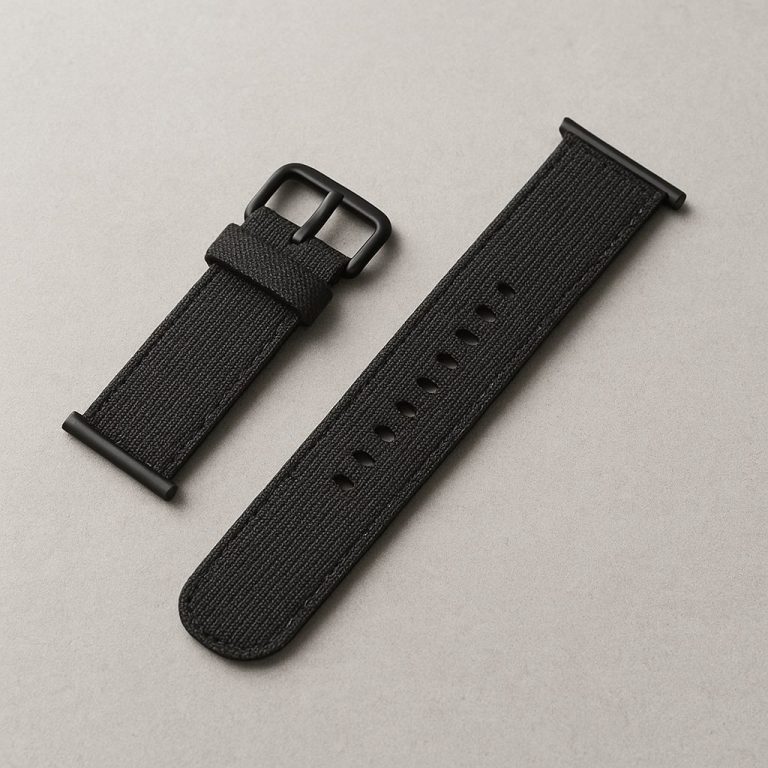
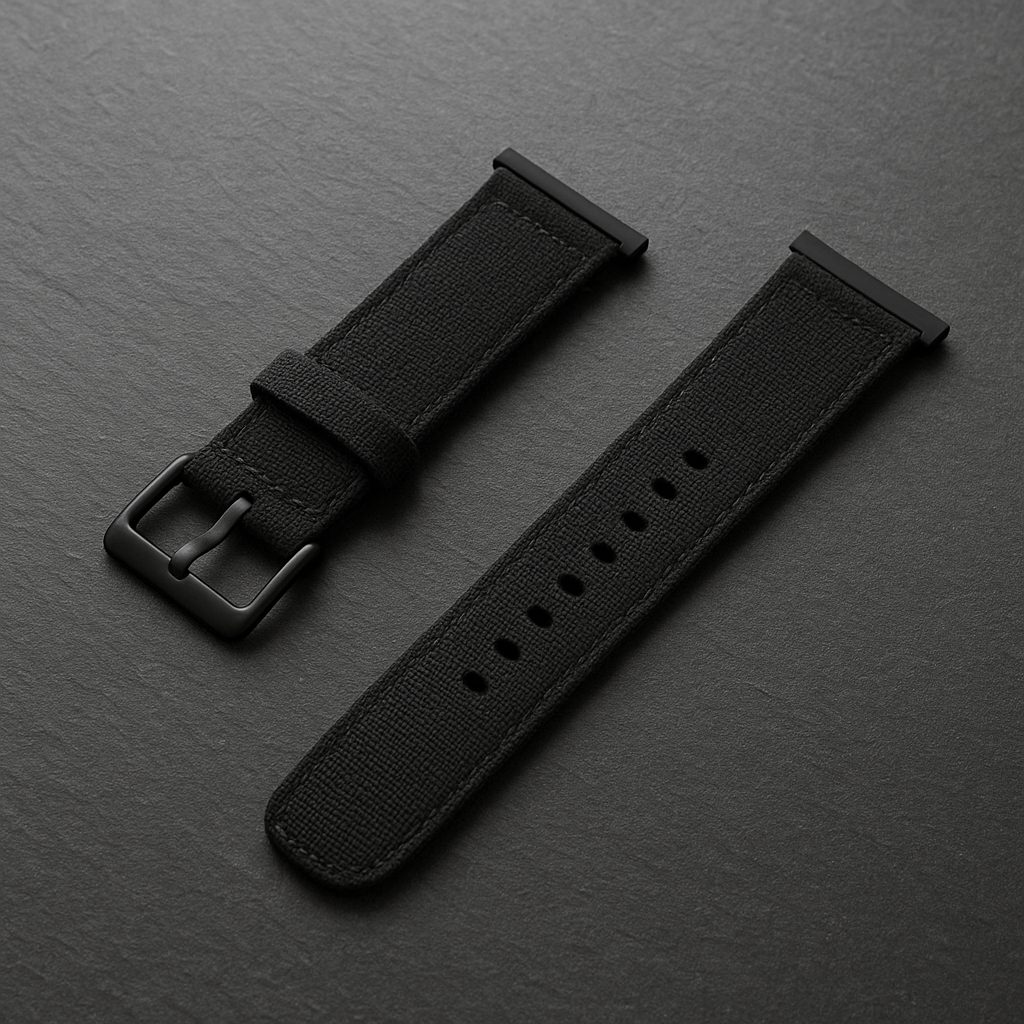
- Fabric bands: Most fabric bands use nylon or nylon-blend materials. These can range from dense, tightly woven types to lighter, more elastic varieties. A finely woven, supple nylon strap with moderate elasticity often goes unnoticed, adapting to wrist movements and reducing pressure points.
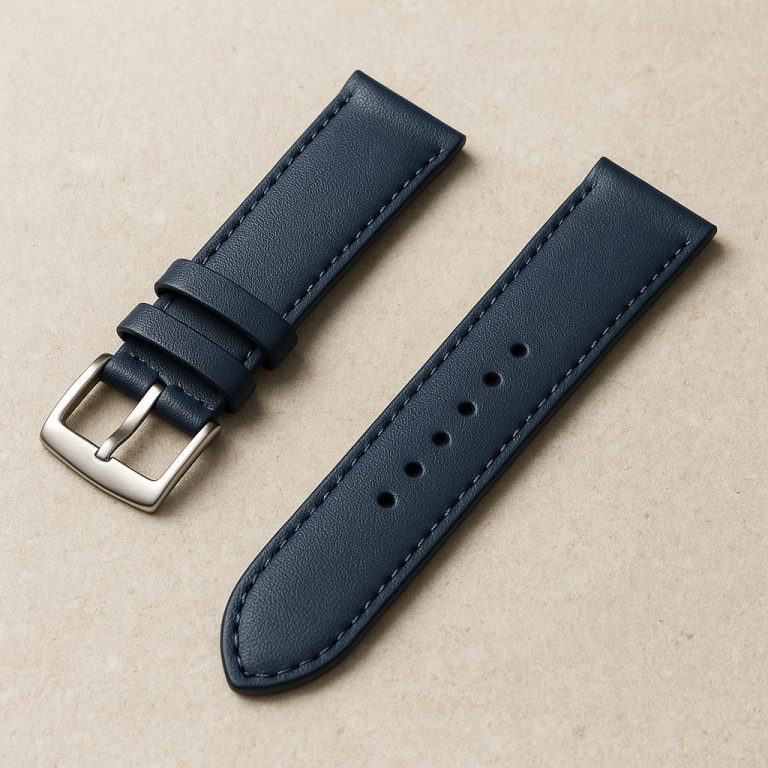
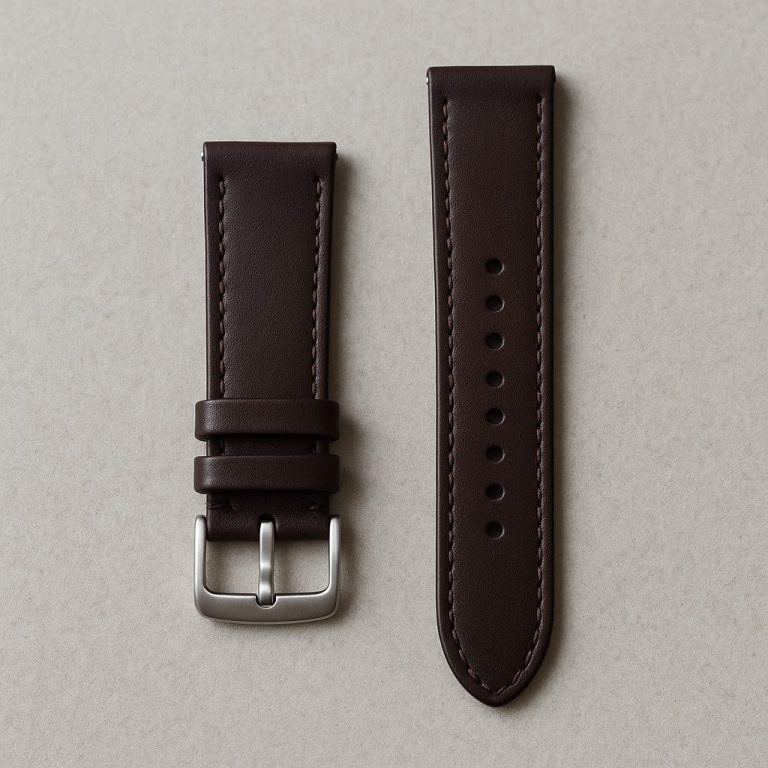
- Leather bands: Soft, broken-in leather can mold to the wrist and become supple over time. When the leather is thin and well-finished, it often feels less intrusive than thicker, stiffer leather.
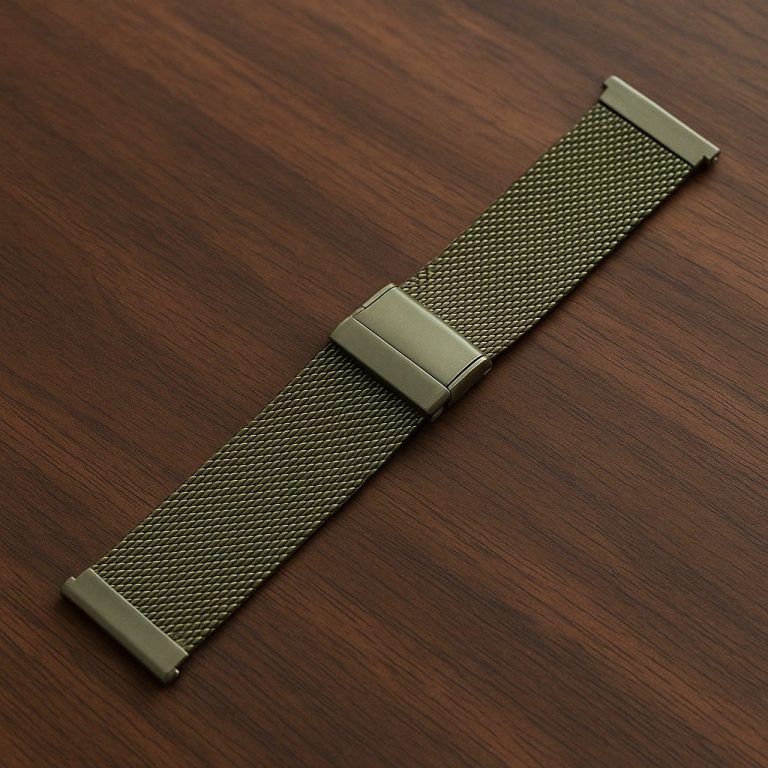
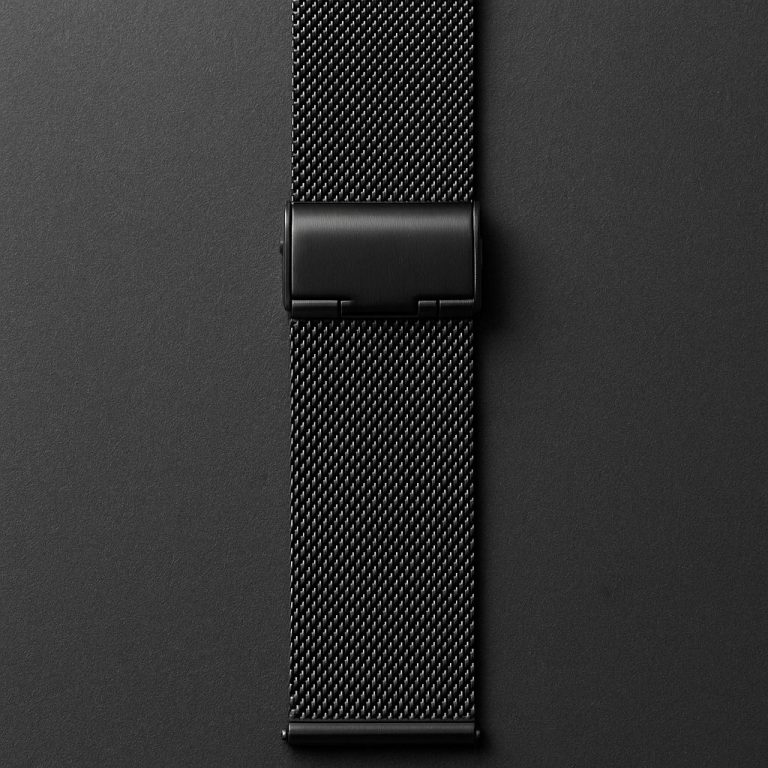
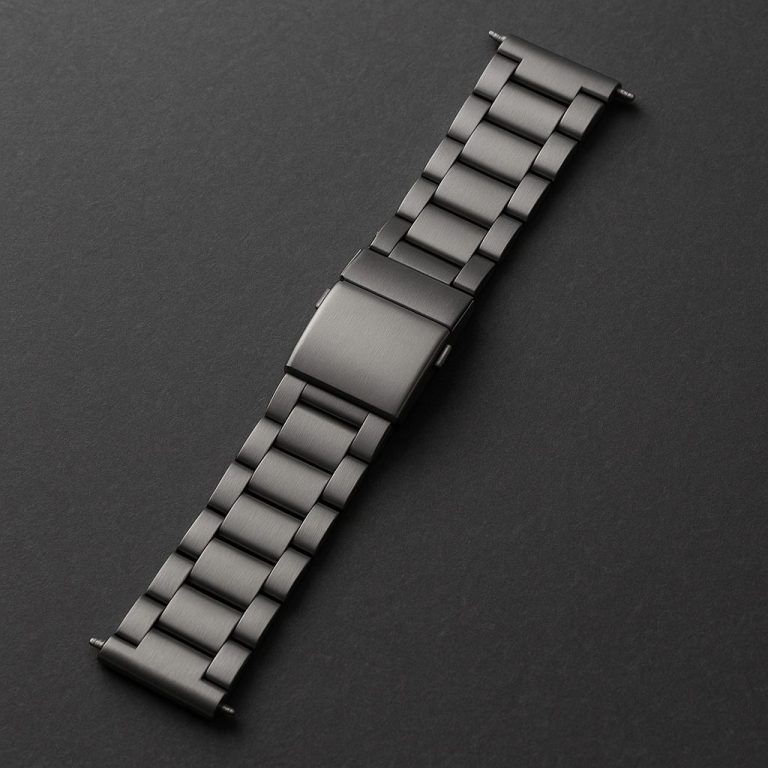
- Metal bracelets: These are usually made of stainless steel, favored for durability and corrosion resistance. However, metal links can be less forgiving against the skin. A well-designed bracelet with smoothly articulated links and a secure fit can distribute weight and pressure, but some people will always feel the coolness and texture of metal, especially if the fit is not perfect.
Weight and Distribution
The overall weight of the band—and how it balances with the watch case—has a major impact. Lighter bands, or those that distribute weight evenly, are less likely to constantly remind you of their presence. Heavier metal bracelets may pull against the wrist and move around more, while lightweight silicone or fabric bands generally stay put without drawing attention.
Breathability and Skin Interaction
Bands that trap sweat or heat can become uncomfortable over time, making you more aware of them. Breathable materials, such as certain weaves of nylon fabric or silicone with venting, allow air to circulate and moisture to escape, reducing the likelihood of skin irritation or stickiness.
Band Thickness and Edges
Thicker bands or those with sharp or poorly finished edges can dig into the skin, especially during wrist movement or when typing. Bands with rounded, smooth edges and moderate thickness tend to be less noticeable, as they reduce contact pressure and friction.
Comparing Major Watch Band Materials
| Material | Typical Feel | Why It May Be Easy to Forget |
|---|---|---|
| Silicone | Soft, flexible, smooth | Conforms to wrist, low friction, stays in place |
| Fabric (Nylon) | Lightweight, breathable, varies by weave | Adapts to movement, wicks moisture, can be elastic |
| Leather | Supple (when broken in), smooth or textured | Molds to wrist over time, minimal movement |
| Metal (Stainless Steel) | Cool, rigid, articulated | Distributes weight if sized well, but less flexible |
Fit and Adjustment Play a Key Role
The same material can feel dramatically different depending on how the band is sized and fastened. A band that’s too tight may cause pressure or indentations, while one that’s too loose may shift and catch on the skin. Both situations draw attention to the band. Bands with fine adjustment mechanisms—such as pin-and-hole or hook-and-loop closures—allow for a more customized fit, which can help the band “disappear” during wear.
For example, a lightweight nylon strap that’s slightly elastic and adjusted to be snug but not tight can settle against the wrist without shifting or pressing into the skin. Conversely, a metal bracelet with large links and limited adjustability may slide or pinch, making it harder to forget.
Practical Considerations for Everyday Wear
Daily activities can influence the perception of a watch band. Typing, exercising, or working with your hands can all highlight discomfort from a poorly chosen or adjusted band. Bands that move with the wrist and avoid bunching or catching on clothing are less likely to stand out. Some people swap bands based on the day’s activities: a silicone or nylon strap for exercise and a leather or metal band for more formal settings.
Individual Variation
Personal skin sensitivity, wrist shape, and even local climate can affect which band feels least noticeable. For example, in hot weather, a breathable fabric strap with open weave may feel better than leather or metal, which can trap heat. Over time, preferences may change as the band and wrist adapt to each other.
Recognizing the Subtle Differences
Forgetting you’re wearing a watch band is often the result of small design choices: a supple, flexible material, a secure but gentle fit, and surfaces that don’t irritate the skin. Noticing which bands you forget about—versus those that keep catching your attention—can help guide future choices or adjustments. Sometimes, simply switching to a lighter, smoother, or more breathable band can make all the difference during long days or active periods.