Why a watch band that looked perfect online may feel different in daily wear
What Changes When You Start Wearing a Watch Band Daily?
You slip on a new metal bracelet that looked sleek and flawless in online photos, but after a full day at your desk, you notice it pinches your skin or feels heavier than expected. That fabric strap with the vibrant color scheme, which seemed ideal for casual weekends, starts to itch or twist awkwardly after a few hours. This difference between online impressions and daily experience is a common frustration for anyone choosing a new watch band.
Why Online Photos and Descriptions Can Be Misleading
Online product images and descriptions are designed to showcase a watch band at its best. Lighting, camera angles, and digital editing make materials appear smoother, colors more vibrant, and proportions more flattering. However, these visual cues can’t convey how a watch band feels against your skin, reacts to movement, or fits your specific wrist shape.
Key characteristics—such as flexibility, texture, and weight—often become apparent only during extended wear. Even small details, like the way a clasp sits or how a band tapers, can make a significant difference once the watch is on your wrist for hours at a time.
Material Realities: How Different Bands Behave in Daily Wear
The most noticeable differences usually stem from the material of the watch band. Each type interacts with skin, sweat, and movement in unique ways, which aren’t always obvious from a product photo.
| Band Material | What Online Images Show | What Daily Wear Reveals |
|---|---|---|
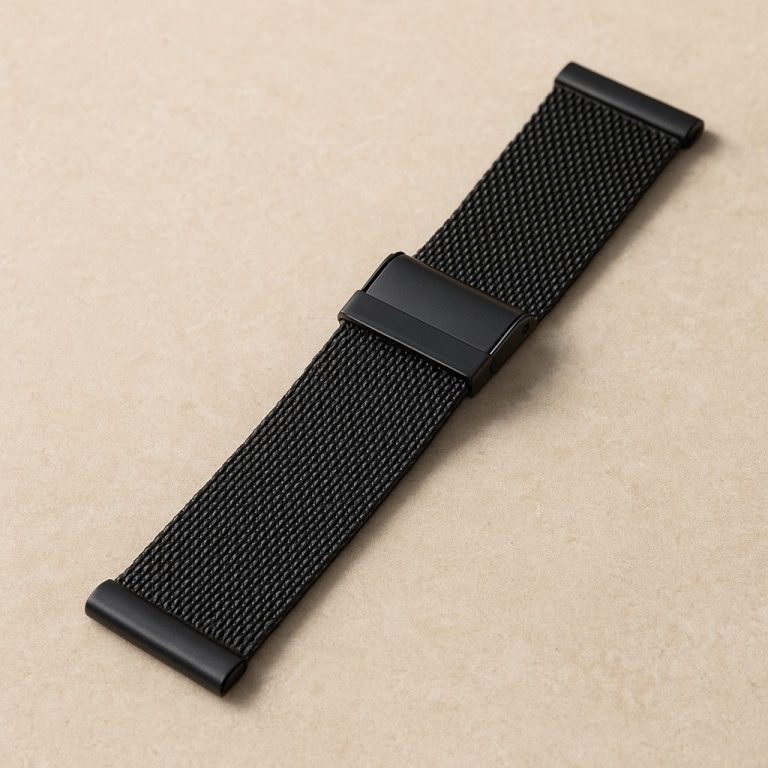
| Metal (usually stainless steel) | Polished finish, seamless links, solid appearance | Heaviness, coolness to the touch, occasional hair pulling or pinching |
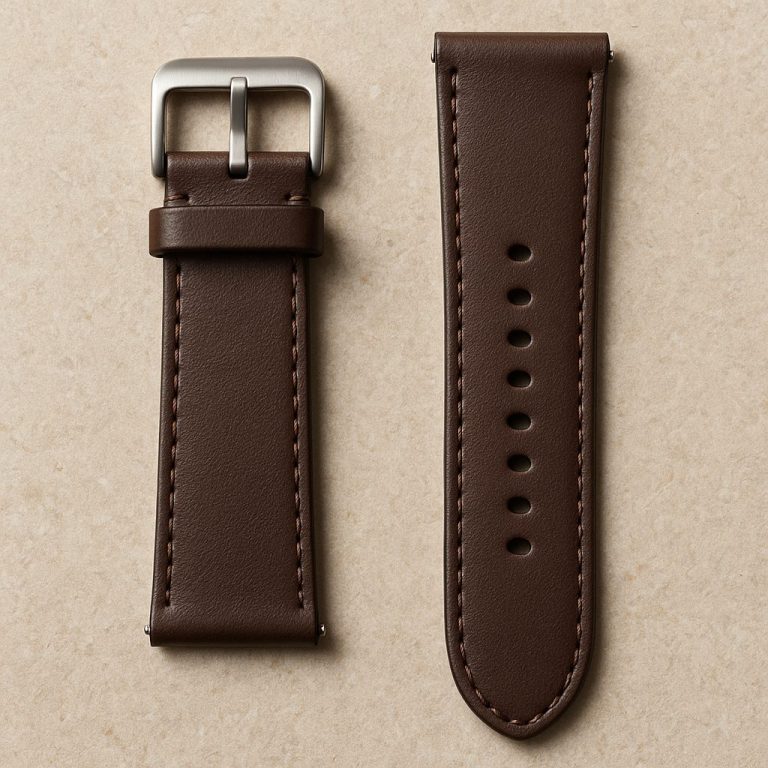
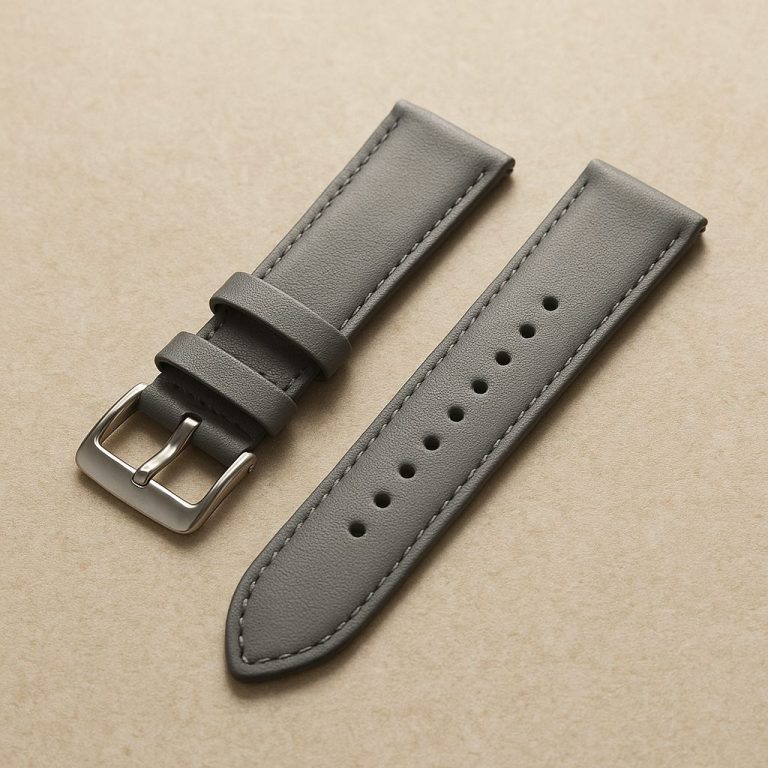
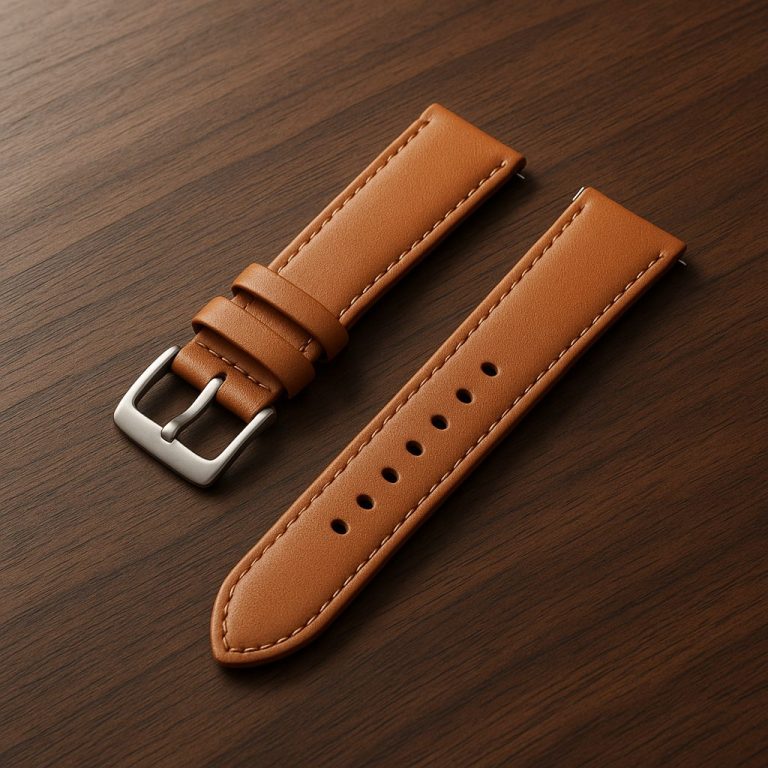
| Leather | Smooth texture, rich color, uniform surface | Stiffness at first, gradual softening, sensitivity to moisture or sweat |
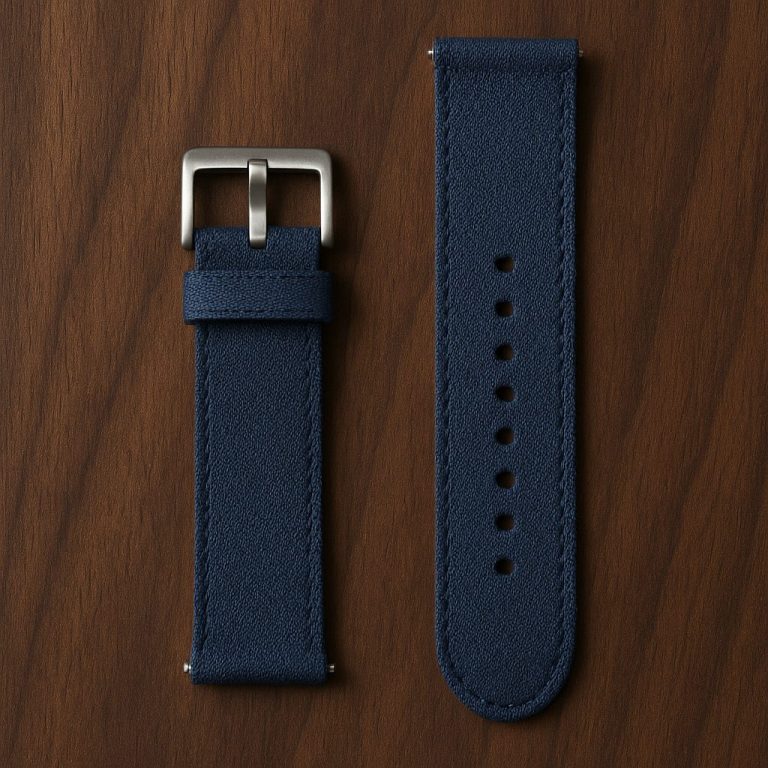
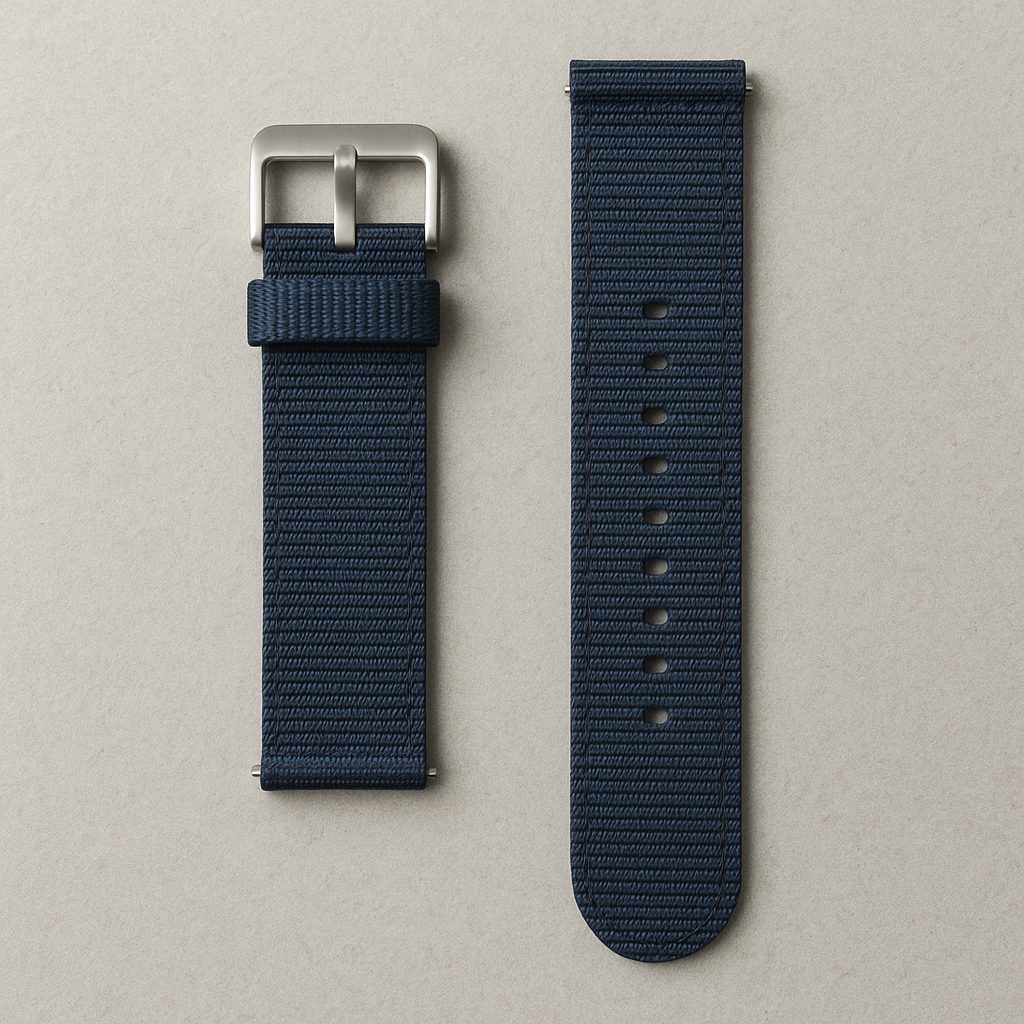
| Fabric (mostly nylon blends) | Tight weave, crisp color, neat stitching | Varying flexibility, potential for roughness or itchiness, stretching over time |
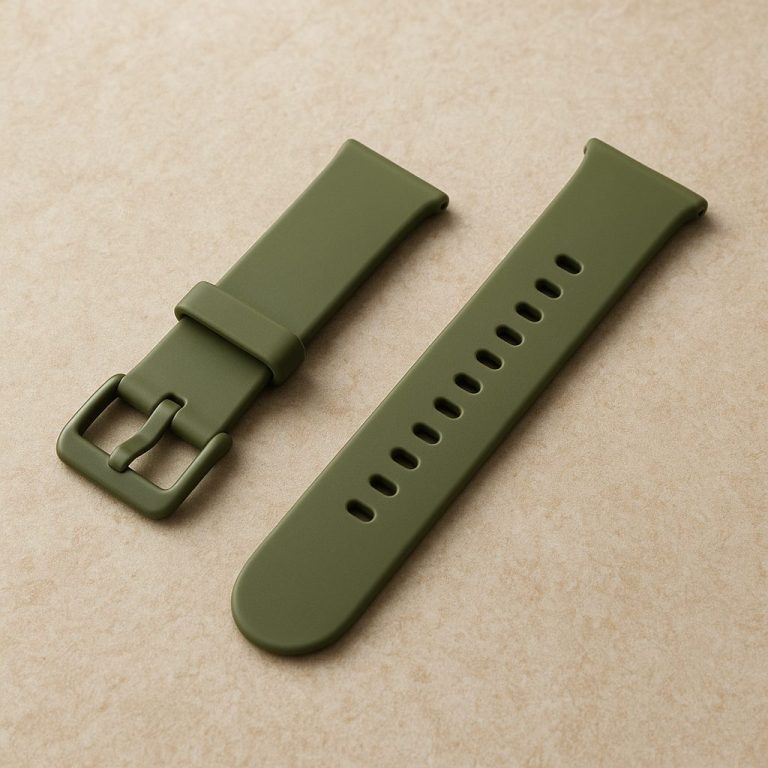
| Silicone | Matte or glossy finish, uniform color, smooth surface | Softness, tackiness against skin, possible accumulation of sweat |
Metal Bands: Weight and Movement Matter
Stainless steel is the most common material for metal watch bands, known for its durability and resistance to corrosion. Online, these bands look solid and refined, but in daily use, their weight can become noticeable, especially on slimmer wrists. The links may tug on arm hair or pinch the skin if not sized correctly. The sensation of cool metal may be pleasant at first but can feel uncomfortable in colder or hotter conditions. Adjusting the fit—removing or adding links—can help, but this isn’t always apparent until the band has been worn for several hours.
Leather Bands: Breaking In and Moisture Sensitivity
Leather bands often appear soft and luxurious in photos, but they usually start out stiff. The break-in period can last several days or weeks, during which the band gradually conforms to your wrist shape. Until then, it might feel rigid or even cause slight discomfort. Leather also absorbs sweat and moisture, which can lead to discoloration, odor, or stiffness if not cared for properly. A practical tip is to rotate between bands if you’re active or live in a humid climate to allow the leather to dry and maintain its condition.
Fabric Bands: Texture and Flexibility Differences
Most fabric watch bands are made from nylon or nylon blends, but there’s significant variation in weave density, thickness, and elasticity. A tightly woven nylon band may look smooth online but feel rigid or abrasive against the skin. Looser weaves can be more flexible but might stretch out or develop rough edges with frequent wear. Some fabric bands have a slightly stretchy quality, while others remain firm. These characteristics affect how the band sits on your wrist, especially during activities that involve a lot of movement.
Silicone Bands: Comfort and Skin Contact
Silicone bands are often shown as smooth and pliable, but their feel in daily wear depends on thickness and finish. A thicker silicone band may feel bulky, while thinner ones can be more flexible but less durable. Some silicone bands have a slightly tacky surface that can stick to the skin, especially in warm conditions or during exercise. This can lead to a sensation of trapped moisture or sweat build-up. Regularly removing the band to allow your skin to breathe can help minimize irritation.
Fit and Sizing: Subtle Differences with Big Impact
A watch band that looks well-fitted on a model’s wrist may not fit the same way on yours. Wrist shapes and sizes vary, and small differences in band length or hole placement can affect comfort. Metal bracelets with large links might not align perfectly with your wrist’s curve, while leather or fabric bands with pre-set holes may be either too loose or too tight. Measuring your wrist and comparing it to the band’s dimensions before purchasing can help, but the true test comes with daily movement—especially activities like typing, carrying bags, or bending your wrist frequently.
For example, a fabric strap that feels comfortable at first might start to shift or loosen throughout the day, requiring frequent adjustment. Conversely, a metal bracelet that fits snugly in the morning could feel tight by afternoon if your wrist swells slightly due to temperature or activity.
Visual Style Versus Real-World Practicality
Watch bands that appear stylish and eye-catching online may not match your daily wardrobe or activities. A brightly colored fabric band may clash with work attire, or a glossy metal bracelet may feel too formal for casual outings. The finish and color of a band can also change with wear—metal may develop minor scratches, leather can darken or develop a patina, and fabric bands may fade or fray.
Consider how often you plan to wear the watch and what environments you’ll be in. While a certain band may look perfect online, its versatility and resilience in your actual routine might be limited.
Practical Takeaways for Choosing a Watch Band
The difference between how a watch band looks online and how it feels in daily wear comes down to material behavior, fit, and subtle construction details. Pay attention to the type of material, the expected break-in period, and how attachment mechanisms might affect comfort. If possible, try on similar bands in person or consult detailed user reviews that mention long-term experience, not just initial impressions. By understanding these less-visible factors, you can make choices that balance style with real-world comfort and usability.