Why people sometimes regret replacing a watch band too soon
When a Quick Watch Band Change Leads to Regret
After noticing a small scratch on a leather watch band, someone might decide to replace it immediately, thinking it’s no longer suitable. Or, after the first signs of wear on a fabric band, a quick swap to a new strap may seem like a good idea. However, replacing a watch band too soon can sometimes lead to unexpected regret, especially if the decision is made hastily or without considering a few important factors.
Hidden Value in the Original Band
Original watch bands often hold more value than they seem to at first glance. In addition to matching the watch’s design, the original band is sometimes made to fit the case’s specific proportions or color scheme. For example, a metal bracelet—most commonly crafted from stainless steel for its durability and corrosion resistance—may have links or end pieces shaped to perfectly follow the curve of the watch case. Swapping out this band for a generic option may result in a less integrated look, making the watch feel mismatched or less appealing.
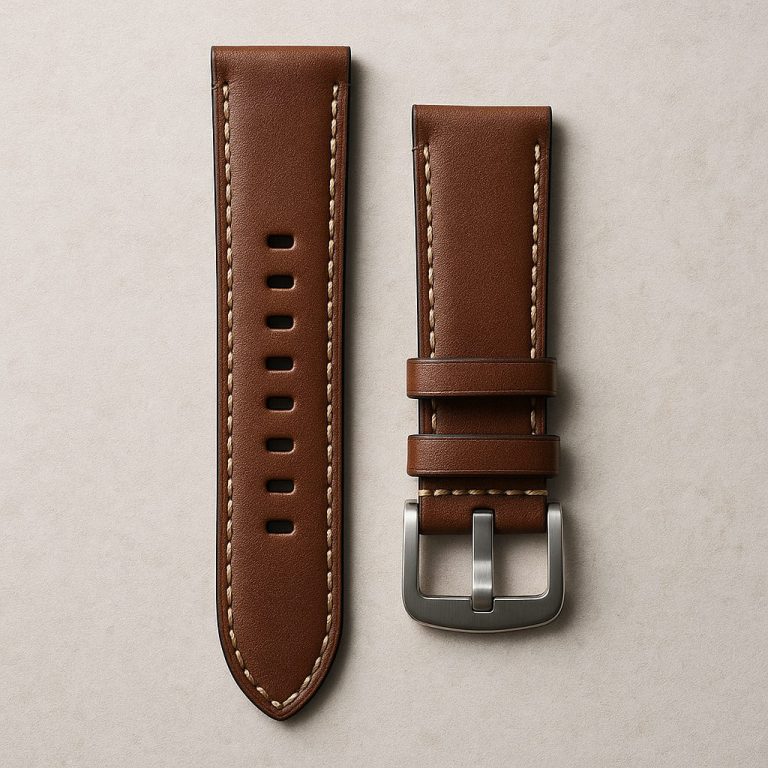
Even small details, such as the finish of the metal or the stitching on a leather strap, can be hard to replicate with replacement options. Once the original band is removed and replaced, it can sometimes be difficult to source an identical one again, especially for discontinued models or special editions.
Premature Replacement and Comfort Issues
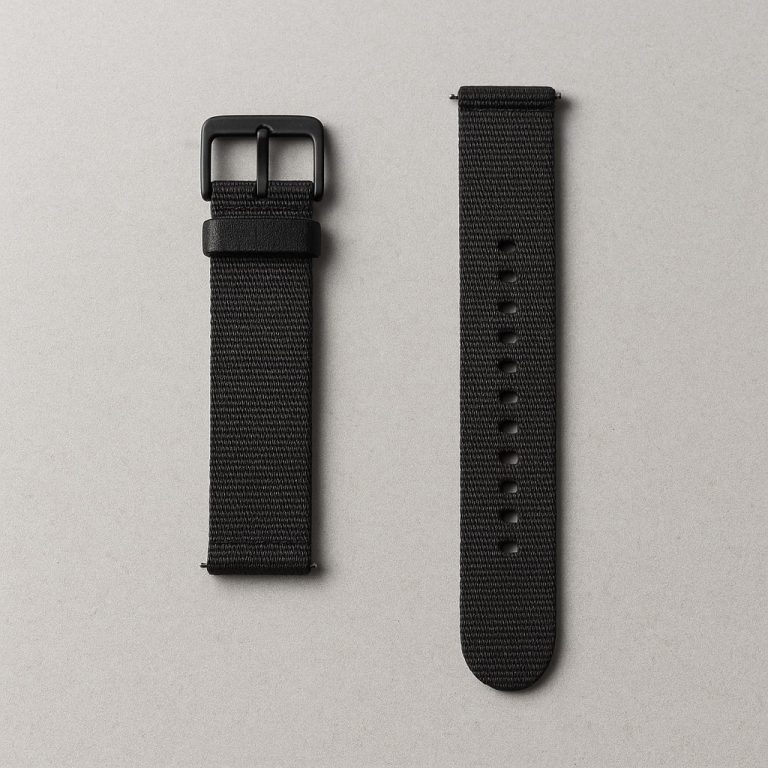
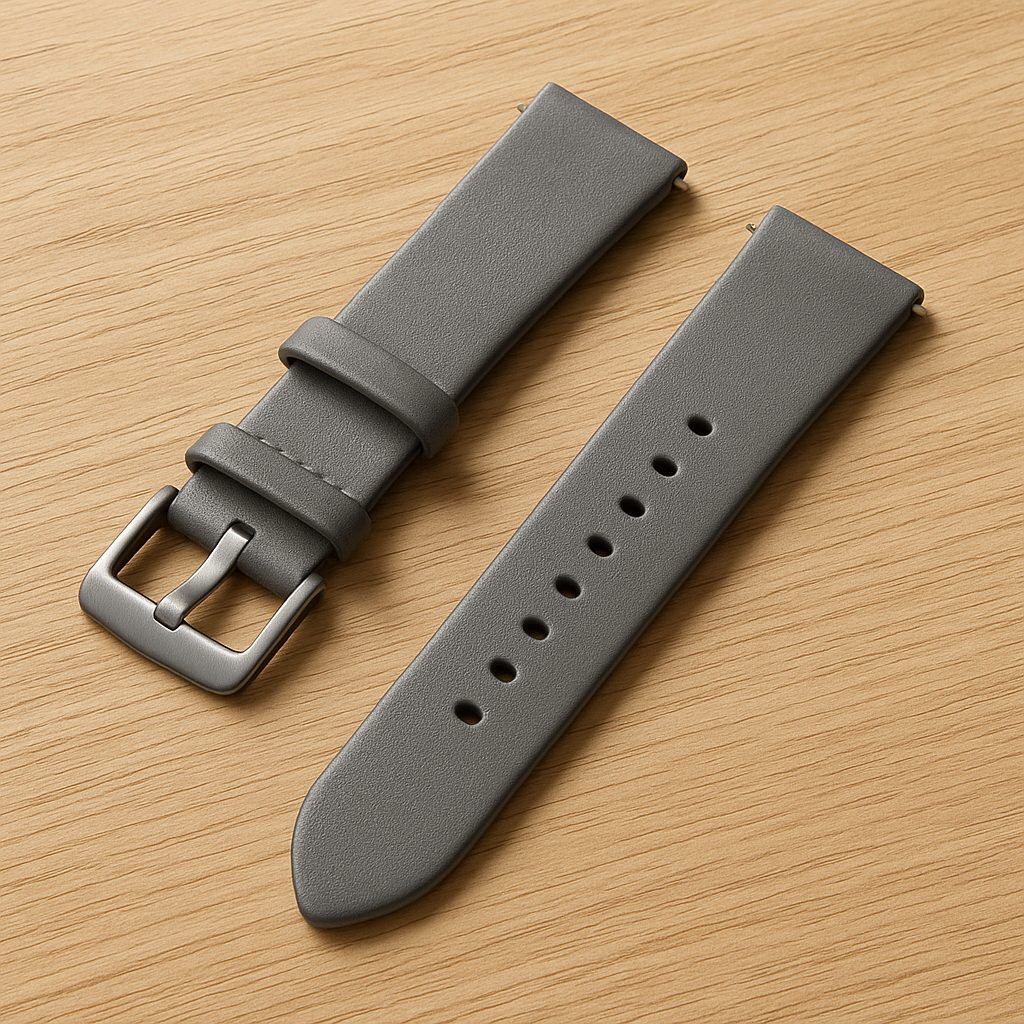
A new band might look fresh, but it may not offer the same comfort as a broken-in original. Leather straps, for example, gradually become more flexible and better molded to the wrist over time. Replacing them at the first sign of creasing or patina can lead to disappointment when the new band feels stiff or doesn’t sit as comfortably. Similarly, fabric bands, most often made from nylon or blends, can develop a softer texture and more natural drape after some use—early replacement can result in a stiffer experience that takes time to break in again.
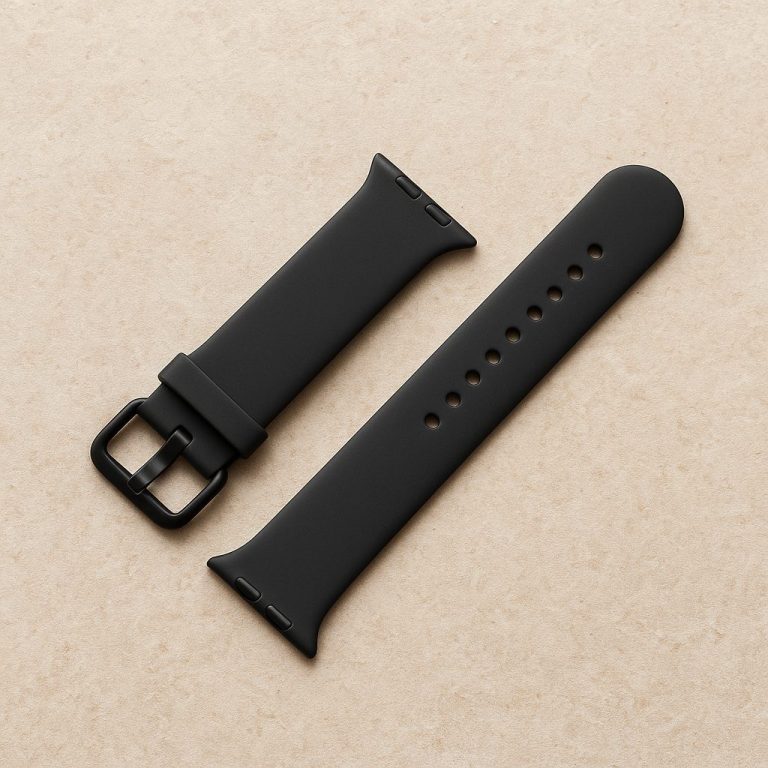
Silicone bands, while known for their flexibility, can also feel noticeably different when swapped for a new one, especially if the original had been worn enough to adapt to the wrist. Some people find that switching to a new silicone band temporarily increases sweatiness or causes skin irritation until the fit adjusts.
Missed Opportunities for Cleaning or Restoration
Sometimes, what looks like permanent damage or excessive wear is actually fixable. Leather bands with minor stains or surface scratches can often be cleaned or conditioned, restoring much of their original appearance. Metal bracelets can be cleaned to remove grime or minor surface marks, and fabric bands—particularly those made from denser nylon weaves—can respond well to gentle washing, restoring color and texture.
Quickly replacing a band instead of exploring cleaning or restoration options may lead to unnecessary expense and the loss of a band that could have served well for much longer.
Impact on Watch Value and Authenticity
For certain watches, especially those with unique designs or limited production, having the original band can make a difference in perceived value. Collectors and enthusiasts often prefer watches with their factory bands, even if some wear is present. This is especially true for bands that are difficult to replace, such as metal bracelets with custom links or leather straps with unique stitching patterns.
Removing and discarding the original band too soon can reduce a watch’s resale or sentimental value. Even if a replacement band is high quality, it may not carry the same appeal or authenticity as the original, especially if it lacks distinctive details or markings that matched the watch at the time of purchase.
Practical Drawbacks of Early Replacement
Quickly swapping out a watch band may create practical issues, especially if the new band is not an exact fit. For example:
- A band that is slightly too narrow can leave gaps at the lugs, affecting both appearance and stability.
- A thicker new band may not slide easily between the case’s lugs, making attachment difficult or causing stress on the pins or quick-release mechanisms.
- Replacing a fabric band with one that has a different weave density or elasticity can affect how securely the watch sits on the wrist, sometimes making it feel looser or tighter than intended.
These practical mismatches can lead to frustration, even if the new band initially seemed like an upgrade.
Comparing Reasons for Regret: A Quick Reference
| Reason for Regret | How It Occurs |
|---|---|
| Loss of Original Style | Replacement band doesn’t match the watch’s design or color scheme |
| Reduced Comfort | New band feels stiff or causes irritation compared to worn-in original |
| Missed Restoration | Original band could have been cleaned or repaired instead of replaced |
| Lowered Value | Removing original band decreases watch’s collectible or resale appeal |
| Poor Fit | New band does not fit the case or wrist as well as the original |
Why Patience Pays Off When Considering a Watch Band Change
Pausing before replacing a watch band can help avoid disappointment. Sometimes, a small flaw or early signs of wear are normal and do not signal the end of a band’s useful life. Checking if the original band can be cleaned, conditioned, or adjusted is often worthwhile. If replacement does become necessary, keeping the original band—even in used condition—can preserve the watch’s character and value. By taking time to assess whether a change is truly needed, it’s possible to make a more satisfying and lasting decision about the watch’s appearance and comfort.