Why some watch bands continue to influence future buying decisions
How Previous Watch Band Experiences Shape Future Choices
After wearing a watch with a metal bracelet that pinched the skin or a fabric strap that absorbed sweat during summer, the feeling lingers long after the band is swapped out. These everyday experiences often influence what someone looks for—or avoids—when choosing a new watch band. Past usage leaves a clear impression, affecting comfort expectations, style preferences, and even perceptions of quality or durability.
Physical Comfort Creates Lasting Impressions
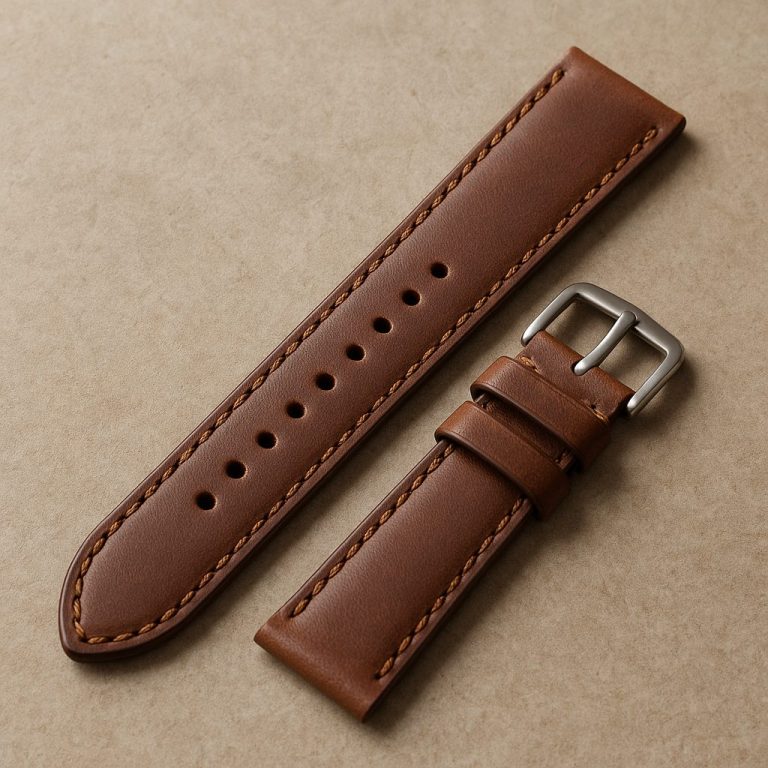
Physical comfort is often the first thing noticed during daily wear. For example, if a silicone band once caused skin irritation after extended use, that memory can make someone hesitate before selecting another silicone band. Similarly, a tightly woven nylon fabric band that felt stiff or abrasive might lead a person to seek out softer, stretchier alternatives next time. Positive experiences, like a leather band that gradually softened and molded to the wrist, can set a high standard for future bands and become the benchmark against which others are measured.
Material Expectations: Preferences Formed by Experience
The material of a previous watch band often becomes a reference point for future decisions. Each type of band material presents unique qualities, and direct experience with those qualities leaves a lasting impact. Here’s how specific experiences can influence later choices:
| Material | Typical Experience | Future Buying Influence |
|---|---|---|
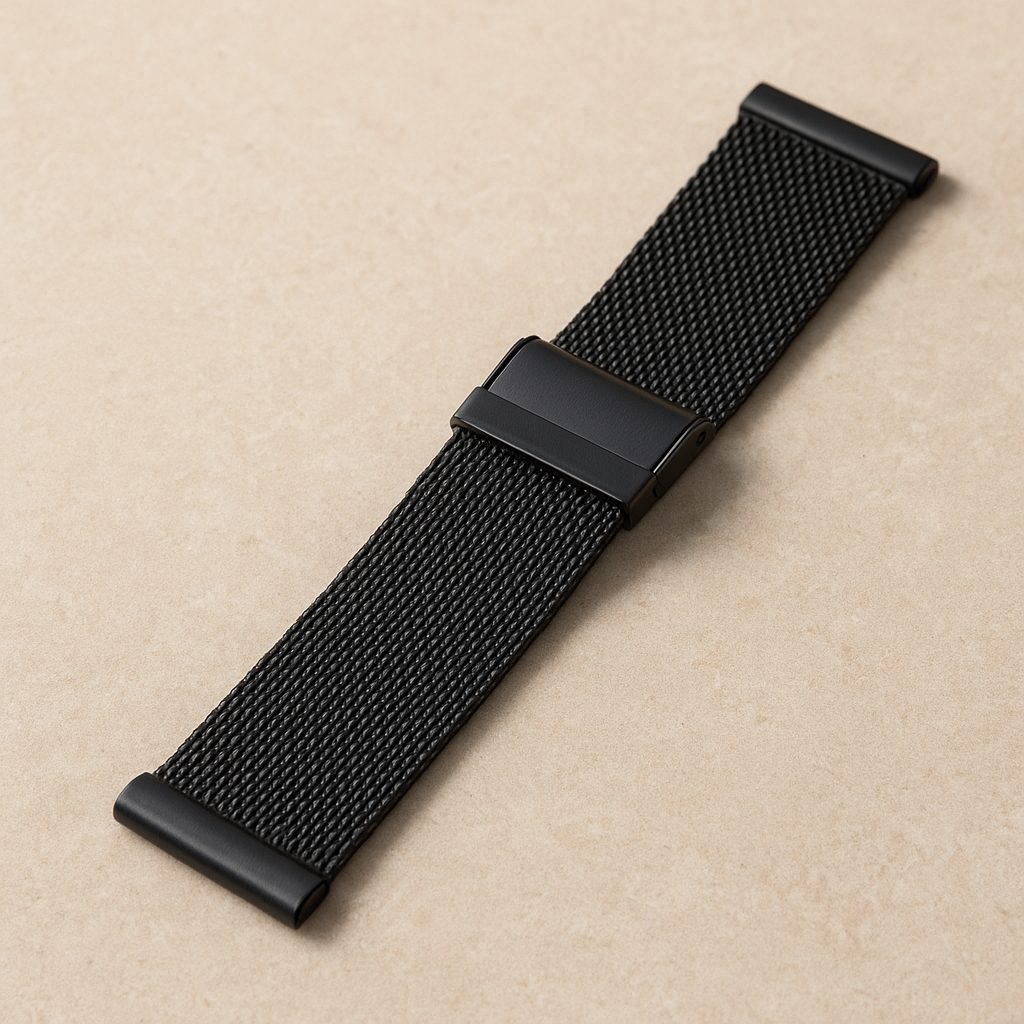
| Metal (e.g., stainless steel) | Durable, cool to the touch, sometimes heavy or prone to hair pulling | Preference for solid feel or avoidance due to weight or discomfort |
| Leather | Softens over time, absorbs sweat, ages visibly | Seeking comfort or avoiding maintenance and odor retention |
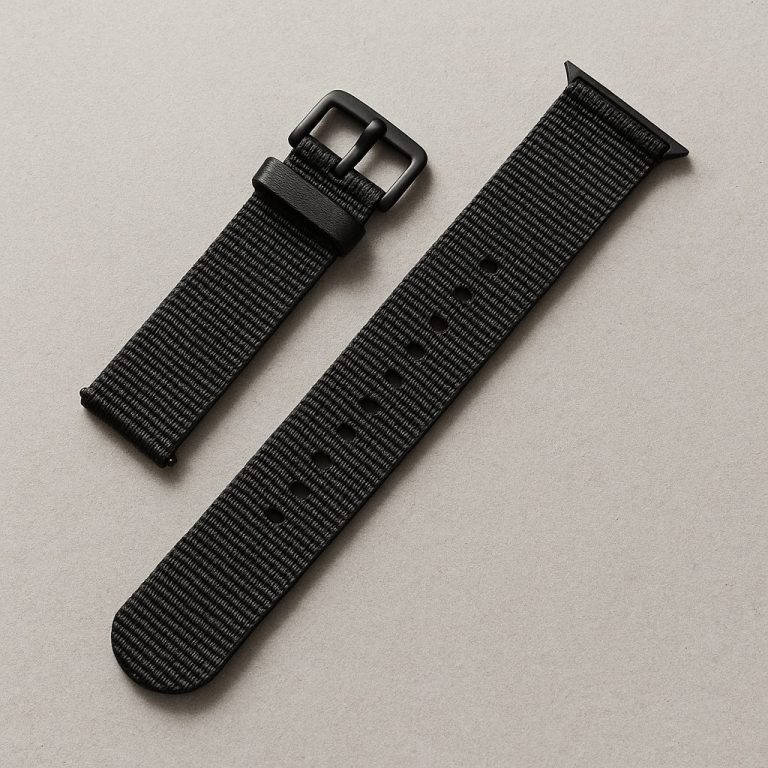
| Fabric (usually nylon blends) | Lightweight, breathable, may fray or stretch depending on weave | Preference for easy-wear bands or avoidance if fraying occurred |
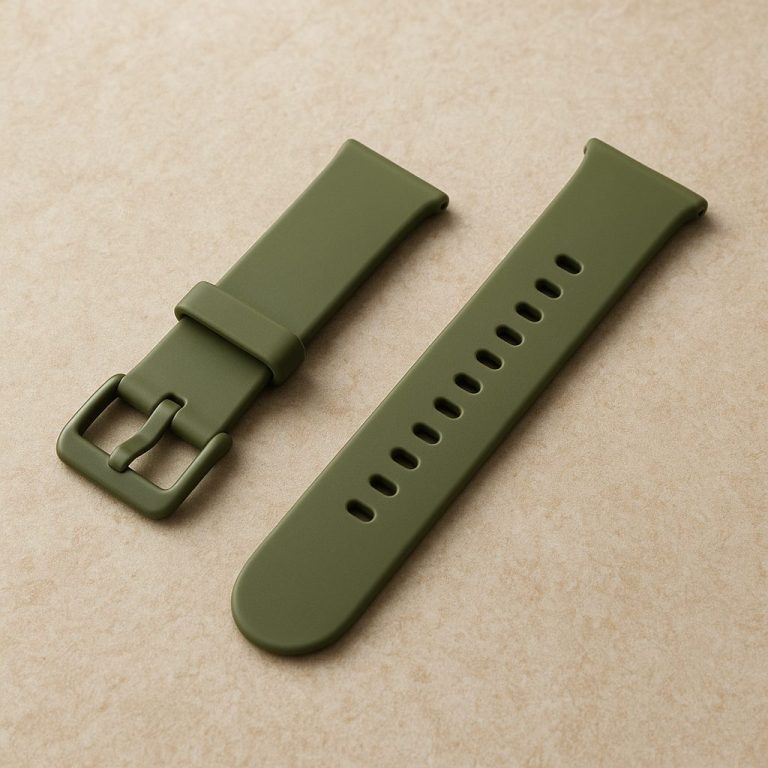
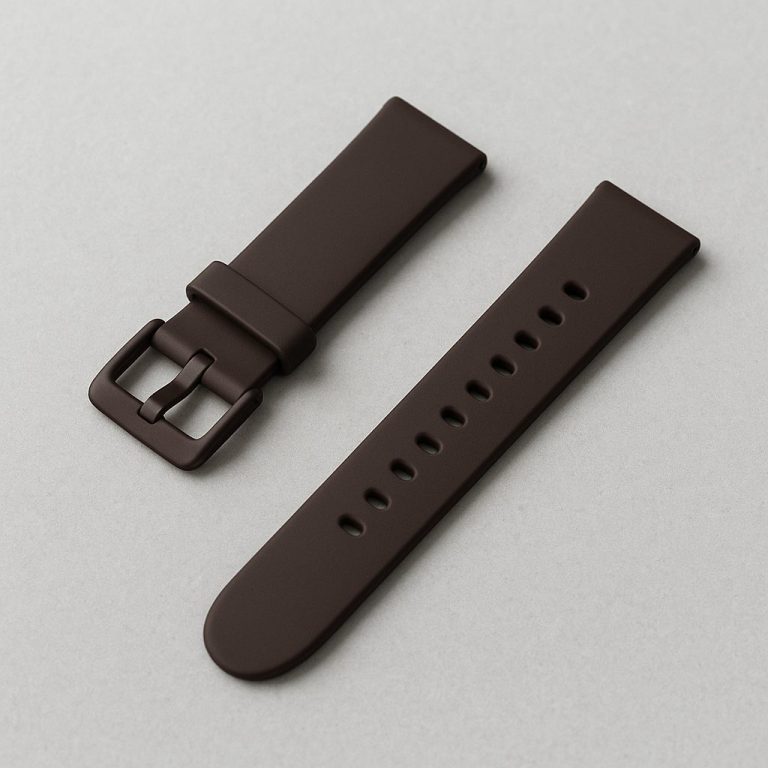
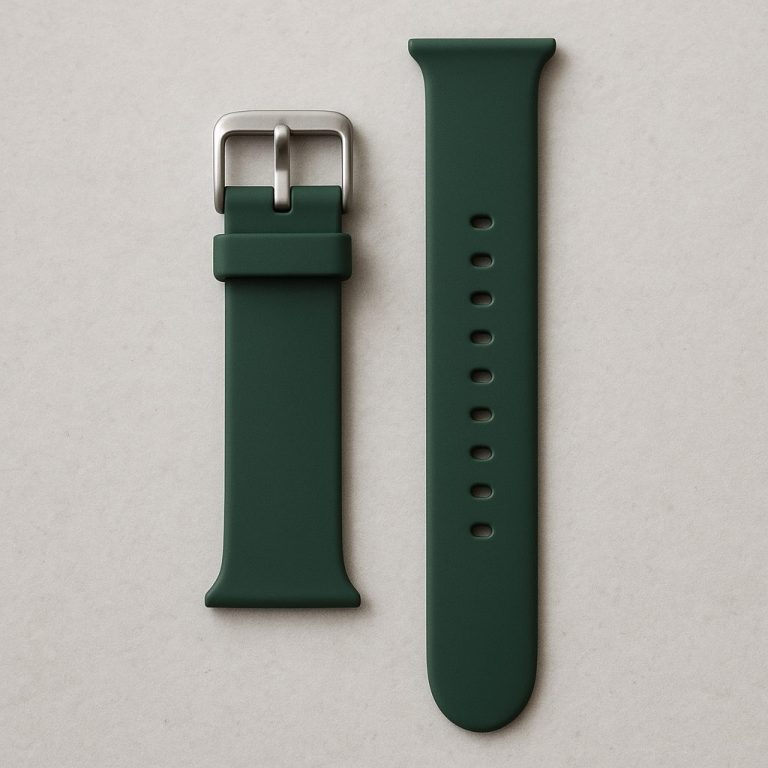
| Silicone | Flexible, water-resistant, sometimes sticky in heat | Desire for active use or wariness if skin irritation happened |
A person who found a stainless steel bracelet uncomfortably heavy may look for lighter options, like fabric or thinner leather, in the future. Conversely, a positive experience with a silicone band during workouts might encourage someone to seek similar bands for their next sports watch.
Daily Use and Practicality Guide Decision-Making
Routine activities often expose the strengths and weaknesses of a watch band. If a fabric band—often crafted from various densities of nylon—dried quickly after getting wet, that practicality could become a priority for future selections. Someone who experienced difficulty cleaning a light-colored leather band may gravitate toward darker shades or more stain-resistant materials next time.
Some users recall the inconvenience of metal bracelets collecting scratches or requiring periodic resizing, which may influence them to consider easier-to-maintain bands. On the other hand, the ease of swapping a silicone band for a workout, then back to a leather option for work, may encourage continued interest in quick-change mechanisms and modularity.
Style and Aesthetic Memory Shape Expectations
The visual impression left by a previous band can strongly affect future buying decisions. A classic leather band that matched well with formal clothing may set an expectation for understated elegance. If a brightly colored nylon band felt mismatched with business attire, that lesson might prompt a more conservative choice later on. Similarly, the reflective shine of a metal bracelet, typically made from stainless steel for its resistance to corrosion, might be preferred for its visual impact or avoided if it seemed too flashy for certain settings.
Emotional Associations and Sentimentality
In some cases, a watch band becomes associated with memorable events or daily routines. The familiarity of a specific material or color can evoke a sense of nostalgia or personal identity. Someone who wore a sturdy, densely woven nylon band during outdoor adventures might look for similar traits in their next band, associating that style with reliability and good memories.
Durability and Maintenance: Learning from Experience
Experiences with durability—such as a silicone band’s resistance to water, a leather band’s tendency to show wear, or a fabric band’s gradual stretching—inform what users prioritize in the future. If a previous band required frequent cleaning or repairs, that inconvenience often pushes someone toward materials that promise longer life with less upkeep. Past frustrations with fraying, cracking, or fading leave a strong impression, sometimes leading to a complete shift in material preference.
For example, someone who noticed a loosely woven nylon band becoming misshapen over time may look for bands with tighter weaves or reinforced edges. If maintenance was easy and the band retained its appearance, that positive reinforcement might encourage sticking with the same type of material—and even the same basic style—across multiple watches.
Attachment Experience and Convenience
The process of attaching or removing a watch band can also affect future selections. If a band with complex attachment mechanisms caused frustration or required special tools, a user might later seek out bands with simple, tool-free designs. Conversely, a secure attachment that never failed can establish trust in that mechanism, influencing both material and style choices down the line.
Applying Past Lessons to Future Choices
The preferences formed by previous watch band experiences can make the selection process more efficient and satisfying. By reflecting on what worked well and what caused problems in the past—whether related to comfort, durability, style, or convenience—anyone can make more informed decisions when choosing their next watch band. This approach helps focus on the features and materials that best match individual needs and avoids repeating mistakes that led to discomfort or disappointment.