Why a watch band can feel more successful on the second attempt
Why First Impressions of a Watch Band Can Change
A watch band that feels stiff, awkward, or mismatched when first worn can leave a disappointing impression. For example, after swapping a metal bracelet for a fabric strap, someone might find the new band less comfortable or visually out of place with their watch. Initial reactions like these are common, but it’s not unusual for that same watch band to feel much more successful or appealing on a second attempt, especially after some time has passed or circumstances have shifted.
Factors That Shape Initial Reactions
Several elements influence how a watch band is perceived during its first use. Often, these factors have less to do with the band’s inherent quality and more to do with context and expectation:
- Expectations Set by Previous Bands: Switching from a familiar material, such as stainless steel, to something different like leather or silicone, can feel jarring. The new texture, weight, or flexibility might initially feel uncomfortable, simply because it’s unfamiliar.
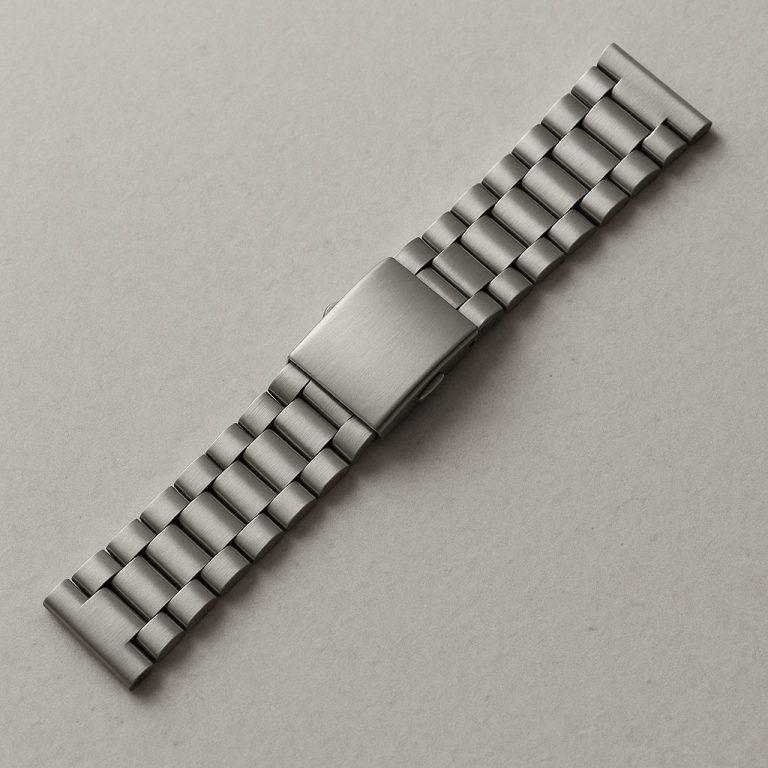
- Outfit or Setting: A band that looks out of place with certain clothing or in a specific environment might feel like a poor match. For example, a silicone band may seem too casual for formal attire, while a metal bracelet might feel heavy during warm weather or outdoor activities.
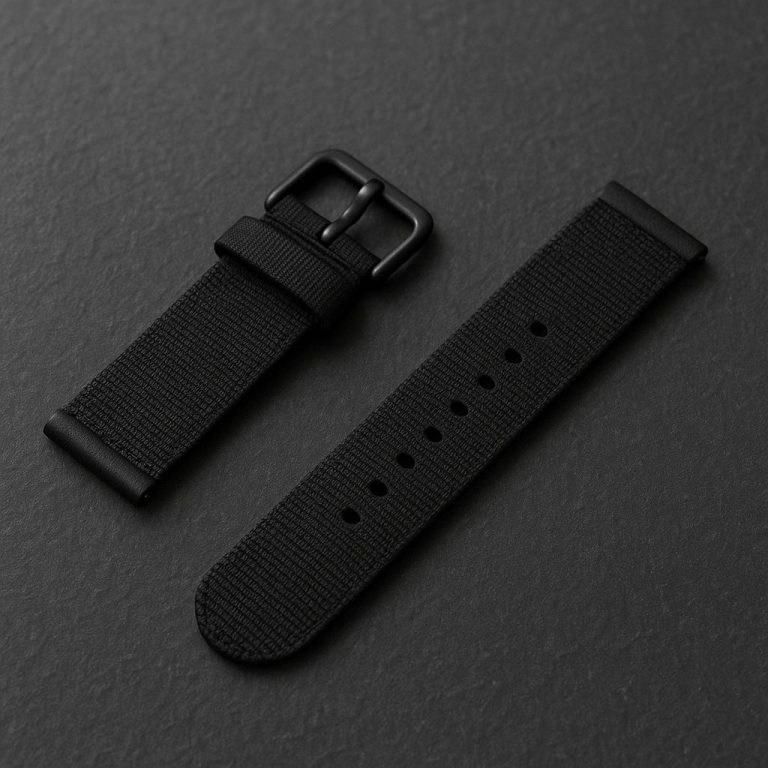
- Activity and Movement: Some bands, such as those made from nylon fabric, may feel stiff or rough at first, especially if the weave is dense or the material is new. The difference often becomes more pronounced during certain activities, like typing or exercise.
- Seasonal or Environmental Conditions: Leather bands, for instance, may feel hot or sticky in summer, but comfortable in cooler weather. Similarly, metal bracelets, usually made from stainless steel for durability, can feel cold against the skin in winter.
How Circumstances and Perceptions Shift Over Time
After setting aside a disappointing band, returning to it later can result in a surprisingly positive experience. This shift is often due to changes in environment, expectations, or even personal style. Here’s how these factors can make the same band feel more successful on a second attempt:
Adjustment of Expectations
The initial disappointment may stem from expecting the new band to replicate the feel or appearance of the previous one. With time, those expectations fade, allowing the unique qualities of the new band to be appreciated. For example, a silicone band might not offer the same classic look as leather, but after some time away, its lightweight comfort may be more noticeable and valued, especially for casual wear or exercise.
Different Outfits and Occasions
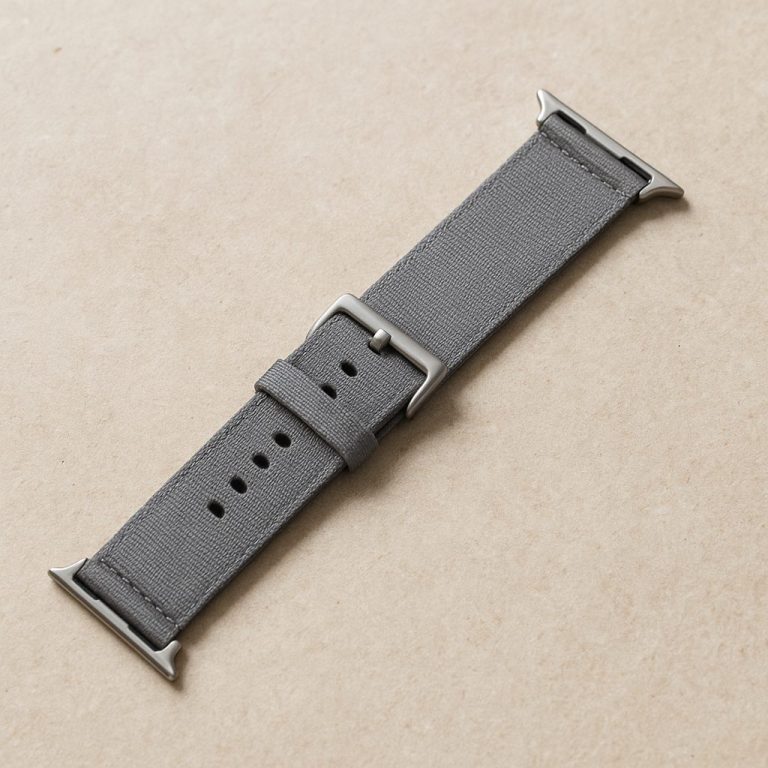
A band that felt mismatched with one outfit may look just right with another. For instance, a brightly colored nylon strap might seem out of place with business attire but could complement a weekend outfit or athletic wear. Most fabric bands are made from nylon or blends, and their weave density and texture can lend themselves better to some styles than others. Trying the same band with a different look or during a different season can reveal its strengths.
Changes in Activity
The suitability of a watch band often depends on what you’re doing. A metal bracelet might have felt too heavy during an active day but could feel secure and stylish in a less physically demanding context. Conversely, a silicone band that felt too sporty in the office might prove ideal on a hike or at the gym.
Break-In and Familiarity
Some materials, such as leather, conform to the wrist over time, becoming more comfortable with use. Fabric bands—most often nylon, with varying thickness and elasticity—can soften after wear or washing, improving comfort. Even the act of putting on a new style of band a few times can make the process feel more natural, especially if the attachment method is different from what you’re used to.
Comparing First and Second Experiences
| First Attempt | Second Attempt |
|---|---|
| Unfamiliar feel or fit | Greater comfort as wrist adapts |
| Mismatched with outfit | Better pairing with different clothing |
| High expectations from prior band | New appreciation for unique qualities |
| Perceived as too formal/casual | Works well in new context or activity |
Recognizing the Role of Context
The experience of wearing a particular watch band is shaped by more than just the material or construction. For example, a metal bracelet—often stainless steel for durability and corrosion resistance—may initially feel too rigid compared to a soft leather band but might later feel ideal for a dress occasion. Similarly, fabric bands with a denser weave may soften up, or their color may become a better match as personal style evolves.
Trying a previously disappointing band again at a different time, with a different outfit, or during a different activity can lead to a much more satisfactory experience. Sometimes, simply allowing for an adjustment period or shifting expectations is all it takes for a watch band to feel just right.
When a Second Chance Pays Off
Returning to a watch band that once felt like the wrong choice can reveal new possibilities. Recognizing how context, expectations, and even small physical changes affect perception helps in making the most of each band in a collection. Sometimes, the best fit or look emerges only after circumstances change, making a second attempt worthwhile.