What causes some watch bands to feel more balanced than others
Why Some Watch Bands Sit Better on the Wrist
A watch that constantly shifts around your wrist or feels awkwardly top-heavy can be distracting and uncomfortable during daily activities. This sense of imbalance isn’t just about the weight of the watch itself; the design, construction, and material of the watch band play a significant role in how balanced the watch feels on your wrist. Understanding why some watch bands create a more balanced experience can help you recognize what to look for when adjusting, replacing, or selecting a watch band for comfort and stability.
How Band Materials Affect Balance
The material of a watch band not only influences appearance and comfort but also contributes to how weight is distributed on your wrist. Different materials interact with the weight of the watch case in distinct ways:
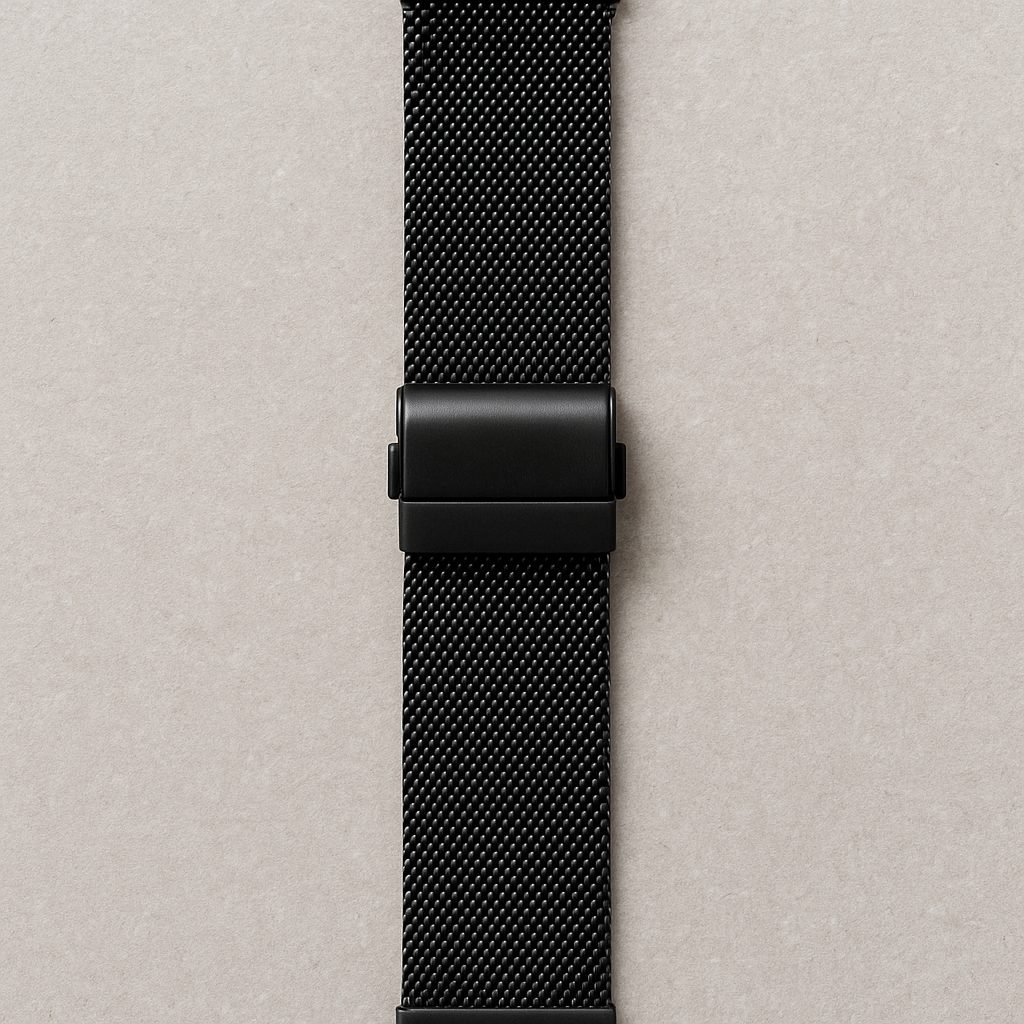
- Metal bands—usually stainless steel—tend to be heavier and can counterbalance a large or heavy watch case. The even distribution of weight on both sides of the wrist helps prevent the watch from sliding around. However, if the band is much heavier than the case, it can tip the balance, making the watch feel weighted toward the strap rather than the face.
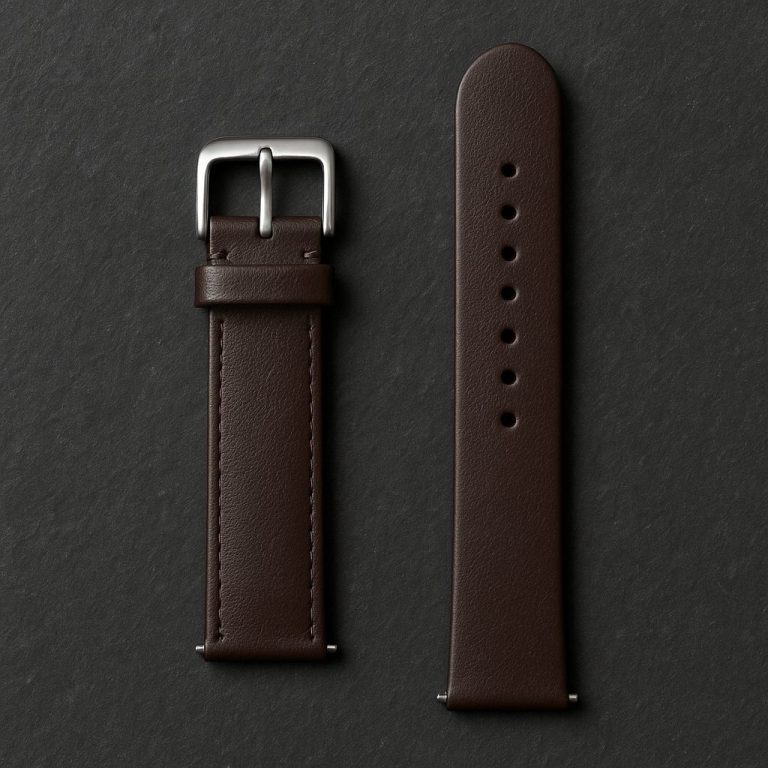
- Leather bands are generally lightweight and flexible. While this can enhance comfort, very light leather straps may not sufficiently counterbalance a heavy watch case, causing the case to tilt toward the top of the wrist.
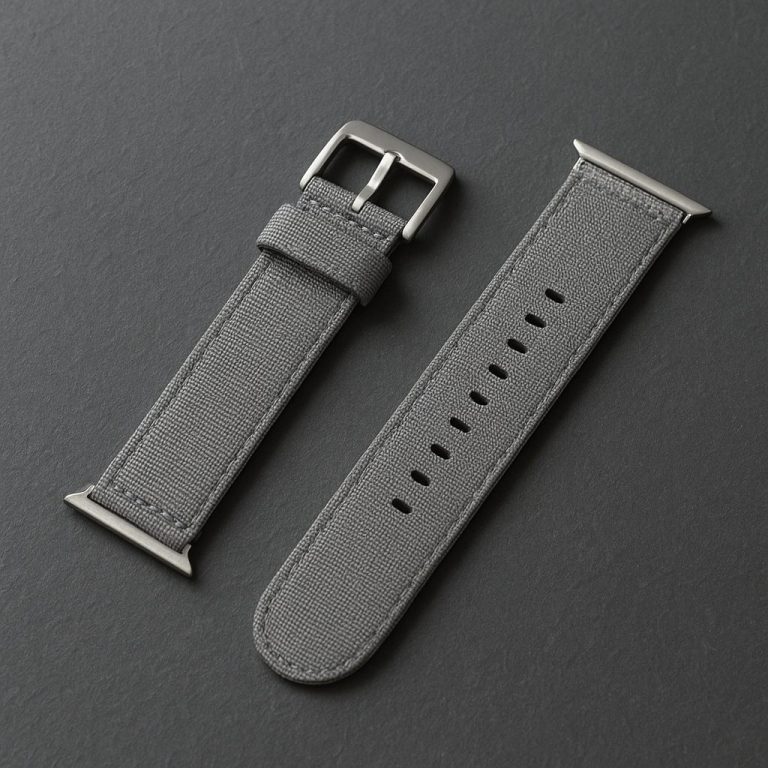
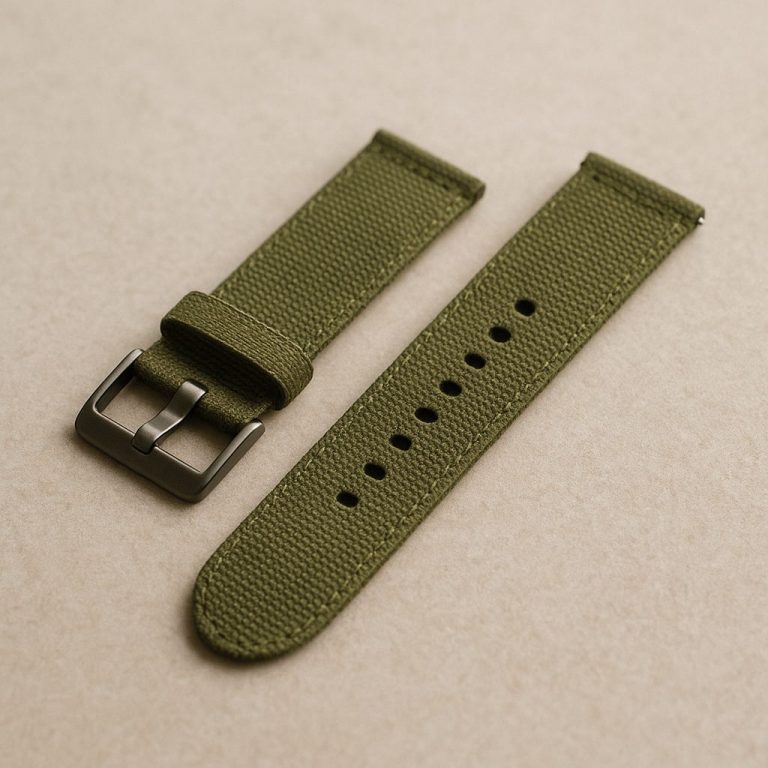
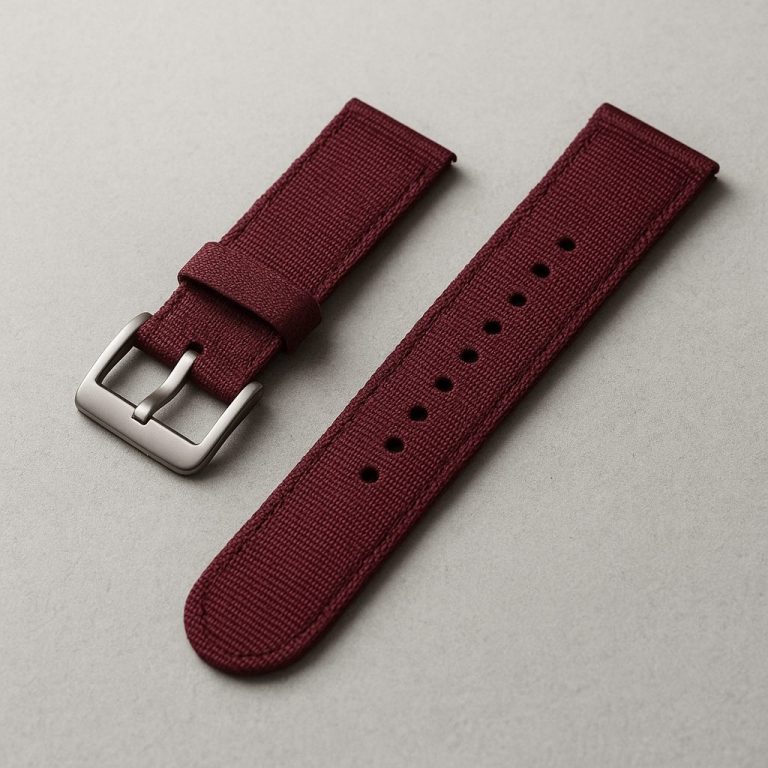
- Fabric bands, most commonly made from nylon or nylon blends, vary widely in thickness and weave. Dense, thicker nylon bands tend to provide more stability, while thin or highly elastic fabrics can allow the watch to shift more easily. The structure of the weave can also influence how snugly the band conforms to the wrist, affecting overall balance.
- Silicone bands are soft and flexible, often gripping the skin more closely. While their low weight can be comfortable, very light silicone bands may not offset a bulkier watch case, especially during vigorous movement.
Material Balance Table
| Band Material | Typical Weight | Effect on Balance |
|---|---|---|
| Metal (stainless steel) | Heavy | Often stabilizes heavy watch cases |
| Leather | Light to medium | Can feel unbalanced with large cases |
| Fabric (nylon blends) | Light to medium | Weave density and thickness affect stability |
| Silicone | Light | Comfortable but may not balance heavy cases |
Design and Construction: More Than Just Material
The way a watch band is designed impacts how it supports and stabilizes the watch on your wrist. Key factors include:
- Width and Taper: Bands that are nearly as wide as the watch case at the point of attachment provide more support. A dramatic taper (where the band narrows quickly) can reduce this support, while a gradual or minimal taper helps distribute weight more evenly.
- Thickness: Thicker bands—whether leather, fabric, or silicone—add structure, helping to prevent the watch from rocking or rolling on the wrist. A thin band may allow a heavier case to tip from side to side.
- Flexibility and Stiffness: Highly flexible bands mold to the wrist but can allow movement if the watch case is much heavier. A slightly stiffer band can act as a stabilizer, especially important for watches with large faces.
Metal bracelets, by nature of their segmented construction, distribute weight across the wrist and can be adjusted for size with removable links. Leather and fabric bands rely on the number and placement of holes or the type of buckle to achieve a secure fit. Silicone bands with notched or pin-and-tuck closures can be adjusted closely, but excess flexibility may let the watch shift if not snug enough.
Length, Adjustment, and Fit
A watch band that is too loose, regardless of material, will allow the watch case to slide, causing an unbalanced feeling. Conversely, a band that is too tight can be uncomfortable and restrict movement. The ability to fine-tune the length of the band is important for balance. Metal bracelets offer micro-adjustment options with their clasps, while leather, fabric, and silicone bands rely on pre-punched holes or sliders, which may not always provide a perfect fit. If you notice your watch tending to rotate or slide toward the outside of your wrist, a slightly tighter adjustment can help center the watch and distribute weight more evenly.
Attachment and Integration with the Watch Case
The way a band attaches to the watch case can influence balance. Bands that fit closely and flush with the case, leaving little gap, tend to stabilize the watch more effectively. The attachment mechanism—such as spring bars or quick-release pins—also plays a role in keeping the band secure. If the attachment is loose or if there is play between the band and the case, the watch may wobble, leading to an unbalanced sensation.
How Shape and Profile Make a Difference
The cross-sectional shape of the band, particularly where it meets the wrist, determines how the watch sits. Flat bands distribute pressure evenly, helping to keep the watch upright. Bands with a pronounced curve or contour can cradle the wrist more securely, especially for larger watches. On the other hand, rounded or very narrow bands may allow the watch to tip or rotate, especially if paired with a heavy case.
Practical Outcomes: Noticing and Improving Wrist Balance
If a watch feels unbalanced—constantly sliding, tipping, or feeling top-heavy—take note of both the band’s material and its structural features. For example, switching from a thin leather strap to a denser nylon or a solid metal band can often improve stability. Adjusting the fit to ensure the watch sits snugly against the wrist, without discomfort, can make a noticeable difference. For fabric bands, opting for a thicker or tighter weave provides more support, while for silicone bands, selecting a style with a firmer structure can help offset a heavy watch case.
The combination of band material, design, fit, and attachment method all contribute to how balanced a watch feels in daily use. By observing how these factors interact on your own wrist, you can make adjustments or choices that result in a more secure, comfortable, and well-balanced wearing experience.
Choosing Features That Enhance Wrist Balance
Selecting or adjusting a watch band with balance in mind means considering more than just looks or basic comfort. Pay attention to the interplay between the band’s weight, structure, and your specific watch case. Subtle differences in thickness, width, or attachment can transform how stable the watch feels, particularly during active movement or long periods of wear. With a better understanding of these factors, it becomes easier to achieve a watch fit that feels natural and stays in place throughout your day.