Why some watch bands start collecting residue around the clasp area
Residue Build-Up: A Noticeable Issue Near Watch Clasps
After months of regular use, some watch owners notice a pale, sticky, or dark residue collecting around the clasp area of their watch bands. This build-up can appear as a gritty film, a dark patch, or even a slightly greasy mark that’s especially noticeable when unclasping the band. The problem occurs across different types of bands—metal, leather, fabric, and silicone—with each material accumulating residue in its own way.
Why Residue Gathers at the Clasp
The clasp area of a watch band is particularly prone to residue for a few practical reasons. This section of the band is in frequent contact with skin and experiences more movement and pressure as the clasp is repeatedly opened and closed. The tight fit and overlapping layers at the clasp also create small crevices where moisture, skin oils, dust, and other debris can collect and get trapped.
Normal daily activities—such as sweating, washing hands, or applying lotion—introduce more moisture and organic material to the area. Over time, these substances combine with particles from clothing, ambient dust, or dead skin cells, resulting in visible residue. The extent and appearance of the build-up depend on the type of band material and how the clasp interacts with the skin and environment.
How Band Materials Affect Residue Formation
Each major watch band material interacts with skin and environmental factors differently. The table below highlights how residue typically forms around the clasp area for metal, leather, fabric, and silicone bands:
| Band Material | Residue Appearance | Main Causes |
|---|---|---|
| Metal | Dark or greenish grime, gritty film | Mix of sweat, skin oils, dust; reactions between sweat and metal |
| Leather | Darkened patches, sticky residue | Absorption of sweat, skin oils, and moisture; limited airflow at clasp |
| Fabric (usually nylon blends) | Dark or discolored fabric, musty smell | Trapped sweat, skin oils, dust; slow drying; weave density matters |
| Silicone | White, chalky film or sticky layer | Skin oils, soap residue, lotions; silicone’s slight tackiness |
Metal Bands: Trapping Sweat and Grime
Most metal watch bands are made from stainless steel, favored for its durability and resistance to corrosion. Despite this, the intricate links and folding clasps of metal bracelets create many small spaces where sweat, dust, and dead skin cells settle. The clasp area, often pressed directly against the skin and handled more frequently, is especially prone to grime accumulation.
Sweat can react with the metal, sometimes leaving a greenish tint or dark film, especially if there are traces of copper in the alloy. In humid conditions or after exercise, moisture trapped under the clasp can accelerate this process. Regular gentle cleaning, such as wiping with a damp cloth and drying thoroughly, can help reduce visible build-up.
Leather Bands: Absorbing Moisture and Oils
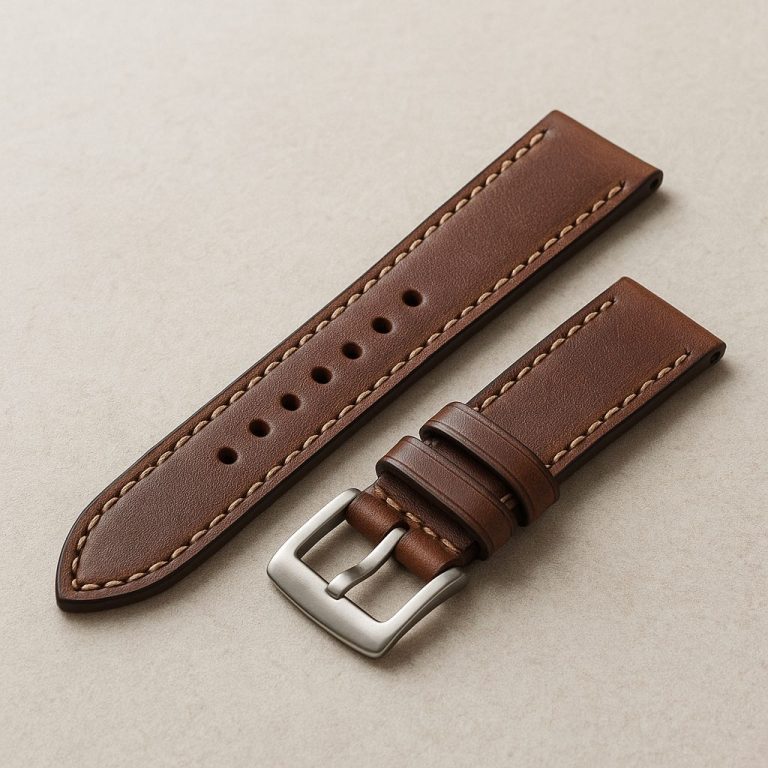
Leather bands, whether smooth or textured, are naturally absorbent. When worn tightly, the area around the clasp presses close to the skin, soaking up sweat and natural skin oils. Over time, this causes the leather to darken, especially where the band overlaps at the closure. The limited airflow under the clasp slows drying, leading to a tacky or sticky feel.
Applying lotions or perfumes to the wrist can also contribute, as these substances seep into the leather and promote residue formation. Gently wiping the band and allowing it to dry out between uses helps, but some staining over time is difficult to avoid with frequent wear.
Fabric Bands: Trapped Debris in the Weave
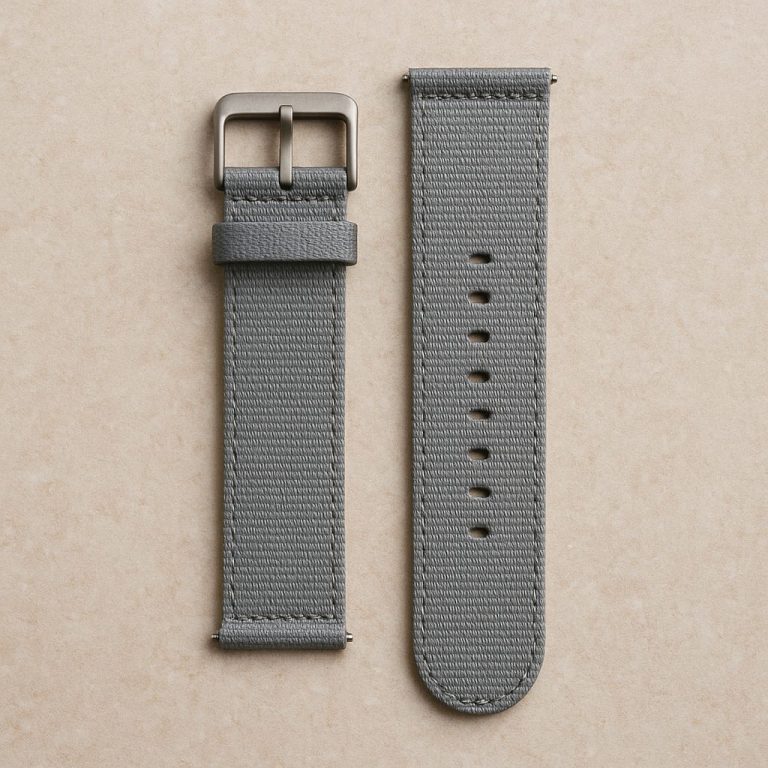
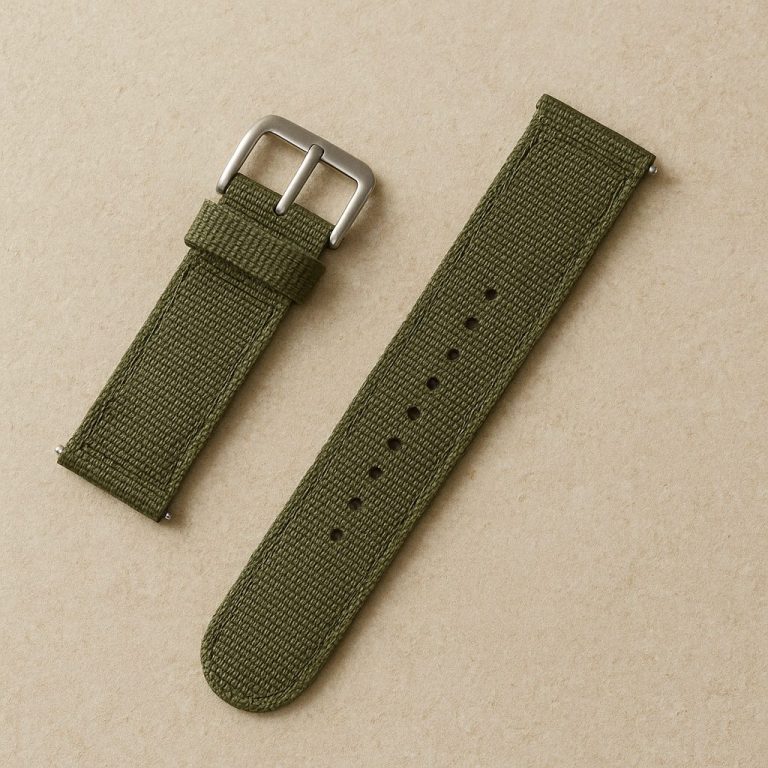
Fabric watch bands are most often made from various types of nylon or nylon blends. These materials can range from tightly woven, smooth straps to softer, thicker bands with more texture or elasticity. The weave density and thickness influence how easily sweat and dirt are absorbed and how quickly the band dries.
At the clasp, the fabric tends to fold or double up, creating pockets where moisture and debris collect. Over time, the build-up can cause visible darkening or a musty odor. Straps with looser weaves or softer textures may show this more quickly, while tightly woven bands offer slightly better resistance. Occasional hand washing with mild soap can reduce residue, but be sure to dry the band thoroughly to prevent mildew.
Silicone Bands: Collecting Oils and Residue
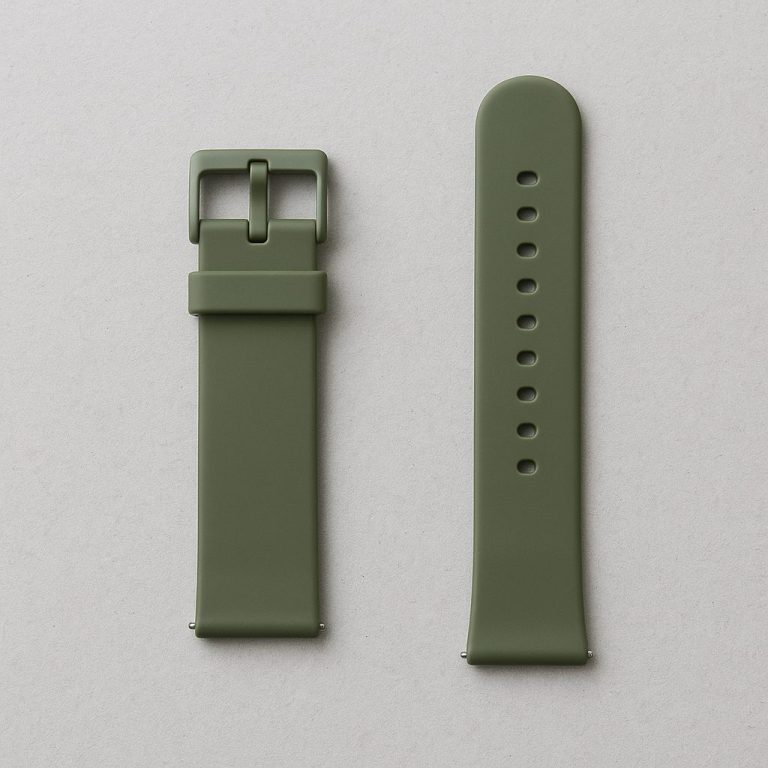
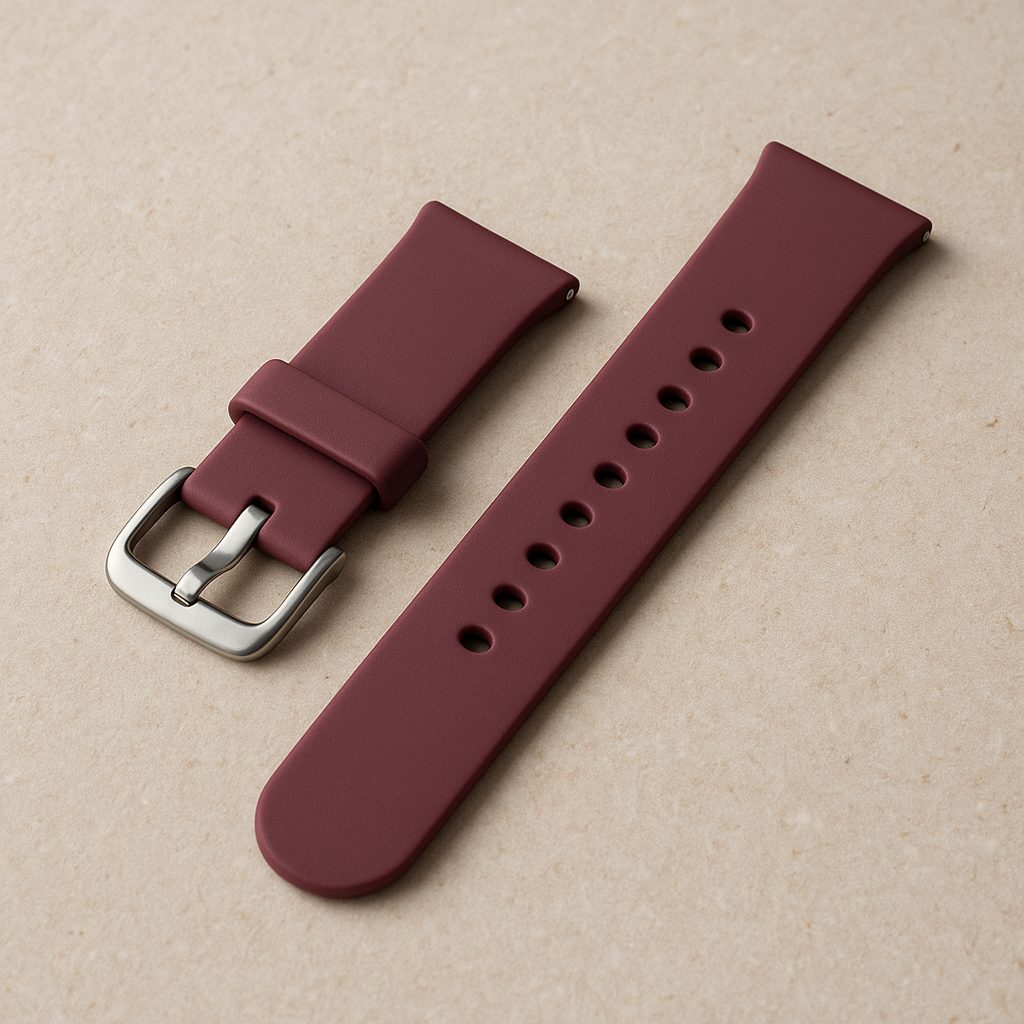
Silicone bands are valued for their flexibility and water resistance, but the material’s slightly tacky surface tends to attract and hold onto skin oils, soap residue, and tiny dust particles. The area under and around the clasp, pressed tightly against the skin, accumulates these substances more quickly. A white, chalky film or a sticky layer may appear, especially if the band is worn during exercise or in hot weather.
Regularly rinsing the band in warm water and drying it well can help reduce the residue. If the band feels sticky after cleaning, a quick wipe with a cloth dampened in a mild soap solution, followed by thorough rinsing, usually resolves the issue.
Contributing Factors at the Clasp Area
The design and function of the clasp itself play a significant role in residue formation. Common clasp types—such as folding, butterfly, pin buckle, or hook-and-loop closures—create overlapping surfaces and tight crevices that trap debris more effectively than open or single-layered sections of the band.
The clasp area also experiences more frequent handling, as it is opened and closed with the fingers, introducing additional oils and contaminants. Moisture from sweating or hand washing can become trapped when the watch is quickly put back on, creating a damp environment that encourages build-up.
Practical Ways to Minimize Residue Build-Up
While it’s difficult to prevent residue entirely, a few habits can help minimize its accumulation:
- Remove the watch before applying lotions or perfumes to the wrist.
- Allow the band and clasp area to dry fully after exposure to water or sweat.
- Wipe the clasp and underside of the band with a dry or slightly damp cloth after intense activity.
- Consider occasional gentle cleaning specific to your band’s material, such as hand washing fabric bands or wiping silicone bands with mild soap and water.
For bands that are infrequently removed, a quick visual check of the clasp area can help identify build-up early, making it easier to clean before residue becomes stubborn or stains the material.
Recognizing and Managing Residue for Better Wear
Residue around the clasp area of a watch band is a normal result of daily wear, skin contact, and the unique ways different materials interact with moisture and oils. Noticing this build-up is a sign that the band is due for a quick cleaning or a bit of extra care. Paying attention to the clasp area—where materials overlap and debris tends to settle—can help keep the watch band comfortable, hygienic, and looking its best over time.