Why some watch bands start rubbing more in certain spots over time
Spot-Specific Discomfort: Why Watch Bands Rub in Certain Areas Over Time
After wearing a watch for a few months, some people notice that the band starts to feel uncomfortable in specific spots—perhaps on the inside of the wrist, near the clasp, or right where the band meets the watch case. These areas may become irritated, red, or even develop minor abrasions, while the rest of the band feels just fine. This pattern often leaves wearers puzzled: why does rubbing occur unevenly, and why does it tend to get worse in certain locations as time goes on?
How Wear Patterns Develop on Watch Bands
Watch bands are designed to fit securely, but daily movement and changes in wrist size throughout the day mean the band is constantly shifting against your skin. Over time, this movement isn’t distributed perfectly evenly. Areas that experience more friction—due to wrist motion, band adjustment, or contact with edges—can begin to show increased rubbing or wear. Several key factors contribute to this uneven wear pattern:
- Band material and structure – Different materials respond to friction and sweat in distinct ways, affecting how and where rubbing occurs.
- User habits – Activities such as typing, carrying bags, or exercising can cause certain parts of the band to press or slide more than others.
- Band adjustment and fit – An overly tight or loose band can shift pressure points, making rubbing more likely in specific areas.
- Band and wrist shape – The contours of your wrist, the shape of the watch case, and the band’s flexibility create natural high-pressure zones.
Material-Specific Causes of Localized Rubbing
The material of a watch band plays a major role in how and where friction develops. Each major type—metal, leather, fabric, and silicone—has its own patterns of wear and discomfort.
Metal Bands
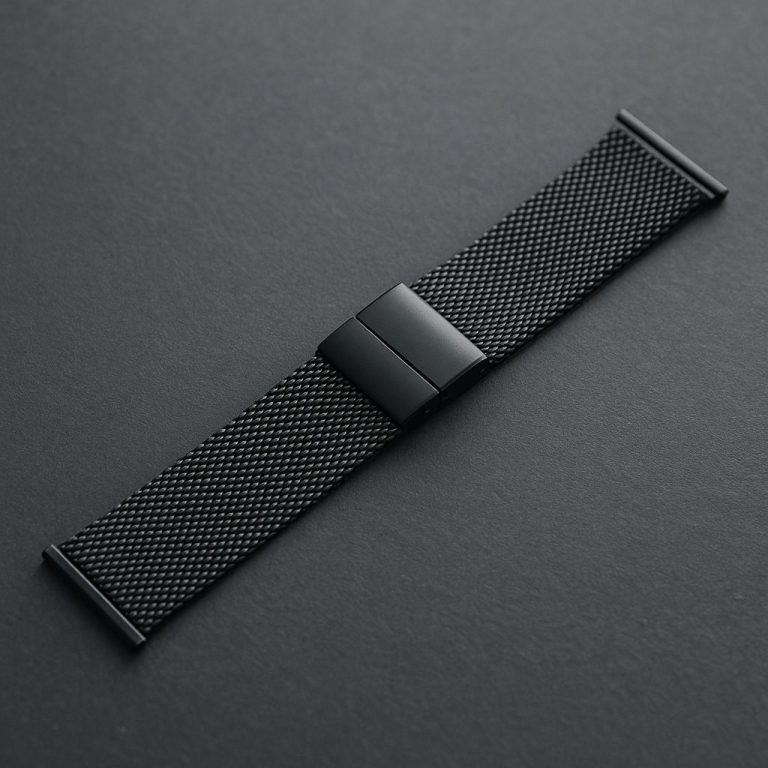
Most metal bands are made from stainless steel, prized for its durability and resistance to corrosion. Metal bracelets often consist of interlocking links. Over time, these links can loosen or develop small gaps, allowing movement that wasn’t present when the watch was new. As links shift, certain segments may pinch skin or catch hairs, especially near the clasp or the edges where the band meets the watch case. The clasp itself can become a friction point if it sits unevenly on the wrist or if the mechanism’s edges become worn or rough.
Leather Bands
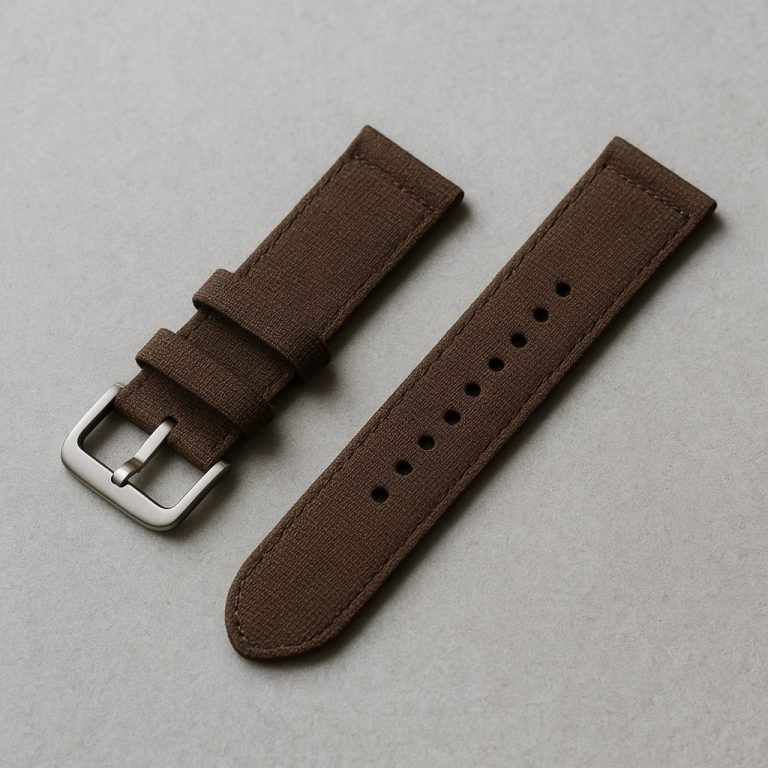
Leather bands start soft but gradually mold to the shape of your wrist. With regular use, leather absorbs sweat and oils, causing it to soften and darken in areas of frequent contact. Over time, this leads to uneven flexibility—some sections become supple, while others stay stiff. Cracking, edge curling, or hardening can develop near the holes or the spot where the buckle tongue rests, concentrating pressure and friction in those areas. In humid conditions, leather can also stiffen or warp, making specific spots rub more than others.
Fabric Bands
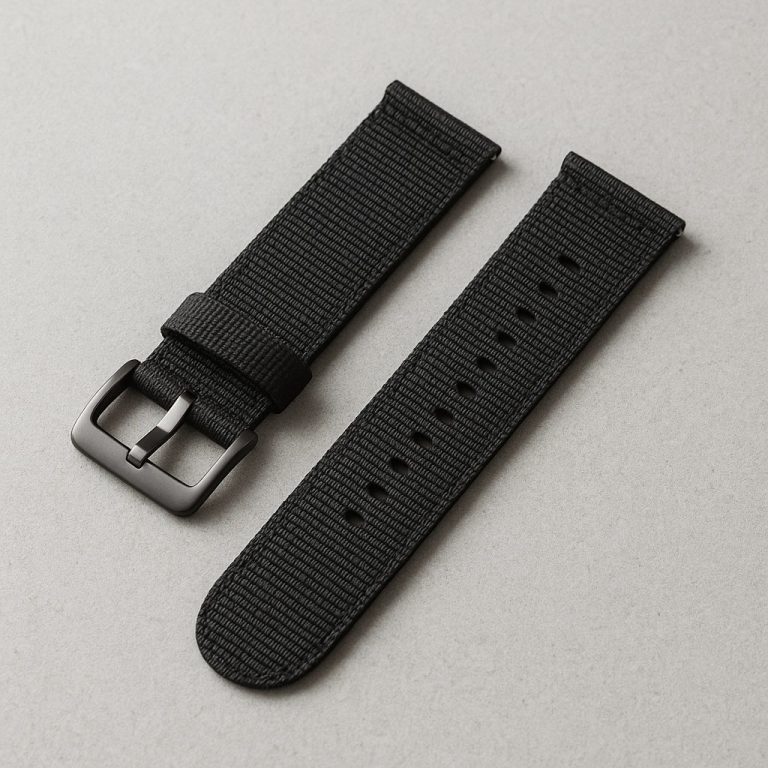
Most fabric bands are woven from nylon or nylon blends. These materials vary in thickness, weave density, and elasticity. Denser or rougher weaves can create spots where the edges or stitching become slightly raised. As the band flexes and absorbs sweat, the fabric may fray or stiffen, especially at fold points or where the band threads through a buckle. If the band’s thickness varies along its length, this can also create local pressure points that increase friction over time. Some fabric bands are designed for easy adjustment but may develop bunching or folds that rub the skin in specific spots, especially if worn tightly or frequently adjusted.
Silicone Bands
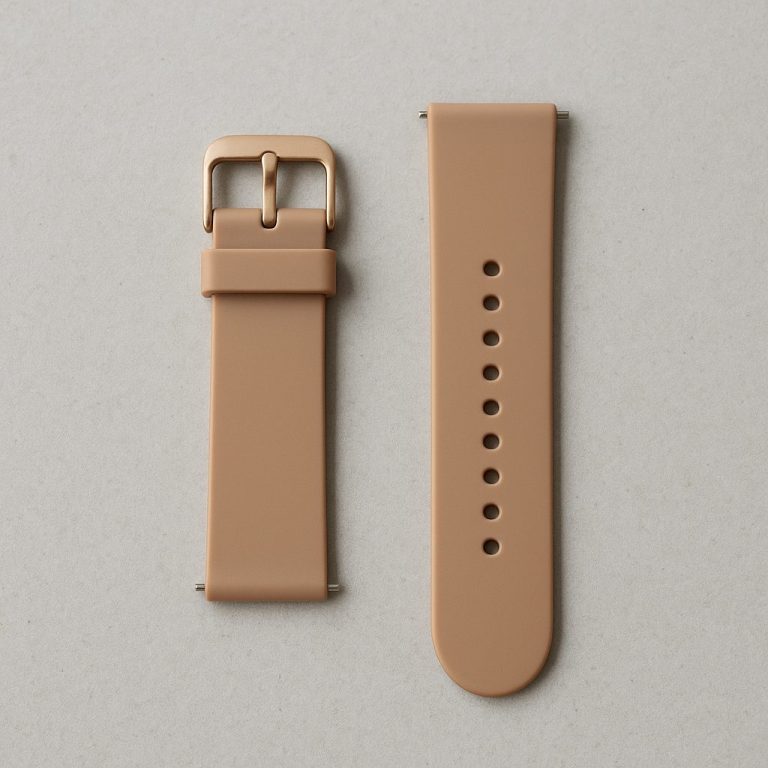
Silicone bands are popular for their flexibility and water resistance. However, silicone can develop a “tacky” surface, especially when exposed to sweat or skin oils. This stickiness can cause the band to grip certain areas of the skin more than others, particularly under the watch case or near the buckle. Over time, the constant flexing at attachment points or holes can lead to small tears or rough edges, which in turn rub more against the skin. Dust and lint may also collect on the band, increasing surface friction and making some areas feel more abrasive.
Common High-Friction Zones and What Influences Them
Certain parts of the band are more prone to rubbing due to how the watch sits and moves on the wrist. The table below summarizes typical trouble spots and what influences their development:
| Band Material | Common High-Friction Areas | Main Contributing Factors |
|---|---|---|
| Metal | Clasp, edge links, near watch case | Link movement, clasp wear, pinching |
| Leather | Buckle holes, under buckle, edges | Stiffening, softening, warping |
| Fabric (nylon blend) | Fold points, edges, near stitching | Fraying, bunching, thickness variation |
| Silicone | Under watch case, near holes, near buckle | Tackiness, small tears, dust buildup |
Why Rubbing Can Get Worse Over Time
Initially, a new watch band spreads pressure fairly evenly. With use, certain spots become more prone to friction due to small changes in the band’s structure or your wearing habits. Here’s why the problem can intensify:
- Material fatigue: All band materials gradually degrade. Stretching, drying, or repeated flexing creates weak points that rub more with each use.
- Residue buildup: Sweat, skin oils, and dirt accumulate in specific areas, making surfaces rougher or stickier. This is especially true for silicone and fabric bands.
- Micro-adjustments: As the band’s fit changes, you may unconsciously adjust or reposition it, concentrating pressure in new places—such as tightening a fabric strap one notch further to compensate for stretching.
For example, a leather band that’s frequently adjusted to the same hole will soften and wear more on that section, eventually causing the edges or the area under the buckle to become rough and rub the skin. Similarly, a silicone band used during workouts may trap sweat, making the area under the watch case more likely to chafe, especially if the band isn’t cleaned regularly.
Reducing Localized Rubbing: Practical Approaches
Addressing spot-specific rubbing often means identifying which combination of factors is causing the problem for your particular watch and usage pattern. Some useful strategies include:
- Regular cleaning: Keeping the band clean reduces buildup and keeps surfaces smooth, especially for silicone and fabric bands. Mild soap and water work well for most materials (avoid soaking leather).
- Adjusting fit: If a band feels tight or shifts too much, try loosening or tightening it by a single notch or hole. Small adjustments can redistribute pressure and reduce rubbing.
- Rotating bands: Switching between different bands (material or style) allows each to rest and reduces repetitive stress on the same spots.
- Inspecting for wear: Look for rough edges, fraying, or cracks—especially near holes, clasps, or the watch case. Addressing these early (such as trimming frayed fabric or conditioning leather) can prevent further irritation.
For metal bands, periodic inspection of the links and clasp can help identify areas that may need tightening or smoothing. For fabric bands, washing and drying thoroughly keeps the weave from stiffening and reduces the risk of bunching or fraying.
Understanding the Source Helps Prevent Discomfort
Spot-specific rubbing is rarely random. It’s usually the result of small, cumulative changes in how your watch band interacts with your wrist and daily routine. By noticing where and when discomfort appears, and understanding how different materials and habits contribute to wear, it’s possible to take simple steps to keep your watch comfortable and avoid irritation developing in those troublesome spots.