Why some watch bands seem to attract body oils more than others
Why Residue Builds Up on Certain Watch Bands
After wearing a watch for several hours, some people notice a slick or darkened residue forming on the band, especially near the areas that touch the skin most. This residue is often caused by body oils, sweat, and skin cells accumulating on the material. However, not all watch bands show these signs to the same extent. Some remain relatively clean, while others seem to attract and display oil more quickly. The reasons for this difference come down to the materials used and how their surfaces interact with oils from the skin.
How Body Oils Interact with Watch Band Materials
The skin naturally produces sebum, a type of oil that helps keep it moisturized. When wearing a watch, this oil, mixed with sweat and microscopic skin particles, transfers onto the band. The way a band looks and feels after exposure to these substances depends on several factors:
- The material’s porosity (how easily substances can enter or adhere to its surface)
- The smoothness or texture of the material
- How well the material repels or absorbs oils
Each common watch band material reacts differently to these conditions.
Metal Bands
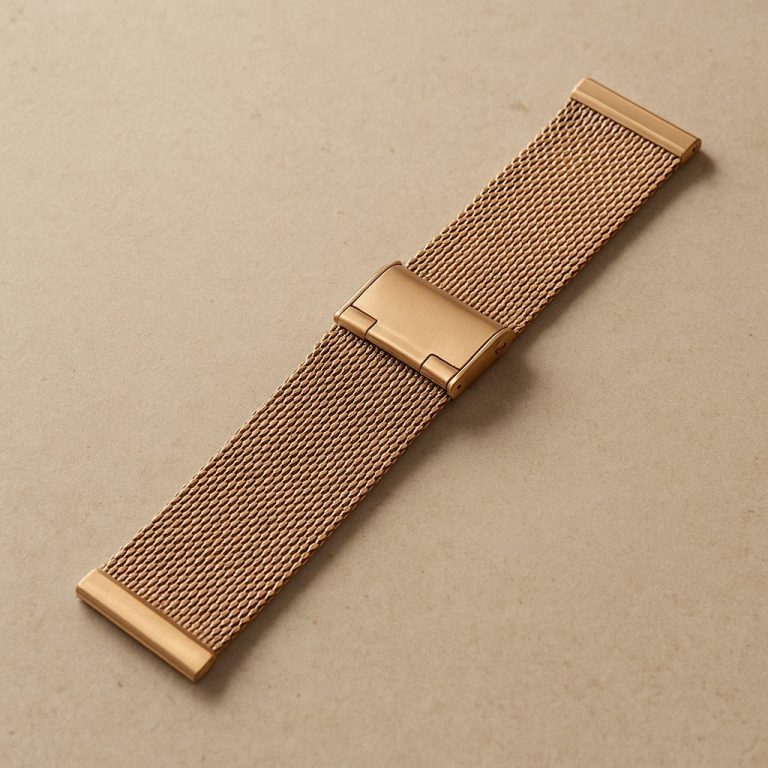
Most metal watch bands are made from stainless steel, chosen for its durability and corrosion resistance. Metal bands typically have a smooth, non-porous surface. This smoothness means that oils tend to sit on the surface rather than being absorbed. Because of this, fingerprints and smears from body oils are often visible, especially on polished or brushed finishes. However, since oils do not soak into the metal, regular wiping with a soft cloth can remove most residue. Over time, the small gaps between links in a metal bracelet can also trap oils and dirt, making periodic cleaning important.
Leather Bands
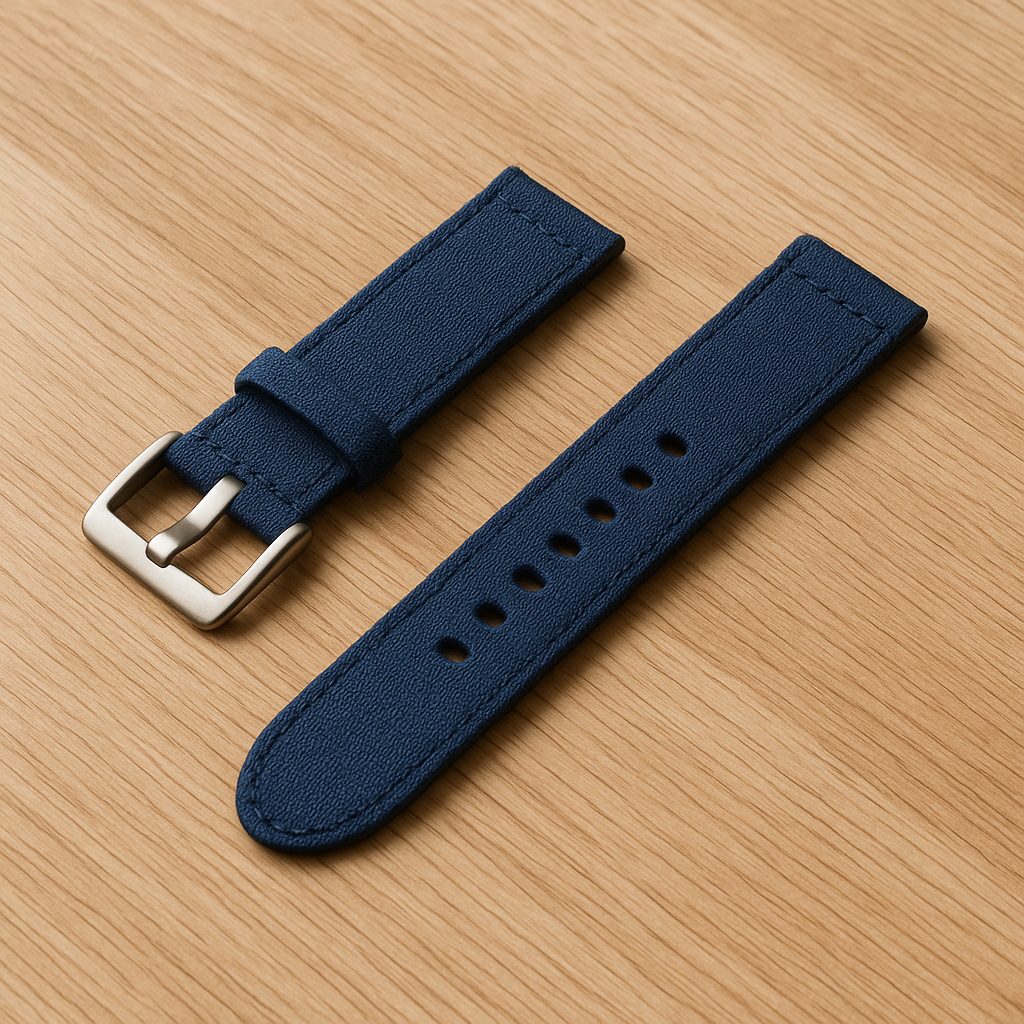
Leather is naturally porous and absorbent, so it tends to soak up body oils. This absorption can lead to visible darkening, especially in areas that are in frequent contact with the skin. Over time, leather can develop a patina, which some people appreciate for its character, but it can also become sticky or develop an odor if not cleaned regularly. Oils absorbed by leather can alter its texture, making it softer or, in some cases, causing the surface to break down. The effect is more pronounced with lighter-colored or untreated leather, while treated or coated leather bands may resist staining to some extent.
Fabric Bands
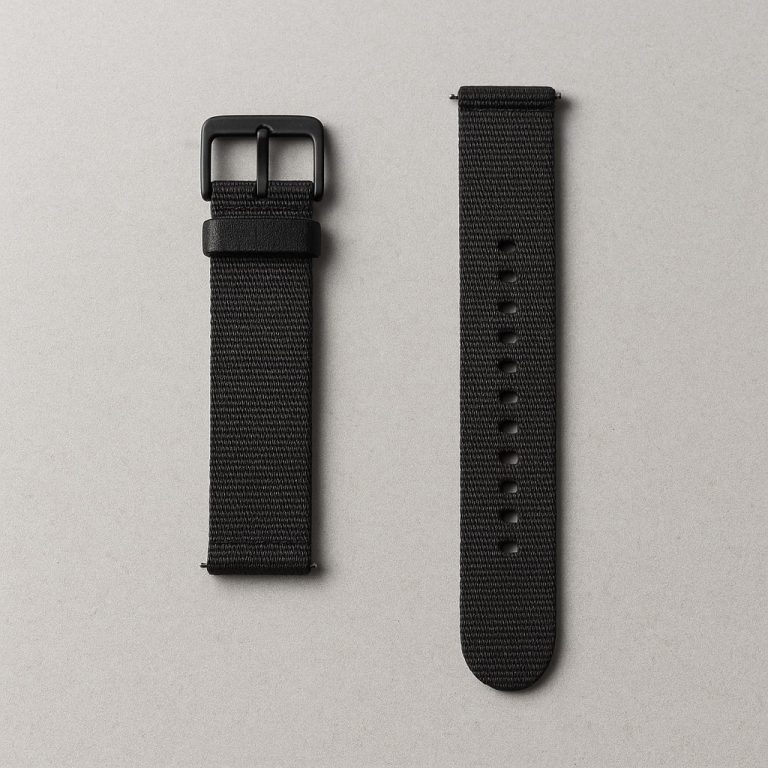
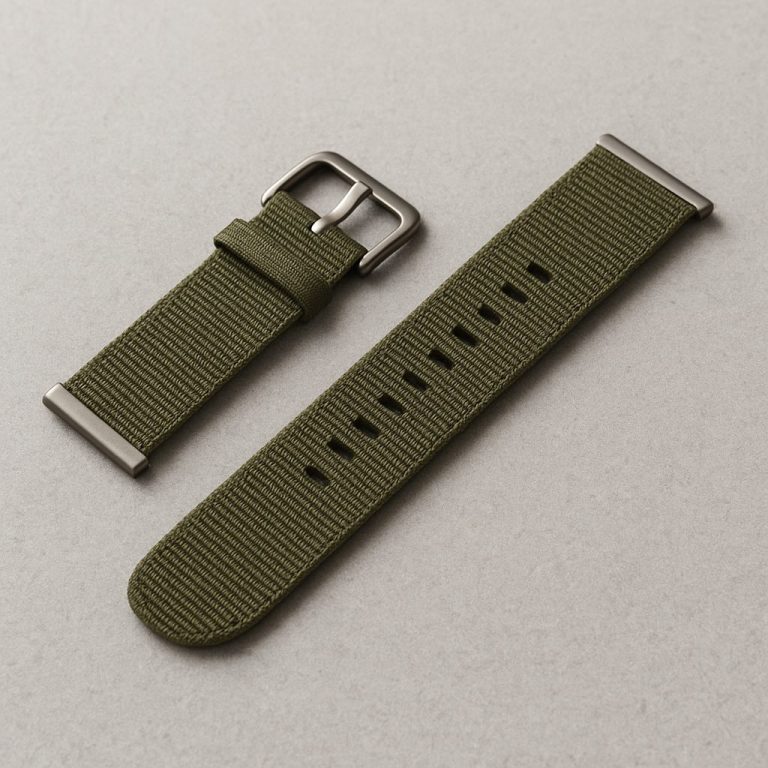
Fabric watch bands are usually made from nylon or nylon blends. The weave style, thickness, and texture play a role in how much oil they attract and display. A densely woven nylon band is less likely to trap oils deep within the fabric, while a looser or thicker weave may absorb more, leading to visible darkening over time. Elastic or stretchy bands can also pick up oils more quickly, especially if worn tightly against the skin. Because fabric is more absorbent than metal or silicone, oils and sweat can seep into the fibers, sometimes causing odor or discoloration. Quick rinsing and air drying can help manage buildup, but fabric bands generally require more frequent cleaning.
Silicone Bands
Silicone bands are valued for their flexibility and water resistance, but their interaction with oils is unique. Silicone is not absorbent, so oils from the skin tend to remain on the surface. However, silicone is slightly tacky to the touch, which means it can easily pick up oils, dust, and lint. This can cause a shiny or slick appearance in areas that touch the skin and may make the band feel greasy over time. While silicone bands are easy to wash with mild soap and water, the tendency to attract and display oils on the surface can make them look dirty more quickly than some other materials.
Comparing Oil Attraction in Common Watch Band Materials
| Material | Oil Absorption | Visible Residue | Cleaning Ease |
|---|---|---|---|
| Stainless Steel (Metal) | Low | High (on surface) | Easy (wipe clean) |
| Leather | High | Moderate to High (darkening) | Moderate (requires careful cleaning) |
| Fabric (Nylon) | High | Moderate (darkening, odor possible) | Moderate to Difficult (requires washing and drying) |
| Silicone | Very Low (surface only) | High (greasy appearance, attracts lint) | Easy (rinse with soap and water) |
Factors That Make Certain Bands More Prone to Oil Buildup
Several features influence how much oil a watch band attracts and how visible that oil becomes:
- Surface Texture: Smooth finishes, such as polished metal or silicone, allow oils to sit on the surface, making them more visible. Textured or matte finishes may mask smears but can trap oils in small crevices.
- Porosity: Porous materials like leather and fabric absorb oils, leading to gradual color change and, in some cases, odor development. Non-porous materials show smears but are easier to wipe clean.
- Color: Darker bands are less likely to show oil stains, while lighter colors may reveal even small amounts of residue.
- Weave and Thickness (Fabric Bands): Tighter, denser weaves resist deep absorption, while thicker, looser weaves or elastic bands may hold more oil and sweat.
- Band Fit: Bands worn snugly against the skin receive more direct contact with body oils and sweat, increasing the potential for buildup.
Practical Ways to Manage Oil Build-Up on Watch Bands
Recognizing how different band materials interact with body oils makes it easier to keep a watch looking and feeling clean. For example, a silicone band can be quickly rinsed under running water with mild soap after a workout, removing most of the surface oil and restoring its appearance. Metal bands benefit from regular wiping, and occasionally cleaning between the links with a soft brush. Leather bands should be cleaned carefully and allowed to dry thoroughly; over-cleaning or soaking can damage the material. Fabric bands, especially those made from nylon, can usually be hand washed and air-dried, but frequent washing may eventually affect the band’s structure or color.
Choosing the right band for your lifestyle can also help. If a band frequently looks greasy or darkened, switching to a material that resists visible oil buildup, or opting for darker colors, can reduce the appearance of residue. Regular maintenance, whether by wiping down after wear or periodic deeper cleaning, will help any watch band last longer and look better.
Visible Oil Buildup Is Largely Determined by Material Choice
Some watch bands show body oils more than others due to their surface structure, porosity, and color. Recognizing these differences can help with both selection and care. By understanding how each material interacts with skin oils, it’s possible to minimize visible residue and keep a watch band looking clean with a little routine maintenance.