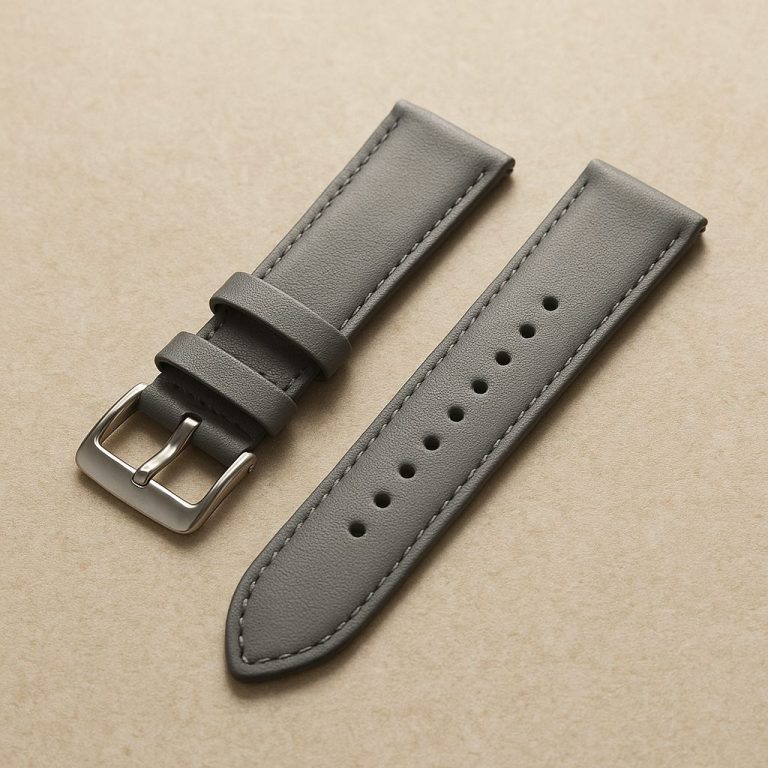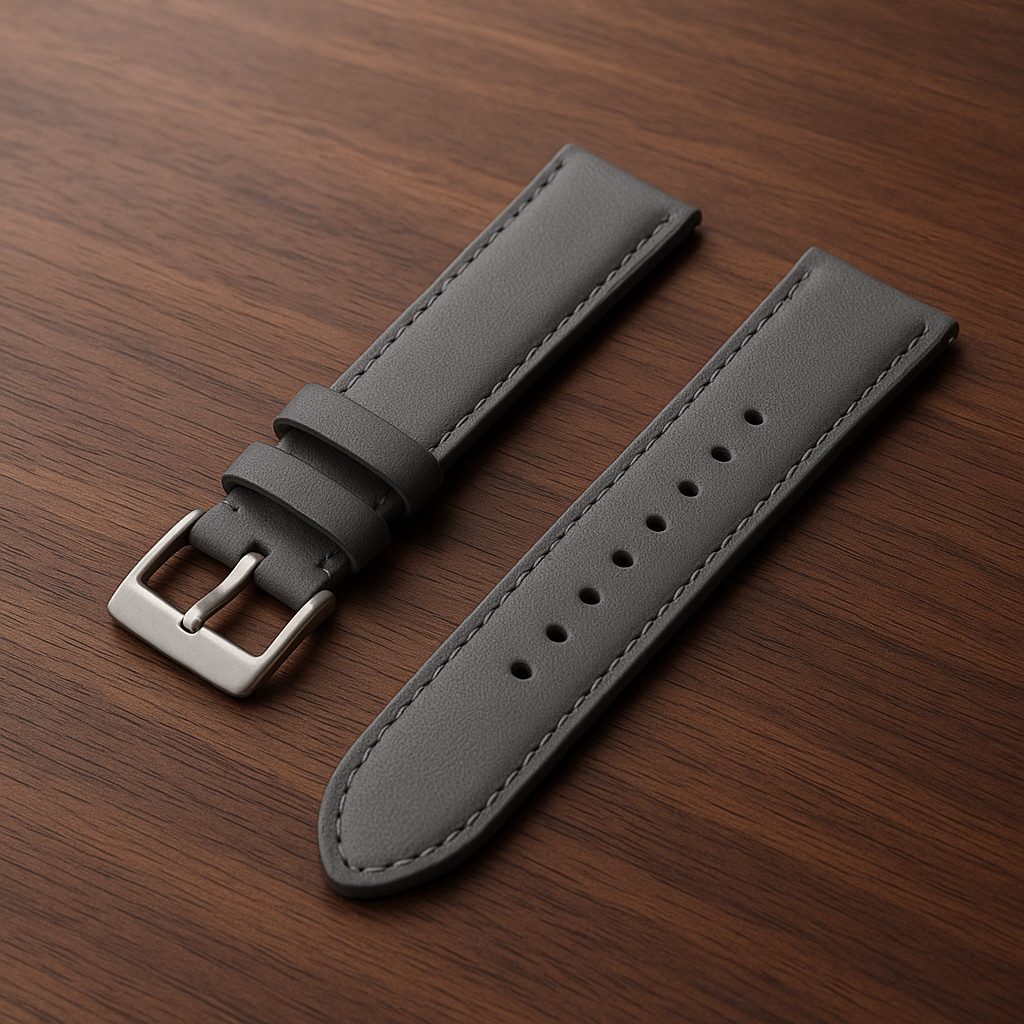
Why choosing a replacement watch band can feel different from choosing the original one
How Everyday Use Shapes Watch Band Preferences
A person who wears the same watch daily might notice the original band starting to crack, feel sticky against the skin, or no longer match their typical clothing after a few years. These kinds of observations rarely factor into the decision when first choosing a watch, but they become central when it’s time to select a replacement band. The process of living with a watch changes what matters most, and this shift affects the way people approach their next band choice.
First Impressions vs. Lived Experience
At the time of purchase, a watch band is often evaluated for its appearance, how it complements the watch face, and whether it feels appropriate for work, exercise, or special occasions. Many people accept the band that comes with the watch, trusting the manufacturer’s choices. The focus is on initial comfort, aesthetics, or simply the excitement of something new.
However, after months or years of daily wear, priorities often shift. The original band’s strengths and weaknesses become clear through direct experience. For instance, a leather strap might have looked sharp at the store, but it could become stiff or easily stained by sweat. A metal bracelet might have appeared durable, but its weight or the way it catches arm hair can become bothersome. These ongoing, real-world annoyances or benefits drive a more personal and practical approach when it’s time to choose a replacement.
How Usage Patterns Influence Replacement Choices
The way someone uses their watch over time can significantly influence what they want from a replacement band. Several factors contribute to this change in priorities:
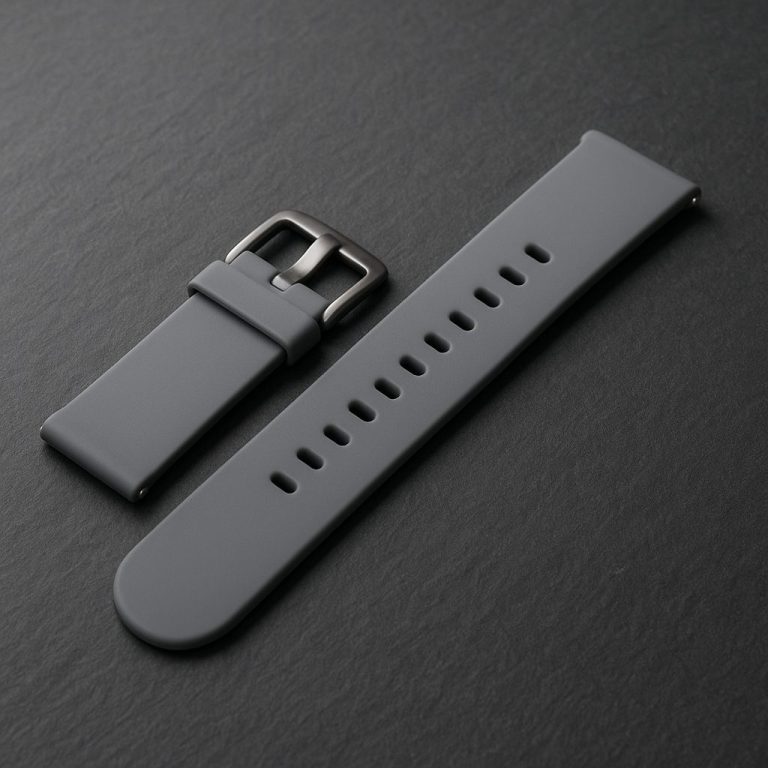
- Routine and Environment: Someone who starts wearing their watch to the gym may notice that the original leather band absorbs sweat and develops odors, prompting a switch to a silicone band for better moisture resistance.
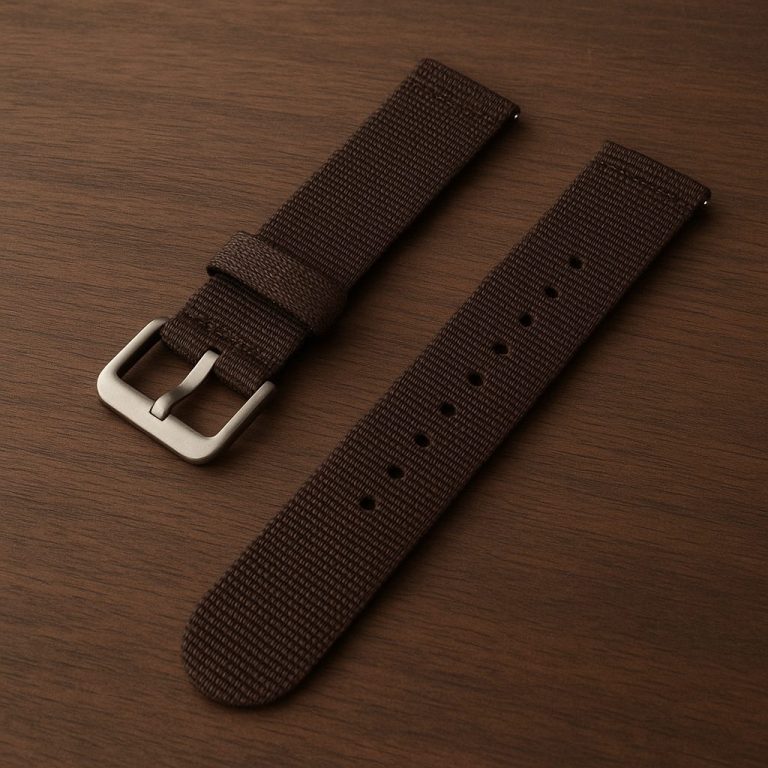
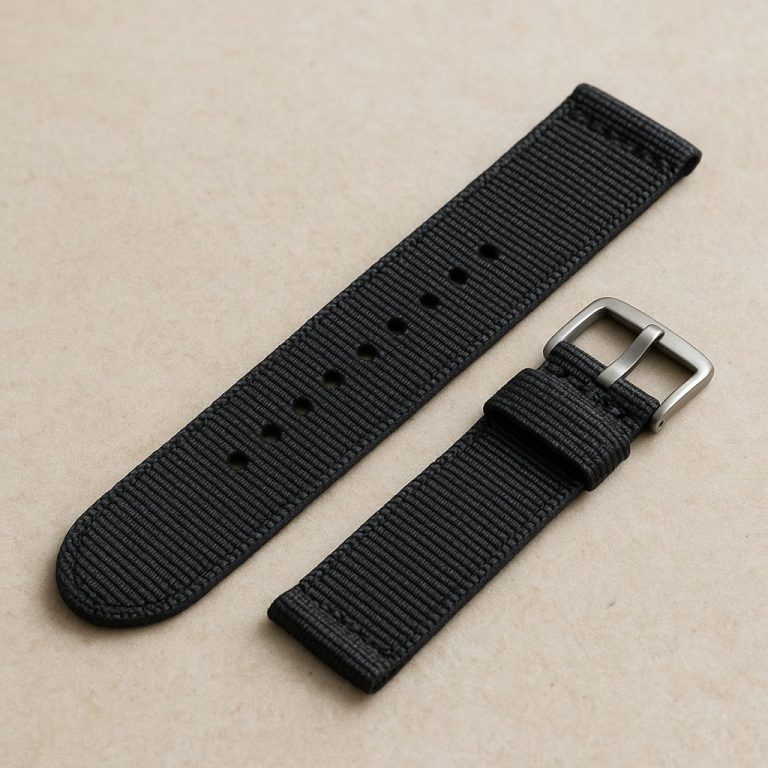
- Comfort in Daily Activities: If a fabric band made from a dense nylon weave begins to feel rough after hours at a keyboard, the wearer might seek a replacement with a softer, more elastic texture or a thinner profile.
- Reaction to Skin: Some people discover skin irritation from certain materials only after extended use. This can lead them to choose hypoallergenic metals or smoother silicone bands for their next band.
- Changing Style Preferences: As personal style evolves, the original band may no longer fit everyday outfits. This realization often leads to choosing a replacement in a different color or material that better reflects current tastes.
Evolving Expectations for Material Performance
Direct experience with a watch band can change how different materials are valued. For example:
- Metal Bands: Stainless steel is the most common choice for durability and corrosion resistance. While these bands are often seen as long-lasting, their weight or tendency to pinch skin can become more noticeable with regular use, prompting a search for lighter or more flexible alternatives.
- Leather Bands: Initially chosen for their classic look, leather bands can crack, fade, or develop unpleasant odors over time. Wearers who encounter these issues may look for bands with improved linings or moisture-resistant treatments.
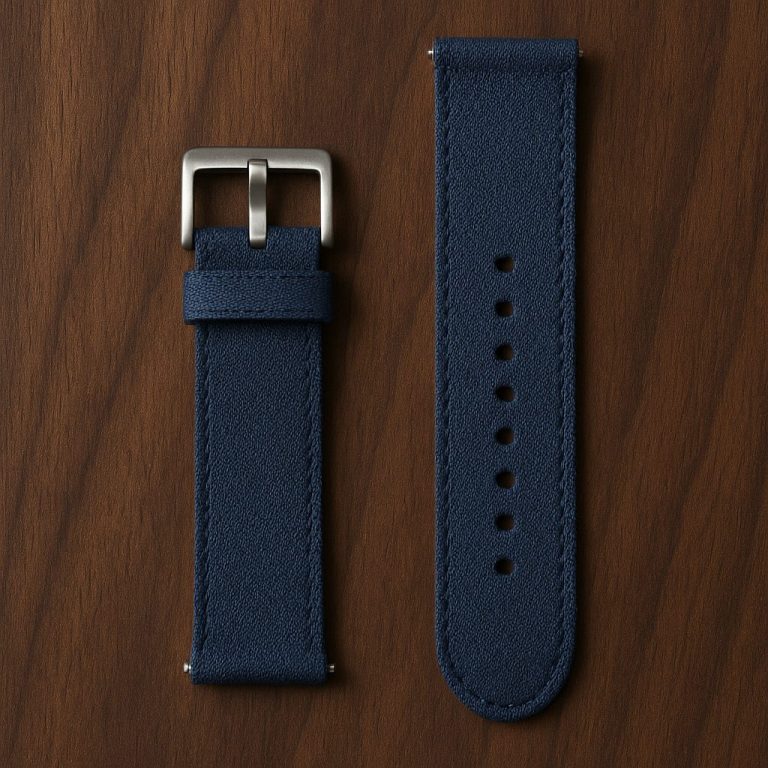
- Fabric Bands: Most fabric bands are made from nylon or nylon blends, but the weave density, thickness, and texture can vary widely. Some people discover they prefer a softer, more flexible band after finding their original to be too stiff or rough, especially with prolonged contact.
- Silicone Bands: Chosen for their water resistance and flexibility, silicone bands can sometimes feel sticky or cause sweating. People who find this uncomfortable may seek out bands with improved breathability or a different surface texture for their replacement.
How Experience Refines What Matters
Use over time reveals factors that are easy to overlook at the start. For example, someone who frequently changes bands to match their outfit might value quick-release pins for convenience—something they never considered with the original. Another wearer might realize that their activities require a more secure clasp or a different attachment mechanism after a band accidentally comes loose during exercise.
These kinds of experiences lead to more specific requirements for replacement bands. Instead of simply matching the original look or material, the decision becomes about solving practical problems encountered in daily life.
Practical Shifts in Selection Criteria
When choosing a replacement band, the focus tends to shift from broad or abstract ideas to solutions for known problems. These priorities often emerge:
| Initial Band Choice | Replacement Band Choice |
|---|---|
| Matches original watch design | Solves comfort, durability, or style issues discovered with use |
| Influenced by store display or first impression | Guided by real-world experience and personal needs |
| Material and color selected for appearance | Material and color selected for function, feel, or versatility |
| Attachment method often ignored | Attachment method prioritized for ease or security if previous problems occurred |
This table shows how the priorities can change from the initial selection to the replacement decision, reflecting a more informed and practical approach.
How to Approach Replacement Decisions After Experience
When replacing a watch band, it’s useful to review what worked and what didn’t with the original. Did the band become uncomfortable during specific activities or after long periods? Did it wear out faster than expected, or fail to match evolving style preferences? Noticing these patterns can help narrow down materials, thickness, weave, or attachment features that fit current needs.
For example, someone who found their dense nylon band too rigid might opt for a thinner, more elastic nylon blend next time. Another person who disliked the way their metal bracelet felt during hot weather could consider a lighter mesh or a silicone band for better comfort. Addressing these specific experiences leads to a more satisfying choice because it reflects direct knowledge of what works for the individual wearer.
Lessons from Experience: Making the Next Band Count
Choosing a replacement watch band is rarely just about restoring the original look. The process becomes shaped by lived experience—what has proven comfortable, what has withstood wear, and what truly fits the wearer’s lifestyle. By paying attention to these practical lessons, the next band choice is more likely to meet real needs, providing a better match for both daily routines and personal preferences.