Why two people can have completely different opinions about the same watch band
Why Watch Band Opinions Differ So Strongly
Two friends are comparing their new watches. One raves about the smooth feel and sleek look of a metal bracelet, while the other complains that it feels heavy and cold on the wrist. Later, they try on a silicone band, and the first friend finds it sticky after exercise, while the second prefers its flexibility and water resistance. This kind of disagreement over the same watch band is common, often surprising those who expect a universally “best” choice.
Personal Factors Affecting Watch Band Preferences
Whether a watch band feels comfortable, attractive, or practical depends on personal variables that go beyond simple taste. The following factors all play a role in shaping someone’s opinion:
- Skin Sensitivity: Some people have allergic reactions or irritation from certain metals or dyes in fabric bands. For example, nickel in some metal bracelets can cause discomfort for sensitive skin.
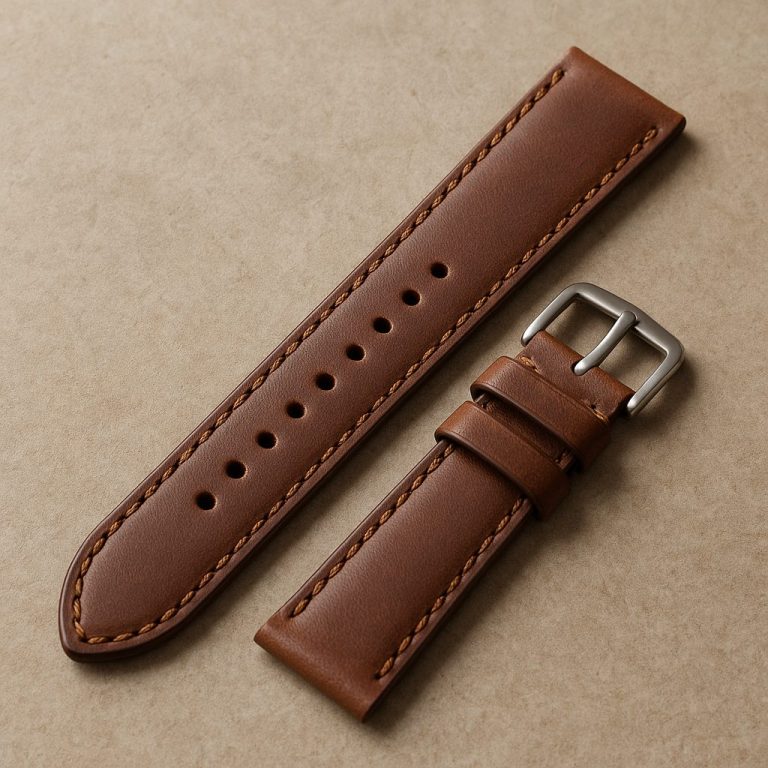
- Wrist Shape and Size: A thick leather strap might fit snugly on a broad wrist but feel bulky or loose on a slimmer one. The number and spacing of adjustment holes, or the flexibility of the band, also affect fit.
- Activity Level: Someone who wears a watch while exercising may prioritize sweat resistance and flexibility, finding silicone bands ideal. Another person who mostly wears a watch at the office might appreciate the formal look of a metal or leather band.
- Lifestyle and Daily Use: A person who frequently gets their hands wet, such as a healthcare worker or chef, may prefer silicone or tightly woven nylon fabric bands, while someone attending formal events may value the appearance of leather or polished metal.
- Personal Style: Preferences for color, texture, and overall design are highly individual. One person may favor a minimalist flat leather strap, while another enjoys the complex links and shine of a metal bracelet.
Physical Sensations and Comfort
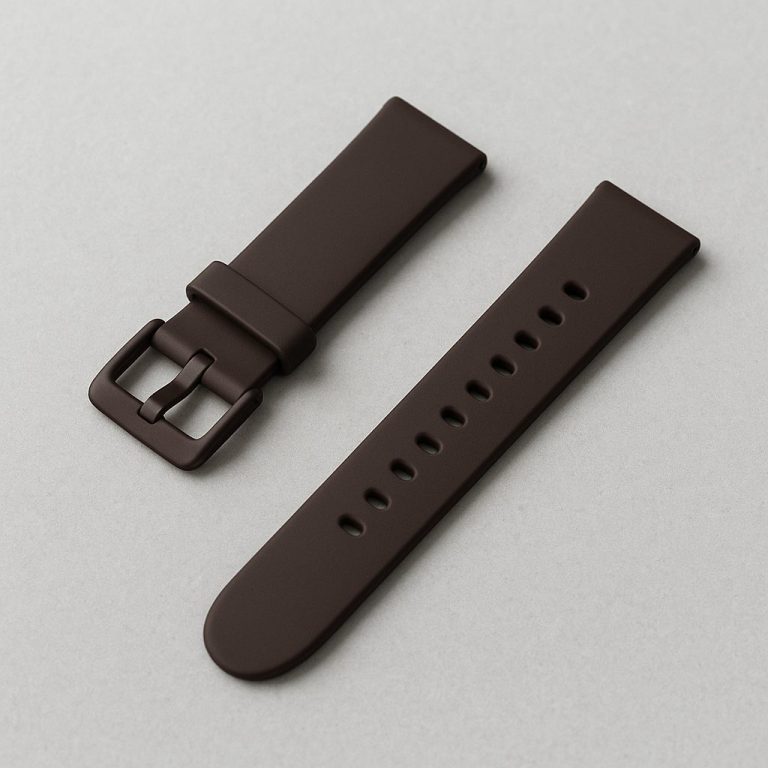
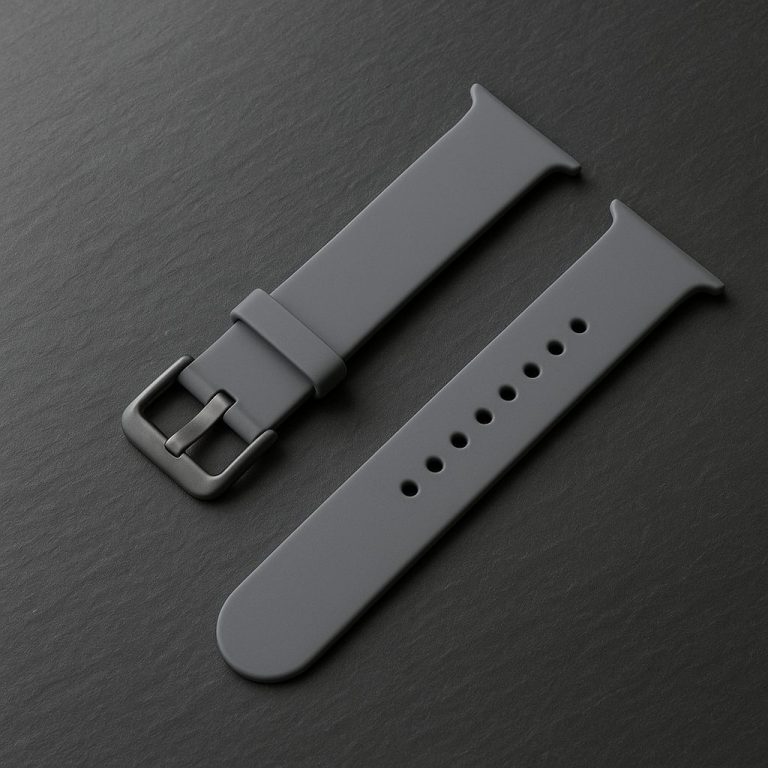
Comfort can feel very different from one person to another. For example, silicone bands can feel soft and flexible, adapting easily to wrist movement. However, some people find that silicone can trap sweat or stick to the skin, especially in warm weather. Others appreciate its water resistance and avoid the discomfort that some leather bands cause when wet.
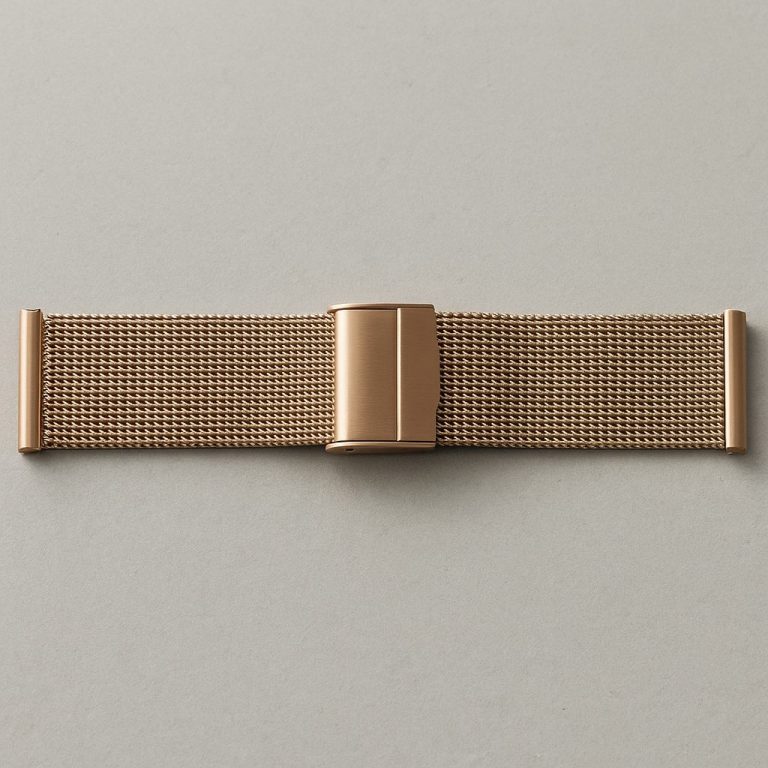
Metal bracelets, most often made from stainless steel due to its durability and corrosion resistance, distribute weight differently on the wrist compared to fabric or silicone. While some enjoy the substantial feel, others feel restricted or weighed down. Temperature also matters; metal bands can feel cool to the touch in winter, which bothers some but not others.
Leather bands tend to soften over time and mold to the wearer’s wrist. One person might enjoy how a leather strap develops character, while another dislikes the maintenance required to keep it supple and clean.
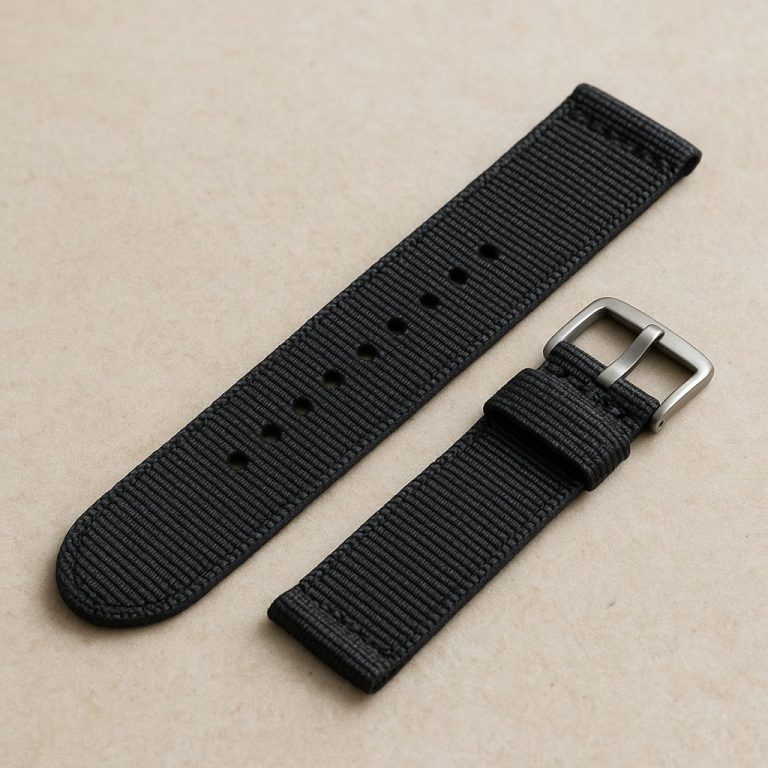
Fabric bands, usually made from nylon or blends, have wide variation in weave density, thickness, elasticity, and surface texture. A tightly woven, smooth nylon strap might feel light and airy, while a denser, stiffer weave may feel more secure but less flexible. Some prefer the breathability of certain fabric bands, while others dislike how they absorb moisture or attract lint.
Perception of Quality and Appearance
What looks elegant or high-quality to one person might seem cheap or out of place to another. For example, a shiny metal bracelet may be seen as classic and durable by one wearer, while another finds it flashy or mismatched with their wardrobe. Similarly, some people admire the natural look and patina that leather develops, while others prefer a consistent, uniform appearance.
Color plays a significant role as well. A brightly colored silicone band might appeal to someone who enjoys bold accessories, whereas another person may find it too casual for daily wear. Texture and finish—such as matte versus glossy—also influence opinions. A smooth, matte nylon strap could be favored for its subtlety, while another person prefers the textured surface of a woven fabric band for added grip and visual interest.
Attachment and Adjustability Preferences
Opinions can also differ based on how the band attaches to the wrist and how easily it can be adjusted. Some people like the security of a deployant clasp on a metal bracelet, while others prefer the simplicity of a pin buckle on leather or fabric bands. Quick-release pins, which allow for fast swapping of bands, are valued by those who like to change their look often, but might be unnecessary or even confusing for someone who prefers to set their watch and forget it.
Influence of Past Experience and Expectations
A person’s previous experiences play a big part in shaping their opinions. Someone who grew up wearing watches with stiff leather straps might find fabric bands surprisingly comfortable, while another who has always worn silicone bands could find fabric too scratchy or prone to odors. Expectations about how a watch should look or feel—often shaped by culture, family, or even movies—guide what a person considers “right” for a watch band.
For instance, one person may expect a formal watch to have a leather strap, while another sees a stainless steel bracelet as the standard of formality. These expectations can make it hard to appreciate alternatives, even if they are objectively practical or comfortable.
Summary Table: Why Opinions Differ
| Factor | How It Affects Opinion |
|---|---|
| Skin Sensitivity | May cause discomfort or preference for hypoallergenic materials |
| Activity Level | Influences need for water resistance, flexibility, durability |
| Personal Style | Drives preference for color, texture, and appearance |
| Comfort & Physical Sensation | Weight, softness, temperature, breathability |
| Fit & Adjustability | Ease of adjustment, security, and attachment style |
| Past Experience | Shapes expectations and tolerance for new materials |
Applying This Understanding in Real Situations
When two people disagree about the same watch band, it’s usually not about one being “right” or “wrong.” Instead, it reflects differences in skin sensitivity, wrist size, daily habits, personal style, and prior experiences. If you’re helping someone choose a watch band, or deciding for yourself, it can be helpful to try on different types and pay attention to how they feel over several hours—not just in the first few minutes. Notice how your wrist responds during your normal activities, and whether the band’s appearance matches your sense of style and typical clothing. Recognizing that comfort and preference are highly individual can lead to better choices and fewer surprises down the road.