How to choose a watch band that accommodates a larger watch face?
Matching a Larger Watch Face with the Right Band
Wearing a watch with a larger face can make a bold statement, but finding a band that fits both physically and aesthetically is not always straightforward. Many people encounter issues such as a mismatched look, uncomfortable fit, or poor stability when pairing a standard band with a bigger watch case. Selecting the right band involves considering width, thickness, material, and attachment details so the watch sits securely and looks proportionate on the wrist.
Why Watch Band Proportion Matters
A larger watch face typically means a heavier and wider case. If the band is too narrow or thin, the watch may look top-heavy, flop around, or wear uncomfortably. A well-chosen band balances the larger face, distributes weight evenly, and helps prevent the watch from sliding or rotating on the wrist. This consideration is especially important for everyday wear or active situations, where comfort and stability are key.
Key Factors for Selecting a Band for Larger Watch Faces
When choosing a watch band for a bigger watch face, several factors come into play:
- Band width
- Band thickness
- Material type
- Attachment compatibility
- Overall wrist fit
Watch Band Width
The width of the band is usually measured in millimeters at the point where it attaches to the watch case. Larger watch faces often require a wider band to maintain visual balance and physical security. A narrow band paired with a wide case can look disproportionate and may not provide enough support.
Measure the distance between the lugs—the metal extensions on each side of the watch case where the band attaches. Choose a band with a width that matches this measurement. For larger watch faces, this often ranges from 22mm to 26mm, but always confirm with your own watch’s specifications.
Band Thickness
Alongside width, the thickness of the band contributes to both comfort and durability. Larger watch faces tend to be heavier, so a band that is too thin may stretch, wear out faster, or feel flimsy. Thicker bands offer better weight distribution and help anchor a larger case securely. If you notice the watch shifting or tilting when worn, opting for a thicker band can help stabilize it.
Material Choices and Their Impact
The material of the watch band affects comfort, style, and performance. For larger watch faces, the band material should be strong enough to support the added weight without becoming uncomfortable or wearing out quickly. Each major category has its own advantages:
| Material | Features | Suitability for Larger Faces |
|---|---|---|
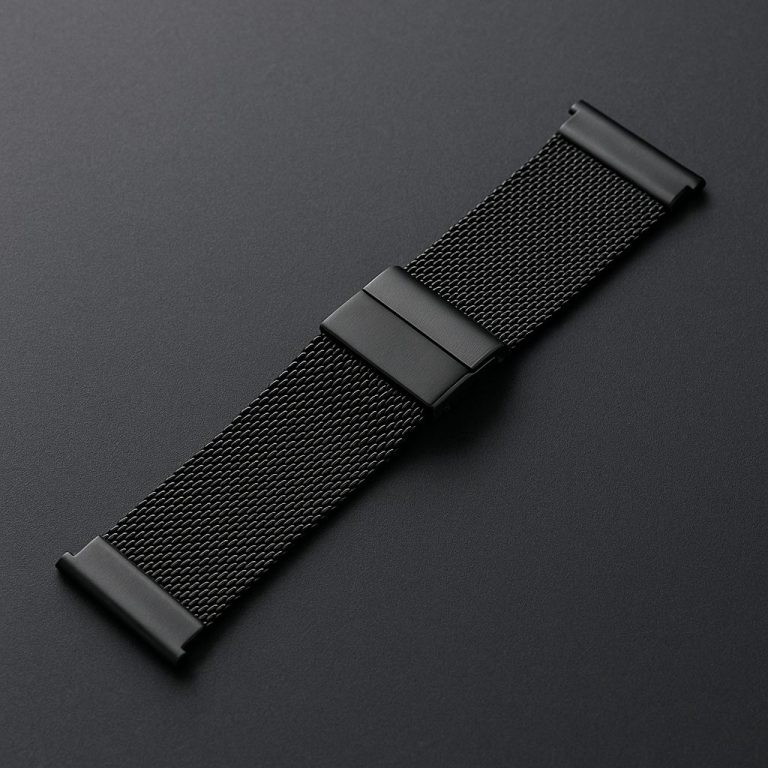
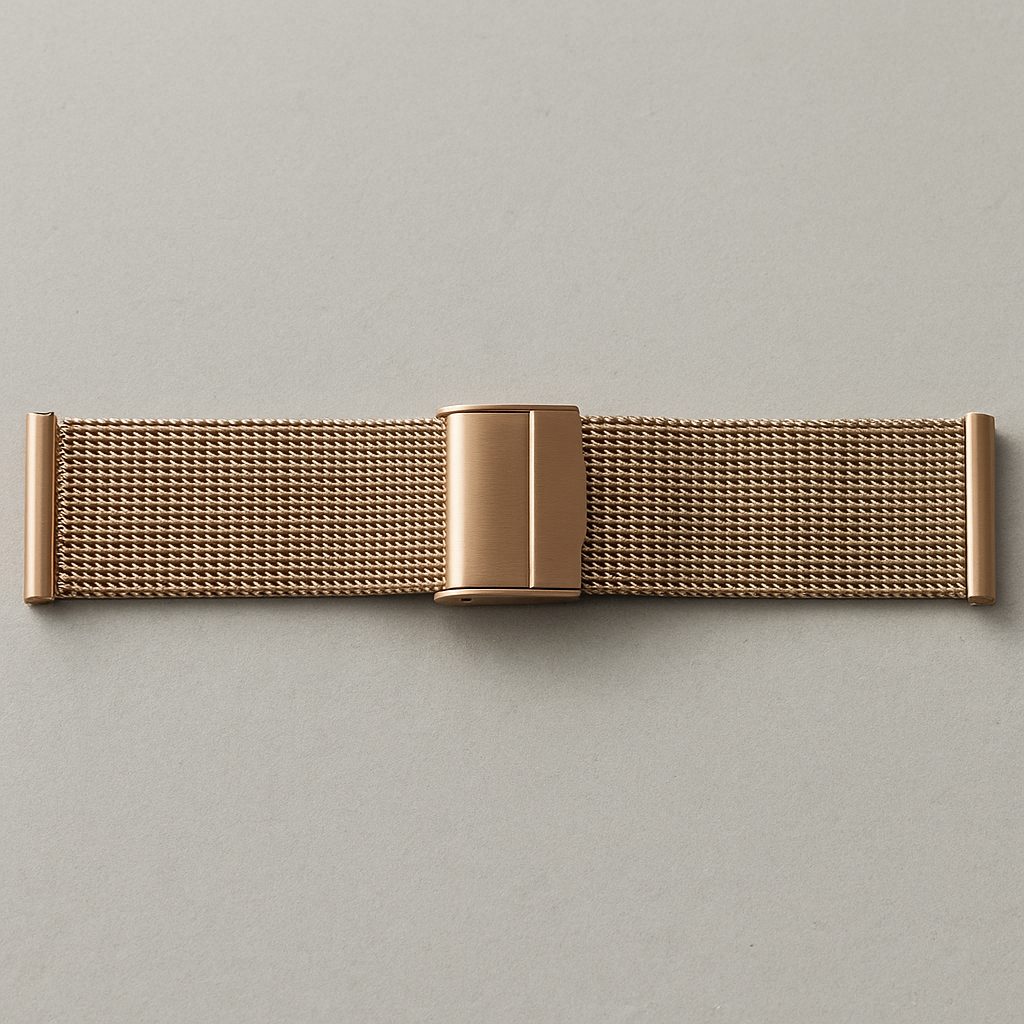
| Metal (stainless steel is most common) | Durable, secure, visually substantial | Excellent for balancing heavy cases and offering long-term reliability |
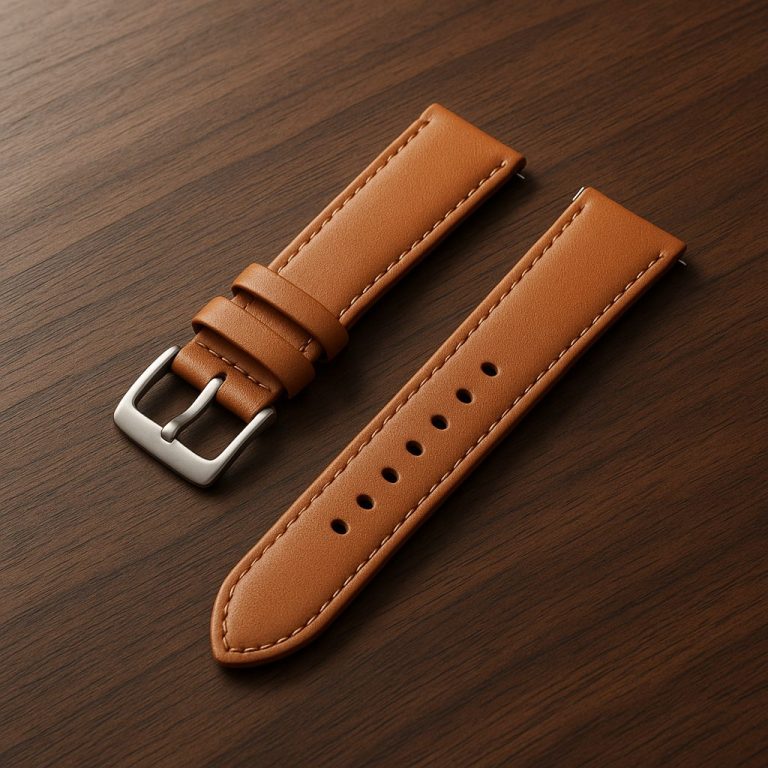
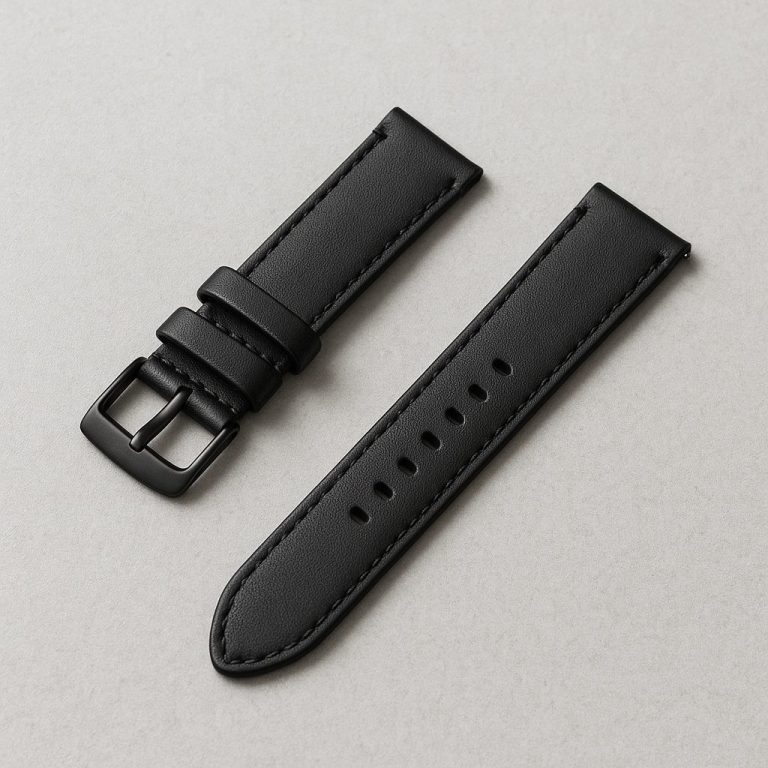
| Leather | Flexible, classic look, available in various thicknesses | Works well if chosen in wider, reinforced styles; thinner leather may not support very large cases |
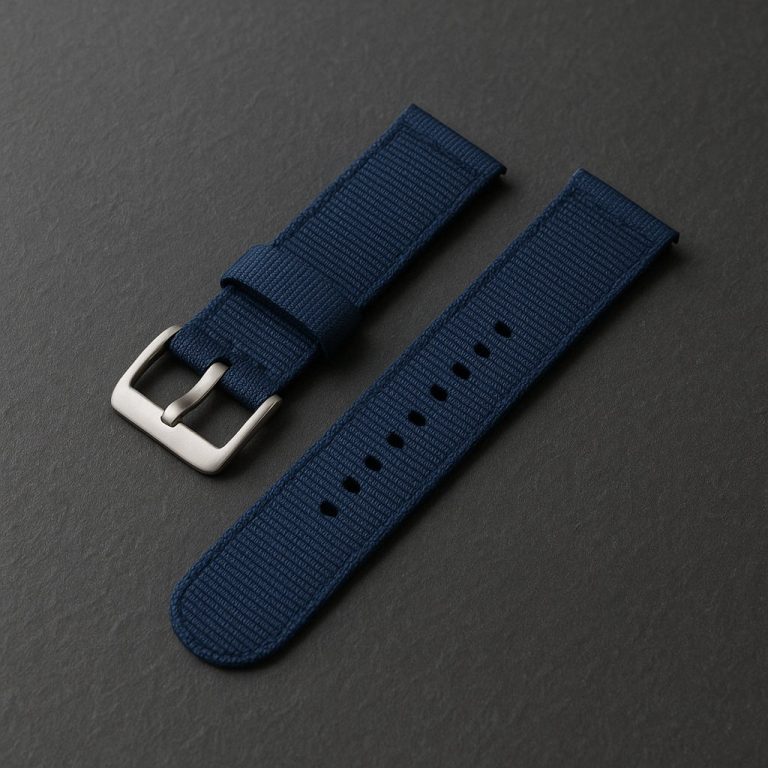
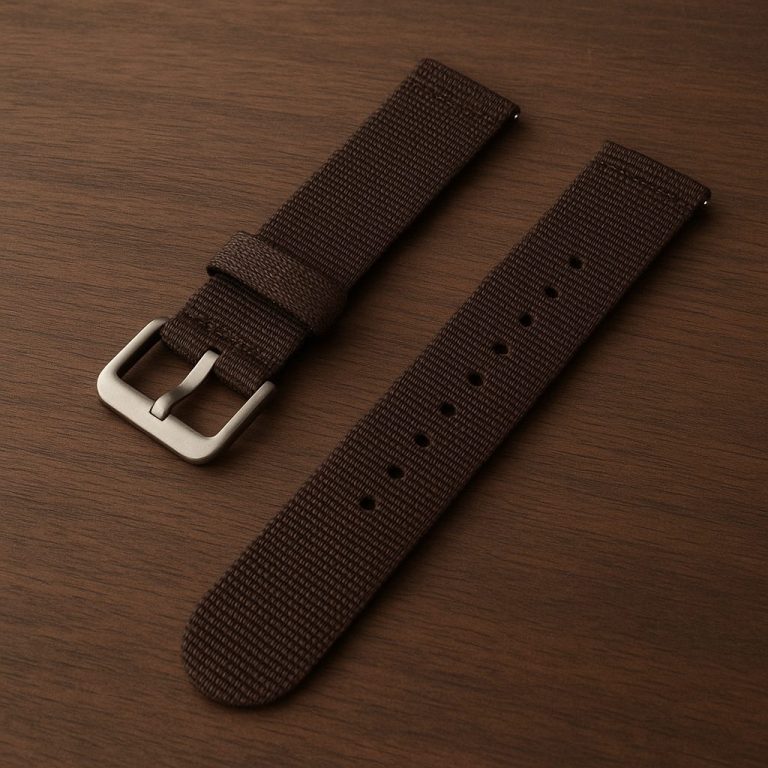
| Fabric (mostly nylon or blends) | Lightweight, breathable, available in different weaves and textures | Choose dense or thicker weaves for stability; thin/stretchy fabrics often lack support for heavy watches |
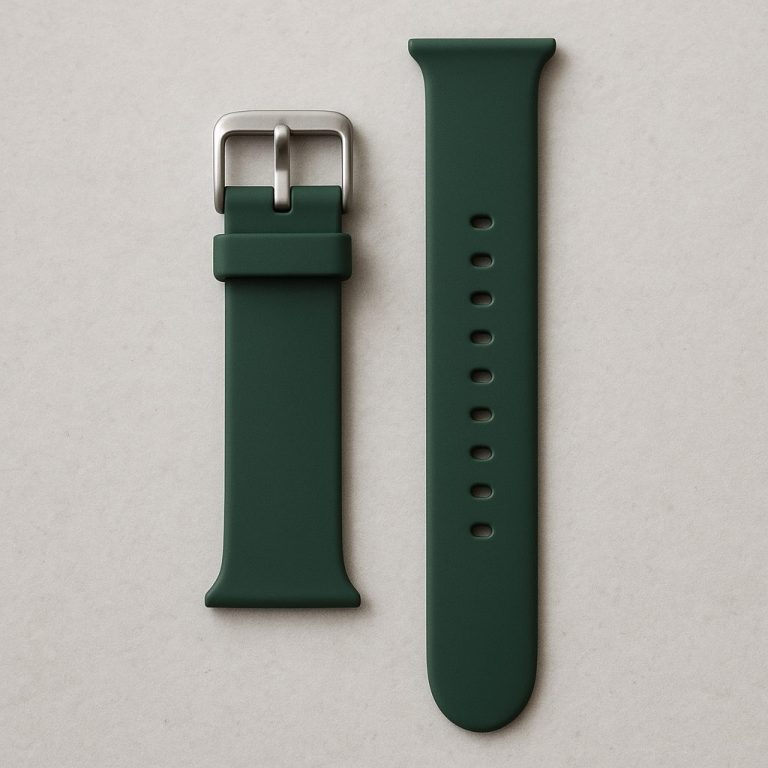
| Silicone or rubber | Water-resistant, flexible, modern appearance | Effective if sufficiently thick and wide; too soft or narrow can stretch under a heavy watch |
Attachment Compatibility: Lugs and Mechanisms
Compatibility between the watch case and the band is crucial. The lugs—protruding arms on the watch case—determine the width of the band you need. Check for the distance (measured in millimeters) between the inner sides of the lugs.
The mechanism that connects the band to the lugs is also important. Most watches use spring bars: small, spring-loaded metal bars that fit into holes in the lugs. Some modern bands use quick-release pins, making it easier to swap bands without tools. Make sure the band you choose has the correct ends to work with your watch’s existing attachment system. If the band uses a different mechanism, you may need adapters, but these can add bulk or change the fit, especially with larger cases.
Balancing Comfort and Security
With a larger watch face, comfort can become an issue if the band is not chosen carefully. A band that is too rigid may cause pinching or pressure, while one that is too soft may not keep the watch in place. Metal bracelets—most often made from stainless steel for durability and resistance to corrosion—can provide a solid feel and balanced weight, but they should be sized properly to avoid sliding. Leather bands offer comfort and conform to the wrist over time; opt for reinforced or padded leather if the watch is particularly large. Fabric straps, usually made from nylon or blended fibers, vary in weave density and thickness, which affects how well they stabilize heavy watch faces. For example, a densely woven nylon strap can be surprisingly robust, while a thinner stretchy fabric may not suffice for a larger case. Silicone bands can be a suitable choice if they are thick enough to resist stretching and provide a secure fit.
Style Considerations with Larger Watch Faces
Pairing a band with a large watch face is not only about physical compatibility. The visual relationship between the case and the band also matters. A narrow or delicate-looking band can make a large watch appear bulky or awkward. Wider, more substantial bands tend to balance the look, making the watch appear intentional rather than oversized. For formal settings, a thick, smooth leather or solid metal bracelet can complement a big watch face. For sports or casual use, a robust silicone or densely woven fabric band can provide both function and style.
Personal Fit and Wrist Size
When wearing a watch with a larger face, wrist size becomes an important consideration. On smaller wrists, a large case and wide band can overwhelm the wrist, so finding the right balance is key. Some people with smaller wrists prefer bands that taper—wider at the lugs and narrower at the clasp—to soften the visual impact. Others may opt for shorter-length bands to avoid excess material or an awkward fit. Trying different band widths and thicknesses can help achieve both comfort and a balanced appearance.
Practical Outcome: Secure, Balanced, and Comfortable Wear
Choosing a watch band that accommodates a larger watch face involves matching the width and thickness to the case, selecting a strong and comfortable material, and ensuring proper attachment compatibility. Paying attention to these details helps create a secure fit that looks and feels right on your wrist, so the watch remains an attractive and practical accessory for everyday use.