How to tell if a watch band is too stiff for everyday use
Everyday Frustrations Caused by a Stiff Watch Band
Wearing a watch should feel comfortable and convenient, but a watch band that’s too stiff can create problems throughout the day. Whether you’re putting on your watch in the morning or wearing it for hours at work, excessive stiffness can make a band uncomfortable, restrict your wrist movement, and even accelerate wear and tear on both the band and the watch itself. Recognizing when a watch band is too stiff for everyday use can help you avoid these issues and enjoy your watch more fully.
How Stiffness Affects Comfort and Usability
Watch bands are designed to secure the watch to your wrist while allowing for a natural range of motion. When a band is excessively stiff, it can:
- Pinch or dig into your skin, especially when you flex your wrist
- Make it difficult to fasten or unfasten the watch
- Cause the watch case to sit awkwardly, sliding or shifting as you move
- Lead to discomfort during daily activities such as typing, driving, or exercising
These problems can occur with any material, including metal, leather, fabric, or silicone. The source of stiffness might be the material itself, the way the band is constructed, or simply that the band is new and not yet “broken in.”
Spotting Signs Your Watch Band Is Too Stiff
Some stiffness is normal, especially with new watch bands, but certain signs suggest the band may be unsuitable for routine wear. Look for these clues:
- Visible gaps: A stiff band may not conform to the curve of your wrist, leaving noticeable gaps between the band and your skin.
- Difficulty shaping: If the band feels rigid and resists bending into a natural curve, it may be too stiff.
- Persistent discomfort: If you experience pressure points, chafing, or soreness after short periods, the band is likely too rigid for everyday use.
- Limited flexibility at attachment points: The area near the lugs and spring bars (or quick-release pins) should allow some movement. If this region is extremely stiff, it can strain the attachment and make the watch sit awkwardly.
- Awkward movement: If your wrist motion feels restricted or unnatural while wearing the watch, stiffness is likely a factor.
Material Differences and Stiffness Factors
Each major watch band material has its own typical stiffness characteristics. The table below outlines how these materials often behave when new and how they tend to “break in” over time.
| Material | Typical Initial Stiffness | Common Causes | Break-In Potential |
|---|---|---|---|
| Metal (Stainless Steel most common) | Moderate to flexible | Tight links, thick construction | Minimal, but may loosen slightly with use |
| Leather | Often high when new | Thickness, tanning process, lining | Usually softens and molds to wrist with wear |
| Fabric (mostly nylon or blends) | Varies by weave and thickness | Dense or stiff weaves, thick layers | Usually softens, some blends remain stiff |
| Silicone | Flexible to moderate | Material formulation, thickness | Generally stays consistent, minor softening |
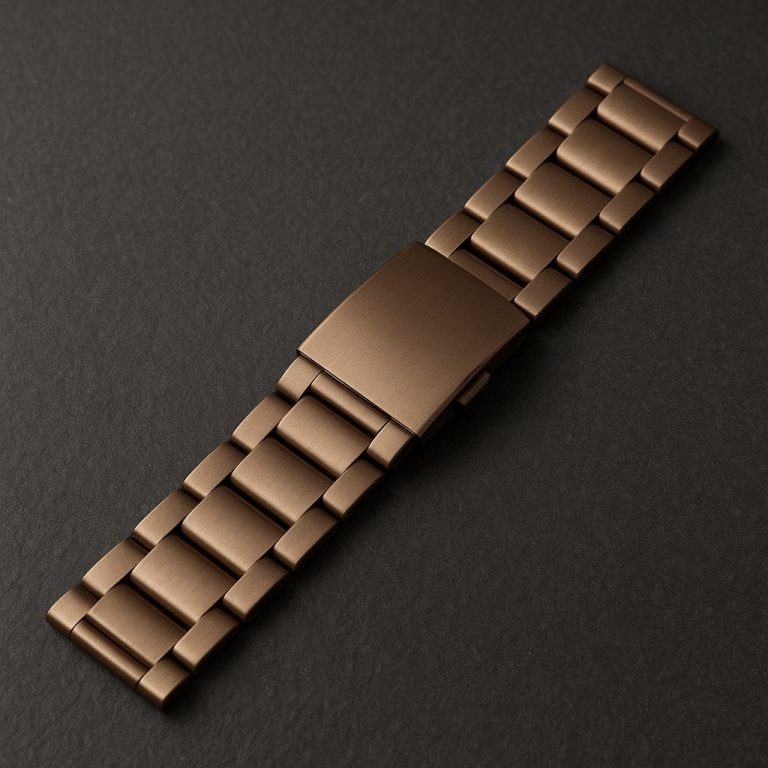
Metal Bands
Most metal watch bands are made from stainless steel, chosen for its durability and resistance to corrosion. Stiffness can be caused by tightly assembled links or thick, solid construction. Metal bracelets with little flexibility may not wrap smoothly around the wrist and can feel bulky. If the links don’t move freely, the bracelet may pinch or cause the watch case to shift position. Adjusting link tightness (if possible) or wearing the band for several days can sometimes improve flexibility.
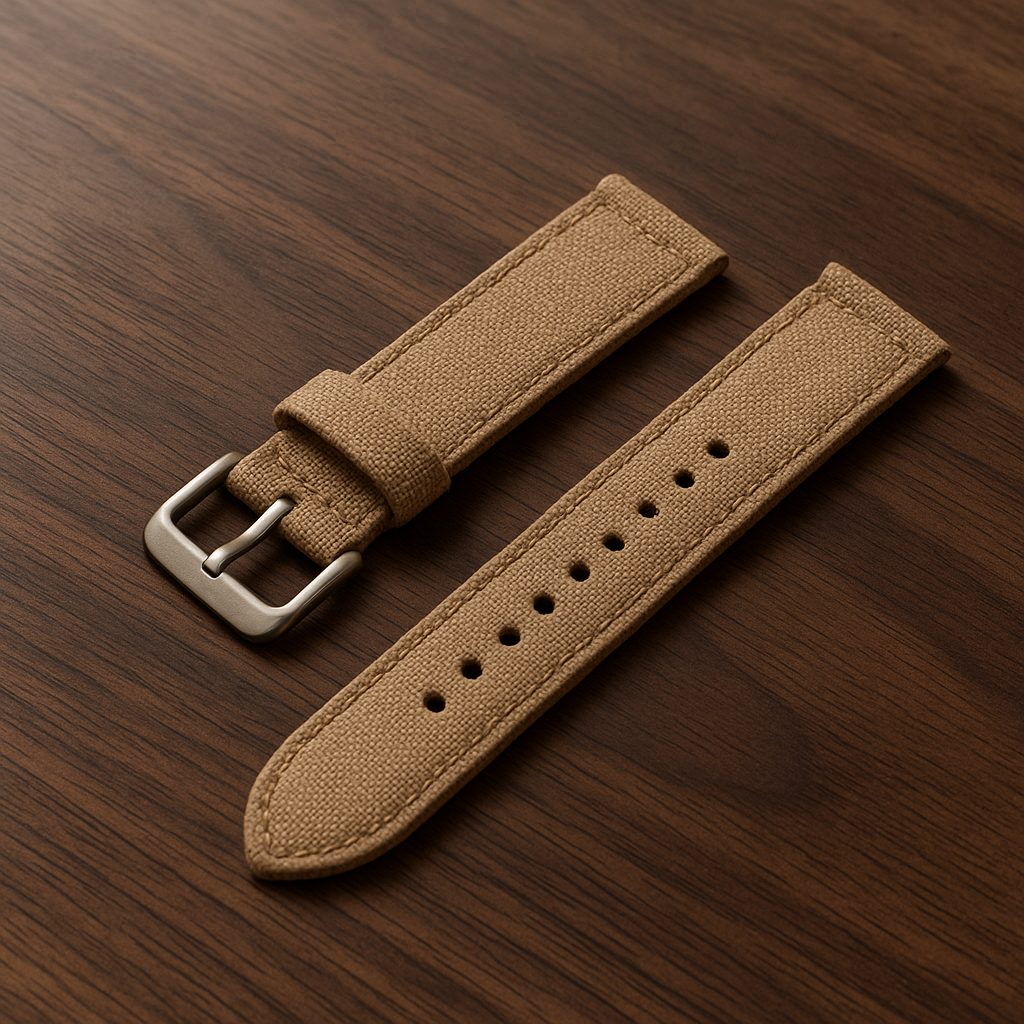
Leather Bands
New leather straps often feel stiff due to the tanning process or the use of thick leather. Some are lined with a rigid material to preserve shape, which can add to the stiffness. While most leather bands soften and conform to your wrist over time, especially with regular wear, excessive thickness or a hard finish can keep them rigid. If a leather band remains uncomfortable after several days of use, it may not be suitable for daily wear.
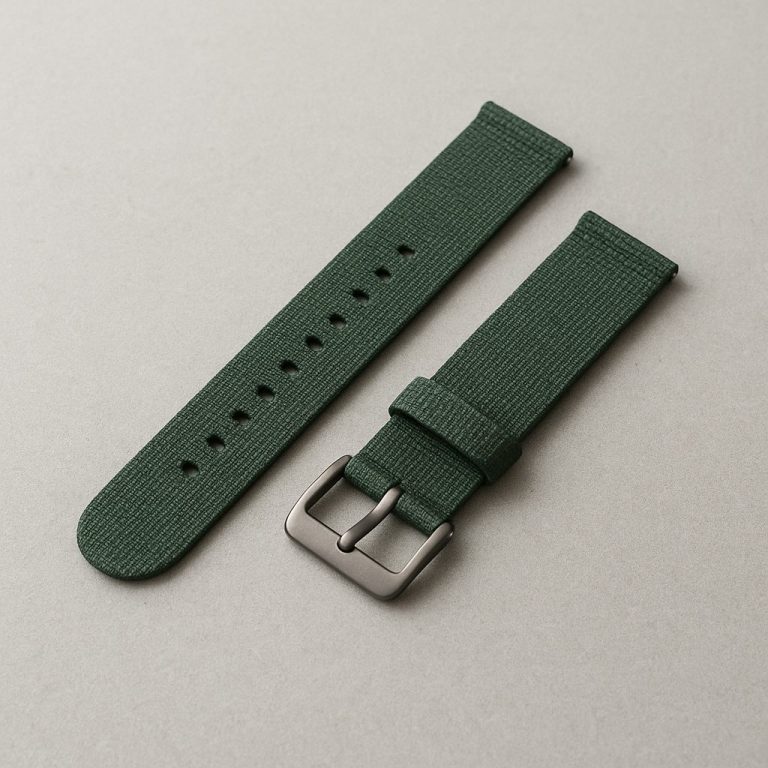
Fabric Bands
Fabric watch bands are typically made from nylon or blends that may include polyester or elastic fibers. The density and style of the weave, as well as overall thickness, affect flexibility. Some densely woven or multi-layered nylon straps can feel stiff, while others with looser or stretchier construction are immediately comfortable. A band that resists curving naturally around your wrist or feels abrasive may be too stiff for everyday comfort.
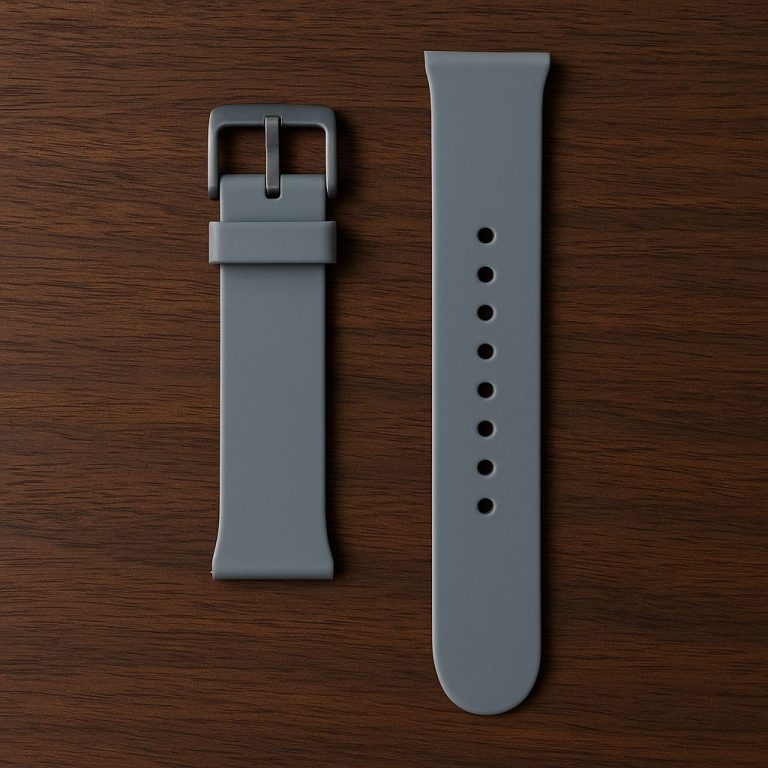
Silicone Bands
Silicone bands are generally designed for flexibility and comfort, but some can feel thick or rigid, especially if made from a firmer silicone compound. The thickness of the band and the pattern of any texturing can add to the sensation of stiffness. If a silicone band feels uncomfortable or fails to contour to your wrist, it might not soften much with use, as silicone tends to maintain its flexibility or rigidity over time. Trying the band on for a full day is often the best way to judge comfort.
Testing Flexibility Before Daily Use
To determine if a watch band is too stiff, try these practical checks:
- Wrap test: Before attaching the watch to your wrist, try wrapping the band around your finger or a cylindrical object. If it resists curving or springs back flat, it’s likely too stiff.
- Wear for several hours: Put the watch on and go about your normal activities. Notice any discomfort, restriction of movement, or persistent pressure points.
- Check for memory: Remove the watch and see if the band retains a sharp curve that matches your wrist, or if it returns to a straight or awkwardly shaped position. Bands that don’t retain a curve may stay uncomfortable.
When Stiffness Is a Temporary Issue
Some watch bands, especially leather or certain fabric types, are intentionally made stiff at first to improve longevity and structure. With regular wear, body heat, and gentle bending, these materials can soften and become more comfortable. If you notice gradual improvement over a week of normal use, the initial stiffness may not be a problem. However, if discomfort persists or the band still feels rigid, it may remain unsuitable for daily wear.
Impact on Watch Attachment and Durability
Excessively stiff bands can place extra stress on the points where the band attaches to the watch case. Most watch bands connect to the lugs of the watch using spring bars or quick-release pins. If the band is not flexible near these attachment points, it can cause the pins or bars to work loose or even damage the lugs over time. A flexible attachment area helps the watch sit comfortably and securely. Check that the band bends easily at the points where it meets the case, not just in the middle sections.
Key Takeaway
If your watch band feels uncomfortable, resists shaping to your wrist, causes skin irritation, or restricts movement after a day of wear, it is likely too stiff for everyday use. The best bands will conform naturally, stay secure, and allow free wrist movement throughout daily activities. Testing flexibility and monitoring comfort over time can help you decide whether a band is right for long-term wear or if you need to consider alternatives.