How watch position on the wrist affects long-term comfort and usability
How Wrist Placement Affects Daily Watch Wear
During a long day at work, someone notices their watch digging into the side of their wrist, leaving a red mark by evening. Another person finds their watch sliding over the wrist bone while typing, causing the band to press awkwardly and the case to shift out of view. These issues often result from how the watch is positioned on the wrist, rather than the watch itself. The placement of a watch can have a significant impact on comfort, ease of use, and even the long-term condition of both the watch and the wearer’s skin.
Key Areas of the Wrist and Their Impact
The wrist is not a uniform surface. Its anatomy includes the prominent ulnar bone (the “wrist bone” on the little finger side), the flatter surface above it, and the area closer to the hand where tendons move under the skin. Where a watch sits in relation to these features affects both comfort and how easily the watch can be read or adjusted.
| Watch Position | Common Effects | Potential Issues Over Time |
|---|---|---|
| Directly above wrist bone | Stable, less movement | Pressure marks, discomfort |
| Below wrist bone (closer to hand) | Greater mobility, easy to check time | Band movement, possible pinching |
| Too high on forearm | Reduced interference with hand movement | May slide, less secure |
Directly Over the Wrist Bone
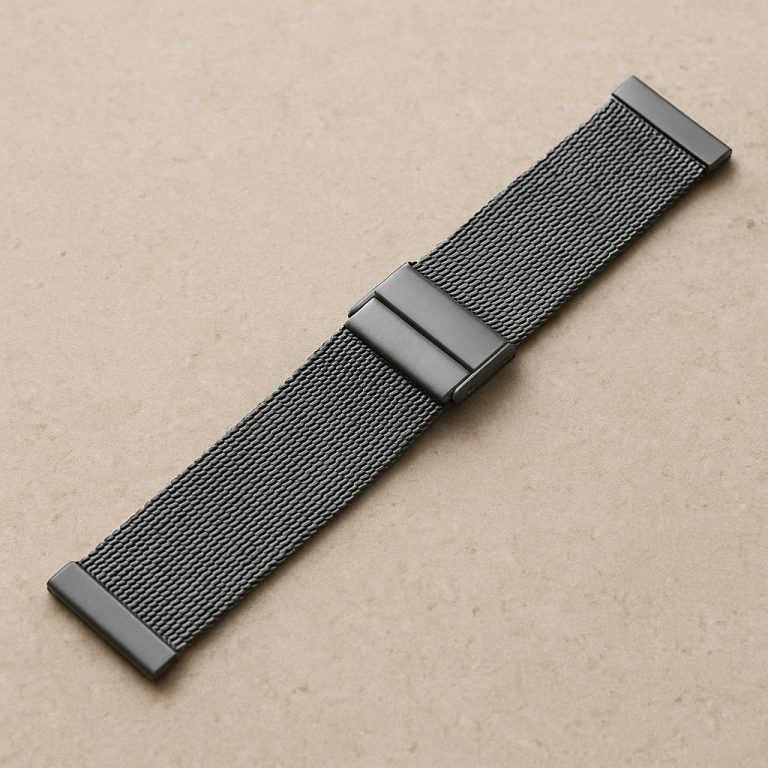
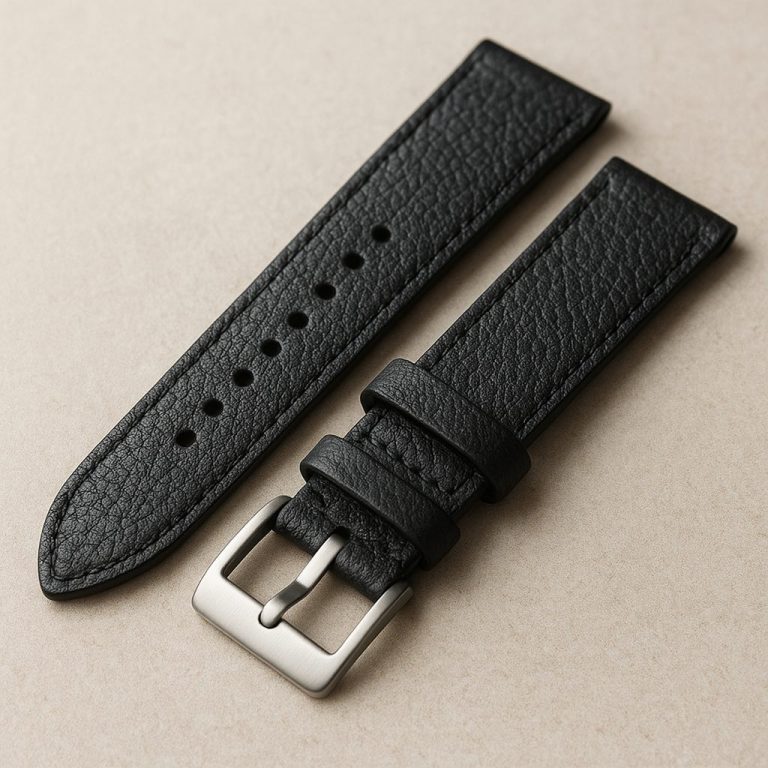
Wearing a watch on top of the wrist bone can keep it secure, but repeated pressure may cause soreness or red marks, especially if the band is tight. Over months or years, this can lead to chronic discomfort and may even irritate the underlying skin. Metal bracelets, due to their inflexibility, are more likely to cause this effect if not properly fitted. Leather and silicone bands can sometimes mold to the shape of the wrist bone, but if worn too tightly, they may still cause pressure points.
Below the Wrist Bone
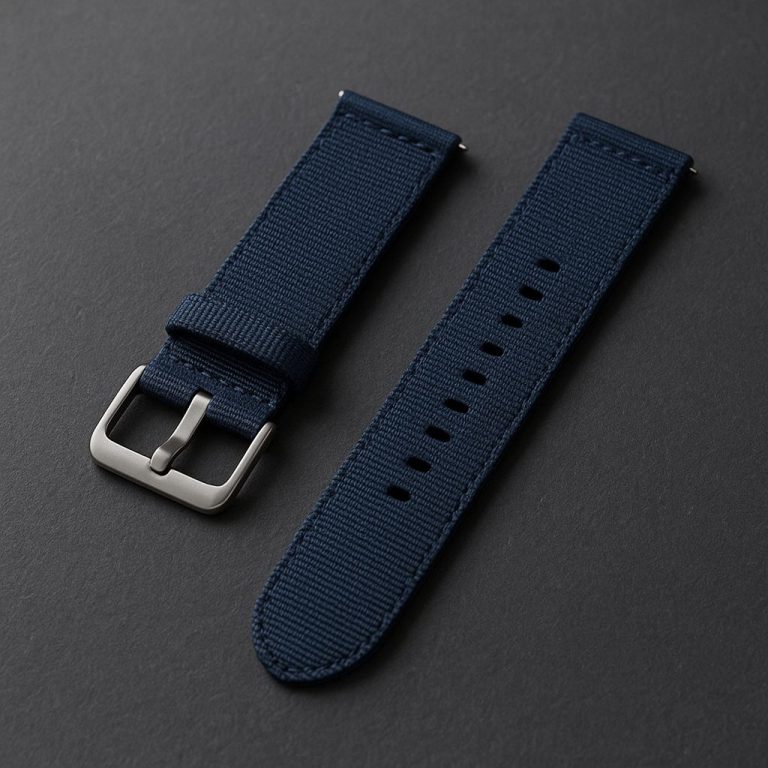
Positioning the watch just below the wrist bone, toward the hand, is a common choice for many. This places the case on a softer area, often increasing comfort during movement and making it easier to tilt the wrist to read the dial. However, if the band is loose or the watch is heavy, it may move excessively, causing the watch to rub against the skin or catch on clothing. Over time, this movement can lead to minor abrasions or skin irritation. Fabric bands made from nylon or blends with varying weave density can help minimize movement due to their grip and flexibility, while silicone bands may prevent slipping but can trap moisture during extended wear.
Too High on the Forearm
Some individuals prefer to wear the watch slightly higher on the forearm, above the wrist bone, often to avoid any interference while flexing the hand. While this can keep the watch out of the way, the watch may shift during movement, particularly with heavier metal bracelets made from stainless steel, which is commonly used for its durability and resistance to corrosion. In this position, the watch is more likely to rotate or slide, especially if the band is not snug. For long-term comfort, the band must be adjusted closely to the wrist’s contour, but not so tight that circulation is restricted.
Effect on Usability
The position of the watch does not only affect comfort; it also influences how easily the wearer can use the watch’s features and view the dial. A poorly positioned watch may require awkward wrist angles to see the time, use pushers, or access adjustment crowns.
- Above the wrist bone: May make it harder to rotate the wrist for a quick glance, especially with larger watch cases.
- Below the wrist bone: Allows for a more natural glance at the dial, but may catch on the edge of a desk or keyboard during typing.
- Higher on the forearm: May require more wrist flexion to see the face, making it less practical for frequent time checks.
Some people who wear watches while typing may notice discomfort if the case presses into the wrist bone or the base of the hand. Adjusting the position by sliding the watch slightly away from areas of repetitive pressure can reduce these issues. For example, someone who spends long hours at a computer might experiment with moving the watch just below the bone and loosening the band by one notch to allow for swelling throughout the day.
Long-Term Comfort and Skin Health
Consistent pressure and friction from a poorly positioned watch can lead to skin irritation, calluses, or even pressure sores in extreme cases. The effect varies depending on both the position and the type of band material in use:
- Metal bracelets: Stainless steel links are durable and resist corrosion but can pinch or pull hair if the bracelet is loose. If worn tightly, they can leave indentations at pressure points, especially over bones.
- Leather bands: These often become more comfortable over time as they adapt to the wrist’s shape. However, sweat or moisture can cause irritation if the band is not allowed to dry fully.
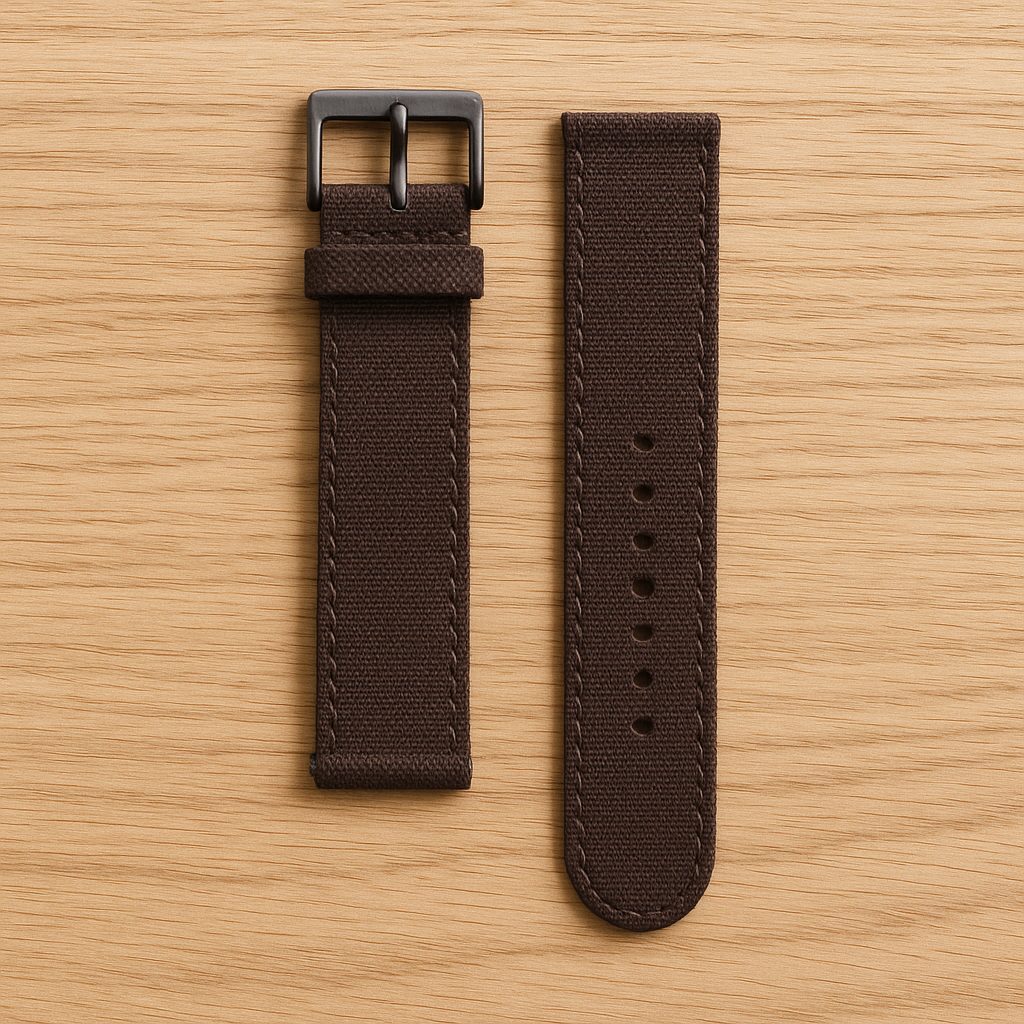
- Fabric bands: Most fabric straps, such as those made from nylon or nylon blends, offer good breathability and flexibility. Weave density, elasticity, and thickness vary; a tight, smooth weave may feel softer, while a thicker or textured band can provide more cushioning but may trap heat.
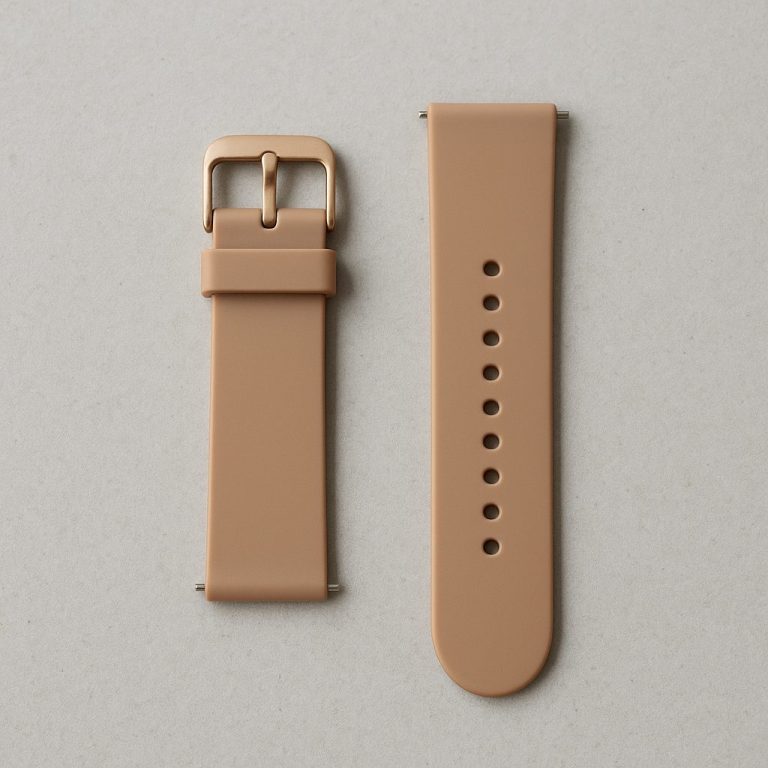
- Silicone bands: Silicone is flexible and non-absorbent, making it comfortable for many wearers. However, it can trap sweat against the skin, particularly if the band is worn tightly or the watch is positioned where there is less airflow.
Skin reactions can develop when moisture, friction, and pressure combine. If the watch is positioned in a way that restricts airflow or creates a tight seal (as can happen with silicone bands), the risk for irritation increases. Adjusting the band for a snug-but-not-tight fit and occasionally shifting the watch location can help prevent these problems during extended wear.
Attachment and Security: The Role of Lugs, Spring Bars, and Pins
The way a watch attaches to its band can also influence how well it stays in the desired position. Most watches use lugs as part of the case, with the band secured between them using spring bars or quick-release pins. Proper attachment ensures the watch case remains centered and stable, reducing the tendency for the watch to rotate or slide out of place. If the attachment mechanism is loose or worn, the watch may shift more often, leading to uneven pressure and reduced comfort over time. Checking the security of spring bars or pins periodically helps maintain consistent placement and usability.
Daily Adjustments for Better Experience
Small changes in how a watch is worn can make a significant difference over months or years. For example, adjusting the band’s tightness during the day can accommodate natural swelling in the wrist, especially in warm weather or during physical activity. Experimenting with the watch’s position—such as moving it slightly away from the wrist bone during repetitive tasks—can help identify the most comfortable spot for daily routines.
Ultimately, the correct watch position balances stability, comfort, and easy access to the dial and controls. Paying attention to early signs of discomfort or skin changes allows for early adjustments, reducing the risk of long-term problems. By considering wrist anatomy, watch case design, band material, and attachment method, wearers can find a position that supports both comfort and usability throughout the day.
Finding Your Optimal Watch Position
The best placement for a watch depends on individual wrist shape, band material, and daily activities. Taking the time to adjust and observe how the watch feels in different positions can help prevent chronic discomfort and ensure the watch remains a practical accessory for years to come.