Why some watch bands feel less noticeable after a few days of wear
Getting Used to the Feel of a Watch Band
After putting on a new watch band, the sensation around the wrist can be hard to ignore. At first, the band might feel stiff, tight, or even distracting—especially when typing, writing, or making small wrist movements. However, with regular wear over several days, the same band often begins to feel less noticeable. This shift is not just about personal habits; several factors are at work, including the properties of the band material, the way it interacts with your skin, and your body’s own adaptation processes.
Why Watch Bands Become Less Noticeable Over Time
The sense of a watch band “disappearing” from conscious attention is largely due to a combination of physical changes in the band, minor adjustments in fit, and the body’s ability to adapt to repeated sensations.
Material Flexibility and Micro-Adjustments
Different watch band materials respond to wear in unique ways, which can influence how they feel after a few days:
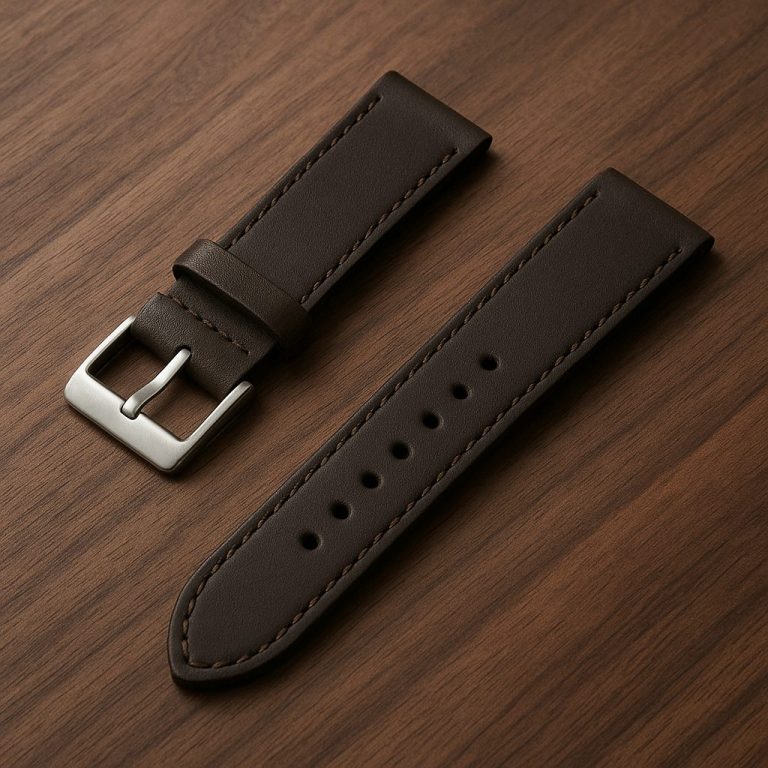
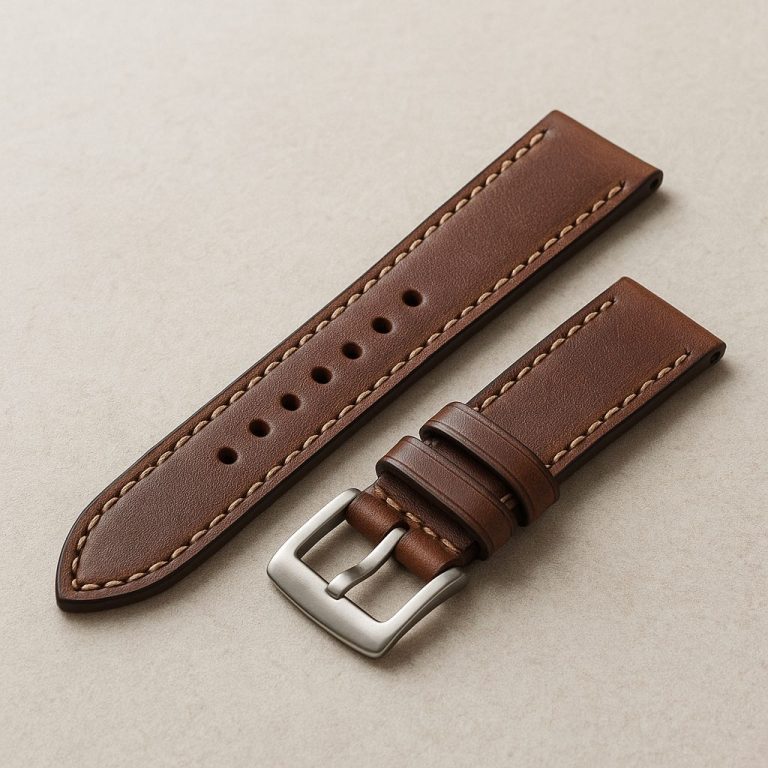
- Leather bands tend to soften and contour to the shape of the wrist as the natural oils from the skin are absorbed. This creates a more custom fit and reduces areas of pressure.
- Metal bracelets, with links usually made from stainless steel, maintain their overall structure and weight. However, small movements between links can become smoother as the band “settles,” making it feel less rigid.
- Fabric bands—most commonly made from nylon or nylon blends—often become more pliable after a few wears. The weave can loosen slightly, and the band may adapt to the wrist’s contours, especially if it has some elasticity or a softer texture.
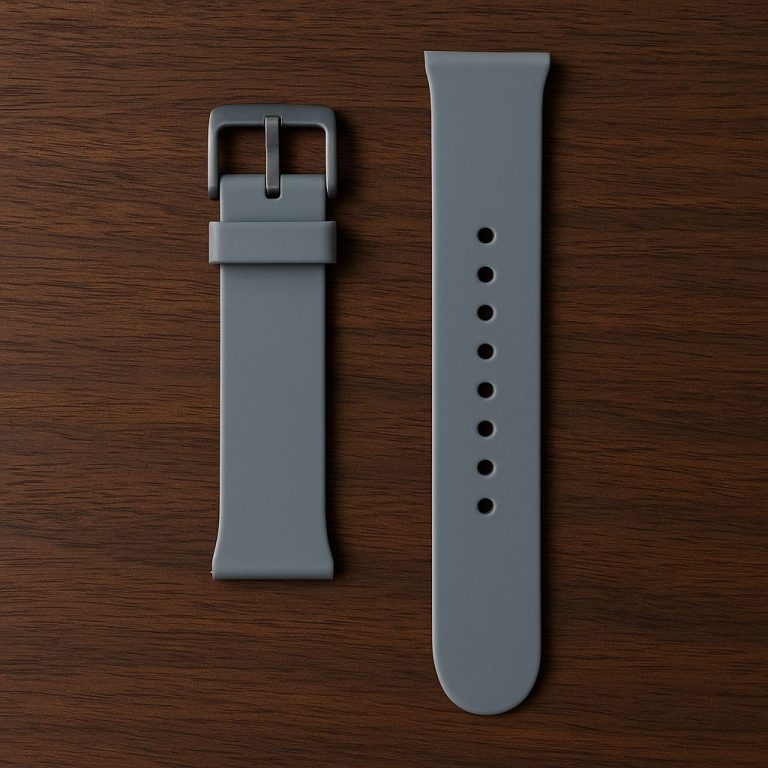
- Silicone bands do not stretch much, but they can become more comfortable as the material warms to skin temperature and any manufacturing residues wear off.
Table: How Materials Change With Wear
| Material | Initial Sensation | Change Over Time |
|---|---|---|
| Leather | Stiff, may feel tight | Softens, molds to wrist |
| Metal | Cool, weighted, rigid | Links smooth out, less noticeable movement |
| Fabric (nylon/nylon blend) | Textured, sometimes rough | Becomes softer, adapts to wrist shape |
| Silicone | Slightly tacky, snug | Feels smoother, skin contact improves comfort |
The Role of Sensory Adaptation
Beyond the physical changes in the band itself, the body’s nervous system adapts to repeated sensations. This process, called sensory adaptation, means that the brain gradually “tunes out” sensations that remain constant and non-threatening. After several hours or days, the pressure and contact from the watch band become less prominent in your awareness, unless something changes—such as the band shifting, becoming wet, or being tightened.
For example, someone who switches from a thick nylon strap with a coarse weave to a thinner, smoother one may notice the band acutely on the first day. Within a week, the sensation fades, and attention returns only if the band is adjusted or something interrupts the routine.
Fit Adjustments and Daily Use
Initial discomfort can sometimes result from a slightly improper fit. Over several days, small adjustments—like changing the hole on a leather strap or resizing a metal bracelet—can make a significant difference. Even a fabric band with a high-density weave can feel abrasive at first, but loosening the fit or repositioning the buckle can help distribute pressure more evenly.
Paying attention to how the band feels after different activities—such as working at a desk, exercising, or sleeping—can reveal subtle fit issues. Making minor adjustments based on these observations often leads to a much less noticeable wearing experience.
Skin and Material Interaction
The interaction between skin and watch band material can shift over time. Natural oils and sweat may soften leather, while repeated flexing can reduce the harshness of a new nylon band. With silicone bands, the initial tackiness or slight grip can fade as the surface naturally smooths out with wear. Stainless steel, being the most common metal for watch bands due to its durability and corrosion resistance, generally maintains a consistent feel, but the wrist can become accustomed to its weight and temperature.
Wearing a band during different weather conditions can also affect comfort. For example, fabric bands with looser weaves may wick moisture better, becoming more comfortable in humid settings. Leather bands may become suppler in warm weather, while silicone bands can feel stickier if sweat accumulates underneath. Regular cleaning and rotating bands, if possible, can prevent skin irritation and help each band feel more comfortable over time.
Recognizing When Something Is Not Normal
While it’s normal for a watch band to become less noticeable with continued wear, persistent discomfort, redness, or irritation are signs that something may be wrong. Sometimes, a particular material may not suit sensitive skin, or the band might be too tight or too loose. In these cases, switching to a different style, adjusting the fit, or cleaning the band more frequently can make a difference. If a reaction continues, trying a band made from a different material—such as moving from leather to nylon or from silicone to a metal bracelet—may resolve the issue.
How Habits Influence Perception
The more a watch is worn during everyday tasks, the more the sensation of the band becomes part of the background noise of daily life. This is similar to how a ring or a pair of glasses becomes less noticeable after consistent use. The brain prioritizes new, changing, or uncomfortable sensations, so a watch band that fits well and doesn’t cause irritation will usually fade from conscious attention after a few days.
What to Expect When Adapting to a New Watch Band
The feeling of a watch band becoming less noticeable over time is a combination of physical adaptation of the band, adjustments in fit, and the body’s own sensory adaptation. By understanding how each material responds to regular wear and paying attention to small comfort adjustments, most people find that their watch band quickly becomes a seamless part of daily life. If discomfort persists beyond the initial period, it’s worth reevaluating the fit or material to ensure ongoing comfort.