What causes a watch band to pinch the skin during movement
Why a Watch Band Sometimes Pinches the Skin
After adjusting a watch for a secure fit, some people notice an uncomfortable pinching of the skin when flexing the wrist, typing, or performing everyday movements. This brief pinch can be surprising, especially if the band seems neither loose nor overly tight. Understanding what causes a watch band to pinch during movement helps prevent discomfort and keep wearing a watch enjoyable.
The Role of Movement and Skin Position
When the wrist moves, the shape of the forearm and wrist changes. The skin and underlying tissue shift, while the watch and its band remain rigid or semi-rigid around the wrist. This dynamic can create brief spots where the skin is pressed or pinched between the band and the wrist bone, especially at the edges of the band or at articulated links.
Pinching is most likely to occur:
- When the band is snug enough to restrict movement but not so tight as to be immobile
- If the skin is soft or compressible, such as after exercise or in humid weather
- During repetitive wrist flexing or motion, such as typing or lifting objects
How Band Construction Affects Pinching
The design and material of a watch band play a key role in whether or not it pinches skin. Some designs and materials are more prone to trapping or compressing skin during movement.
Metal Bands
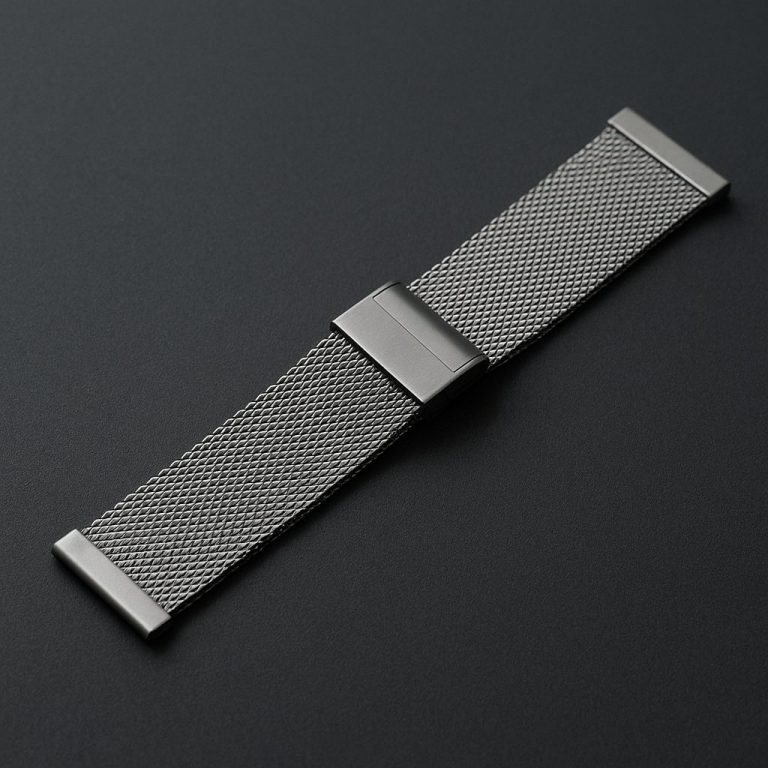
Most metal watch bands are made from stainless steel due to its durability and resistance to corrosion. These bands are usually constructed from interlocking links or mesh. Pinching occurs with metal bands when the links flex and move against each other, especially at the gaps between links. If a small fold of skin or body hair gets caught between moving links, it can be pulled or pinched as the band bends.
Metal mesh bracelets, while flexible, can have small gaps that occasionally catch skin or hair, especially if the mesh is loosely woven or the edges are not well-finished. Bands with sharp or unfinished edges can increase the risk of pinching, particularly around the clasp or where the band connects to the watch case.
Leather Bands
Leather bands tend to be softer and more flexible, but they can still pinch if they are very stiff, thick, or have sharp or unfinished edges. The area where the band folds back through a buckle or where excess leather tucks into a keeper loop can sometimes create a pressure point against the skin, especially if the keeper is tight or misaligned.
Stiff new leather may not conform smoothly to the wrist, creating gaps or folds that can catch skin during movement. Over time, as leather softens and breaks in, pinching usually becomes less common.
Fabric Bands
Fabric watch bands are usually made from nylon or nylon blends. The weave density, thickness, and texture vary between types. Dense, flat weaves tend to distribute pressure smoothly, but thicker or rougher textures can form folds that press into the skin, particularly at the edge of the wrist or under the hardware. Elastic woven bands stretch with movement, reducing the chance of pinching, but can still trap hair or skin if worn too tightly or if the edge is coarse.
For example, a thick, tightly-woven nylon strap may become stiff when wet, making it more likely to press unevenly against the skin during movement.
Silicone Bands
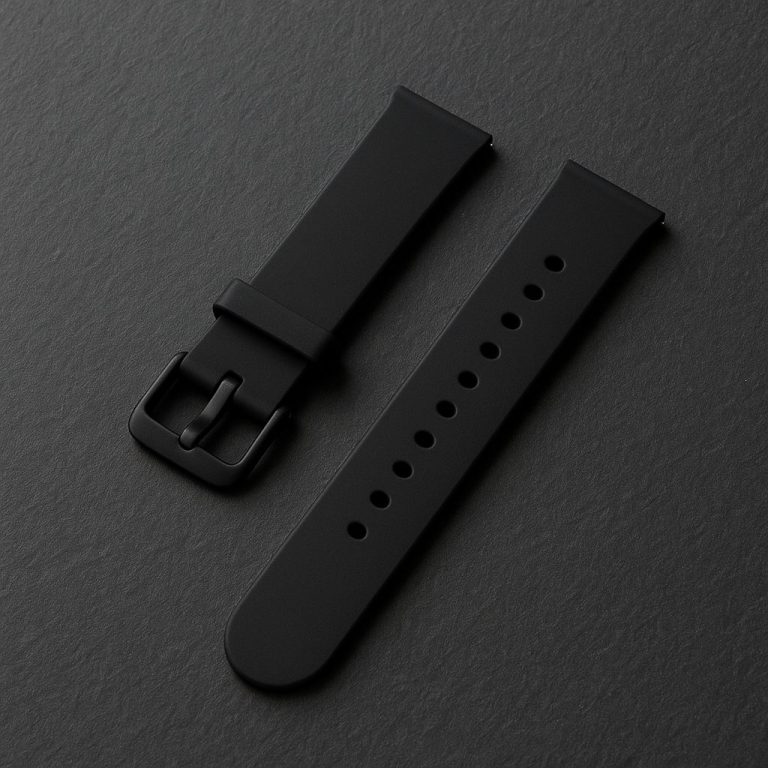
Silicone bands are popular for their softness and flexibility. However, they can still pinch if the band is wide and fits closely, especially if the edges are squared off rather than rounded. Silicone is slightly tacky, so it may grip the skin, increasing the risk of pinching when the band shifts as the wrist moves. Sweaty or damp skin can also increase friction, making pinching more noticeable. Bands with ventilation holes or textured surfaces may reduce this effect by allowing the skin to breathe and decreasing surface contact.
Band Fit and Adjustment Issues
Improper adjustment is a frequent reason for pinching, regardless of material. A band that is slightly too loose may slide up and down the wrist, catching on the skin or wrist bone during sudden motions. A band that is just tight enough to prevent movement can press the skin into folds at the edges or under hardware, especially during wrist flexion.
Some watch bands offer micro-adjustments, allowing for a more precise fit. Bands that only adjust in large increments (such as those with a fixed number of holes) may be difficult to size perfectly, resulting in a fit that is either slightly too tight or too loose.
Attachment Points and Hardware
The area where the band connects to the watch case can sometimes create pressure points, especially if the band end is stiff or angled. When the wrist bends, this area may press into the skin just behind the watch case, making pinching more noticeable during movement. Some hardware, such as thick buckles, clasps, or metal keepers, can also create localized pressure points that increase the chance of discomfort or pinching.
Comparison of Pinch Risk by Band Type
| Band Material | Common Pinch Cause | Relative Pinch Risk |
|---|---|---|
| Metal (stainless steel links/mesh) | Skin or hair caught between moving links or mesh | Moderate to High |
| Leather | Stiffness, sharp edges, tight keepers | Low to Moderate (higher when new) |
| Fabric (nylon, blends) | Folds, rough edges, hardware contact | Low to Moderate |
| Silicone | Friction, edge pressure, sweat buildup | Low to Moderate |
Reducing the Risk of Pinching During Movement
Being aware of how and when pinching occurs can help reduce discomfort. Adjust the band so that it is snug but allows slight movement, especially if the wrist will be flexed often. For metal bands, check that links move freely and edges are smooth. When using fabric or silicone bands, ensure that the edges are not digging into the skin, and keep the area dry to reduce friction. With leather bands, giving them time to soften and break in can often resolve pinching. If a particular area of the band or hardware is causing discomfort, repositioning the band slightly on the wrist may help. In certain cases, swapping to a band with a different material or construction style can alleviate persistent pinching.
Practical Insights for Everyday Comfort
Watch bands pinch during movement due to a combination of band material, fit, and the way the wrist changes shape throughout the day. Understanding the specific causes—such as shifting skin, band rigidity, hardware placement, and surface friction—can help in making small adjustments that prevent discomfort. If pinching becomes frequent, examining the band’s construction and how it interacts with your wrist during typical movements often reveals a straightforward solution.