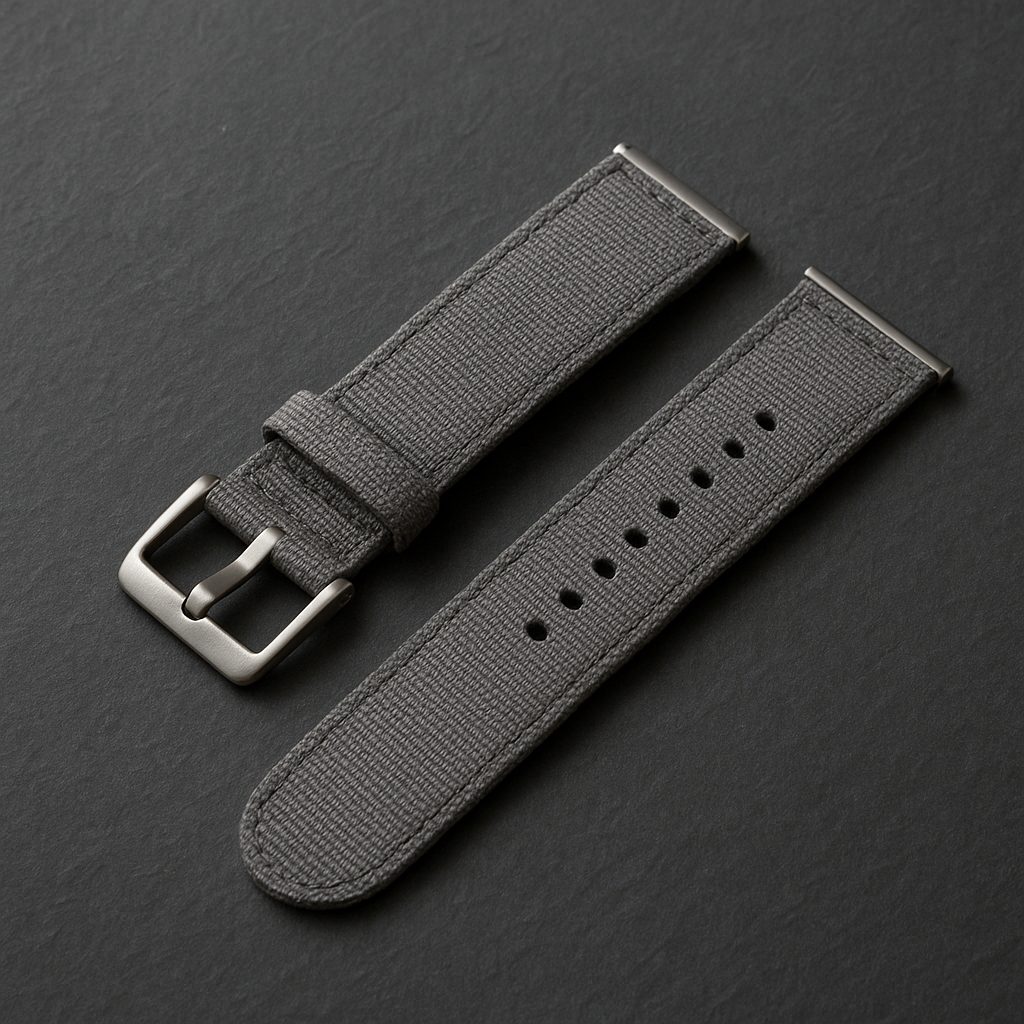
What causes certain sections of a watch band to soften faster than others
Spotting Uneven Wear on Watch Bands
After months of regular use, a watch band can develop spots that feel softer or more flexible in certain sections than others. This softening is often most noticeable in the areas near the attachment points or on the underside of the wrist, while other parts of the band retain their original firmness. This uneven change in texture can affect comfort, appearance, and even the lifespan of the band.
How Daily Use Affects Different Parts of a Watch Band
Several factors can cause specific sections of a watch band to soften faster than others. These factors are closely tied to how and where the band contacts the skin, how it flexes during movement, and the materials used in its construction. Understanding these causes can help users identify, prevent, or manage uneven wear.
Pressure and Flex Points
The sections of a watch band that repeatedly bend or flex as you take the watch on and off, adjust it on your wrist, or move your hand are more prone to softening. For example, the area closest to the lugs (the metal extensions on the watch case where the band attaches, typically using spring bars or quick-release pins) often experiences the most bending. Over time, this can break down the internal structure of the material, especially in leather, silicone, or fabric bands.
Contact with Skin and Sweat
Body heat, sweat, and skin oils play a significant role in softening certain parts of a watch band. The underside of the band, which rests directly against the wrist, is exposed to moisture and oils far more than the upper side. On hot days or during exercise, this exposure increases, accelerating the breakdown of materials like leather, silicone, or some fabric weaves.
Environmental Exposure
Exposure to sunlight, water, soaps, and other chemicals can affect the watch band unevenly. For example, if you frequently wash your hands while wearing a watch, water may collect and linger in the section of the band near the buckle or clasp, softening that area over time. Ultraviolet light from sunlight can also degrade band materials, especially if one side of the band is more exposed than the other due to how the watch is worn.
The Role of Band Material in Uneven Softening
The construction material of a watch band determines how and where softening will likely occur. Each type of material responds differently to pressure, moisture, temperature, and daily wear.
| Band Material | Common Softening Zones | Main Softening Causes |
|---|---|---|
| Leather | Near lugs, under wrist, near buckle holes | Moisture, flexing, skin oils |
| Silicone | Flex points, under wrist, near holes/slots | Heat, sweat, repetitive bending |
| Fabric (nylon blends) | Folded sections, under wrist, around keepers | Moisture, abrasion, tension |
| Metal (usually stainless steel) | Links near clasp or lugs | Friction, repeated movement, dirt build-up |
Leather Bands
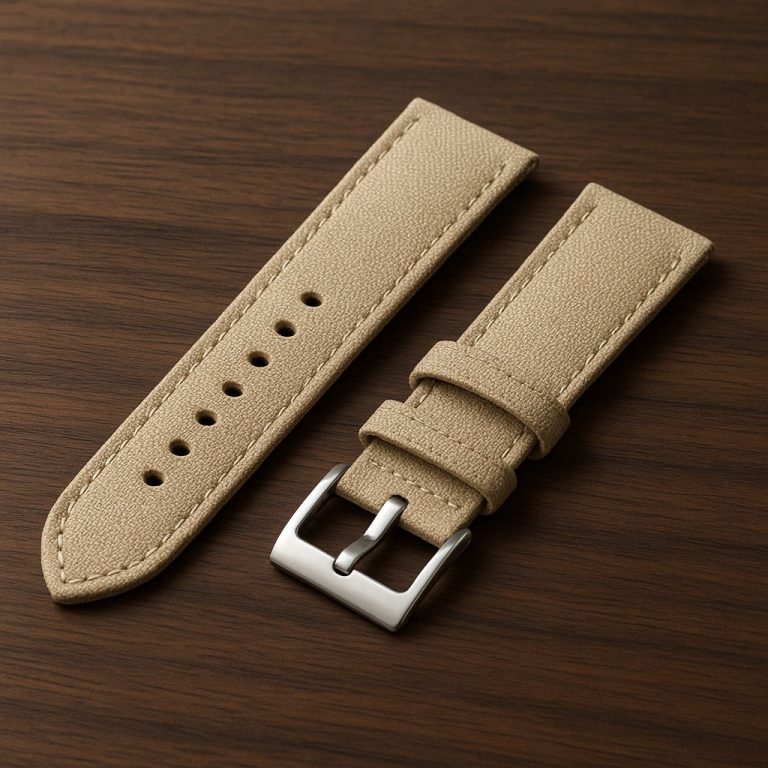
Leather is especially sensitive to moisture and repeated bending. The areas that bend the most—such as those near the lugs, around the buckle holes, or under the wrist—tend to soften and darken first. This happens as the leather’s fibers break down and absorb sweat and oils. If a leather band is worn tightly or is exposed to water (from washing hands or rain), softening accelerates. A practical step to slow this process is rotating between two bands and wiping the underside after heavy use.
Silicone Bands
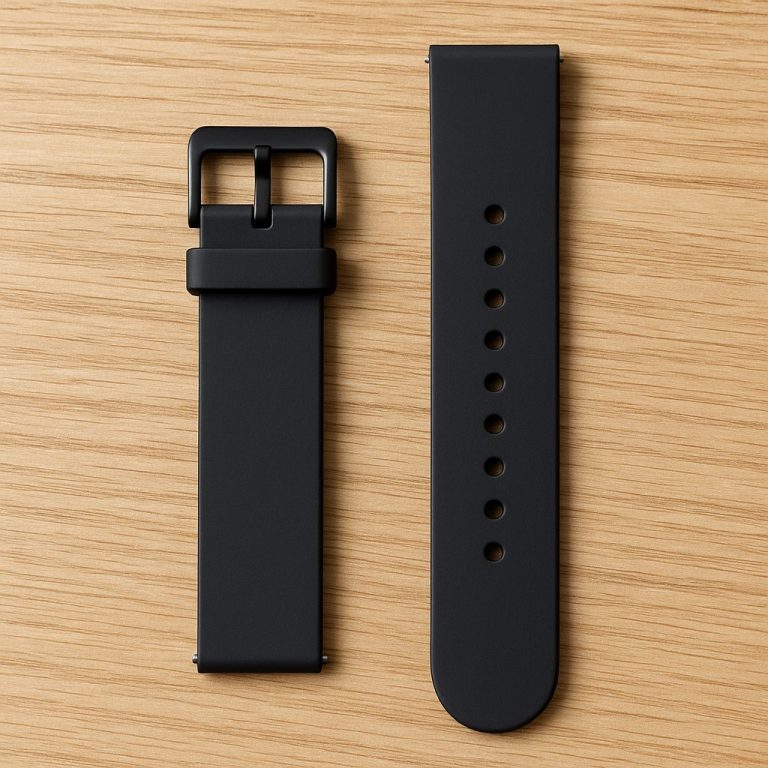
Silicone bands soften in spots that are frequently flexed or stretched, such as the section that tucks under the keeper or passes through the buckle. Heat and skin oils also affect silicone, causing gradual softening and, in some cases, stickiness. When a silicone band develops a distinctly softer feel near the holes or slots used for adjustment, it’s usually due to the constant stress and movement in those areas.
Fabric Bands (Nylon and Nylon Blends)
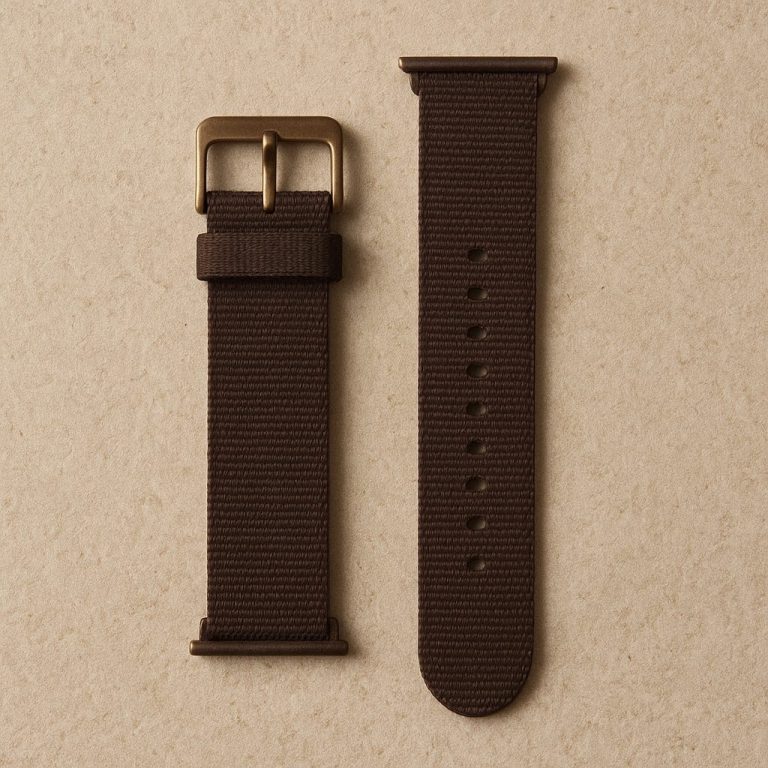
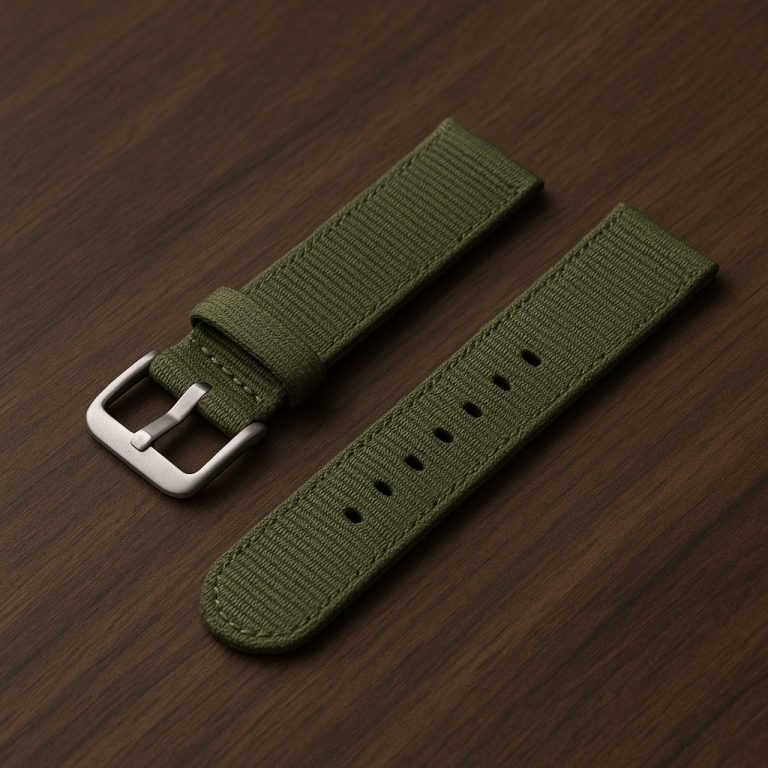
Most fabric watch bands are made from tightly woven nylon or nylon blends. These bands vary in weave density, thickness, and elasticity. Softening typically occurs in places where the fabric is repeatedly folded or pulled—such as near the buckle, under the wrist, or where the band slides through a keeper. Moisture from sweat or water can be absorbed unevenly, especially in looser weaves, leading to patches that feel softer or lose structural integrity. Over time, these areas may also fade or fray.
Metal Bands
Stainless steel is the most common material for metal watch bands due to its strength and resistance to corrosion. While metal does not soften in the traditional sense, small amounts of play or looseness can develop in the links closest to the clasp or lugs. This is the result of ongoing friction, dirt accumulation, and movement, which can wear down the pins or joints connecting the links. While not technically “softening,” this can create a similar sensation of increased flexibility or looseness in specific sections.
Band Design and Construction Details
A watch band’s design directly influences how wear is distributed. Bands with multiple segments, stitched reinforcements, or padding may develop soft spots where materials overlap or stitching ends. For example, a padded leather band often softens first at the edges where the padding meets the main strap, especially if the stitching becomes loose. Folded or stitched sections in fabric bands can also trap moisture, speeding up softening in those localized areas.
Attachment Mechanisms
The way a band attaches to the watch case (using lugs and either spring bars or quick-release pins) can create stress points. The constant movement and rotation where the band meets the lugs can cause the material in that area to break down faster. This is especially true for leather, silicone, and fabric bands, where the material wraps tightly around the attachment hardware and is subject to repeated flexing each time the watch is put on or removed.
Everyday Habits That Influence Wear Patterns
Certain daily activities can cause specific sections of a watch band to soften more quickly. For example, wearing a watch while working at a desk can put extra pressure on the underside of the band, especially if the wrist is frequently resting against a surface. Wearing a watch during exercise or in humid conditions increases exposure to sweat, which can accelerate softening in areas that absorb moisture. Even the habit of wearing the watch on the same wrist every day, or fastening the band at the same hole, can create localized stress points over time.
Signs It’s Time to Address Uneven Softening
If a watch band develops noticeably softer spots, it may start to feel less supportive or look uneven. In some cases, these areas can become prone to stretch, tear, or breakage, especially in leather, silicone, or fabric bands. For metal bands, increased looseness or rattling in specific links may indicate wear that could eventually lead to failure. Regular inspection and cleaning can help spot and address these issues before they affect the watch’s security or comfort.
Why Location Matters: Understanding Softening Patterns
Softening is rarely uniform because daily use, attachment points, and exposure all create unique wear patterns. Recognizing which sections of a watch band are vulnerable can help extend its lifespan and maintain comfort. Switching wrists, giving bands time to dry, or alternating between bands are practical ways to reduce uneven wear and keep a watch band in better condition over time.