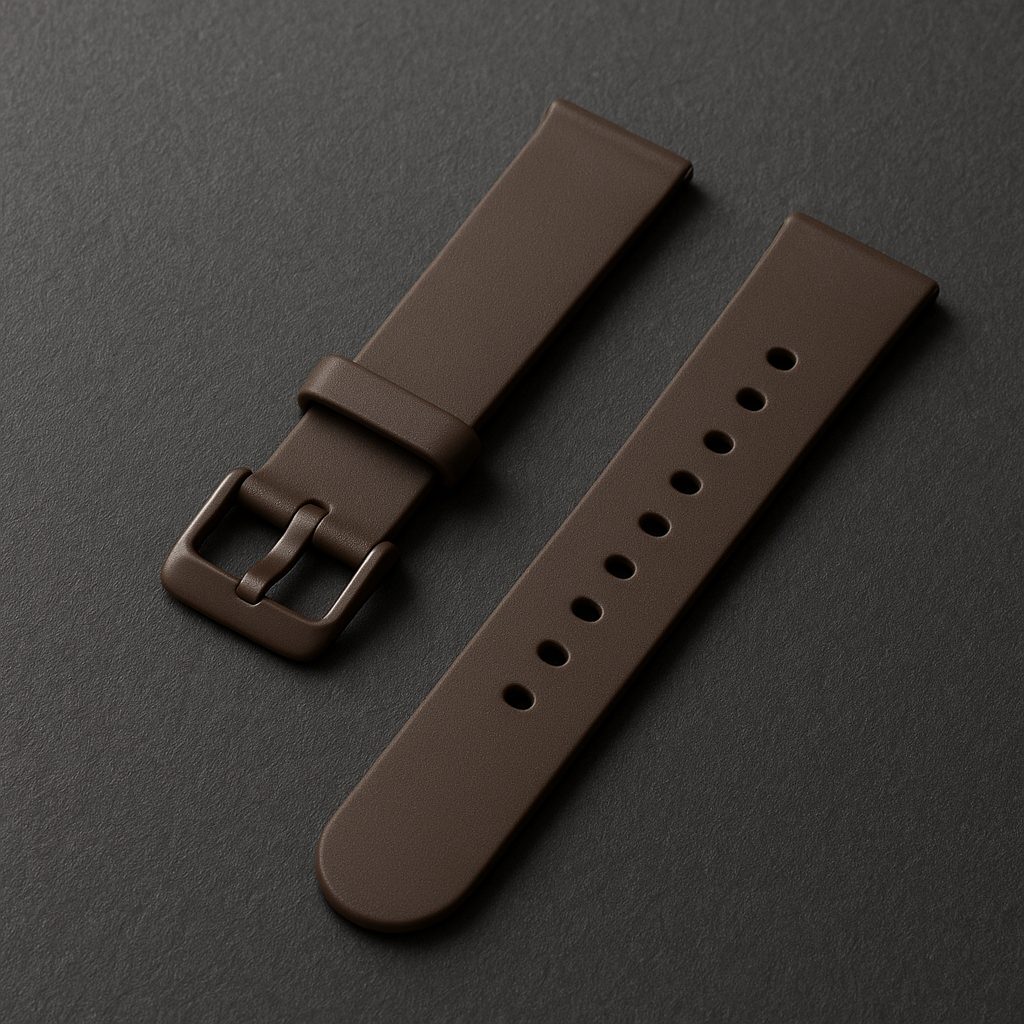
What causes some watch bands to feel more noticeable after sweating
Why Watch Bands Feel Different After Sweating
After exercising, walking in hot weather, or simply wearing a watch for several hours, the sensation of the watch band can become much more noticeable. Some people experience itchiness, stickiness, or even mild irritation where the band rests against the skin, especially after sweating. This change in comfort is not just about moisture—it depends heavily on the materials and construction of the band, as well as how sweat interacts with those materials.
How Sweat Affects Watch Bands
Sweat is mostly water, but it also contains salts, oils, and other compounds from the skin. When sweat gets trapped between the watch band and the skin, it alters the surface feel and can affect how the band sits against your wrist. Some bands begin to feel sticky, while others become rough or start to chafe. Several key factors influence this sensation:
- Material absorption: Some band materials soak up sweat, while others repel it.
- Moisture retention: Bands that hold onto moisture remain damp longer, which can prolong discomfort.
- Surface texture: Smooth or tightly woven surfaces interact differently with damp skin compared to rough or open weaves.
- Flexibility and movement: Stiff bands can rub more when skin is wet, while flexible bands may move with the skin and reduce friction.
Material-Specific Reactions to Sweat
The type of watch band material makes a significant difference in how noticeable it feels after sweating. Here’s a look at the most common categories:
| Band Material | Response to Sweat | Typical Sensation After Sweating |
|---|---|---|
| Metal (usually stainless steel) | Does not absorb sweat; surface remains slick or may develop a thin film of moisture | Cool, sometimes slippery; may cause pinching or sticking if moisture collects between links |
| Leather | Absorbs sweat readily; moisture can soften and deform the band | Becomes sticky, may cause itching or odor; can feel stiff after drying |
| Fabric (mostly nylon blends) | Varies with weave and thickness; some absorb sweat, others wick it away | Can feel damp or rough; open weaves may dry quickly, dense weaves may trap moisture |
| Silicone | Repels sweat; does not absorb moisture | May feel sticky against wet skin; can trap sweat underneath, sometimes leading to irritation |
Metal Bands
Most metal watch bands are made from stainless steel, prized for its resistance to corrosion and durability. Metal bands don’t absorb sweat, so the moisture remains on the skin or forms a thin film between the links and your wrist. This can make the band feel cool and slightly slippery, but if sweat or water gets trapped between the links, it may cause pinching or a sticky sensation as the band moves. People with sensitive skin may also notice temporary redness or marks if the metal sits against damp skin for long periods.
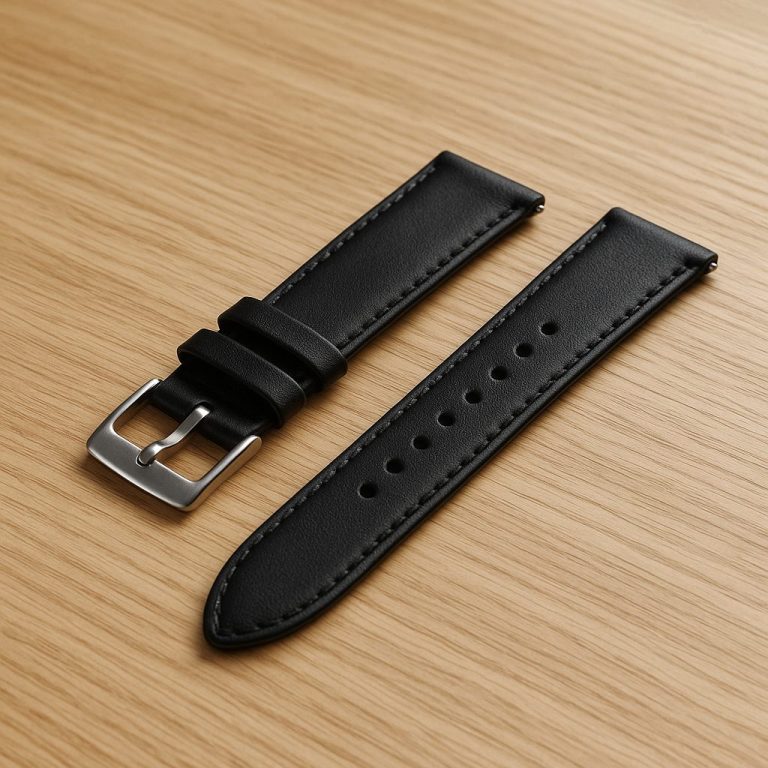
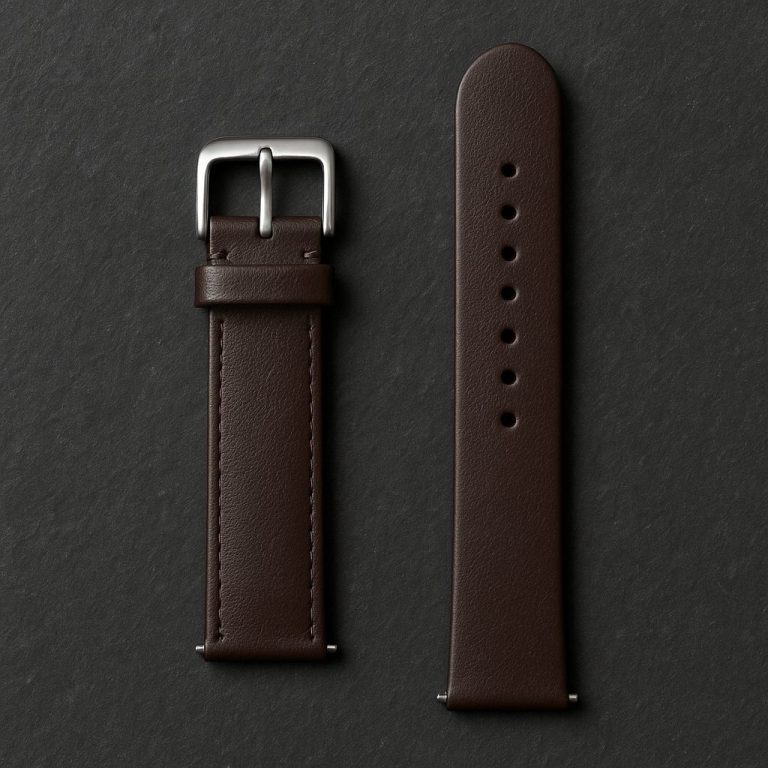
Leather Bands
Leather is highly absorbent, soaking up sweat quickly. As the leather becomes saturated, it can feel sticky or soft, and may stretch or deform if exposed to moisture repeatedly. When the sweat dries, salts and oils can remain in the leather, causing stiffness, discoloration, or even a musty odor. Wearing a leather band during intense activity or in hot weather often leads to a more noticeable, sometimes uncomfortable, sensation against the skin. Over time, repeated exposure to sweat can damage the band and make it less comfortable.
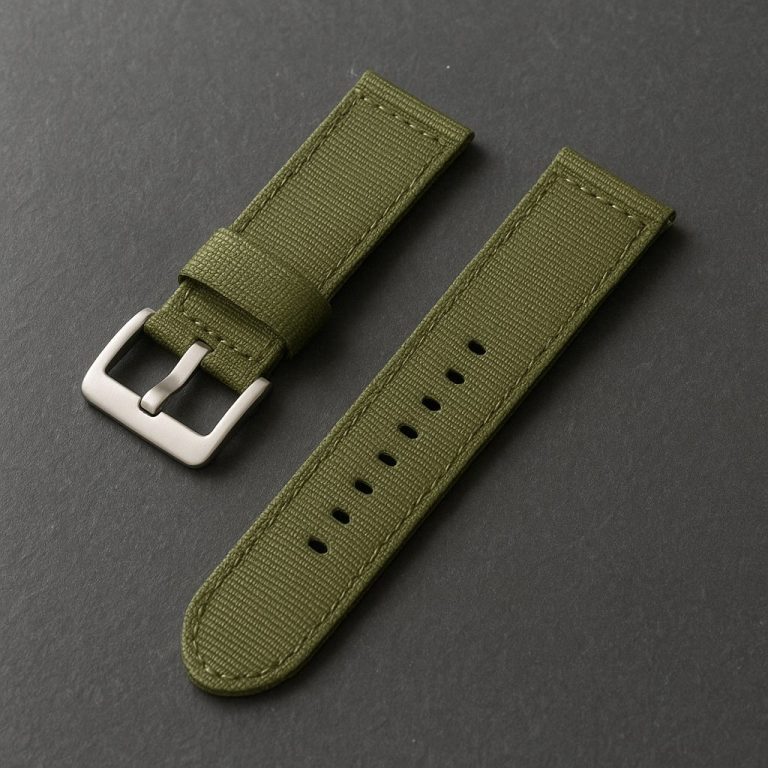
Fabric Bands
Most fabric watch bands are woven from nylon or nylon blends, with considerable variation in weave density, thickness, and texture. A tightly woven, thicker nylon band may hold onto moisture and feel damp longer, leading to a more pronounced sensation after sweating. In contrast, a loosely woven or thin nylon band may allow sweat to evaporate more quickly, reducing discomfort. Some fabric bands are designed to wick moisture away from the skin, but if the material becomes saturated, it can still feel rough or abrasive, especially if grit or salt from sweat remains in the fibers. Elasticity and flexibility also play a role: a stretchy nylon band might shift more with wrist movement, minimizing friction, while a stiff or coarse weave could increase rubbing on damp skin.
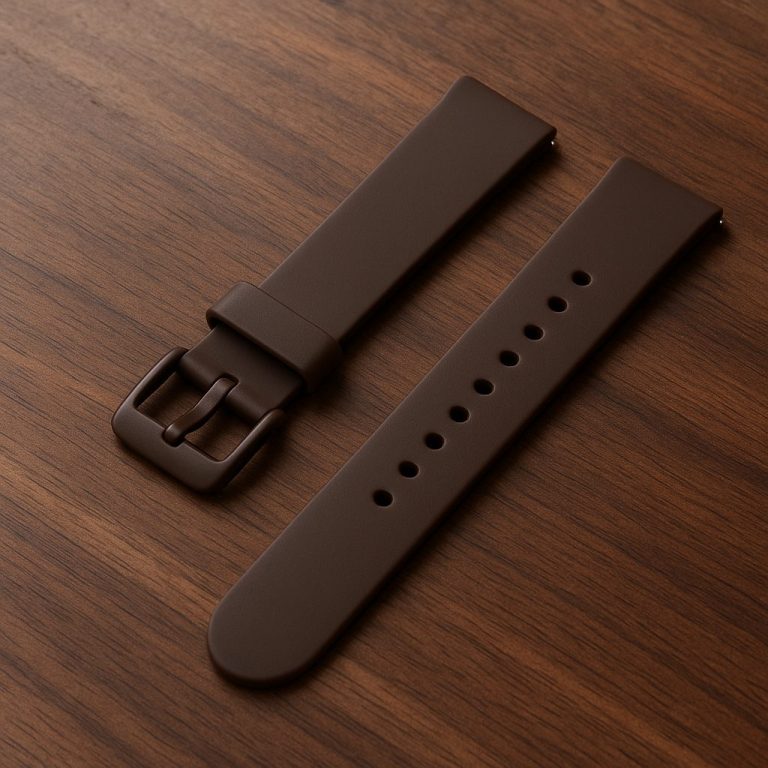
Silicone Bands
Silicone bands repel water and do not absorb sweat, but this can lead to a different kind of discomfort. When sweat has nowhere to go, it can become trapped between the band and the skin. This trapped moisture may cause the band to feel sticky, especially if it fits snugly or covers a large area of the wrist. Some people notice mild irritation or a rash if sweat and heat build up under the band for extended periods, particularly during intense activity. Bands with textured or vented surfaces can help reduce this effect by allowing some airflow and letting moisture escape more easily.
Other Factors That Affect Sensation
Besides the main material, several other characteristics determine how noticeable a watch band feels after sweating:
- Fit: A tight band restricts airflow and traps more sweat, increasing the feeling of dampness and stickiness. A looser fit may allow sweat to evaporate but can cause the band to shift, creating friction or chafing.
- Band surface: Smooth bands tend to stick more when wet, while textured or perforated bands may help reduce noticeable sensations by allowing air to circulate.
- Band width and thickness: Wider or thicker bands cover more skin, which can trap more sweat and make sensations more pronounced. Narrow bands provide less coverage but may concentrate pressure on a smaller area.
- Frequency of cleaning: Sweat residue can build up on bands, especially on fabric and leather. Regular cleaning helps minimize odor, stickiness, and irritation caused by accumulated salts and oils.
For example, a person who wears a thick, tightly woven nylon band during a run may notice more dampness and friction than someone wearing a thin, vented silicone band for the same activity. On the other hand, the silicone band could become stickier if worn tightly and not cleaned regularly.
Managing Discomfort from Watch Bands After Sweating
Applying this understanding can help minimize discomfort in daily life. For physical activity or hot environments, bands that wick moisture or allow more airflow—such as vented silicone or loosely woven nylon—tend to be less noticeable after sweating. If a leather or dense fabric band starts to feel sticky or itchy, allowing it to dry completely and wiping away sweat promptly can help. Regular cleaning, especially after exercise, reduces the buildup of sweat residues that make bands feel more pronounced. Adjusting the fit slightly looser during activity can also help sweat evaporate more efficiently, but avoid making the band so loose that it causes chafing or shifts excessively.
Why Awareness of Band Material Matters After Sweating
The noticeable sensation of a watch band after sweating is closely tied to the interaction between sweat, skin, and the band material. Understanding these reactions can help you choose a band that fits your activities and comfort preferences, or guide you in adjusting how and when you wear certain bands to reduce discomfort. Paying attention to the type of band, how it responds to moisture, and how often it is cleaned can make wearing a watch more comfortable, especially in situations where sweating is unavoidable.