Why some watch bands feel less secure during fast-paced days
Why Watches Sometimes Feel Less Secure on Hectic Days
During a busy day filled with commuting, frequent movement, or hands-on activities, some people notice their watch band feeling loose, shifting on the wrist, or even threatening to come undone. This sensation can lead to distraction or worry about losing the watch, especially when moving quickly or making repetitive motions.
Movement, Sweat, and Fast-Paced Routines
High activity levels put extra demands on a watch band. As arms swing, wrists flex, and the environment changes, several factors combine to affect how securely a watch sits on the wrist. Fast-paced days often involve:
- Frequent changes in wrist position
- Increased perspiration
- Quick removal and replacement of the watch
- Exposure to clothing that might snag or tug at the band
When these factors come into play, the design, material, and fastening method of the watch band play a significant role in how secure the watch feels.
Material Differences That Affect Security
Watch bands are made from a variety of materials, each with unique properties that can influence the feeling of security during a busy day. The most common categories are metal, leather, fabric (usually nylon or nylon blends), and silicone. Each material interacts differently with skin, sweat, and movement.
| Band Material | Common Security Issues in Fast-Paced Use |
|---|---|
| Metal | Can become loose if clasp isn’t fully engaged; rigid links may pinch or shift on narrow wrists |
| Leather | Stretching from sweat or repeated flexing; buckle holes may wear over time |
| Fabric (Nylon/Blends) | Absorbs sweat and may loosen slightly; some weaves stretch more than others |
| Silicone | Can become slick with sweat, causing slippage; some designs may unfasten if snagged |
Metal Bands: Secure but Sensitive to Fit
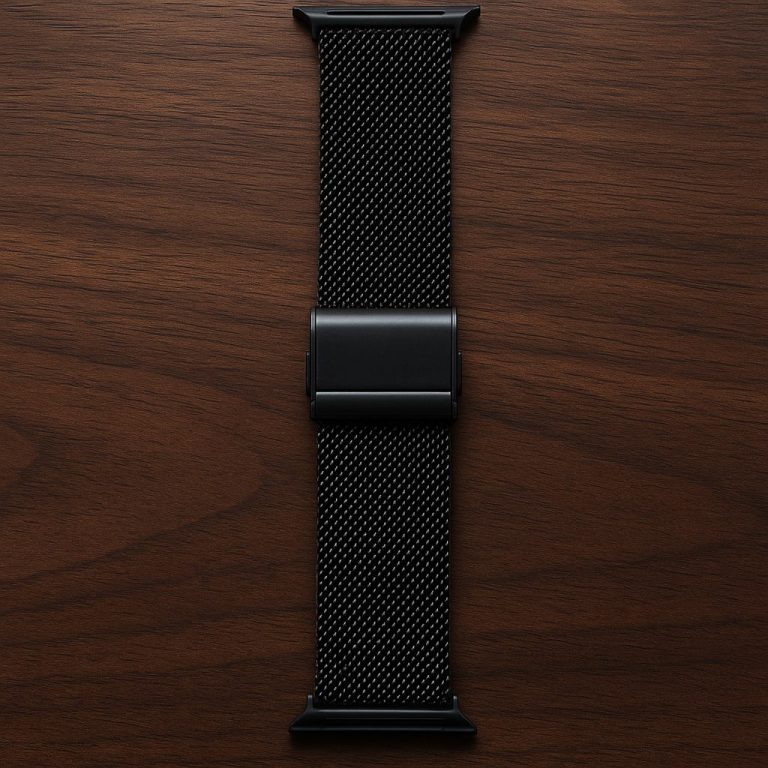
Most metal watch bands are made from stainless steel, known for its durability and corrosion resistance. Metal bracelets often rely on deployant clasps or fold-over clasps. If a clasp is not fully closed or if the locking mechanism wears out, the band can open unexpectedly during rapid movement. Additionally, metal links offer limited flexibility, so if the band is sized too loosely, the watch may slide around on the wrist, amplifying the feeling of insecurity.
A snug but not tight fit is important. If you notice the bracelet shifting or clicking during motion, it may signal that a link adjustment or a clasp inspection is needed.
Leather Bands: Comfort with Limitations
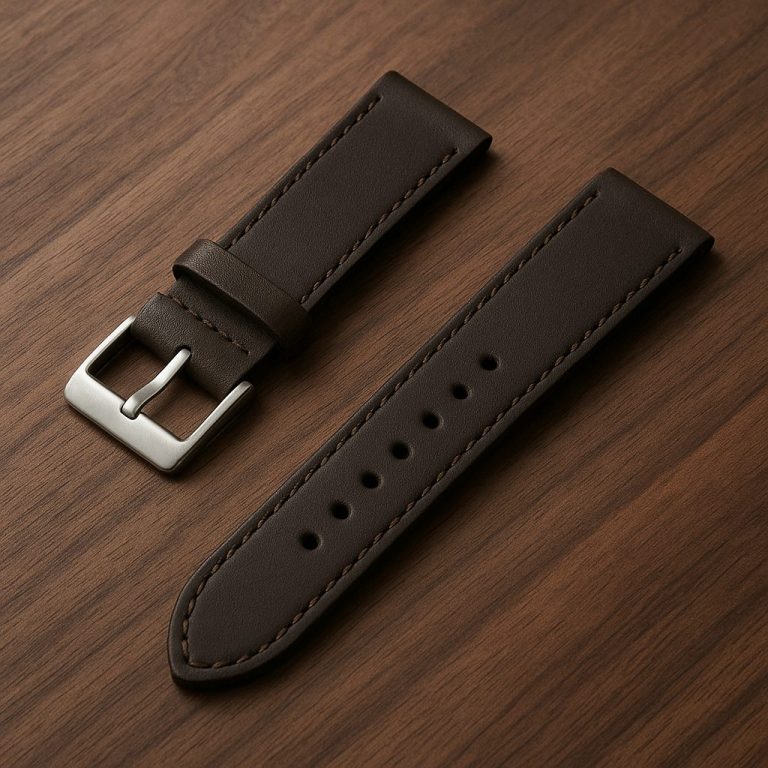
Leather bands use classic buckle closures with fixed holes. On fast-paced days, sweat and motion can soften the leather, causing it to stretch. Over time, buckle holes can enlarge or deform, making it harder to achieve a secure fit. If the fit is slightly off, the watch might rotate more than usual, especially as the leather becomes more pliable with heat and moisture.
Switching to a tighter hole may help, but overtightening can cause discomfort. If a leather band feels less secure, it’s often due to a gradual change in the leather’s shape or the condition of the buckle holes.
Fabric Bands: Variations in Security
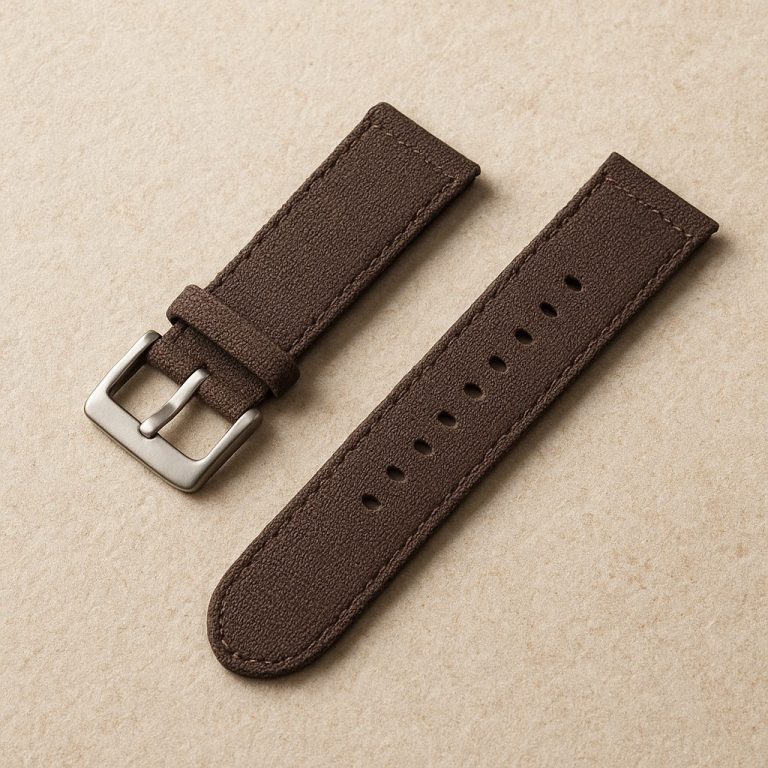
Most fabric bands are made from nylon or nylon blends. The weave density, thickness, and elasticity vary among different bands. Some are tightly woven and stiff, while others are thinner or have more stretch. During active movement, sweat can cause certain fabric bands to absorb moisture and loosen slightly. A loose weave or added elasticity may allow the band to stretch under tension, resulting in a shifting watch. Conversely, a denser, less elastic band is more likely to stay in place but may become uncomfortable if worn too tightly.
Hook-and-loop closures are common in fabric bands and can sometimes catch on clothing or come partially undone if not pressed down firmly. For fast-paced days, checking the closure and adjusting the fit before activity can improve security.
Silicone Bands: Flexible but Sometimes Slippery
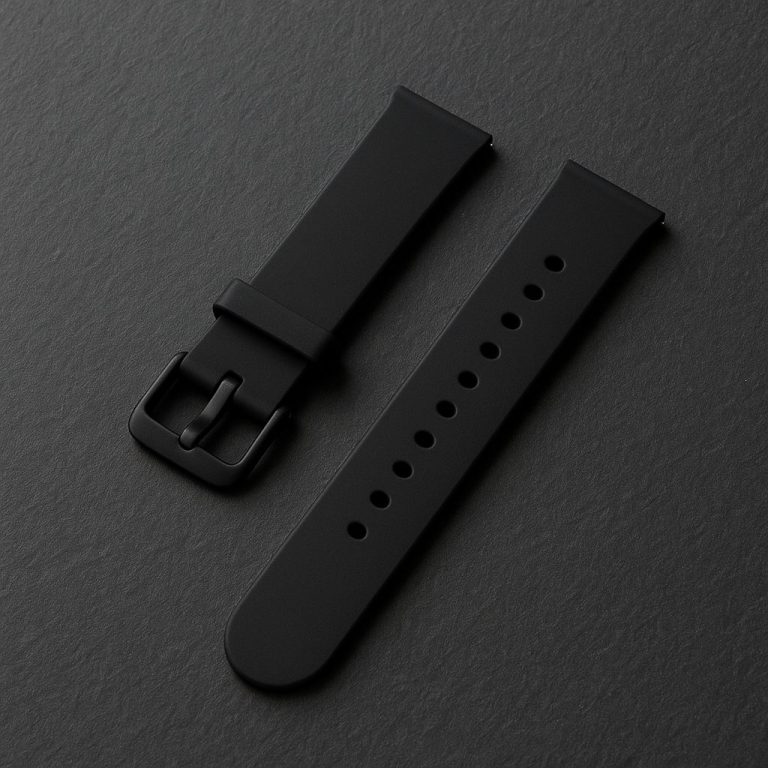
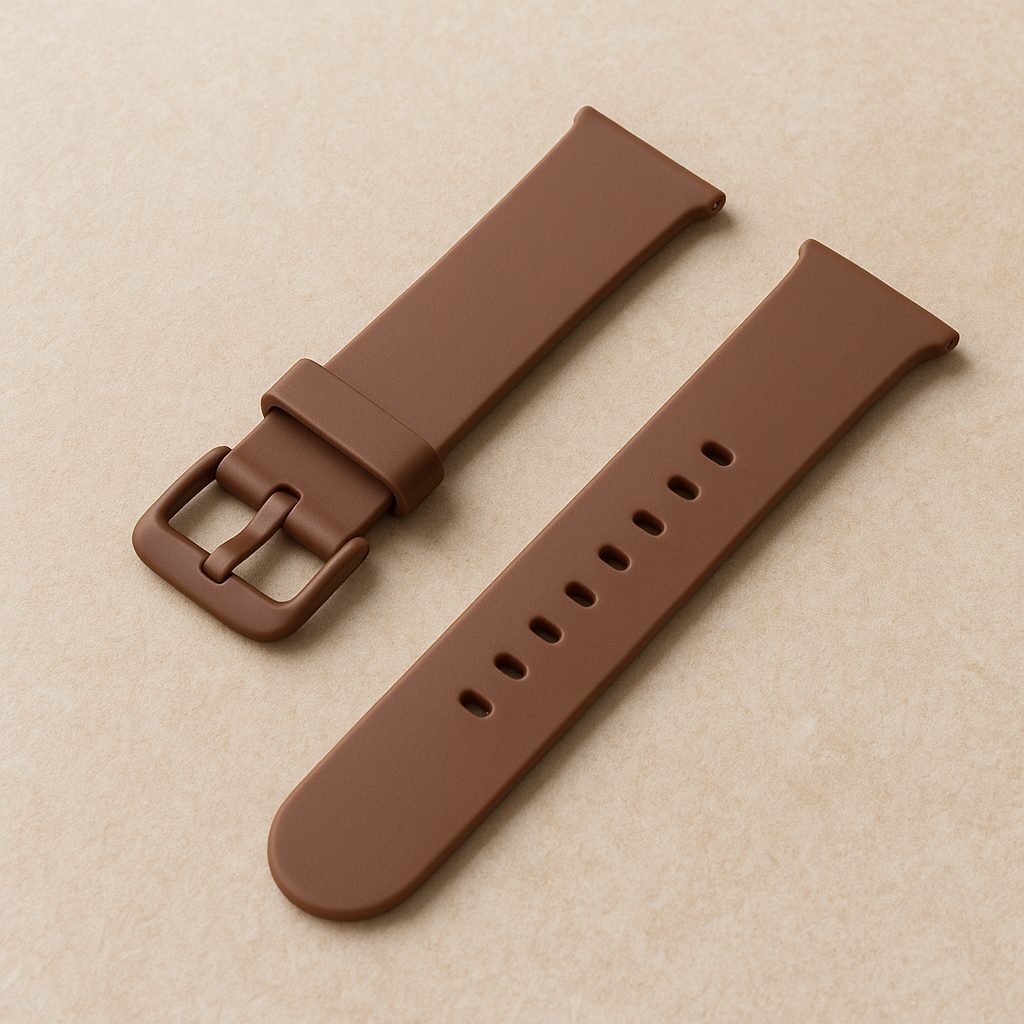
Silicone bands are popular for their flexibility and water resistance. On busy days with increased sweating, silicone can become slick, leading to the band sliding or shifting on the wrist. Some closure systems, such as pin-and-tuck or button styles, may be more prone to popping open if a sudden tug occurs or if the band catches on a sleeve or bag strap.
Opting for a slightly tighter fit can help, but care must be taken not to overtighten, as silicone does not breathe and can cause skin irritation. Periodically wiping the band and wrist can reduce slipping.
How Attachment Methods Influence Security
The way a band attaches to the watch case also affects perceived security, particularly during fast-paced activity. Bands typically connect using spring bars with fixed ends or quick-release pins. If these mechanisms are not properly seated, or if the spring bar is worn or bent, the band can detach unexpectedly. This is less about the material and more about the integrity of the connection.
Quick-release pins make changing bands easier, but if not fully engaged, they can pop out under stress. Checking that the attachment is secure after switching bands helps prevent accidental loss during active days.
Fit, Adjustment, and Real-World Examples
Even the best materials and attachments can feel insecure if the band is not properly adjusted. A slightly loose band can amplify movement, making the watch feel unstable. Conversely, a band that is too tight can become uncomfortable as the wrist swells with activity or heat.
For example, someone wearing a metal bracelet that feels perfect in the morning might notice increased shifting by midday if their wrist circumference changes. A fabric strap worn snugly for a run might feel loose after sweating, especially if the weave is more elastic. Checking the band fit at different times of day and during different activities can reveal patterns that lead to a more secure experience.
Practical Steps for a More Secure Watch Band
Fast-paced routines can test the limits of any watch band. Small adjustments based on material and design can significantly improve security:
- Inspect clasps and closures regularly for wear or improper engagement
- Reassess the fit after periods of high activity or temperature changes
- Clean sweat and debris from bands and wrists, especially with silicone or fabric
- Replace worn bands or attachments promptly if they show signs of stretching, fraying, or loosening
Choosing a band and attachment method suited to your daily routine can prevent distraction and reduce the risk of a lost or damaged watch during hectic days.
Understanding Why Security Changes with Activity
The feeling of insecurity in a watch band during fast-paced days often comes down to the interaction between material properties, fastening reliability, and the demands of your activities. By observing how your watch responds during movement and making thoughtful adjustments, you can achieve a more stable fit that keeps your watch secure, even through the busiest moments.