How different watch band surfaces interact with dry skin
How Watch Band Surfaces Affect Dry Skin During Everyday Wear
After hours at your desk, you notice your wrist feels itchy and tight under your watch. When you take off the band, you see dry, flaky patches where the band sits against your skin. This experience is common for those with dry skin, but the way different watch band surfaces interact with skin can make the problem better or worse. Understanding how various materials and textures affect dry skin can help you make more comfortable choices for daily wear.
Surface Texture and Skin Contact
The part of the watch band that rests directly against your skin influences moisture retention, friction, and irritation. Dry skin lacks natural oils, so it reacts more strongly to roughness, pressure, or surfaces that don’t allow airflow. Some band materials have smooth, sealed finishes, while others use woven or porous surfaces that interact differently with the skin.
Metal Watch Bands
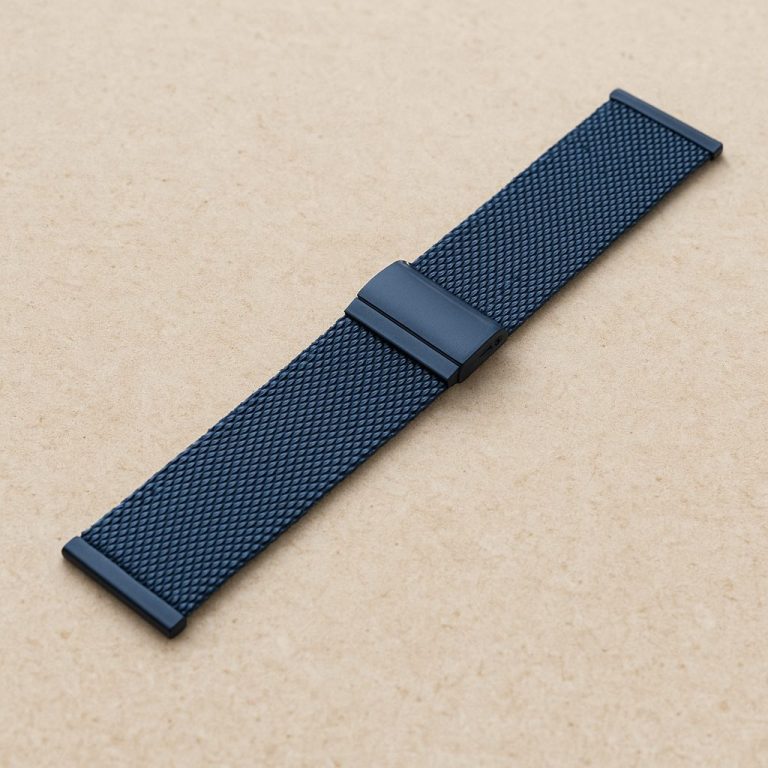
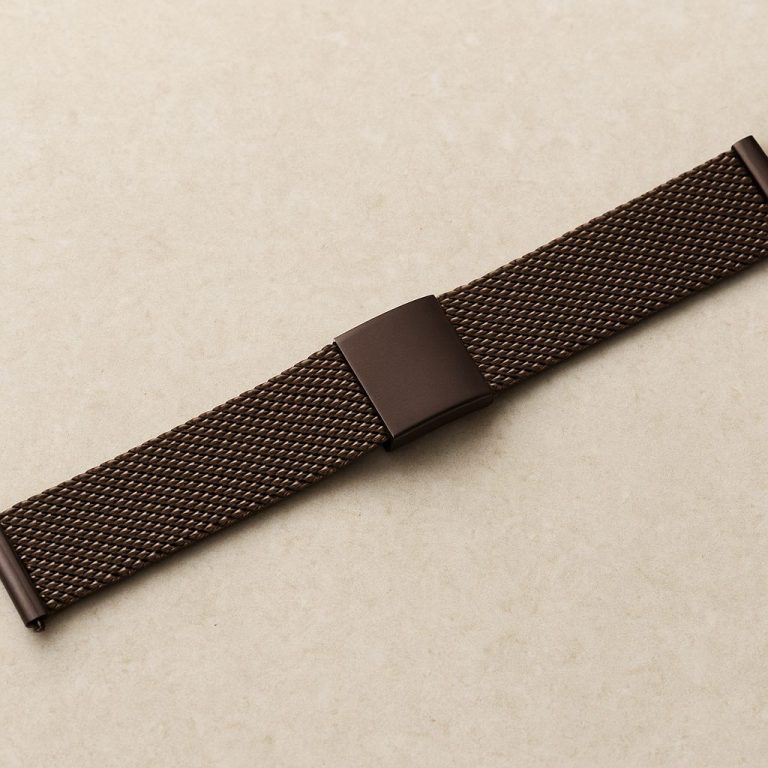
Most metal bands are made from stainless steel, chosen for its durability and resistance to corrosion. These bracelets are typically smooth to the touch, especially on the inside where they contact the wrist. However, metal links can have small gaps and edges, which may trap flakes of dry skin or create gentle rubbing as the band moves. This can occasionally worsen irritation for those with very sensitive or dry skin, especially if the band is worn loosely and shifts often.
Metal surfaces do not absorb moisture, so any sweat or skin oils remain on the surface until washed away. For people with dry skin, this means the band won’t draw out moisture, but it also won’t help retain any hydration at the skin’s surface. If the skin is already compromised, friction points at link edges or clasp mechanisms may cause localized redness or flaking.
Leather Watch Bands
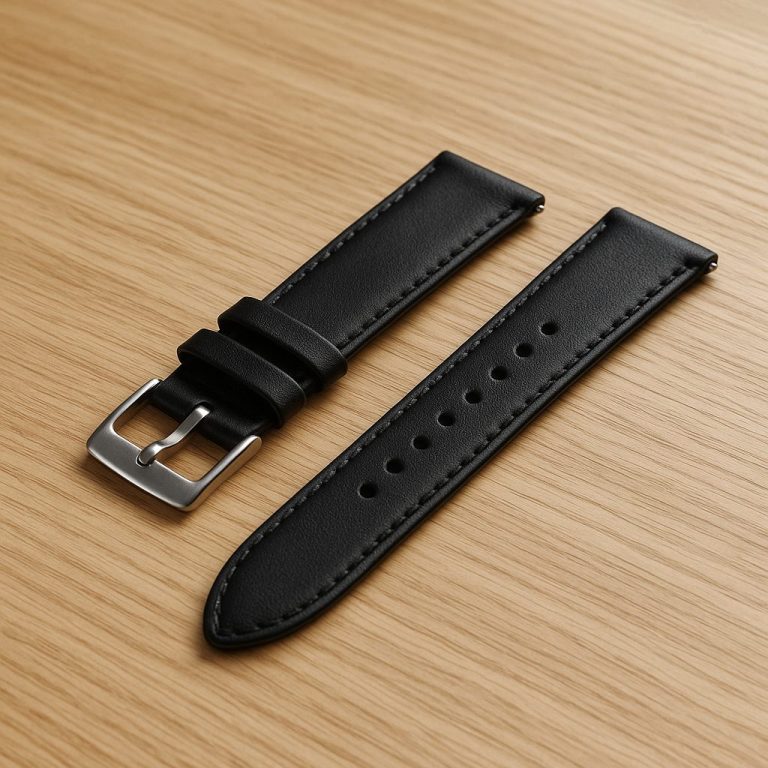
Leather bands are usually smooth and flexible, adapting to the wrist over time. They offer a softer touch than metal, but leather is naturally absorbent. On dry skin, a leather band can wick away any remaining moisture, sometimes making dryness worse. Over time, the skin may feel tight or become flaky under the band, especially in dry indoor environments.
Some leather bands have a textured or untreated surface, while others use a coated or polished finish. Coated leather tends to be less absorbent and gentler on dry skin, but can feel less breathable. Natural, untreated leather is more likely to draw moisture away from the skin, intensifying dryness if worn for long periods without a break.
Fabric Watch Bands
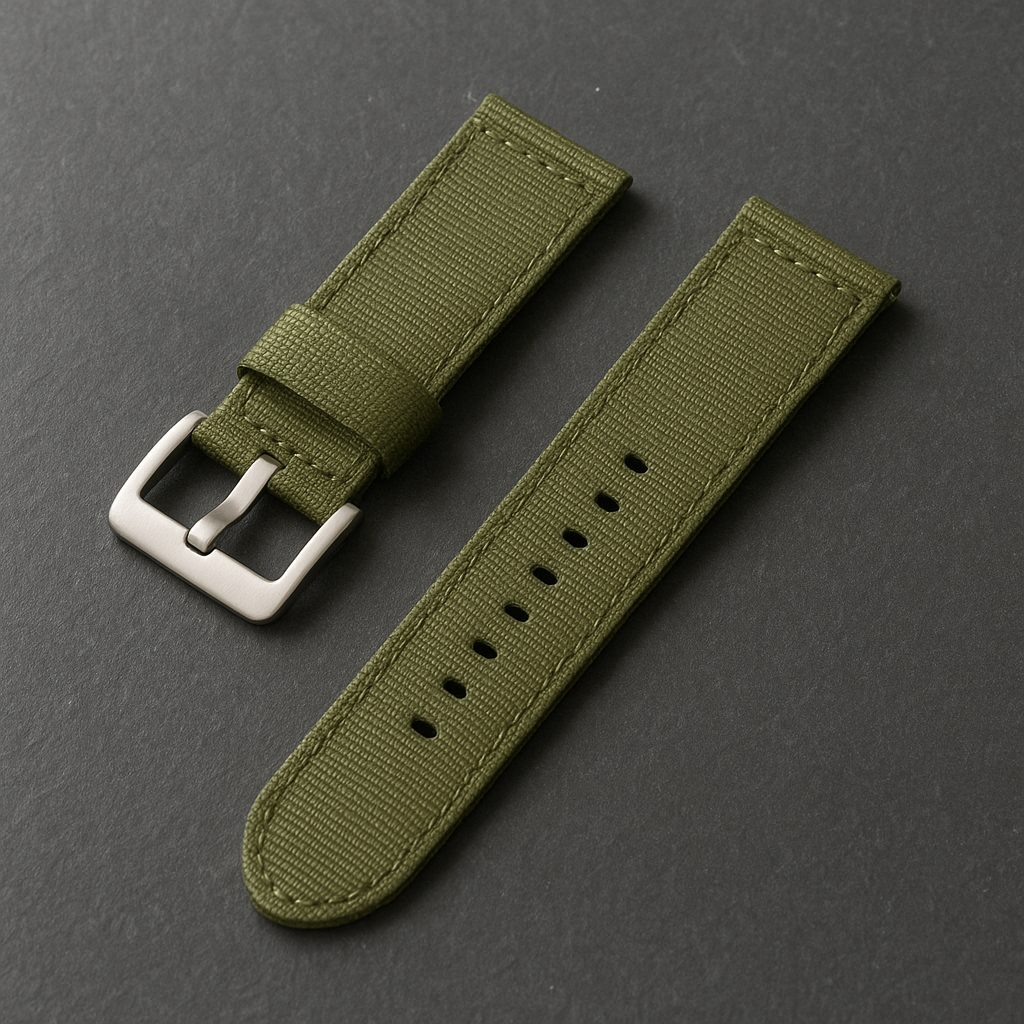
Most fabric bands are made from nylon or nylon blends, chosen for their lightness and flexibility. The weave density, thickness, and surface texture can vary widely. A tightly-woven, smooth nylon band tends to glide easily over the skin and causes less friction, while a coarser or thicker weave may feel scratchy or collect skin flakes.
Because fabric bands are porous, they absorb both sweat and skin oils. For those with dry skin, this can further deplete skin moisture, especially if the band is worn snugly. Bands with a stretchable or elastic section may increase friction if the skin is already rough or flaky. If you notice itching or redness, try rotating between a fabric band and another material, or choose a smoother, denser weave to reduce irritation.
Silicone Bands
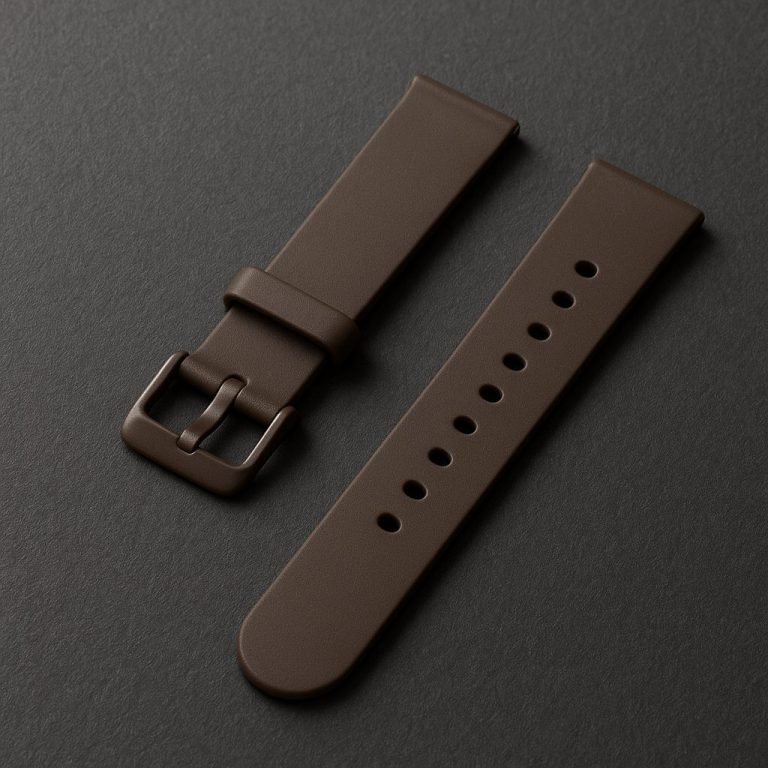
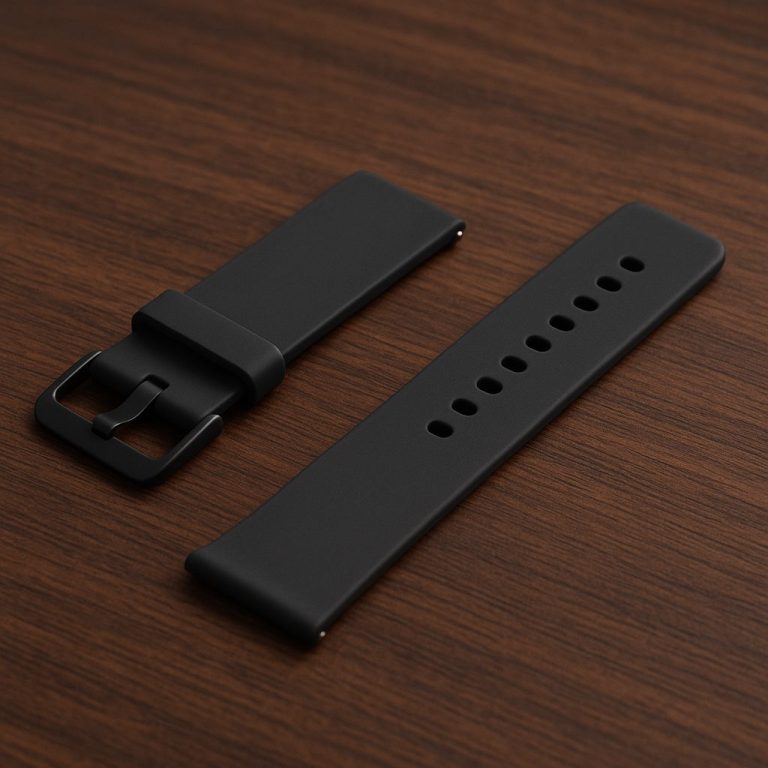
Silicone bands are made from a soft, flexible material that feels smooth and slightly rubbery to the touch. Their non-porous surface is gentle on dry skin, as it does not absorb moisture or oils. Silicone tends to create a seal against the skin, which can help prevent further drying by limiting exposure to air. However, if the band fits too tightly, sweat and heat may build up, which can make dry skin feel clammy or lead to additional discomfort.
Silicone bands are easy to clean, and their smoothness reduces the risk of mechanical irritation. For people with dry skin, a properly fitted silicone band is often the least likely to cause flaking or redness, provided it is not worn so snugly that it traps moisture against the skin for extended periods.
Comparison Table: Watch Band Surfaces and Dry Skin
| Band Material | Surface Feel | Moisture Interaction | Effect on Dry Skin |
|---|---|---|---|
| Metal (Stainless Steel) | Smooth, cool, some edges at links | Non-absorbent | May cause irritation at friction points |
| Leather | Soft, flexible, sometimes textured | Absorbs moisture and oils | Can increase dryness, especially uncoated types |
| Fabric (Nylon/Nylon Blend) | Varies: smooth to coarse, porous | Absorbs moisture | May worsen dryness, especially rough weaves |
| Silicone | Smooth, soft, flexible | Non-absorbent, creates mild seal | Generally gentle, may trap heat if overly tight |
Surface Details: Texture and Weave Matter
It’s not just the material but the specific surface texture that affects dry skin. For example, a thick, loosely woven nylon band can feel abrasive and catch on flaky skin, while a thin, tightly woven option may glide more smoothly. Leather with a pebbled or unfinished outer surface can cause more friction than smooth, polished leather. The inside of the band, where it meets the skin, is particularly important—bands with stitching, seams, or cut edges on the underside can aggravate dry patches.
Metal bracelets with solid, rounded links are less likely to pinch or rub than styles with sharper edges or intricate designs. Similarly, silicone bands with a matte finish may feel softer than those with a glossy or textured pattern. If you notice increased irritation or flaking, examining the underside of your band may reveal rough spots or seams that contribute to the problem.
Minimizing Skin Discomfort from Watch Bands
For those with dry skin, small adjustments can reduce discomfort:
- Choose bands with the smoothest possible surface on the skin side.
- Avoid overly tight bands, which can trap sweat or increase friction.
- Clean bands regularly to remove skin flakes and prevent buildup.
- Alternate between materials to allow skin to recover.
- Apply a moisturizer to the wrist before putting on the watch, but let it absorb fully to avoid residue on the band.
Choosing Band Surfaces for Sensitive, Dry Skin
Dry skin reacts most to surface friction and moisture loss. Bands with smooth, non-absorbent surfaces—such as silicone or certain polished metal bracelets—are generally gentler, provided they fit comfortably. Leather and fabric bands, especially those with a rough or absorbent underside, can increase dryness or catch on flaky areas. Paying close attention to the surface that contacts your skin, and making small adjustments to fit and cleaning routine, can reduce irritation and keep your wrist comfortable throughout the day.