Why some watch bands attract dust more than others
Why Dust Sticks to Some Watch Bands More Than Others
A wearer may notice after a day’s use that certain watch bands look dirtier than others—even after only a few hours, there can be a visible layer of dust clinging to the band, especially on lighter-colored or matte surfaces. This difference in dust attraction can be surprising and often leads to frustration when some bands seem nearly impossible to keep clean.
Material Matters: Surface Properties and Static Electricity
The main reason some watch bands attract dust more than others comes down to the material’s surface properties and how it interacts with its environment. The type of material, its texture, and how it holds static charge all influence how much dust sticks to the band throughout the day.
Silicone Bands: Static and Stickiness
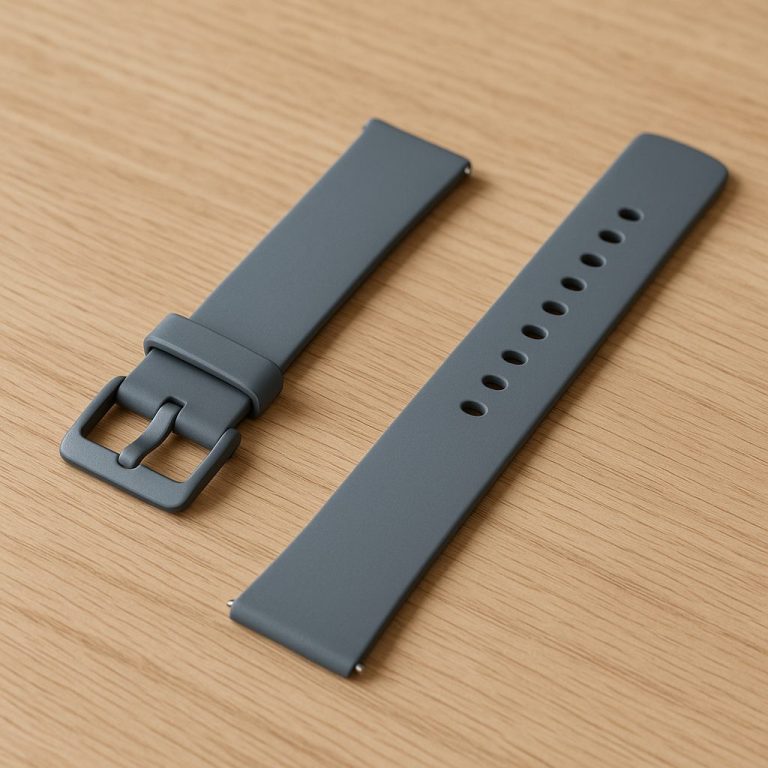
Silicone bands are popular for their flexibility and water resistance, but they are also well known for attracting dust, lint, and pet hair. This happens for a few reasons:
- Static charge: Silicone tends to build up static electricity through friction with clothing or skin. This static acts like a magnet for dust and small fibers in the air or from clothing.
- Surface texture: Silicone is slightly tacky or grippy to the touch, which means dust particles that land on the surface are more likely to stick rather than brush off.
- Matte finishes: Many silicone bands have a matte or soft-touch finish, making dust more visible and harder to remove with a simple wipe.
For those who wear silicone bands, regularly rinsing the band under water and drying it with a lint-free cloth helps minimize buildup. However, the tendency to attract dust is a characteristic of the material itself, not a flaw in manufacturing.
Leather Bands: Porous but Less Static
Leather bands, whether genuine or synthetic, usually don’t attract dust as aggressively as silicone. Leather is less prone to static buildup. However, its porous surface and natural texture can allow dust to settle into small crevices or grain patterns, especially if the leather is untreated or textured. Over time, dust can work its way into the pores, which may require occasional cleaning with a damp cloth or a specialized leather cleaner to keep the band looking its best.
Fabric Bands: Weave Density and Texture
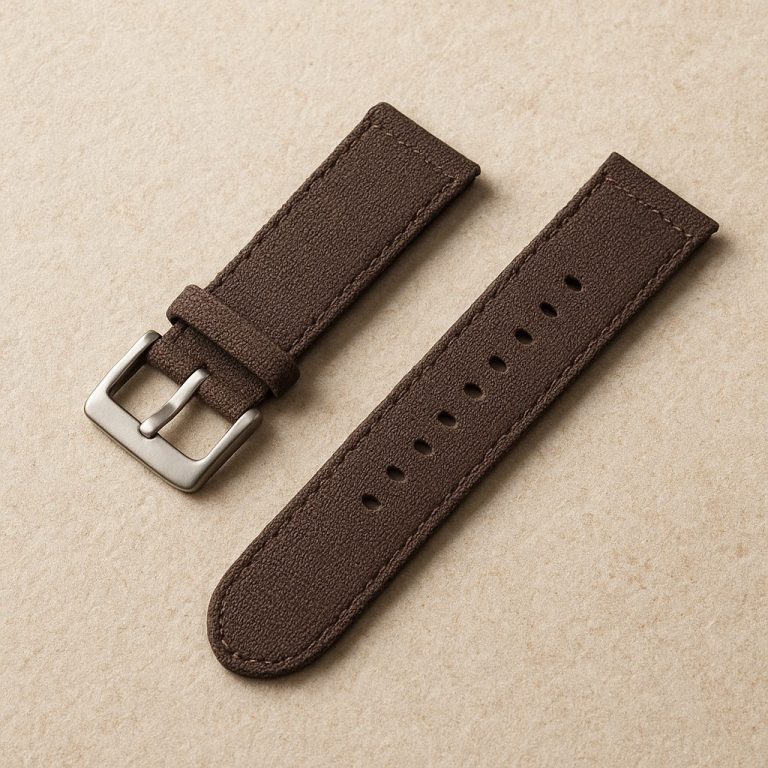
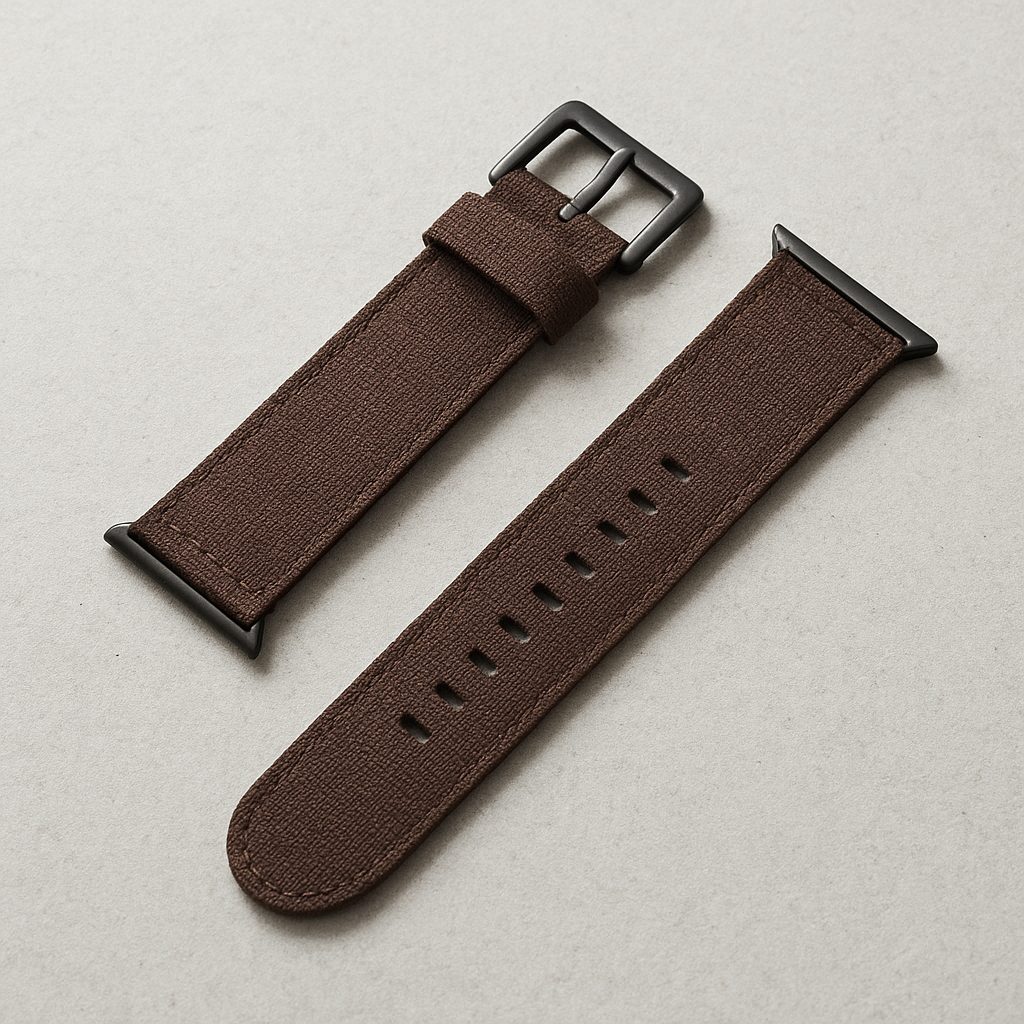
Most fabric watch bands are made from nylon or nylon blends, and the way they attract or retain dust depends on the weave and surface texture. Bands with a looser or more open weave, or those that are fuzzy or elastic, tend to trap more dust and lint in their fibers. A tightly woven, smooth nylon band will shed dust more easily and look cleaner for longer. For example, a thin, smooth nylon strap typically collects less dust than a thick, stretchy, or brushed-finish fabric band. Gentle washing in mild soap and water usually removes most dust from fabric bands.
Metal Bracelets: Smooth Surfaces and Dust Resistance
Metal bands, especially those made from stainless steel, are generally the least likely to attract dust. Stainless steel’s smooth, hard surface and lack of static buildup make it difficult for dust to cling. Any dust that does settle on a metal bracelet is usually brushed off naturally or wiped away easily. However, dust can still collect between the links if the bracelet is made up of many small, articulated pieces. Regular cleaning with a soft brush can help keep these areas free of buildup.
How Finish and Color Affect Dust Visibility
Even within the same material, the finish and color of the band play a role in how obvious dust appears. Matte, textured, or light-colored bands make dust more visible, while glossy or dark bands can hide minor dust accumulation. For example, a black silicone band with a smooth, shiny finish may appear cleaner longer than a white or light gray band with a matte texture, even if the same amount of dust is present.
Quick Comparison of Watch Band Materials
| Material | Typical Dust Attraction | Why? | Cleaning Ease |
|---|---|---|---|
| Silicone | High | Static, tacky surface | Easy, but frequent |
| Leather | Moderate | Porous, textured | Moderate |
| Fabric (Nylon) | Varies | Weave density, texture | Easy (hand wash) |
| Metal (Stainless Steel) | Low | Smooth, no static | Easy |
Environmental and Personal Factors
The surrounding environment can also influence how much dust accumulates on a watch band. Dry air, high static environments, or workplaces with lots of fabric particles can make dust buildup worse, especially for silicone bands. Contact with clothing—especially sweaters, fleece, or towels—can leave behind fibers and increase static charge. Washing hands frequently or working in humid conditions may reduce static and help keep bands cleaner, especially silicone and fabric types.
Choosing and Maintaining a Low-Dust Watch Band
Understanding how different materials interact with dust can help in daily care or when selecting a replacement band. For those who dislike visible dust, a metal bracelet or a smooth, densely woven nylon strap will generally stay cleaner with less effort. Regular gentle cleaning, avoiding highly static environments, and choosing less textured finishes can all help minimize dust attraction. Taking these factors into account makes it easier to keep a watch band looking fresh, regardless of the material.