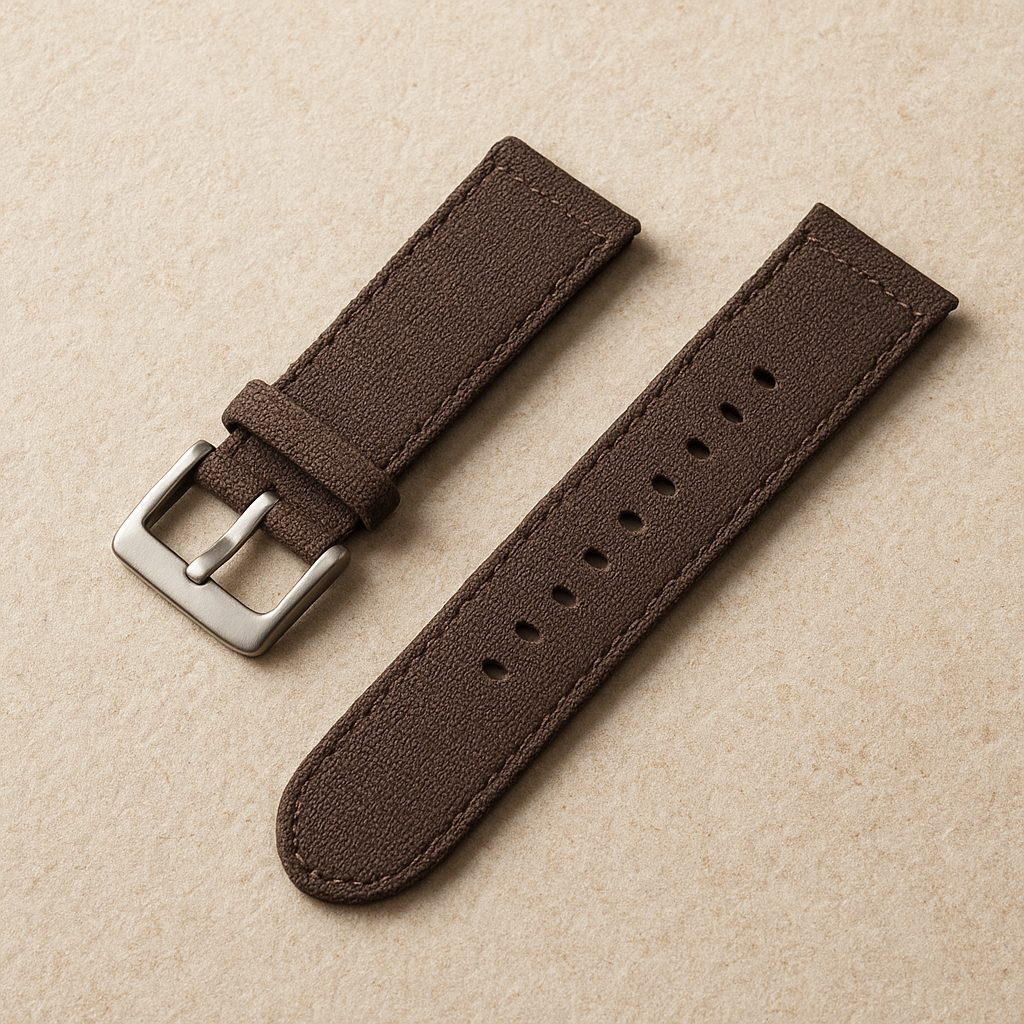
What happens when a watch band is worn too close to the wrist bone
When a Watch Band Sits Directly Against the Wrist Bone
After wearing a watch throughout a busy day, some notice a persistent ache or redness on the outside of the wrist—right where the watch band hugs closely to the hard, bony bump known as the wrist bone. This situation often arises when the band is adjusted so that it sits directly over this bone, rather than slightly above or below it. Over time, this placement can lead to discomfort, marks on the skin, or even more persistent irritation, especially with heavier or less flexible bands.
What Is the Wrist Bone and Why Does Placement Matter?
The “wrist bone” most people refer to is the prominent end of the ulna or radius where they meet the hand, often felt as a noticeable protrusion on the thumb or pinky side. This area is more exposed and has relatively little soft tissue cushioning. Placing a watch band tightly over this bone means that any pressure, movement, or weight from the watch is transferred directly to this sensitive spot.
When walking, typing, or moving the wrist, the band and watch case can press repeatedly against the bone. The discomfort becomes more pronounced during repetitive motions or when the band is worn for extended periods. Even a well-fitted watch can cause issues if it sits directly against the bone instead of resting comfortably on the flatter, fleshier part of the forearm.
How Different Watch Band Materials Affect Bone Proximity
Watch bands come in various materials, each with unique properties that influence comfort and pressure distribution when worn near the wrist bone.
| Material | Typical Comfort When Worn on Wrist Bone | Potential Issues |
|---|---|---|
| Metal (stainless steel is most common) | Rigid, limited flexibility | Can pinch or dig into bone, especially with heavier bracelets |
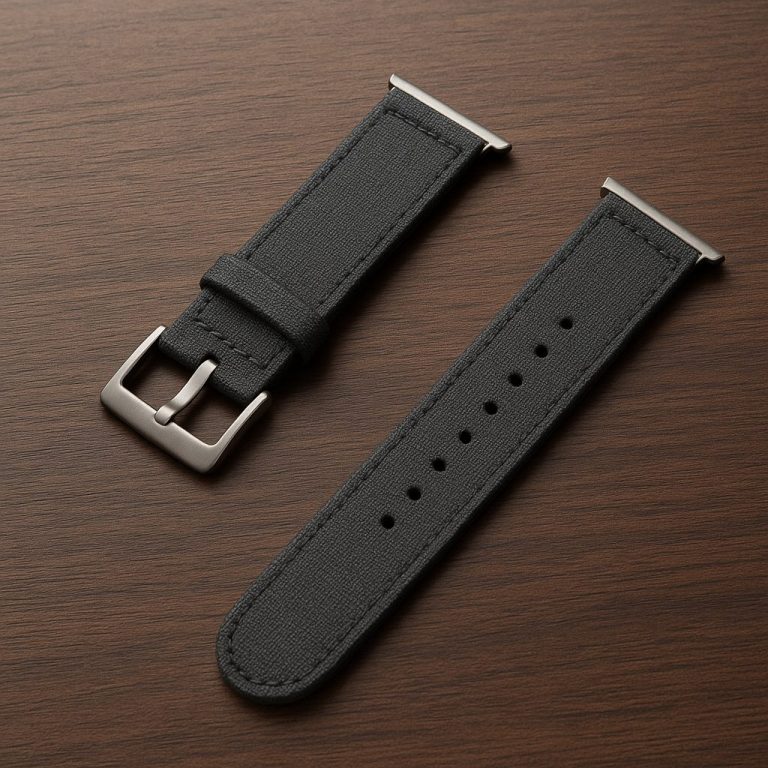
| Leather | Moderately flexible, conforms over time | May press into bone, especially when new or stiff; less padding |
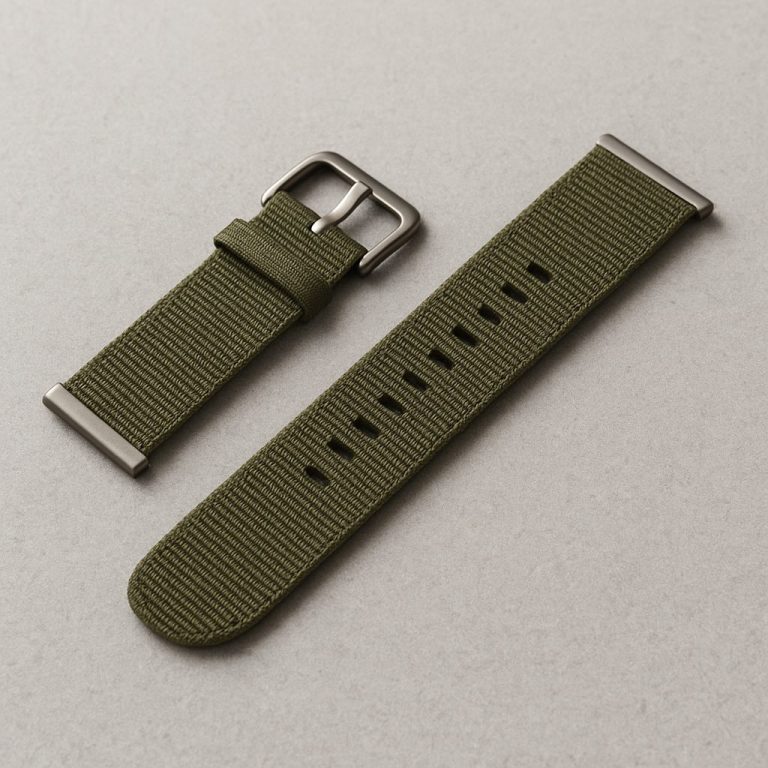
| Fabric (often nylon or blends; varies by weave and thickness) | Generally softer, more adaptable | Thin or dense weaves may offer less cushioning; can chafe if tight |
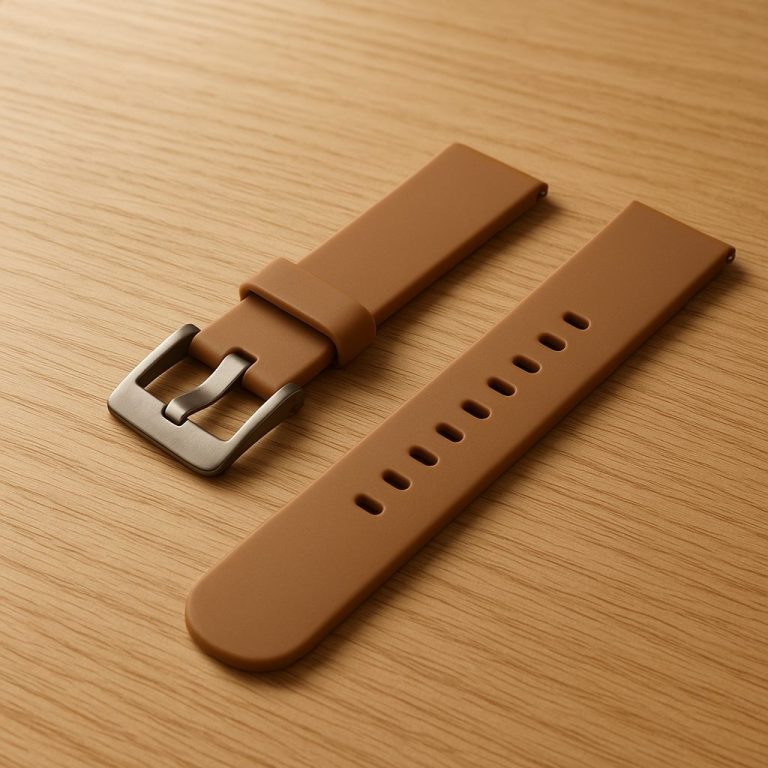
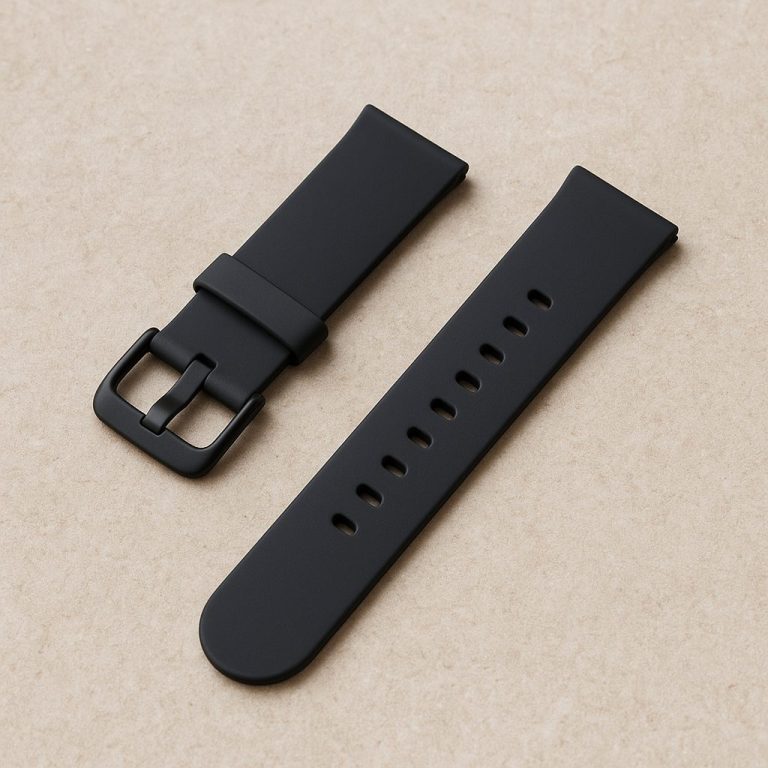
| Silicone | Flexible, slightly cushioned | May trap moisture, but usually reduces direct pressure on bone |
For example, a heavy stainless steel bracelet may feel especially uncomfortable if it’s adjusted to sit tightly over the wrist bone, leading to pressure marks or even bruising. In contrast, a silicone band, while generally more forgiving, might still cause soreness if worn tight and directly over the bone, though its flexibility helps diffuse pressure. Fabric bands, particularly those made from tightly woven or thick nylon, can feel soft at first but may still irritate the area if there’s little padding or if the band is drawn snug.
Potential Problems from Wearing a Watch Band Too Close to the Wrist Bone
Consistently positioning a watch band on or very near the wrist bone can result in several noticeable issues:
- Discomfort and Soreness: Constant pressure on the bone can cause tenderness, aching, or even pain, especially with rigid materials or tight bands.
- Skin Irritation: Friction between the band and skin over the hard bone may lead to redness, chafing, or indentation marks. Moisture trapped under the band, particularly with silicone or leather, can worsen irritation.
- Restricted Movement: A tightly placed band over the wrist bone can limit wrist flexion and extension. Movements like typing or lifting may feel more awkward or uncomfortable.
- Pressure Points and Bruising: Metal bands with inflexible links or thick clasps can create concentrated pressure, sometimes resulting in bruising or numbness if worn for long periods on the bone.
- Accelerated Wear on Band: When a band frequently rubs against the hard edge of the bone, it may show signs of wear—creases in leather, fraying in fabric, or scratches on metal links.
A practical example: If a nylon strap is worn snugly across the wrist bone during a long hike, movement and sweat can combine with friction, leading to a sore spot or even a small blister by the end of the day.
Why Watch Band Fit Matters for Bone Health
The fit of a watch band is crucial for both comfort and long-term wearability. Bands that are too tight over the wrist bone increase pressure, while those that are too loose may slide back onto the bone during movement. The ideal position is just behind the wrist bone—closer to the forearm—where there’s more muscle and fat to cushion the band. This reduces direct bone contact and helps distribute any pressure from the watch case more evenly.
Adjustability also plays a role. Some metal bracelets offer micro-adjustments, while many fabric and leather options have multiple holes or hook-and-loop fasteners. Choosing a position that keeps the band securely on the fleshier part of the wrist can make a noticeable difference in daily comfort.
Material Characteristics and Their Impact on Comfort Near the Wrist Bone
Each watch band material behaves differently when worn near the wrist bone:
- Metal: Metal bracelets, especially those made from stainless steel, are valued for durability and resistance to corrosion. However, they are the least forgiving if the fit is wrong. The clasp or link edges may press sharply into the bone. Adjusting the bracelet to rest above or below the bone, and using available micro-adjustments, can help.
- Leather: Leather bands soften over time but may start out stiff. If worn tightly on the bone, they can create pressure points until they break in. Choosing a leather band with some padding or lining can provide a little extra cushioning.
- Fabric: Most fabric bands use nylon or a nylon blend, with differences in weave density, thickness, and stretch. A thick, tightly woven nylon band can offer some padding, while thin or dense options may feel sharper against the bone. Some fabric bands add a soft lining or have slightly elastic properties for comfort.
- Silicone: Silicone bands are flexible and usually distribute pressure better than metal or leather. However, if worn very tight, they can still press uncomfortably on the bone, especially during swelling from heat or activity. Moisture under the band may also contribute to irritation.
Practical Adjustment: Moving the Band Away from the Bone
To avoid problems, the band should be adjusted so the watch case sits just above or below the wrist bone, typically closer to the forearm. This placement helps the band rest on softer tissue and reduces direct contact with the bone. For those who switch between activities—like typing at a desk and exercising—a slightly looser adjustment may allow the band to move naturally without riding up onto the wrist bone.
If a band offers limited adjustability, such as a metal bracelet with few removable links, adding or removing a link or using a clasp with incremental settings can fine-tune the fit. For silicone, leather, or fabric bands, selecting the correct hole or loop for the buckle can achieve a comfortable position. Those with particularly pronounced wrist bones may find that bands with some stretch or extra padding offer greater relief from pressure.
Long-Term Considerations When Wearing a Watch Close to the Wrist Bone
Occasional discomfort from a watch band worn on the wrist bone may resolve quickly, but prolonged pressure can lead to persistent soreness or even minor nerve irritation in sensitive individuals. Anyone experiencing numbness, ongoing pain, or visible skin changes should consider adjusting their band or consulting a healthcare professional, especially if symptoms persist.
Paying attention to how your watch feels during everyday activities can help identify when an adjustment is needed. If you notice marks or soreness at the end of the day, it may be a sign to move the band slightly up the forearm or loosen it by one notch.
Reducing Discomfort by Adjusting Placement
Wearing a watch band too close or tightly over the wrist bone often leads to avoidable discomfort, regardless of the band’s material. Adjusting the band so it sits just above or below the bone, taking advantage of available fit options, and paying attention to how different materials interact with your wrist can all help prevent soreness and skin irritation. Small changes in band placement can make a significant difference in daily comfort and the overall longevity of both your watch and its band.