Why sunscreen and lotions affect some watch bands more than others
How Sunscreen and Lotions Interact with Different Watch Band Materials
After a day at the beach or a workout in the sun, some watch wearers notice that their silicone band has started to discolor, pick up a sticky residue, or even develop a slight odor, while their friend’s metal bracelet or fabric strap remains unaffected. This difference in wear and reaction isn’t just coincidence—it comes down to how sunscreen and lotions interact with various watch band materials.
The Chemistry Behind Sunscreen, Lotions, and Watch Bands
Sunscreens and lotions contain a range of ingredients, including oils, silicones, alcohols, and chemical UV filters. These compounds are designed to be absorbed by the skin, but they also easily transfer to anything that touches treated skin—including watch bands. The impact of this transfer depends largely on the nature of the watch band material.
Sunscreen and Lotion Ingredients That Cause Problems
Common ingredients in sunscreens and lotions that can affect watch bands include:
- Oils (mineral oil, plant oils, esters)
- Silicones (dimethicone, cyclopentasiloxane)
- Chemical UV filters (like avobenzone, oxybenzone)
- Alcohols (used as solvents or for quick-drying)
- Fragrances and dyes
These substances can act as solvents, penetrate porous materials, or leave behind residues that attract dirt and grime.
How Each Watch Band Material is Affected
| Material | Sunscreen/Lotion Impact | Why This Happens |
|---|---|---|
| Silicone | Discoloration, stickiness, odor buildup | Absorbs oils; reacts with some chemicals; residue clings to surface |
| Leather | Darkening, staining, stiffening, cracking over time | Porous and absorbent; oils and alcohols degrade finish and structure |
| Fabric (mostly nylon) | Staining, odor, fading with repeated exposure | Nylon fibers absorb oils and chemicals; texture traps residue |
| Metal (mainly stainless steel) | Usually minimal effect; may see residue buildup | Non-porous and resistant; oils can leave smudges but rarely damage |
Silicone Bands
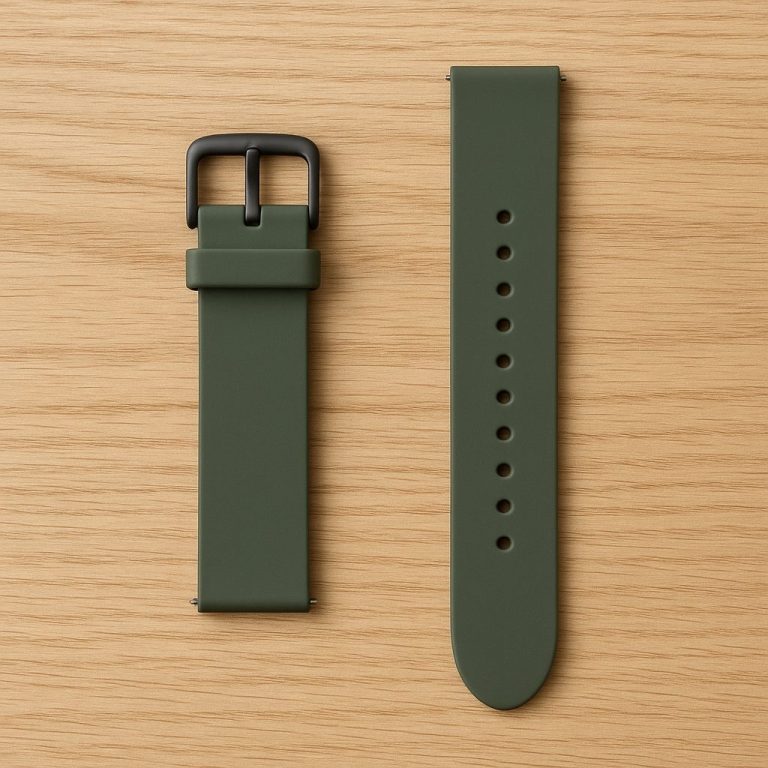
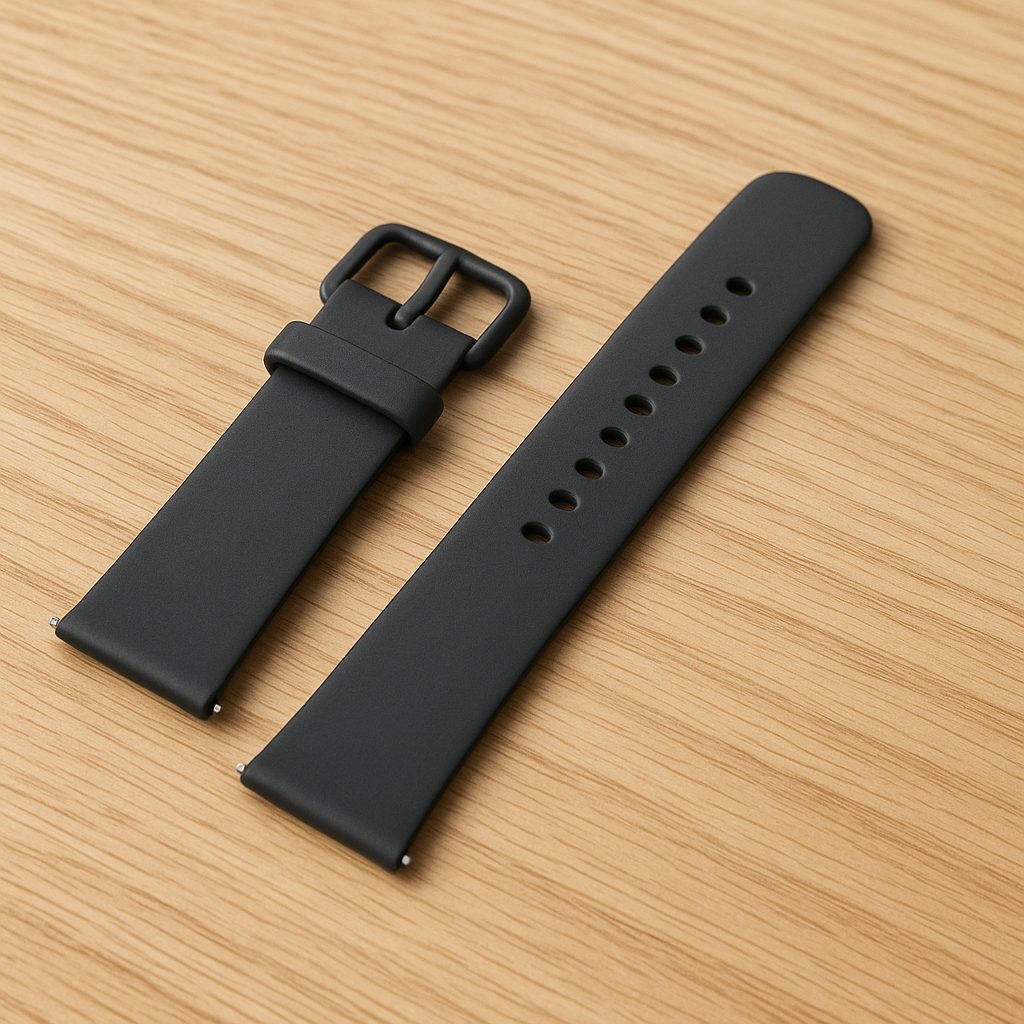
Silicone bands are popular for their flexibility and water resistance, but they tend to pick up residues from lotions and sunscreens. The chemical structure of silicone attracts and traps oils, which can cause a sticky feel or discoloration—especially with light-colored bands. Over time, repeated exposure can lead to a slight odor if not cleaned regularly. A quick rinse after applying sunscreen can help minimize buildup.
Leather Bands
Leather is highly absorbent, so when lotions or sunscreens come into contact with it, the oils and alcohols penetrate the surface. This can cause dark spots, uneven coloration, or even stiffening and cracking over time. Alcohol-based ingredients speed up the breakdown of leather fibers and finishes. For those who wear leather bands, it’s best to let sunscreen or lotion dry completely before putting the watch back on, and to avoid repeated direct exposure whenever possible.
Fabric Bands (Nylon and Nylon Blends)
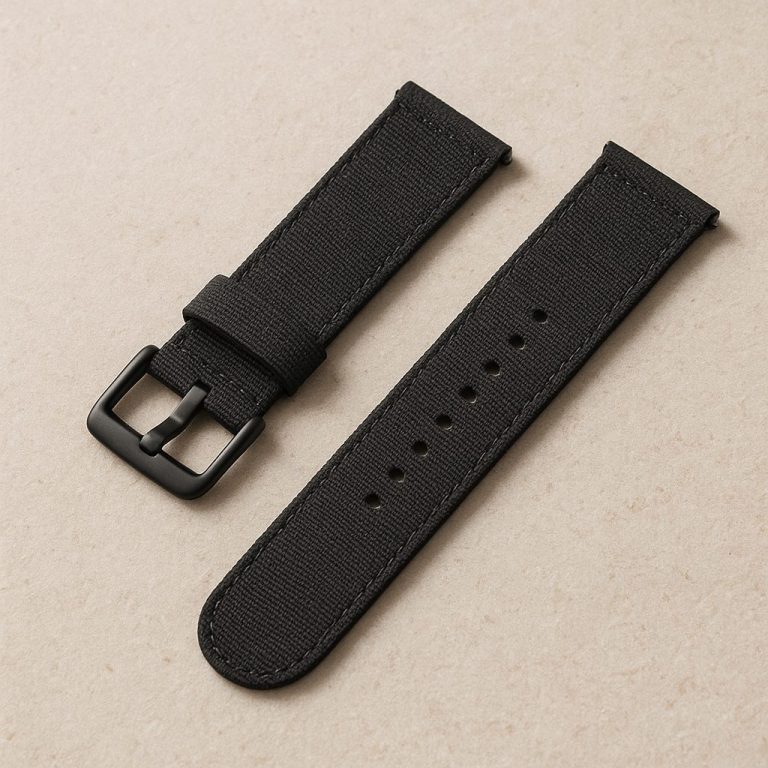
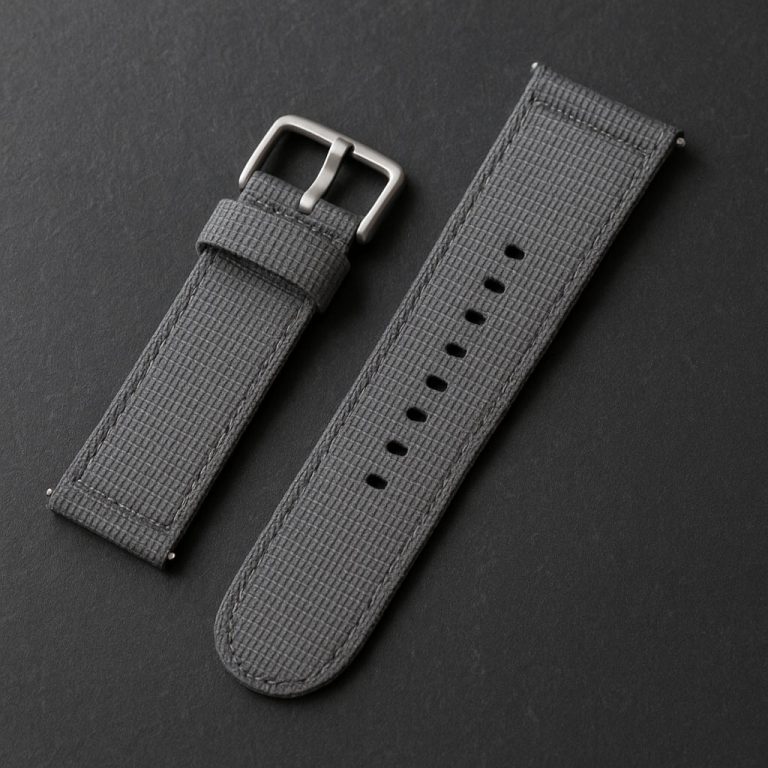
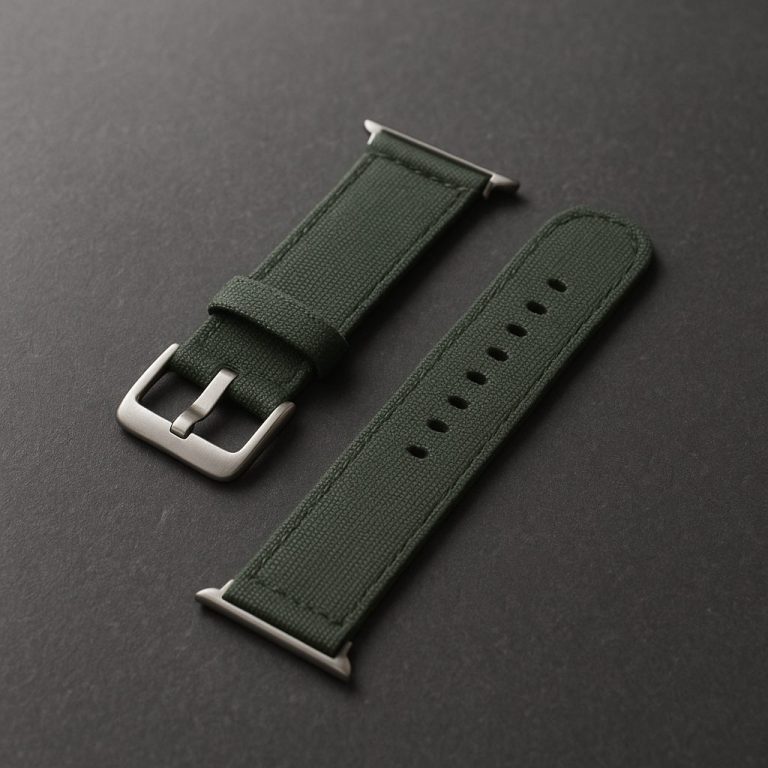
Most fabric watch bands are woven from nylon or blends containing nylon for strength and flexibility. These bands vary in weave density, thickness, stretch, and surface texture. Loosely woven or thicker bands tend to trap more residue, while smooth or tightly woven nylon resists some penetration. Oils and chemicals in sunscreen can stain the fibers, cause fading, or result in a persistent odor if not cleaned. Washing fabric bands periodically can help, but deeply embedded stains may remain.
Metal Bands
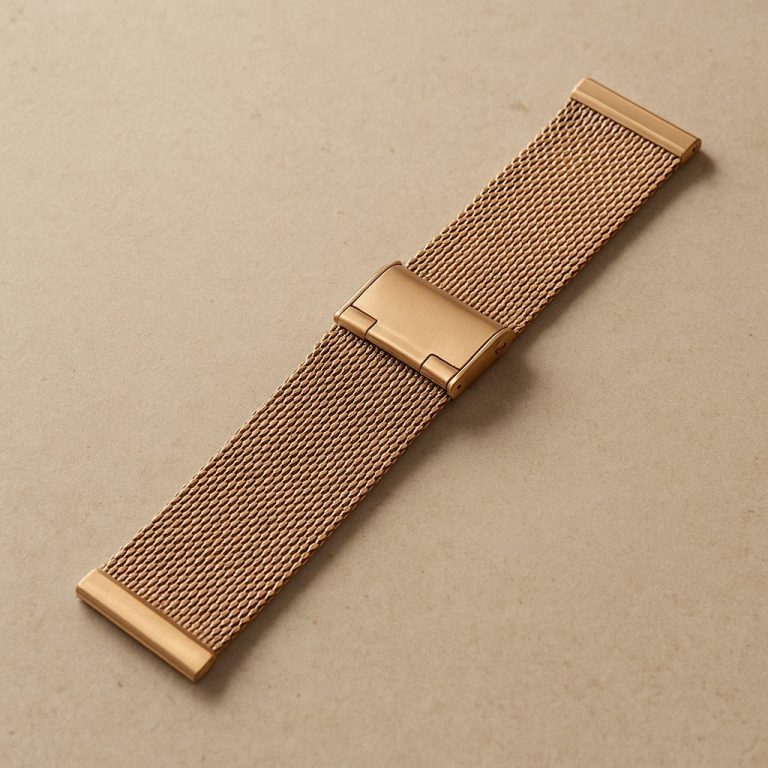
Stainless steel is the most common material for metal watch bands due to its corrosion resistance and durability. Sunscreens and lotions generally have little effect on metal surfaces since they are non-porous. However, oils and residues can collect in the small gaps between links, attracting dirt or causing a dull appearance. Regular cleaning with a soft brush and mild soap helps maintain the look and feel of metal bands.
Understanding the Differences: Why Some Bands Suffer More
The main reasons for different reactions are the absorbency, porosity, and chemical compatibility of the band material:
- Absorbency and Porosity: Materials like leather and fabric draw in oils and chemicals, while metal resists absorption. Silicone, though not porous, is lipophilic—meaning it attracts oils.
- Surface Texture: The texture of fabric bands, especially with a looser weave, allows more residue to settle and remain trapped compared to smooth metal or coated leather.
- Chemical Compatibility: Some ingredients in lotions and sunscreens can break down certain materials. For instance, alcohols and solvents can damage leather, while some UV filters may react with light-colored silicone, causing yellowing.
In practical terms, a silicone band worn during sports or outdoor activities will quickly pick up sunscreen from the wrist or hand, while a stainless steel bracelet may only need a quick wipe. Leather bands worn in hot weather are especially vulnerable to staining and may age prematurely if exposed to repeated sunscreen application. Nylon straps with a dense, smooth weave are less likely to stain than ones with a rougher texture, but both should be cleaned after heavy exposure.
Practical Steps for Avoiding Damage
Awareness of how sunscreen and lotion ingredients interact with different materials helps prevent unwanted wear:
- Allow sunscreen and lotion to fully absorb and dry before putting on a watch—especially if wearing leather or fabric bands.
- Rinse silicone bands regularly with mild soap and water to remove residue before it accumulates.
- Wipe metal bands with a soft cloth after exposure, and occasionally clean between links to prevent buildup.
- Wash fabric bands as recommended by the manufacturer, particularly after heavy activity or exposure to lotions and oils.
For those switching between band types, consider choosing more resilient materials like stainless steel or tightly woven nylon for beach or pool days, and reserving leather for less active use.
How Ingredient Sensitivity Influences Watch Band Longevity
The way sunscreen and lotions interact with watch bands is largely determined by the band’s material properties and the chemicals present in skin-care products. Silicone bands are prone to residue and discoloration, leather absorbs and degrades, fabric (mostly nylon) can stain and retain odors, while stainless steel is largely unaffected except for surface smudges. Being mindful of these differences and taking simple preventive steps can help keep your watch and its band looking and performing their best throughout the seasons.