How repeated exposure to soap affects watch band materials over time
Effects of Soap on Watch Bands During Routine Handwashing
A watch band that starts to look dull, feel stiff, or develop discoloration after several months of daily handwashing is showing signs of material changes caused by repeated soap exposure. When soap residue lingers on a watch band—whether metal, leather, fabric, or silicone—it can gradually alter its appearance, flexibility, and structural integrity. Understanding how soap interacts with various watch band materials helps in preventing premature wear and maintaining reliability and comfort.
Soap Ingredients and Their Impact on Different Materials
Most soaps and handwashes contain surfactants, fragrances, and sometimes moisturizing agents. These ingredients are designed to remove oils and dirt, but their persistent contact with watch band materials can have unintended effects:
- Surfactants: Break down oils and can strip protective finishes or natural oils from materials.
- Fragrances and Additives: Sometimes cause staining or chemical reactions, especially on absorbent surfaces.
- Water Content: Prolonged moisture can encourage corrosion or mold, especially if bands are not dried thoroughly after exposure.
Material-Specific Effects of Repeated Soap Exposure
Metal Bands
Most metal bands, especially those made from stainless steel, are built to resist corrosion and staining. However, frequent exposure to soapy water can still lead to:
- Residue Build-up: Soap can accumulate in the gaps of folded or articulated links, making the band appear dull and sometimes causing stiffness.
- Surface Dulling: Over time, surfactants can gradually reduce the shine of polished surfaces, especially if the band is not rinsed and dried properly.
- Corrosion Risk: Although stainless steel resists rust, prolonged moisture trapped by soap residue may eventually affect pins, spring bars, or less-protected alloy parts, especially on certain models with mixed metals.
Rinsing the band thoroughly after washing and drying with a soft cloth can help minimize these effects.
Leather Bands
Leather bands are especially sensitive to soap and water. Persistent contact with soap can cause:
- Dryness and Cracking: Soap strips natural oils from leather, causing it to become dry, brittle, and prone to cracking.
- Color Fading and Staining: Dyes in leather can leach out or change shade due to repeated wetting and chemical exposure.
- Odor Development: Soap residue can create a breeding ground for bacteria, leading to unpleasant smells.
Even a brief, daily splash of soapy water can shorten a leather band’s useful life. Drying the band immediately and conditioning it periodically can help, but avoidance of soap exposure is the most effective strategy.
Fabric Bands
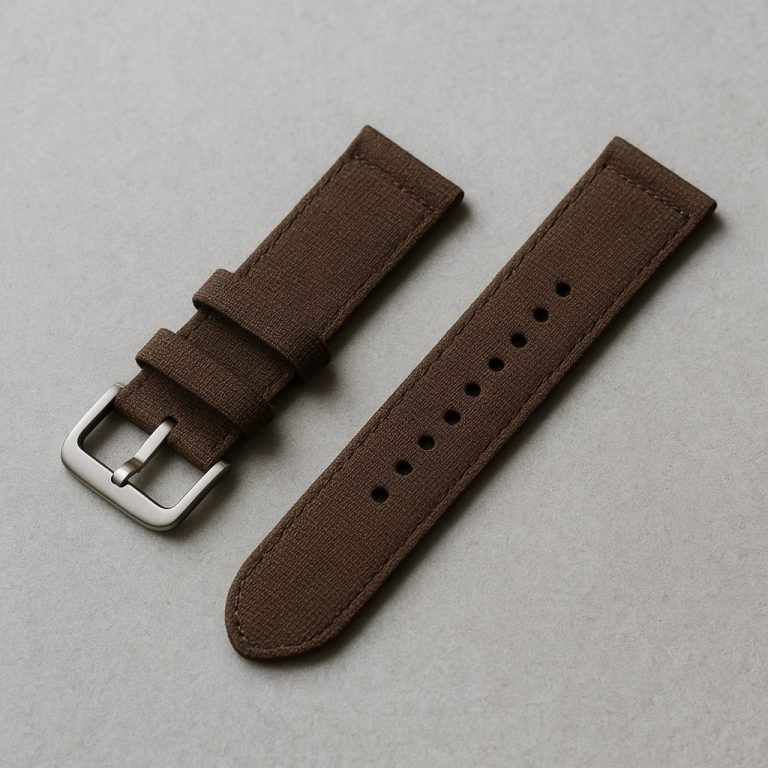
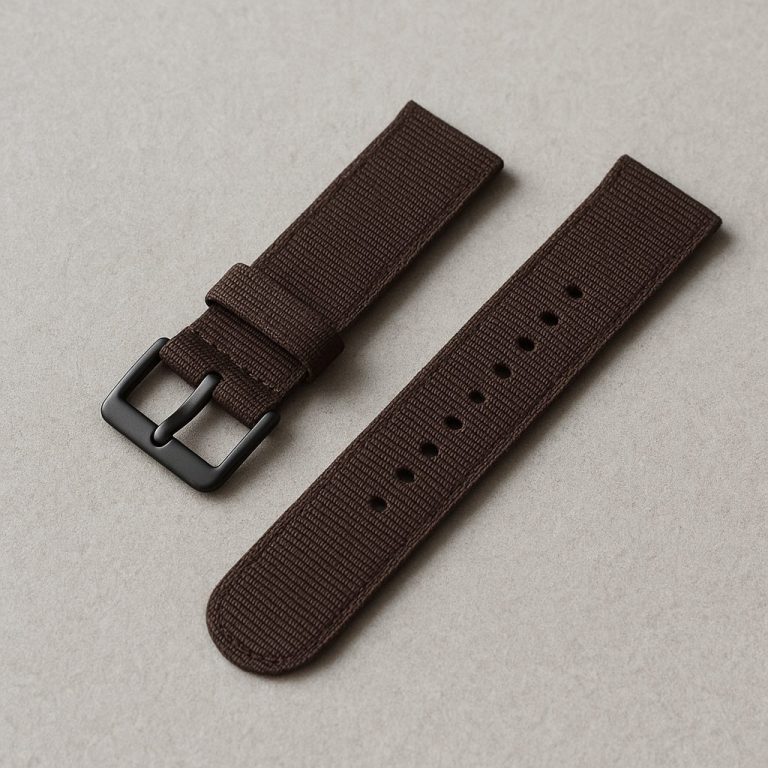
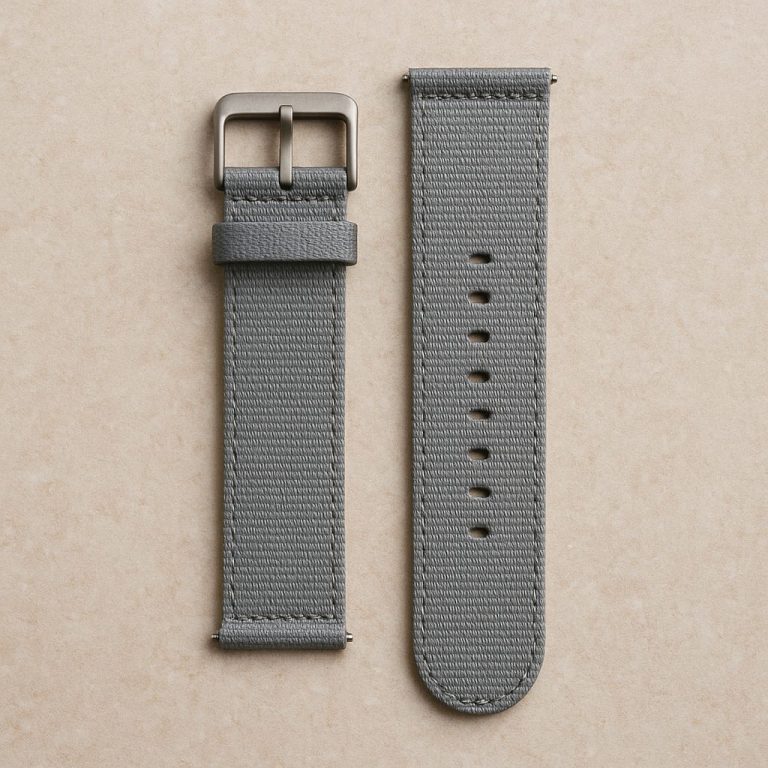
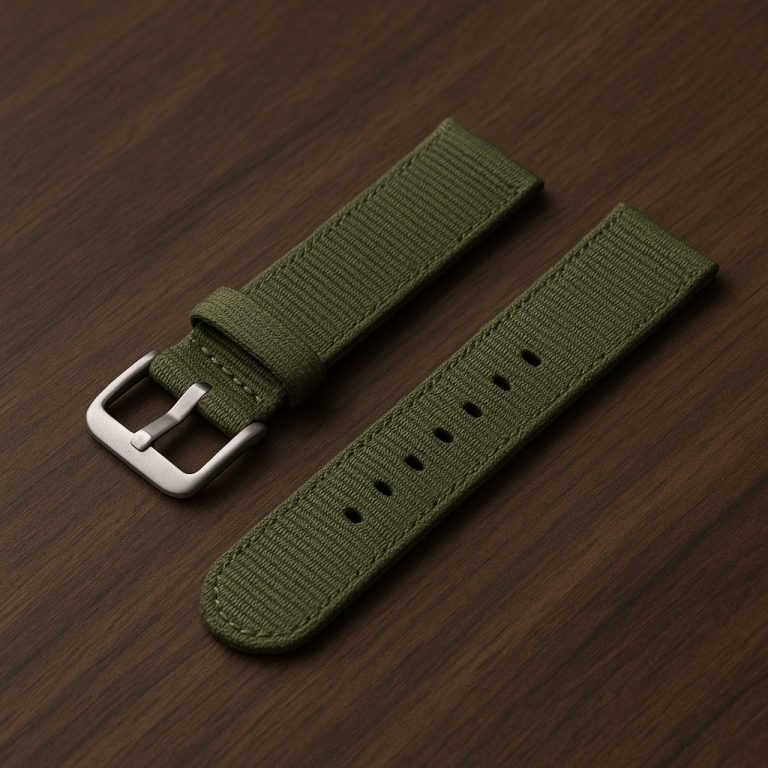
Fabric bands, often made from nylon or nylon blends, display a wide range of reactions depending on their weave density, thickness, and surface texture. For example, a tightly woven nylon band might resist water better than a stretchier, loosely woven alternative. Repeated soap exposure leads to:
- Stiffening or Loss of Flexibility: Soap residues can build up within fibers, making the fabric feel stiff or less comfortable.
- Degradation of Elasticity: Stretchy or elastic fibers can lose their resilience over time, especially if regularly exposed to soap and not rinsed thoroughly.
- Color Bleeding or Fading: Fabric dyes may fade or migrate, particularly in lighter-colored or patterned bands.
- Odor and Bacterial Growth: Persistent moisture and soap residue can encourage odor and mildew, especially if the band remains damp after washing.
A practical tip: after accidental soap exposure, rinsing a fabric band under clean water and allowing it to air dry flat can help maintain its appearance and flexibility.
Silicone Bands
Silicone bands are popular due to their flexibility and water resistance, but even these can be affected by soap over time:
- Surface Film and Stickiness: Repeated soap exposure may leave a thin film, causing the surface to feel tacky or attract lint and dust.
- Loss of Elasticity: Some silicone formulations may gradually lose flexibility or become more prone to small splits, especially near holes or attachment points.
- Color Changes: Brightly colored or translucent silicone can develop a cloudy appearance or uneven fading after long-term contact with soap and water.
Frequent rinsing and occasional gentle cleaning with water (no detergents) help retain a silicone band’s original look and feel.
Summary Table: Repeated Soap Exposure on Watch Band Materials
| Material | Common Effects | Appearance Changes | Structural Changes |
|---|---|---|---|
| Metal (Stainless Steel) | Residue build-up, dullness, potential corrosion | Loss of shine, visible residue | Stiff links, weakened pins |
| Leather | Drying, cracking, staining | Fading, discoloration, odor | Surface cracking, loss of flexibility |
| Fabric (Nylon/Nylon Blends) | Stiffening, fading, odor | Color changes, texture roughening | Loss of elasticity, mildew |
| Silicone | Surface film, stickiness, fading | Cloudiness, lint attraction | Small splits, reduced stretch |
How Attachment Mechanisms May Be Affected
Soap exposure doesn’t just affect the visible band. Attachment mechanisms, such as spring bars or quick-release pins, are sometimes overlooked but can be vulnerable to soap residue and moisture. Over time, these small metal components may corrode or become gummed up, leading to less secure attachment between the band and the lugs of the watch case. Regular inspection and cleaning can help prevent band detachment or accidental drops.
Watch Band Longevity: Managing Soap Exposure Day to Day
Consistent exposure to soap, even during seemingly harmless activities like handwashing, can have cumulative effects on watch bands across all major materials. Simple steps—such as removing a watch before washing hands, rinsing bands thoroughly with clean water if exposed, and drying them properly—can significantly extend the life and appearance of both the band and its attachment components. Being aware of how materials respond to repeated soap contact helps avoid unexpected wear and keeps a watch looking and functioning reliably over time.